Understanding Your Lawn’s Needs
Homeowners with aging lawns often struggle with thinning grass, patchiness, and compacted soil that chokes out grass roots. Over time, soil compaction from foot traffic, lawn mowers, and even heavy rains reduces air, water and nutrients reaching the root zone. The result? A stressed lawn begging for help.
Aeration and overseeding lawn revitalization offers two practical solutions to these common challenges. By creating holes in the turf and introducing fresh grass seed, you improve drainage, reduce soil compaction, and fill in bare spots. Think of it as a spring cleaning for your lawn’s health. With a bit of effort and the right timing, achieving a healthy lawn is not only possible, it’s rewarding.
What is Aeration and Why is it Important?
The Aeration Process Explained
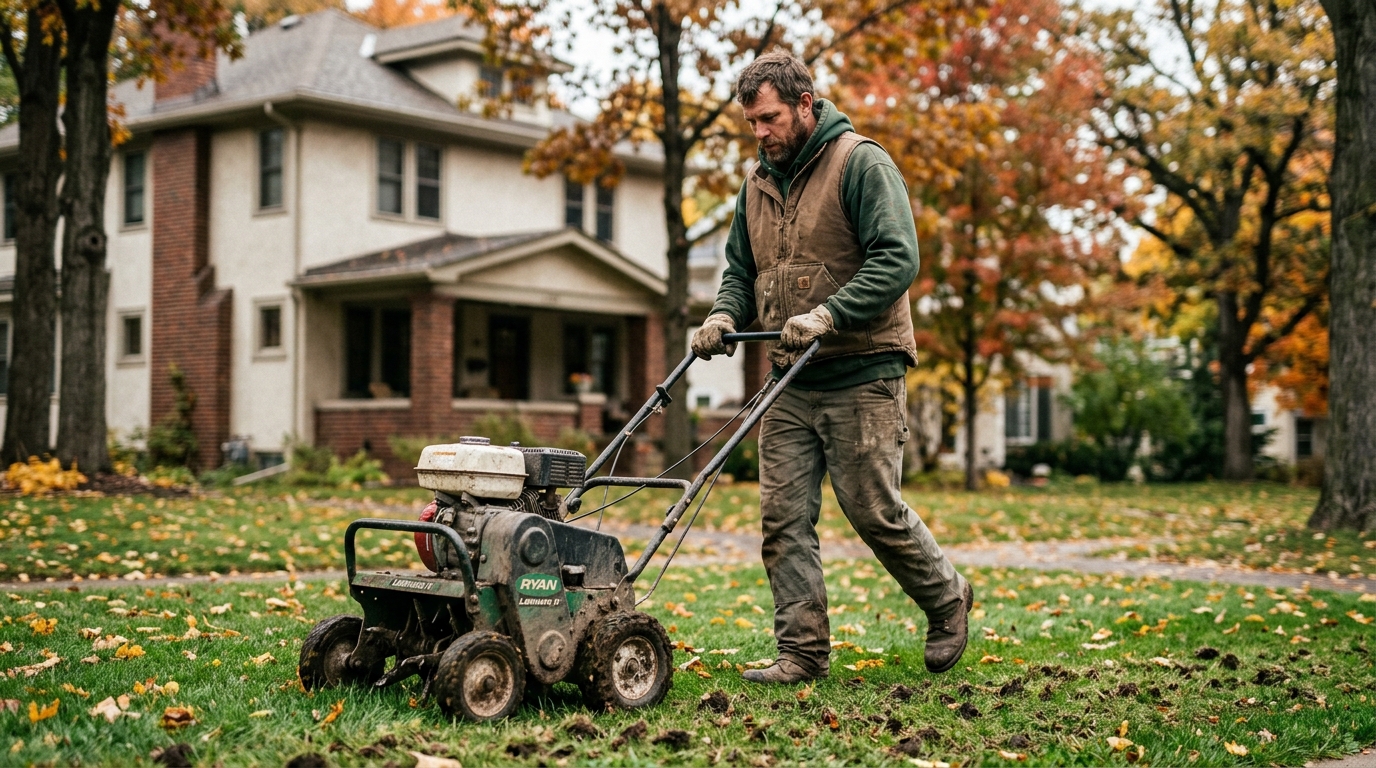
Aeration involves creating small holes, holes created by either core aeration or spike aeration, to allow your lawn to breathe. Core aeration removes tiny plugs of soil and thatch, whereas spike aeration pushes spikes into the ground without removing material. While both methods can reduce compaction, core aeration is the preferred technique for cool season grasses like Kentucky bluegrass because it actually removes plugs of compacted soil.
By reducing compacted soil, aeration improves soil structure and drainage. As air, water and nutrients penetrate deeper, grass roots grow more robustly. In short, aeration is the first step to deliver life-sustaining elements right where your grass needs them most.
Benefits of Aeration for Aging Lawns
Once you aerate your lawn, you begin to notice immediate gains. Nutrient absorption spikes, leading to darker green blades and stronger grass roots that resist drought and disease. Over time, the lawn becomes more resilient under stress, whether it’s summer heat or heavy use from kids and pets.
Regular core aeration also allows fertilizers and soil amendments to settle in deeper layers, maximizing the benefits of lawn care products. When compaction drops, water pools less and runoff decreases. You’ll watch your lawn thrive instead of struggle, with reduced bare spots and a more uniform, healthy lawn.
Understanding Overseeding and Its Role in Lawn Revitalization
What is Overseeding?
Overseeding is the practice of applying grass seed directly over an existing lawn. Used in tandem with aeration, it delivers new grass varieties that enhance resilience and fill in thinning areas. After you aerate and overseed your lawn, those little holes created become perfect germination sites for grass seed protected from drying out and surface erosion.
Benefits of Overseeding for Older Grass
When you introduce grass seed, you’re not just thickening turf; you’re upgrading your lawn’s genetics. Newer seed blends often include varieties that resist disease, tolerate shade, and recover quickly from stress. Blends of cool season grasses like Kentucky bluegrass mixed with perennial ryegrass create a denser, more diverse stand of grass.
Overseeding fills in bare spots, crowds out weeds, and promotes a uniform appearance. By strengthening the lawn’s overall resilience, overseeding complements the benefits of aeration and ensures that grass roots spread evenly.
Prepare Your Lawn for Aeration and Overseeding
Proper preparation is crucial for maximizing the effectiveness of aeration and overseeding. A little effort beforehand can significantly improve seed germination and overall lawn health.
Soil Testing and Amendments
Before you begin, consider a soil test. This will reveal your soil’s pH and nutrient levels, guiding you on any necessary amendments. If your soil is too acidic or alkaline, applying lime or sulfur can create a more hospitable environment for new grass seed. Addressing soil imbalances ensures that your new grass has the best possible start.
Weed Control Strategies
Eliminating weeds before aeration and overseeding is vital. Weeds compete with new grass seedlings for water, nutrients, and sunlight. Apply a broadleaf weed killer a few weeks before your planned aeration, ensuring it won’t harm new grass seed. Avoid pre-emergent herbicides, as these will prevent grass seed from germinating.
Mowing and Watering Practices
Mow your lawn to a shorter height than usual (around 2 to 2.5 inches) a day or two before aeration. This exposes more soil surface, allowing the aerator to work more effectively and giving grass seed better contact with the soil. Water your lawn thoroughly a day or two before aeration as well. Moist soil allows the aerator tines to penetrate deeper and more easily, creating optimal holes for seed germination.
Step-by-Step Guide to Aerating and Overseeding Your Lawn
Timing is Everything
Knowing the right time to aerate and overseed can make or break your lawn care efforts. For cool season grasses, early fall is the ideal window when soil temperatures are still warm enough for germination but air temperatures are milder. You might also aerate and overseed in spring if you missed that fall window, but avoid hot summer months when seed germination struggles.
Preparation and Tools Needed
Before you aerate and overseed your lawn, gather the right tools: a core aerator (rental models work fine for most yards), a broadcast or drop spreader for grass seed, a rake, and a garden hose. If your lawn is small, a manual core aerator is affordable and easy to handle. Make sure to water your lawn a day or two before aeration so the ground offers some resistance but is not soggy.
Executing the Process
- Mow your lawn to a shorter setting (around 2 to 2.5 inches) to expose more turf surface.
- Aerate the entire lawn, moving in parallel lines and then at a 90-degree angle to ensure even coverage.
- Immediately follow with overseeding, applying grass seed at the recommended rate on the seed bag, typically 3 to 5 pounds per 1,000 square feet for overseeding.
- Lightly rake seed into the holes and soil surface to promote good seed-to- soil contact.
- Water lightly but frequently aim for moist soil, not puddles. Continue daily watering until new grass roots take hold (about two to three weeks).
Get a Free Lawn Aeration & Seeding Quote
Common Mistakes to Avoid When Aerating and Overseeding
Timing Mistakes
Many homeowners overseed too late in the season, when cooler nights and falling temperatures slow germination. Conversely, aerating too early in spring can encourage weed seeds to establish before grass seed has a chance to grow. Stick to early fall or late spring windows and keep an eye on local soil temperatures.
Improper Soil Preparation
A common misstep is skipping a pre-aeration watering or skimping on seed-to- soil contact. If soil is bone-dry, your aerator will struggle to penetrate, resulting in shallow holes. Similarly, if you spread grass seed without raking it in, seed can wash away or sit on top of thatch and fail to germinate.
Neglecting Aftercare
After you aerate and overseed, many homeowners revert to normal watering schedules or forget fertilizing. Your new grass needs consistent moisture to sprout and cement grass roots. Aim for light daily watering, twice a day if conditions are hot until seedlings reach one inch tall. Following up with a mild starter fertilizer three to four weeks later gives new grass nutrients when it’s most vulnerable.
Professional Services vs. DIY: What’s Best for You?
When to DIY
If you have a small to medium-sized yard, a modest budget, and are comfortable renting equipment, DYI aeration and seeding is a solid choice. The cost of renting a core aerator and buying quality grass seed rarely exceeds the price of a single professional visit. Plus, doing it yourself gives you the satisfaction of hands-on lawn care.
When to Hire a Professional
For larger properties, severely compacted soil, or lawns with ongoing disease problems, professional aeration and overseeding services may deliver better results. A service like Peter Doran Lawn and Landscaping can offer specialized equipment that penetrates deeper, plus professional-grade seed blends tailored to your property’s conditions. They’ll handle soil testing, amendments, and a post-care plan saving you time and ensuring the best possible outcome.
Compare costs and outcomes before deciding, but remember that investing in a professional now could save you from costly lawn repairs later.
Is Aeration and Overseeding Worth It?
Many homeowners wonder if the effort and expense of aeration and overseeding truly pay off. The answer is a resounding yes, especially for aging or struggling lawns. This two-pronged approach tackles the root causes of common lawn problems, leading to long-term benefits that far outweigh the initial investment.
Long-Term Benefits and ROI
Aeration and overseeding improve your lawn’s health from the ground up. By alleviating soil compaction, you create an environment where grass roots can thrive, leading to a denser, more resilient turf. This increased density naturally chokes out weeds, reducing the need for herbicides. A healthier lawn is also more resistant to pests and diseases, saving you money on future treatments.
Furthermore, a thick, vibrant lawn significantly enhances your home’s curb appeal and can even increase property value. The return on investment isn’t just in saved maintenance costs but also in the aesthetic and financial value added to your home.
Preventative Care vs. Reactive Solutions
Think of aeration and overseeding as preventative maintenance. Instead of waiting for your lawn to develop severe issues like widespread bare spots, chronic disease, or extreme compaction, these practices proactively strengthen your turf. This preventative approach is often more cost-effective and less labor-intensive than reactive solutions, such as completely re-sodding a lawn or battling persistent pest infestations. By investing in regular aeration and overseeding, you’re building a foundation for a healthy, beautiful lawn that requires less intervention down the line.
What This Means for Your Lawn
Aeration and seeding work hand in hand to give your lawn the renewed vigor it needs. By reducing soil compaction, improving nutrient uptake, and introducing fresh, resilient grass varieties, you set the stage for a healthier lawn that can withstand stress all season long. Whether you choose to DIY or partner with experts like Peter Doran Lawn and Landscaping, taking action is the key to lasting results.
Turn your thinning, patchy grass into a carpet of green. With core aeration, overseeding, and consistent aftercare, your lawn will reward you with density, color, and durability that stand out in the neighborhood.
Frequently Asked Questions
For cool-season grasses, the ideal time to aerate and overseed is early fall (late August to October). This allows the new grass seeds to germinate and establish strong roots before winter sets in. Spring (March to May) is a secondary option, but fall is generally preferred due to warmer soil temperatures and less weed competition.
Most lawns benefit from aeration once a year, especially if they experience heavy foot traffic or have compacted soil. Lawns with sandy soil may require less frequent aeration, while those with heavy clay soil or significant compaction might benefit from aerating twice a year (spring and fall).
New grass seeds typically begin to germinate within 7 to 21 days, depending on the grass type, soil temperature, and consistent moisture. You should see visible sprouts within two to three weeks, and the new grass will be established enough to mow lightly after about 4-6 weeks.
It’s best to address significant weed problems before aerating and overseeding. Apply a broadleaf weed killer a few weeks prior to your planned aeration to eliminate existing weeds. Avoid using pre-emergent herbicides before overseeding, as they will prevent your new grass seeds from germinating.
After aerating and overseeding, consistent watering is crucial. Keep the soil lightly moist (not soggy) with frequent, shallow watering sessions, especially during the first 2-3 weeks. Once the new grass is about an inch tall, you can gradually reduce watering frequency and increase duration. Consider applying a starter fertilizer 3-4 weeks after seeding to provide essential nutrients for the young grass.