If you live in Minneapolis and have a shady yard, you probably know the unique challenges it presents. Limited sunlight can make it difficult for your grass to thrive, leading to a patchy or unhealthy lawn. Shady areas often suffer from competition for nutrients with tree roots and other plants, while issues with soil moisture retention can create additional headaches.
Proper lawn care and fertilization are crucial in these low-light conditions, and that’s where the right shade lawn fertilizer Minneapolis comes into play. This article aims to provide practical solutions to maintain a lush, healthy lawn, despite the challenges that shade presents.
Understanding Shade-Dominant Yards
Common Challenges in Shady Areas
Shade-dominant yards can be tougher to manage than their sun-drenched counterparts. One of the most significant challenges is limited sunlight, which directly impacts grass growth. Grass needs sunlight for photosynthesis; without it, you may notice thinner blades and a lack of vibrancy.
Additionally, tree roots often compete for the same nutrients that your lawn needs to thrive, leading to further stress on your grass.
Moreover, shady areas can retain moisture longer than sunny spots, creating drainage issues that can lead to fungal growth and other lawn diseases. Understanding these challenges is the first step in creating a successful lawn care routine tailored to your shade-dominant yard.
Identifying Shade Tolerance in Grass Types
When selecting grass for shady areas, it’s essential to choose varieties that can tolerate low-light conditions. In Minneapolis, fine fescue and Kentucky bluegrass are two excellent choices.
Fine fescue varieties, such as creeping red fescue, thrive in shade and can adapt to various soil conditions, making them ideal for your yard.
Kentucky bluegrass, while more commonly associated with sunny areas, has certain cultivars that perform surprisingly well in shade.
By selecting the right grass types, you’ll create a foundation for a healthier lawn.
Choosing the Right Lawn Fertilizer
Nutrient Needs for Shade-Loving Grasses
Once you’ve chosen the right grass types, the next step is to understand their nutrient needs. Essential nutrients like nitrogen, phosphorus, and potassium play a vital role in lawn health. Nitrogen promotes lush, green growth, phosphorus supports root development, and potassium helps grass withstand stress.
When selecting a fertilizer, look at the N-P-K ratio on the label. For shade- loving grasses, a balanced fertilizer with equal parts of these nutrients can be beneficial.
Understanding how to read fertilizer labels can empower you to make informed decisions. A fertilizer with a ratio like 10-10-10 can provide a good foundation for your shaded lawn. Remember, using the right fertilizer can make a world of difference in the health of your grass.
Organic vs. Synthetic Fertilizers
When it comes to fertilizing your shade-dominant yard, you have a choice between organic and synthetic fertilizers. Organic fertilizers, such as compost or bone meal, nurture the soil and improve its structure over time. They also tend to release nutrients slowly, which can benefit grass in shaded areas where absorption may be less efficient.
On the other hand, synthetic fertilizers can deliver nutrients more quickly, which might be tempting, but they can also lead to nutrient runoff and environmental issues if not applied correctly.
For shade-dominant yards, I often recommend organic options for a more sustainable approach. You can find quality organic fertilizers at local garden centers, or consider reaching out to professionals like Peter Doran Lawn and Landscaping for expert advice.
Best Practices for Fertilizing Shade Lawns
Timing Your Fertilization
The timing of your fertilization is just as crucial as the type of fertilizer you use. In Minneapolis, the optimal seasons for fertilizing shade-dominant areas are spring and early fall.
Spring is a great time to help your lawn wake up from dormancy, while early fall prepares it for the winter months. Soil temperature is also a critical factor; aim to fertilize when soil temperatures reach about 55°F, as this is when grass begins to actively grow.
Moisture conditions matter too. Avoid fertilizing during drought conditions, as stressed grass won’t effectively absorb the nutrients. Instead, wait until you have good soil moisture to ensure that your fertilization efforts yield the best results.
Application Techniques
Applying fertilizer in shady yards requires some thoughtful techniques. I recommend using a broadcast spreader for even distribution of granules, but be cautious to avoid overlap that can lead to fertilizer burn. A drop spreader can also be useful for tight spots or smaller areas.
Regardless of the method you choose, it’s essential to water your lawn after applying fertilizer. This helps to activate the nutrients and ensures they reach the roots where they are needed most. Remember, even distribution is key to preventing patchy growth and ensuring a vibrant lawn.
Incorporating Additional Lawn Care Techniques
Aeration and Overseeding
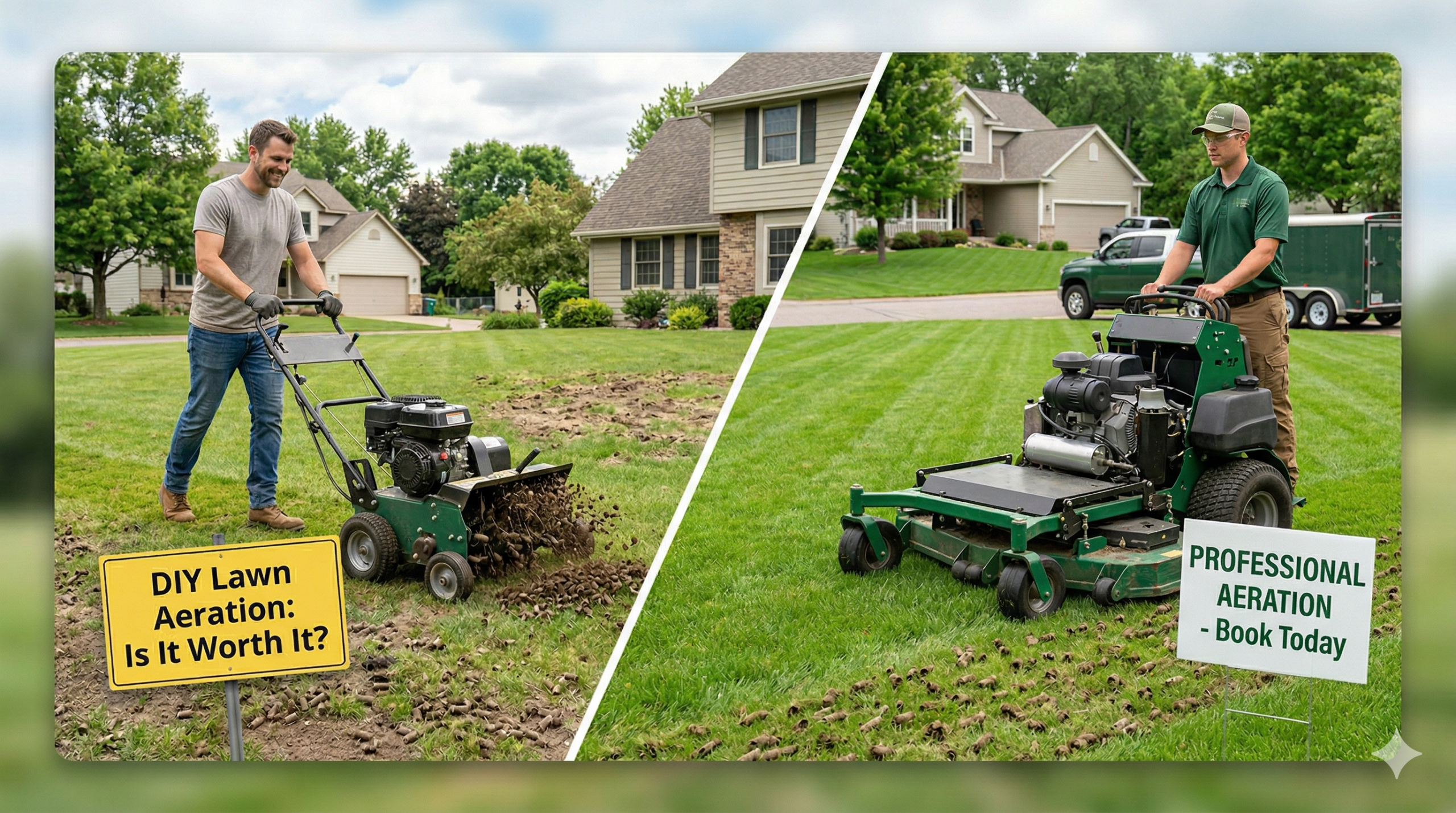
Aerating your shady lawn can relieve soil compaction, allowing for better airflow and water penetration. This is particularly important in shaded areas where roots may be competing for the same nutrients. Aeration creates small holes in the soil, which helps grass roots grow deeper and access more nutrients.
After aerating, overseeding with shade-tolerant grass types can significantly improve your lawn’s density and overall health. This technique not only fills in bare spots but also enhances the lawn’s ability to withstand stress from shade and competition.
Watering Practices for Shady Areas
Watering your shaded lawn requires a different approach than sunny areas. Shady lawns typically retain moisture longer, so they often need less frequent watering. Aim for deep watering sessions rather than frequent, shallow ones. This encourages roots to grow deeper, making your grass more resilient.
Be careful not to over-water, as soggy soil can lead to diseases. Monitor the soil moisture by checking a few inches below the surface; if it feels damp, it’s likely your lawn doesn’t need more water yet.
Troubleshooting Common Shade Lawn Issues
Identifying and Treating Lawn Diseases
Shade-dominant lawns can be susceptible to various diseases, such as leaf spot and dollar spot. These diseases thrive in damp conditions, making proper lawn care even more critical. Regularly inspecting your lawn for signs of disease will help you catch problems early.
Using fertilizers can sometimes aid in prevention, as a well-nourished lawn is more resilient against disease. If you notice troubling symptoms, don’t hesitate to consult with a professional for tailored treatment options.
Peter Doran Lawn and Landscaping offers a variety of services that can help diagnose and treat common lawn issues.
When to Seek Professional Help
There are times when the challenges of maintaining a shaded lawn may feel overwhelming. If you notice persistent issues, such as poor growth or recurring diseases, it’s wise to seek professional help. Signs that you might need a landscape designer or lawn care service include large areas of dead grass, persistent weeds, or difficulty getting your lawn to respond to fertilization.
When looking for a professional, ensure they have experience specifically with shade lawns. This specialization will ensure you receive the best care for your unique yard.
What This Means for Your Property
Maintaining a shade-dominant lawn in Minneapolis can be challenging, but with the right practices, you can achieve a lush, healthy yard that enhances your property. By understanding the unique needs of your shade-loving grass, choosing the right fertilizers, and incorporating effective lawn care techniques, you can overcome the hurdles that come with shady conditions.
Take action today by implementing these best practices for your shade lawn fertilizer. If you need personalized solutions, don’t hesitate to visit our website for more resources or to schedule a consultation with Peter Doran Lawn and Landscaping. Together, we can create the healthy, vibrant lawn you’ve always wanted, even in the shadiest of conditions.