As homeowners, we all know the summer heat can be relentless. When temperatures reach soaring heights, our lawns can suffer severe consequences if not properly cared for.
To protect grass during a heatwave in Minneapolis, prioritize deep, early-morning watering, raise your mower blade to at least three inches, and consider temporary shade solutions. Applying a slow-release fertilizer can also boost resilience. For severe stress, professional intervention ensures your lawn recovers effectively.
Maintaining a healthy lawn during a heatwave is crucial, not just for aesthetics, but also for the longevity of your grass. As an experienced lawn care professional, I’m here to share urgent strategies you can implement today to protect your green spaces from the sweltering sun.
Understanding the Impact of Heatwaves on Your Lawn
Symptoms of Heat Stress in Grass
Heat stress is a term that refers to the damage your lawn can sustain during extreme temperatures. Common symptoms include yellowing and browning patches that spread quickly if not addressed. Wilting blades of grass indicate that your lawn is struggling to retain moisture, and you may notice reduced growth overall.
During these times, your grass becomes more susceptible to pests and diseases, which can compound the problem. Recognizing these signs early is imperative for the health of your lawn.
Long-term Damage vs. Temporary Stress
It’s essential to differentiate between recoverable stress and permanent damage. If you act quickly to alleviate heat stress, your lawn can bounce back; however, prolonged exposure to extreme heat without intervention can lead to irreversible damage.
Understanding this difference can shape your response; the quicker you jump into action, the better your chances of a healthy recovery. Make it a priority to monitor your lawn regularly, especially during periods of high temperatures, to catch any issues before they escalate.
Essential Summer Lawn Care During Heatwaves
Watering Techniques for Extreme Heat
Proper watering techniques are vital during a heatwave. The best times to water your lawn are early in the morning or late in the evening. This minimizes evaporation and ensures that your grass absorbs as much water as possible.
Aim for deep watering rather than shallow sprinkling–this encourages roots to grow deeper into the soil, making your grass more resilient against drought conditions. Consider utilizing rain barrels or advanced irrigation systems to maximize your water efficiency while also being environmentally conscious.
Mowing and Maintenance Best Practices
While it may be tempting to keep your lawn neatly trimmed during the heat, avoid mowing your grass too short. Adjusting your mower height to retain moisture in the soil is essential; a cutting height of at least three inches is preferable during extreme heat.
Additionally, you may want to reduce the frequency of mowing; the grass is under enough stress, and cutting it too often can exacerbate the situation. Always remember to clear the clippings after mowing to prevent thatch buildup, which can trap moisture and create an unhealthy environment for your lawn.
Nutritional Support for Your Lawn
Fertilizing Wisely in Summer
Fertilizing during the heat of summer can be tricky. Choosing the right fertilizer that boosts heat tolerance is essential. It’s best to apply fertilizers that are slow-release during heatwaves, as they provide nutrients gradually, reducing the risk of burning your grass.
Timing is everything; fertilizing in the early morning is ideal, allowing the grass to absorb nutrients before the sun intensifies.
Organic vs. Synthetic Options
When it comes to fertilizers, you have the choice between organic and synthetic options.
Organic fertilizers can improve soil health over time and are less likely to burn your grass, while synthetic fertilizers deliver nutrients quickly for immediate impact. Each option has its benefits and drawbacks.
If you’re leaning towards organic products, look for those that are specifically designed for heat stress. For more information on organic lawn care, check out resources like the National Organic Program.
Protective Measures to Shield Your Grass
Lawn Covers and Shade Solutions
When the sun is at its peak, consider using lawn covers or shade solutions to protect your grass from direct sunlight. Shade cloths and protective tarps can provide temporary relief from the harsh rays, keeping your lawn cooler during the hottest parts of the day. These solutions can significantly reduce the risk of heat stress and help maintain moisture levels in the soil.
Using Mulch and Ground Covers
Another effective tactic is to apply mulch around your lawn and garden beds. Mulch helps retain moisture in the soil, reducing the frequency of watering required. It also serves as a protective barrier against extreme temperatures.
You can also consider ground covers, such as clover or creeping thyme, which provide shade for the soil and help retain moisture while adding beauty to your landscape.
How Can You Help Your Lawn Recover After a Heatwave?
Once a heatwave subsides, your lawn will need careful attention to recover fully. Begin by assessing the damage; identify areas with significant browning or thinning. Gradually reintroduce a regular watering schedule, ensuring deep saturation to encourage root growth without overwatering, which can lead to fungal issues.
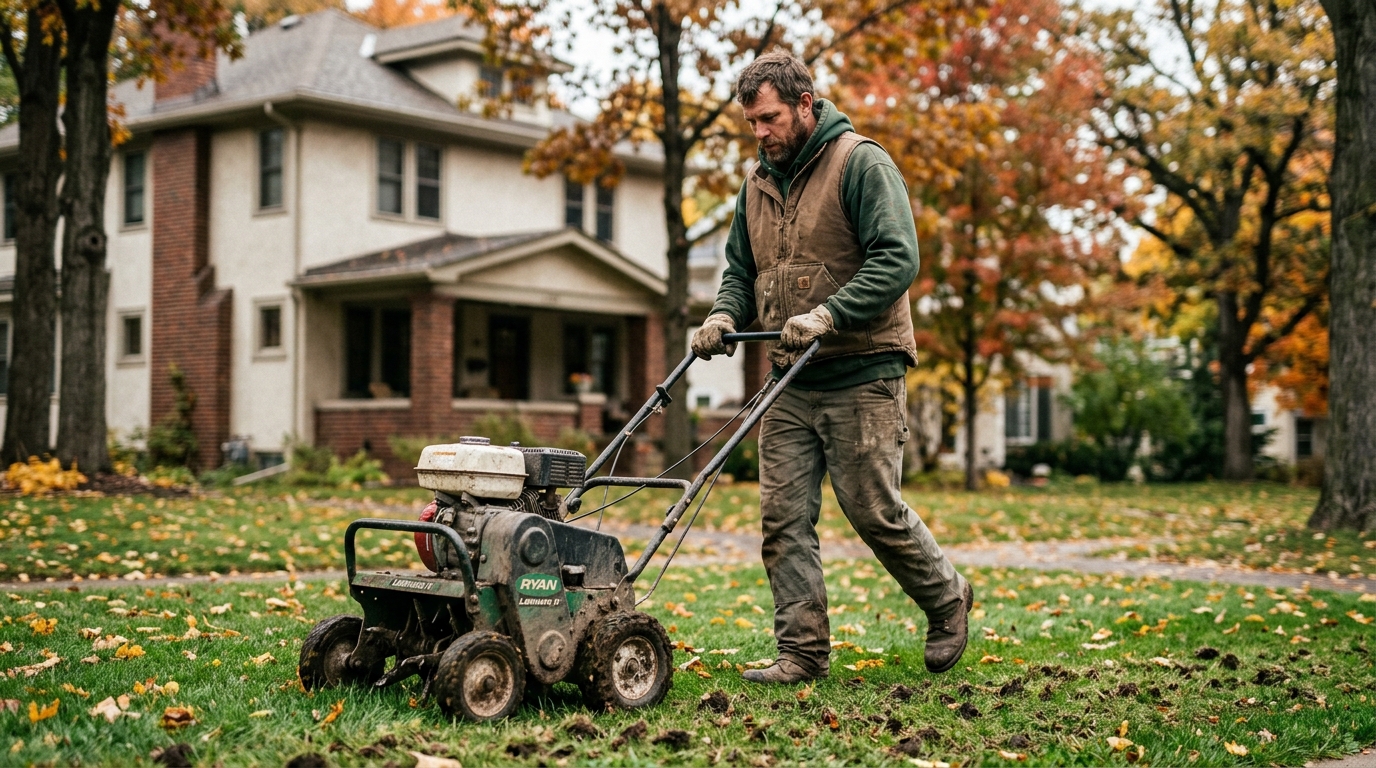
Avoid immediate heavy fertilization, as this can shock already stressed grass. Instead, opt for a light application of a balanced, slow-release fertilizer a few weeks after the heat has passed. Aeration can also be beneficial, as it helps alleviate soil compaction and allows water and nutrients to penetrate more effectively to the roots.
Overseeding bare or thin patches with a heat-tolerant grass variety can help rejuvenate your lawn. Be patient, as full recovery can take several weeks or even months, depending on the severity of the heat stress and the initial health of your lawn. Consistent, gentle care is key to bringing your lawn back to its vibrant best.
Professional Lawn Care Services
When to Call in the Experts
Sometimes, despite our best efforts, our lawns still require professional intervention. Signs that your lawn may need expert help include widespread browning, persistent weed problems, or if you’re unsure of the right steps to take.
When you do call for help, look for local lawn care services like Peter Doran Lawn and Landscaping, which specializes in heatwave-specific solutions and can provide tailored advice for your lawn.
DIY vs. Professional Solutions
While many homeowners enjoy the DIY approach, there are times when professional solutions can outperform home remedies, especially during extreme heat.
Cost considerations are important, but remember that investing in professional treatments can lead to long-term benefits. For instance, services that offer heatwave-specific care can provide treatments you may not have the expertise or resources to handle yourself.
What This Means for Your Property
Maintaining a healthy lawn during heat waves is a combination of understanding the signs of stress, implementing effective care techniques, and knowing when to seek professional help. By adopting the strategies outlined here, you can protect your grass and keep it thriving even in the hottest weather.
Ready to give your lawn the best chance against the summer heat? Request a free, no-obligation estimate from our expert team today and let us tailor a heatwave protection plan specifically for your property!
Frequently Asked Questions
How often should I water my lawn during a heatwave?
During a heatwave, it’s best to water your lawn deeply two to three times a week, rather than daily shallow watering. Aim for about 1 inch of water per session to encourage deep root growth. Always water in the early morning (before 10 AM) to minimize evaporation and allow the grass to absorb moisture before the intense midday sun.
What is the ideal mowing height for grass during hot weather?
To protect your grass during hot weather, raise your mower blade to its highest setting, typically 3 inches or more. Taller grass blades provide shade for the soil, helping to retain moisture and keep the roots cooler. This also reduces stress on the grass, making it more resilient to heat.
Should I fertilize my lawn during a heatwave?
It’s generally not recommended to apply fast-release fertilizers during a heatwave, as they can burn stressed grass. If you must fertilize, use a slow-release granular fertilizer or an organic option that provides nutrients gradually. It’s often better to wait until temperatures cool down before applying any significant fertilization.
Can I prevent my lawn from turning brown in extreme heat?
While it’s challenging to prevent all browning in extreme heat, you can significantly reduce it by implementing proper care strategies. Deep and infrequent watering, raising your mowing height, providing temporary shade, and ensuring good soil health are all key preventative measures. Sometimes, a lawn may go dormant to survive, which is a natural protective mechanism.
When should I consider professional lawn care for heat-stressed grass?
You should consider professional lawn care if your lawn shows widespread browning, persistent wilting despite proper watering, or if you notice signs of disease or pest infestation exacerbated by heat stress. Experts can diagnose specific issues, offer specialized treatments like aeration or targeted nutrient applications, and provide tailored advice to help your lawn recover and thrive.