As a Minneapolis homeowner, you take pride in your property. A healthy, vibrant lawn not only boosts curb appeal but also contributes to the overall value of your home. However, the fall season in Minnesota presents unique challenges.
Dealing with falling leaves is more than just an aesthetic chore; it’s a critical step in preventing lawn diseases and ensuring your grass thrives come springtime. Understanding the leaf removal benefits Minneapolis lawns need is the key to a healthy yard.
The Importance of Leaf Removal for Lawn Health
Understanding Cool-Season Lawns
Cool-season grasses, like Kentucky bluegrass, perennial ryegrass, and fescues, are the most common types found in Minneapolis lawns. These grasses thrive in the cooler temperatures of spring and fall but can struggle during the hot summer months. As the time of year transitions to autumn, these grasses begin to store energy for the winter. Maintaining their health during this period is crucial for their survival and spring green-up.
Minneapolis’ climate, with its cold winters and variable spring and fall weather, can be tough on cool-season lawns. The freeze-thaw cycles, coupled with snow cover, can stress the grass. When fallen leaves are left to accumulate, they create an additional layer of stress, hindering the lawn’s ability to breathe and access sunlight.
How Leaf Accumulation Affects Lawn Health
A thick blanket of fallen leaves may seem harmless, but it can be detrimental to your lawn’s health. Leaves trap moisture, creating a dark, damp environment that’s perfect for fungal diseases to flourish. This is especially true as snow begins to fall on top of the leaves, creating a compressed, moist layer against the grass.
Several types of fungi can affect lawns in Minneapolis. Snow mold, for example, is a common problem that appears as white or grayish patches in the spring. Brown patch and dollar spot are other fungal diseases that can thrive in the moist conditions created by leaf cover.
These diseases weaken the grass, making it more susceptible to other stresses and potentially leading to significant damage. Recognizing the symptoms early is crucial, but prevention through proper leaf cleanup is even better.
Leaf Removal Benefits in Minneapolis
Promoting Air Circulation
Removing leaves is a simple yet effective way to promote better air circulation around your grass blades. Good airflow helps to dry out the lawn, reducing the humidity that fungi need to thrive. When the grass is able to breathe, it’s less likely to develop fungal infections and more likely to stay healthy.
Without adequate air circulation, the grass remains damp, creating a breeding ground for disease. Removing the physical barrier of leaves allows the wind to reach the grass, naturally drying it out and preventing the prolonged moisture that leads to fungal growth. This is especially important in shaded areas of your lawn where moisture tends to linger.
Enhancing Sunlight Penetration
Sunlight is essential for photosynthesis, the process by which grass converts light into energy. In the fall, as days get shorter, sunlight becomes even more precious. A layer of leaves blocks sunlight, preventing the grass from producing the energy it needs to stay healthy and prepare for winter. This is particularly important for lawns that have shade at any time of year.
Removing leaves ensures that your grass receives the maximum amount of sunlight possible. This allows it to continue photosynthesizing, strengthening its roots, and storing energy for the dormant winter months. Stronger grass going into winter means a quicker and healthier green-up in the spring. Consider that healthy lawns also improve curb appeal.
Reducing Pest Habitats
Fallen leaves provide a cozy home for a variety of pests, including rodents, insects, and disease-carrying organisms. These pests can damage your lawn by feeding on the grass, roots, and thatch layer. Additionally, some pests can carry diseases that further weaken your lawn.
By removing leaves, you eliminate these pest habitats, reducing the risk of infestation and disease. This not only protects your lawn but also helps to create a healthier environment around your home. Clearing leaves from garden beds is also important for protecting your plants from pests and diseases that may overwinter in the leaf litter.
Effective Leaf Removal Strategies
Manual vs. Mechanical Leaf Removal
When it comes to raking leaves, you have two primary options: manual raking and mechanical removal using leaf blowers or vacuum systems. Hand-raking is a traditional method that’s effective for smaller lawns or areas with delicate plants. It’s also a good workout! However, it can be time-consuming and physically demanding, especially for larger properties.
Leaf blowers and vacuum systems offer a faster and more efficient way to remove leaves, particularly on larger lawns. Leaf blowers use a powerful stream of air to move leaves into piles, while vacuum systems suck up leaves into a collection bag. While these methods can save time and effort, they can also be noisy and may require multiple passes to remove all the leaves effectively.
Timing Your Leaf Removal
The timing of your leaf removal is crucial for maximizing its benefits. Ideally, you should aim to remove leaves regularly throughout the fall, rather than waiting until all the leaves have fallen. This prevents the accumulation of thick layers of leaves that can smother the grass and promote fungal growth. The University of Minnesota provides valuable resources on lawn care timing and best practices.
Pay close attention to the weather forecast and try to remove leaves before periods of rain or snow. Wet leaves are heavier and more difficult to remove. It’s also important to remove leaves before the first snowfall, as snow can compress the leaves and make them even harder to remove later. Aim to have your final leaf cleanup completed before the ground freezes to ensure your lawn is protected throughout the winter.
Professional Services vs. DIY Leaf Removal
When to Consider Professional Help
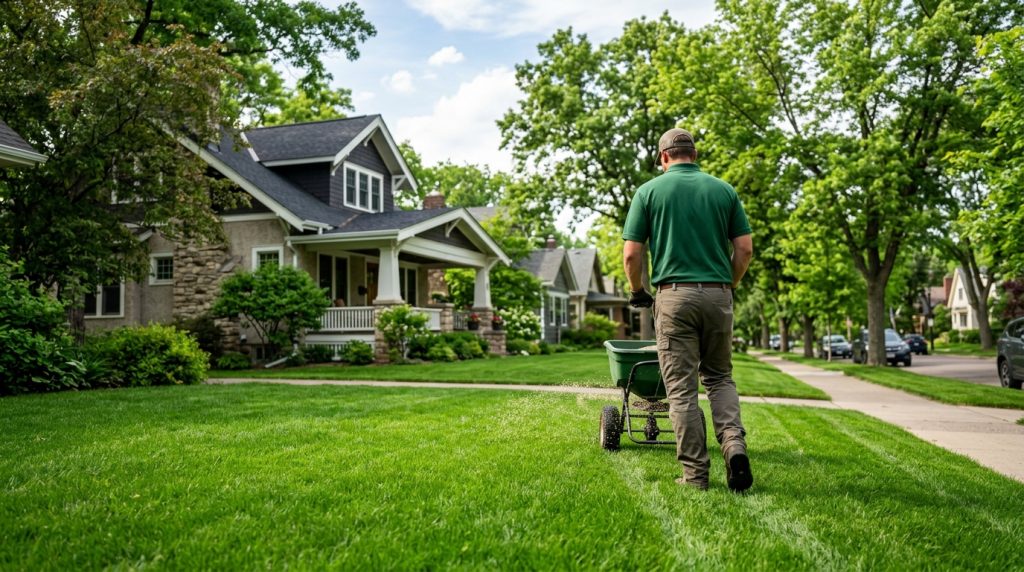
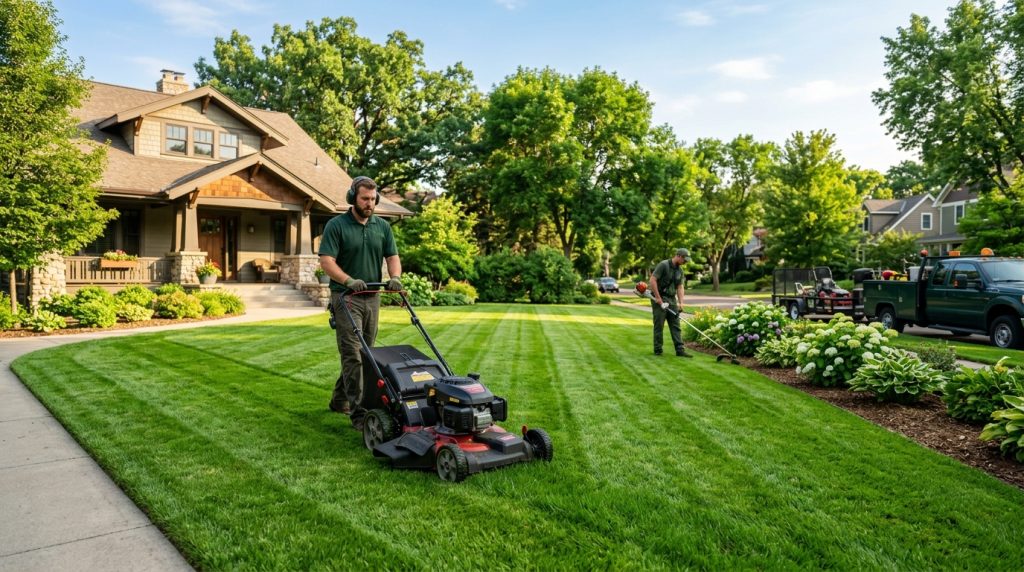
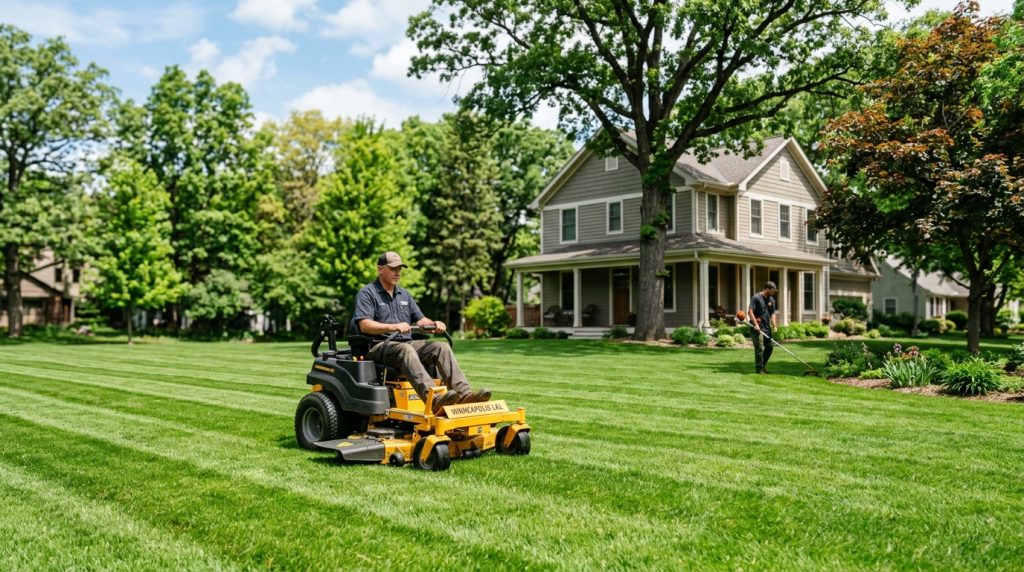
While many homeowners enjoy tackling leaf removal themselves, there are situations where hiring a professional lawn care services company is a wise investment. If you have a large property, a busy schedule, or physical limitations, professional leaf removal services can save you time and effort while ensuring that the job is done thoroughly and efficiently.
Consider hiring professionals if you’ve struggled with lawn diseases in the past, as they can identify potential problems early and implement preventative measures. Companies like Peter Doran Lawn and Landscaping provide comprehensive fall lawn care services, including leaf removal, fertilization, and aeration, to help your lawn thrive. They also understand local regulations regarding yard waste disposal.
DIY Tips for Effective Leaf Removal
If you prefer to tackle leaf removal yourself, there are several tips that can make the job easier and more efficient. Use a lightweight rake with flexible tines to avoid damaging the grass. Consider using a leaf blower to gather leaves into piles before raking them up. A lawn sweeper can also be a great tool for collecting leaves quickly and easily.
When disposing of leaves, consider composting them to create nutrient-rich soil for your garden. Alternatively, you can bag the leaves and dispose of them according to your city’s yard waste guidelines. Avoid burning leaves, as this can be harmful to the environment and may be prohibited in your area.
Maintaining Lawn Health Beyond Leaf Removal
Seasonal Lawn Care Practices
Leaf removal is just one piece of the puzzle when it comes to maintaining a healthy lawn in Minneapolis. A comprehensive seasonal lawn care program includes other important practices, such as aeration, fertilization, and weed control. Aeration helps to improve soil drainage and air circulation, while fertilization provides the nutrients your lawn needs to grow strong and healthy. Peter Doran Lawn and Landscaping can assess your lawn’s specific needs and recommend a customized care plan.
Fall is an excellent time of year to aerate and fertilize your lawn, as these practices help to prepare it for the winter months. Overseeding thin or bare spots in the fall can also help to create a thicker, more resilient lawn. Combining these practices with regular leaf removal will set your lawn up for success in the spring.
Monitoring Lawn Health After Leaf Removal
Even after removing leaves, it’s important to monitor your lawn for signs of fungus and other diseases. Look for discolored patches, thinning grass, or unusual growth patterns. If you notice any of these symptoms, it’s important to take action quickly to prevent the problem from spreading. Contacting a lawn care professional for diagnosis and treatment is often the best course of action.
Regular monitoring and prompt treatment can help to keep your lawn healthy and disease-free. Remember that a healthy lawn is a valuable asset that enhances the beauty and value of your property. Vigilance is key to maintaining a lush, green lawn.