Maintaining a vibrant, healthy lawn in the unique climate of Minneapolis presents a distinct set of challenges and rewards. Achieving a lush green space requires more than just occasional mowing; it demands a strategic approach tailored to the local environment. This article will guide you through the essential aspects of effective lawn care in Minneapolis, equipping you with the knowledge to cultivate a landscape that thrives.
What is Lawn care Minneapolis?
Lawn care in Minneapolis encompasses all the practices necessary to maintain the health, appearance, and vitality of turfgrass within the specific environmental conditions of the region. This goes beyond basic maintenance, integrating specialized techniques to address the challenges posed by Minnesota’s distinct seasons, soil types, and common pests.
The local climate, characterized by cold winters and warm, often humid summers, dictates a precise schedule for activities such as fertilization, weed control, and aeration. Understanding these seasonal demands is crucial for preventing common issues like winter kill, fungal diseases, and persistent broadleaf weeds. Effective lawn care ensures your turf remains resilient and aesthetically pleasing throughout the year.
Ultimately, proper lawn care in Minneapolis is about creating a sustainable ecosystem that supports healthy grass growth while minimizing environmental impact. It involves selecting appropriate grass varieties, implementing timely treatments, and adopting practices that enhance soil health. This comprehensive approach ensures long-term success for any residential or commercial property.
Key Benefits
Investing in consistent and informed lawn care offers a multitude of advantages that extend beyond mere aesthetics. A well-maintained lawn significantly enhances your property’s curb appeal, creating a welcoming first impression for visitors and potential buyers alike. This visual appeal contributes directly to increased property value, making your home or business more attractive in a competitive market.
Beyond visual appeal, a healthy lawn acts as a natural filter, improving air quality by trapping dust and pollutants, and producing oxygen. It also helps to prevent soil erosion, especially on sloped areas, by stabilizing the ground with its extensive root system. This ecological benefit contributes to a healthier local environment and reduces runoff into storm drains.
Furthermore, a dense, thriving lawn naturally suppresses weeds and deters pests, reducing the need for chemical interventions. Regular maintenance practices, such as proper mowing and fertilization, strengthen the grass, making it more resistant to disease and insect infestations. This proactive approach saves time and resources in the long run, ensuring a more resilient and enjoyable outdoor space.
How to Get Started
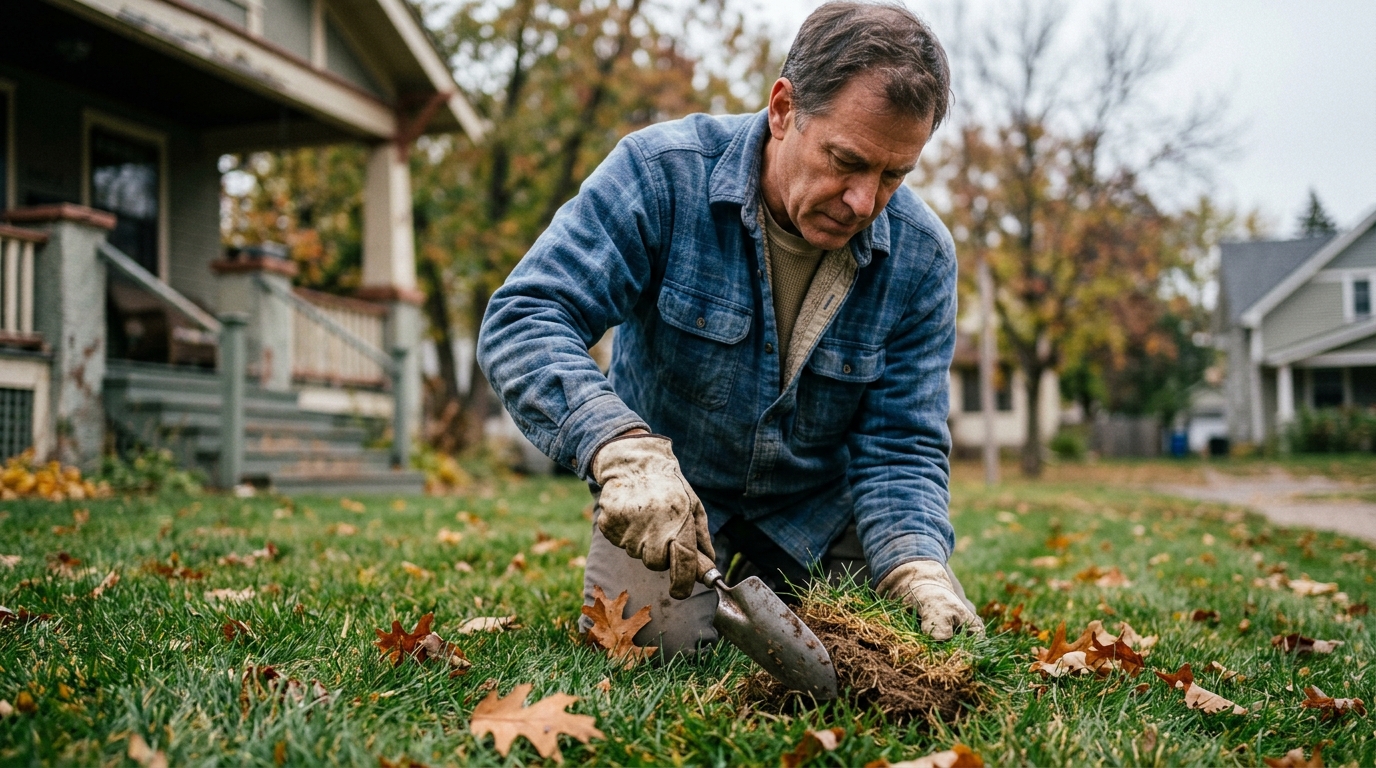
Embarking on a comprehensive lawn care regimen begins with a thorough assessment of your current turf and soil conditions. Understanding your soil’s pH, nutrient levels, and composition is fundamental to tailoring an effective treatment plan. A professional soil test provides invaluable data, guiding decisions on fertilization and amendments.
Once you have a clear picture of your lawn’s needs, the next step involves establishing a seasonal schedule for key maintenance activities. This typically includes early spring muck reducer applications, regular mowing at the correct height, targeted weed and pest control, and aeration in the fall. Consistency is paramount for achieving and maintaining optimal lawn health.
For those seeking expert guidance, engaging a professional lawn care company can streamline this process and ensure specialized attention. We, at Peter Doran Lawn, offer tailored services that address the unique challenges of the Minneapolis climate, from fertilization and weed control to aeration and overseeding. Our experienced team can develop a customized plan to transform your lawn.
Understanding Seasonal Requirements
The distinct seasons in Minneapolis necessitate a dynamic approach to lawn care. Spring is crucial for awakening the lawn from dormancy, requiring pre-emergent weed control and initial fertilization to promote vigorous growth. As summer progresses, focus shifts to consistent watering, pest management, and maintaining an appropriate mowing height to protect against heat stress.
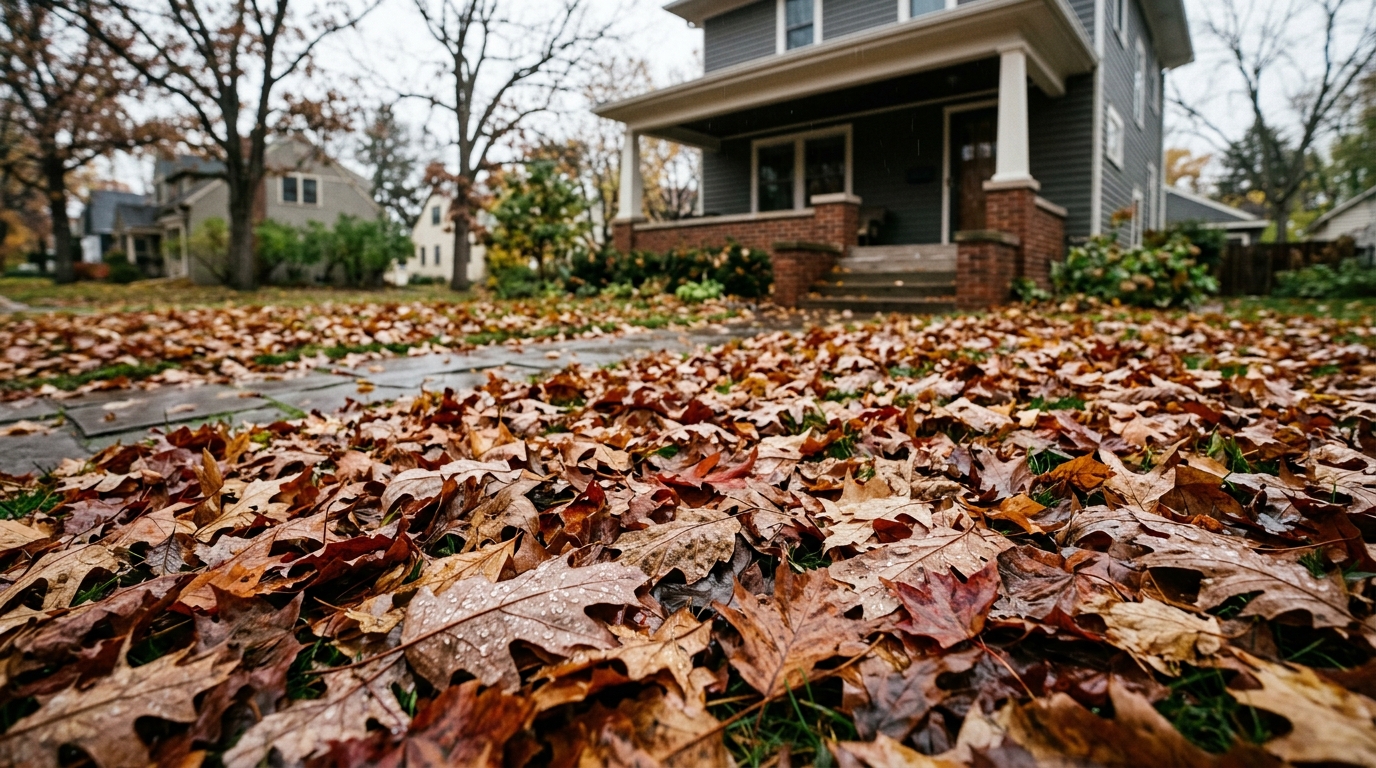
Autumn is equally vital, preparing the lawn for the harsh winter ahead through aeration, overseeding, and a final round of fertilization. This helps strengthen roots and ensures a quicker rebound in the following spring. Neglecting these seasonal transitions can lead to weakened turf, making it more susceptible to disease and environmental damage.
Essential Tools and Techniques
Effective lawn care relies on using the right tools and applying proven techniques. A sharp mower blade is essential for a clean cut, preventing frayed grass blades that can invite disease. Proper irrigation, whether through a sprinkler system or manual watering, ensures deep root penetration without over-saturating the soil.
Techniques like core aeration alleviate soil compaction, allowing water, nutrients, and air to reach the root zone more effectively. Overseeding after aeration introduces new grass varieties, improving density and resilience. These practices, when implemented correctly, significantly contribute to the long-term health and vibrancy of your lawn.
Common Mistakes to Avoid
Even with the best intentions, several common errors can undermine your efforts to achieve a healthy lawn. One prevalent mistake is improper mowing, which includes cutting the grass too short or using a dull blade. Scalping the lawn stresses the grass, making it vulnerable to disease and weed invasion, while dull blades tear the grass, leading to browning and increased susceptibility to pathogens.
Another frequent misstep is incorrect watering practices, particularly shallow and frequent irrigation. This encourages shallow root growth, making the turf less resilient to drought and heat stress. Instead, deep and infrequent watering promotes stronger, deeper root systems that can better withstand environmental challenges, especially during dry spells.
Over-fertilization or applying the wrong type of fertilizer at the wrong time can also cause significant damage. Excessive nitrogen can burn the grass, while an imbalance of nutrients can lead to weak growth or nutrient deficiencies. Understanding your soil’s specific needs through testing is crucial to avoid these pitfalls and ensure your lawn receives the precise nourishment it requires.
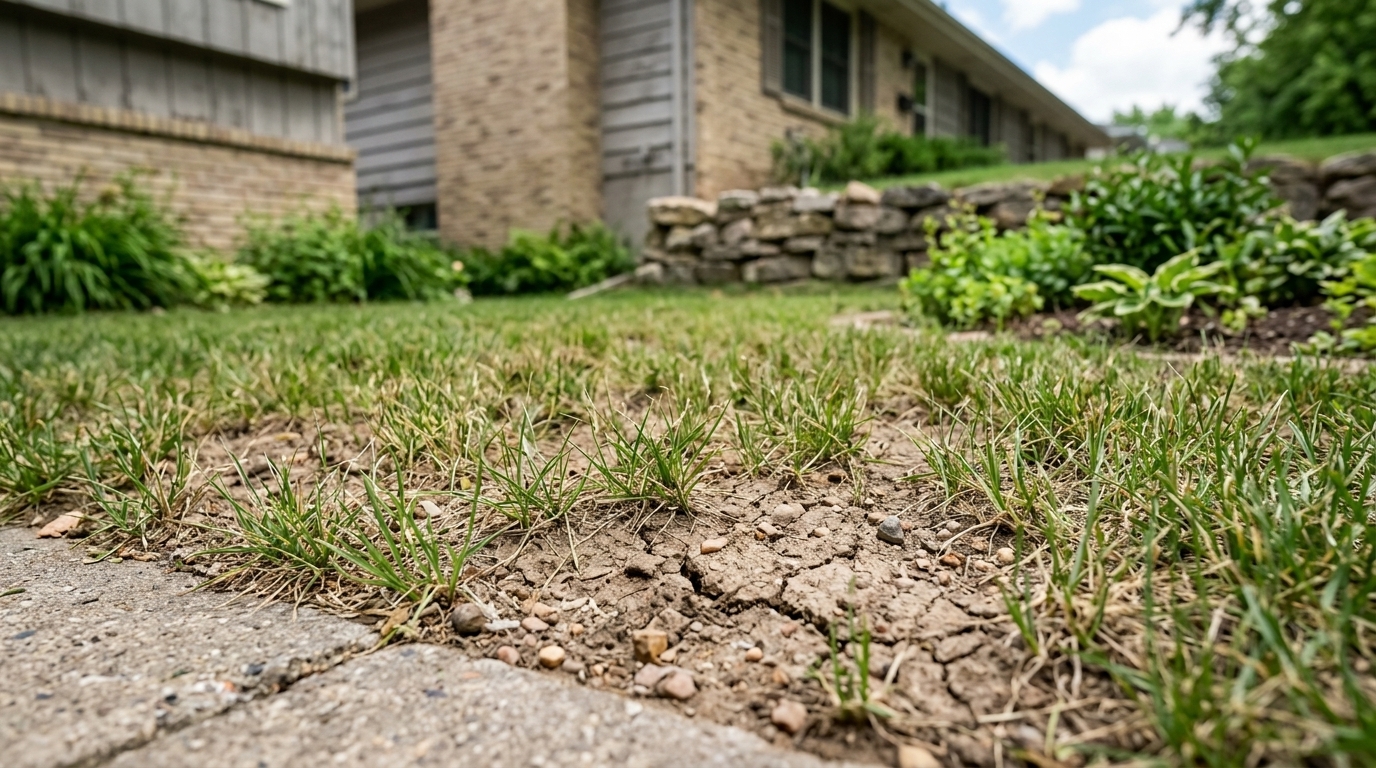
Ignoring soil compaction is another critical oversight, particularly in high-traffic areas. Compacted soil restricts the movement of air, water, and nutrients to the grass roots, hindering growth and overall health. Regular aeration is essential to alleviate this issue, allowing the soil to breathe and absorb vital elements more efficiently.
Frequently Asked Questions
What is lawn care Minneapolis?
Lawn care in Minneapolis refers to the specific practices and services designed to maintain the health and appearance of turfgrass within the Minneapolis metropolitan area. This includes addressing local climate challenges, soil conditions, and common pests unique to the region. It involves a tailored approach to ensure lawns thrive through all four distinct seasons.
How does lawn care Minneapolis work?
Effective lawn care in Minneapolis operates on a seasonal schedule, adapting treatments to the changing needs of the turf. This typically involves early spring applications for weed prevention and initial fertilization, summer maintenance for pest and disease control, and fall aeration and overseeding to prepare for winter. The process is guided by soil analysis and ongoing observation of lawn health.
What are the benefits?
The benefits of professional lawn care in Minneapolis are numerous, including enhanced curb appeal and increased property value. A healthy lawn also contributes to environmental well-being by improving air quality, preventing soil erosion, and reducing stormwater runoff. Furthermore, a well-maintained lawn is more resilient to pests and diseases, requiring fewer interventions over time.
How do I get started?
To get started with effective lawn care, begin with a professional soil test to understand your lawn’s specific nutrient needs and pH levels. Based on these results, develop a seasonal treatment plan that includes appropriate fertilization, weed control, and cultural practices like mowing and watering. For comprehensive support, consider consulting with a local lawn care professional who understands the Minneapolis climate.
What mistakes should I avoid?
When caring for your lawn, avoid common mistakes such as mowing too short, which stresses the grass and encourages weeds. Also, refrain from shallow, frequent watering; instead, water deeply and infrequently to promote strong root growth. Over-fertilization or applying the wrong type of fertilizer without a soil test can also harm your lawn, leading to nutrient imbalances or grass burn.
Mastering lawn care in Minneapolis requires a proactive and informed approach, tailored to the unique demands of the local climate. By understanding your soil, adhering to seasonal maintenance schedules, and avoiding common pitfalls, you can cultivate a resilient and beautiful lawn that enhances your property for years to come. The effort invested in proper care yields significant returns in both aesthetic appeal and environmental health.
Achieving a consistently healthy and vibrant lawn often necessitates the expertise and specialized equipment that only professional lawn care providers can offer. We bring decades of experience in navigating Minneapolis’s specific challenges, ensuring precise applications and timely interventions that maximize your lawn’s potential. Our dedicated team is committed to delivering dependable, quality service with excellence.