Imagine a lush, vibrant landscape, a serene oasis that you have painstakingly cultivated over the years. Now, picture that same space being marred by the relentless force of nature — soil eroding, plants uprooting, and your landscape gradually losing its charm.
Erosion is a silent thief of beauty, a natural process that, if left unchecked, can wreak havoc on your property. For environmentally conscious property owners, controlling erosion is not just about preserving aesthetics; it’s about protecting an investment and respecting the environment.
Enter retaining walls, a powerful ally in the fight against soil erosion. These structures offer more than just a solution; they provide a way to harmonize with nature while safeguarding your landscape.
Retaining walls are not merely barriers; they are strategically designed structures that hold back soil, prevent erosion, and enhance the visual appeal of your property. In this article, we will dive into the significance of erosion control, explore the role of retaining walls, and provide insights into their design, maintenance, and environmental benefits.
Understanding Erosion and Its Impact
Erosion is a natural process where soil, rock, and other surface materials are worn away and transported by natural forces like wind or water. While erosion is a necessary part of the earth’s ecosystem, it becomes problematic when it accelerates due to human activities or environmental changes.
On landscapes, especially those on slopes or with loose soil, erosion can lead to severe consequences, such as loss of fertile topsoil, landscape degradation, and increased sedimentation in nearby water bodies.
Uncontrolled erosion not only diminishes the aesthetic and financial value of a property but also poses significant environmental risks. It can lead to habitat loss for local flora and fauna, water pollution from sediment runoff, and increased vulnerability to flooding.
For environmentally conscious property owners, taking proactive measures to control erosion is crucial to maintaining the ecological balance and ensuring that landscapes are both sustainable and beautiful.
Implementing effective erosion control measures is essential for preserving the health and integrity of landscapes. By understanding the causes and impacts of erosion, property owners can make informed decisions about the best strategies to mitigate its effects. This is where retaining walls come into play, offering a practical and environmentally friendly solution to combat erosion.
Exploring Retaining Walls as an Erosion Control Solution
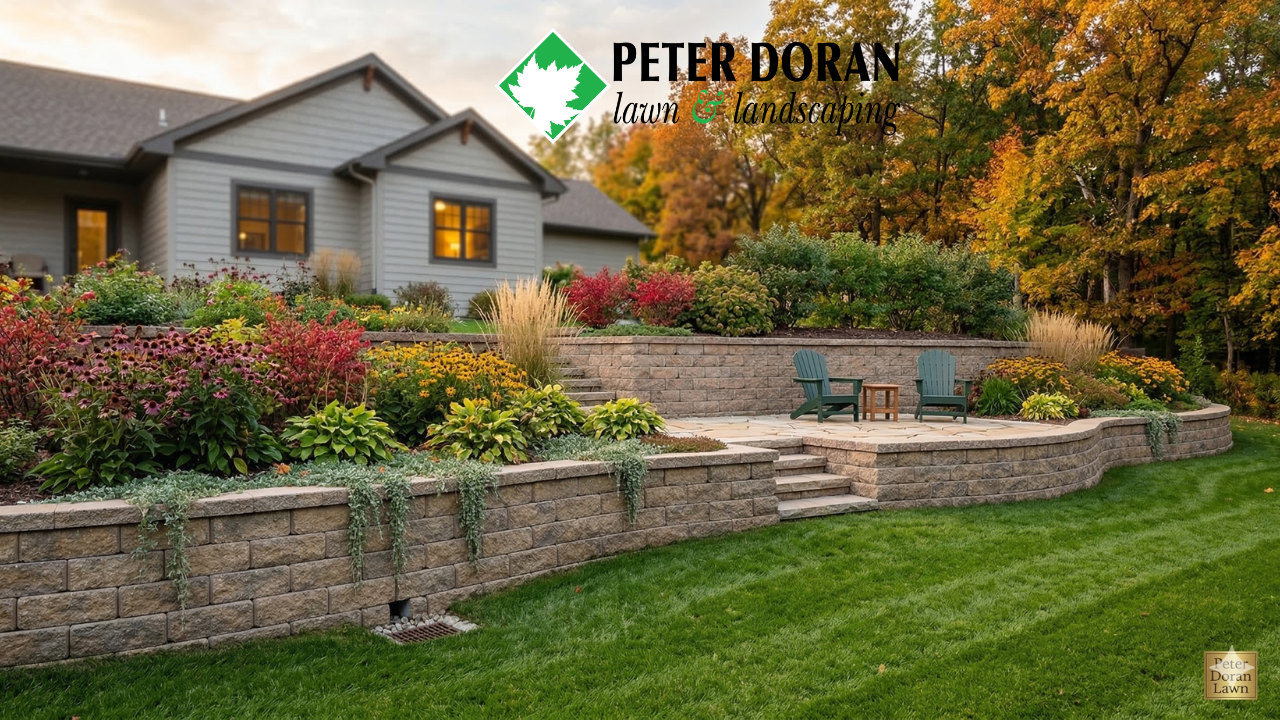
Retaining walls are engineered structures designed to hold back soil and prevent it from shifting or eroding. They are typically constructed on slopes or uneven terrain, where soil movement is most likely to occur. These walls serve as a barrier, stabilizing the ground and reducing the risk of erosion by controlling the flow of water and minimizing soil displacement.
The benefits of using retaining walls for erosion control are manifold. They not only provide structural support to prevent soil erosion but also enhance the landscape’s visual appeal by creating defined spaces and terracing steep slopes.
Retaining walls can be customized to suit different landscapes, offering flexibility in design and functionality. Moreover, they contribute to improved land use, allowing for the creation of usable spaces in areas that would otherwise be prone to erosion.
There are various types of retaining walls, each with its own suitability for different landscapes. Gravity walls, for instance, rely on their mass to hold back soil, making them ideal for small to medium-sized projects.
Reinforced walls, on the other hand, use reinforcements like steel bars or geogrid to increase their strength and are suitable for larger or more complex projects.
For the environmentally conscious, using sustainable materials such as recycled concrete or natural stone can reduce the ecological footprint of retaining wall construction.
Additionally, employing sustainable construction methods, such as using locally sourced materials and minimizing disturbance to the natural environment, aligns with eco-friendly landscaping practices.
Design and Placement Considerations for Retaining Walls
Designing a retaining wall involves more than just stacking stones or bricks. It requires careful consideration of several factors to ensure that the wall is both functional and aesthetically pleasing.
The height, length, and thickness of the wall, as well as the type of soil and slope of the terrain, all play a crucial role in the design process. Additionally, drainage must be considered to prevent water buildup behind the wall, which can lead to failure over time.
Proper placement of retaining walls is essential to maximize their effectiveness in controlling erosion. They should be strategically positioned to intercept runoff water and direct it away from vulnerable areas.
Placement also involves integrating the wall into the existing landscape, ensuring that it complements the natural contours and enhances the overall appearance. When done correctly, retaining walls can seamlessly blend into the environment, creating a harmonious balance between man-made structures and nature.
Incorporating landscaping elements with retaining walls can further enhance their appeal and functionality. Planting vegetation along the wall can help stabilize the soil, reduce water runoff, and add an extra layer of beauty to the landscape.
By choosing native or drought-resistant plants, property owners can contribute to biodiversity and create a sustainable ecosystem. The combination of hardscape and softscape elements not only provides effective erosion control but also creates an inviting outdoor space that reflects an environmentally conscious lifestyle.
Maintenance and Long-Term Management
Like any other structure, retaining walls require regular maintenance to ensure their longevity and effectiveness. Routine inspections can help identify any signs of damage or wear, such as cracks or bulging, which should be addressed promptly to prevent further issues. Cleaning the wall and removing debris, such as leaves or soil buildup, can also help maintain its appearance and functionality.
Preventing erosion and preserving the effectiveness of retaining walls involves adopting some simple yet effective practices. Installing proper drainage systems, such as weep holes or French drains, can help manage water flow and reduce pressure on the wall.
Additionally, maintaining healthy vegetation around the wall can help stabilize the soil and minimize erosion. Regularly checking and reinforcing the structure, especially after heavy rainfall or extreme weather conditions, is crucial to ensure its continued performance.
Investing in quality retaining walls for erosion control offers long-term benefits that extend beyond immediate landscape protection. A well-designed and properly maintained wall can increase property value, enhance curb appeal, and provide a safe and secure environment for years to come.
For those who wish to seek professional assistance, companies like Peter Doran Lawn can offer expert advice and services, ensuring that your landscape remains beautiful and well-protected against erosion.
Conclusion
In conclusion, retaining walls play an indispensable role in erosion control, offering a sustainable and aesthetically pleasing solution for environmentally conscious property owners.
By understanding the causes and impacts of erosion, exploring the benefits and types of retaining walls, and considering design and maintenance factors, property owners can effectively protect their landscapes and contribute to environmental preservation.