Spring Lawn Cleanup: 5 Steps to a Healthy Lawn
As the snow melts and the days get longer, homeowners in Minneapolis are eager to get their lawns back in shape. A comprehensive spring lawn cleanup is essential for removing winter debris, addressing damage, and setting the stage for a healthy, vibrant lawn throughout the growing season.
Neglecting this crucial step can lead to a host of problems, from snow mold and pest infestations to nutrient deficiencies and poor growth. This guide outlines five essential steps to ensure your lawn thrives after a long Minnesota winter.
Step 1: Removing Debris and Assessing Lawn Damage
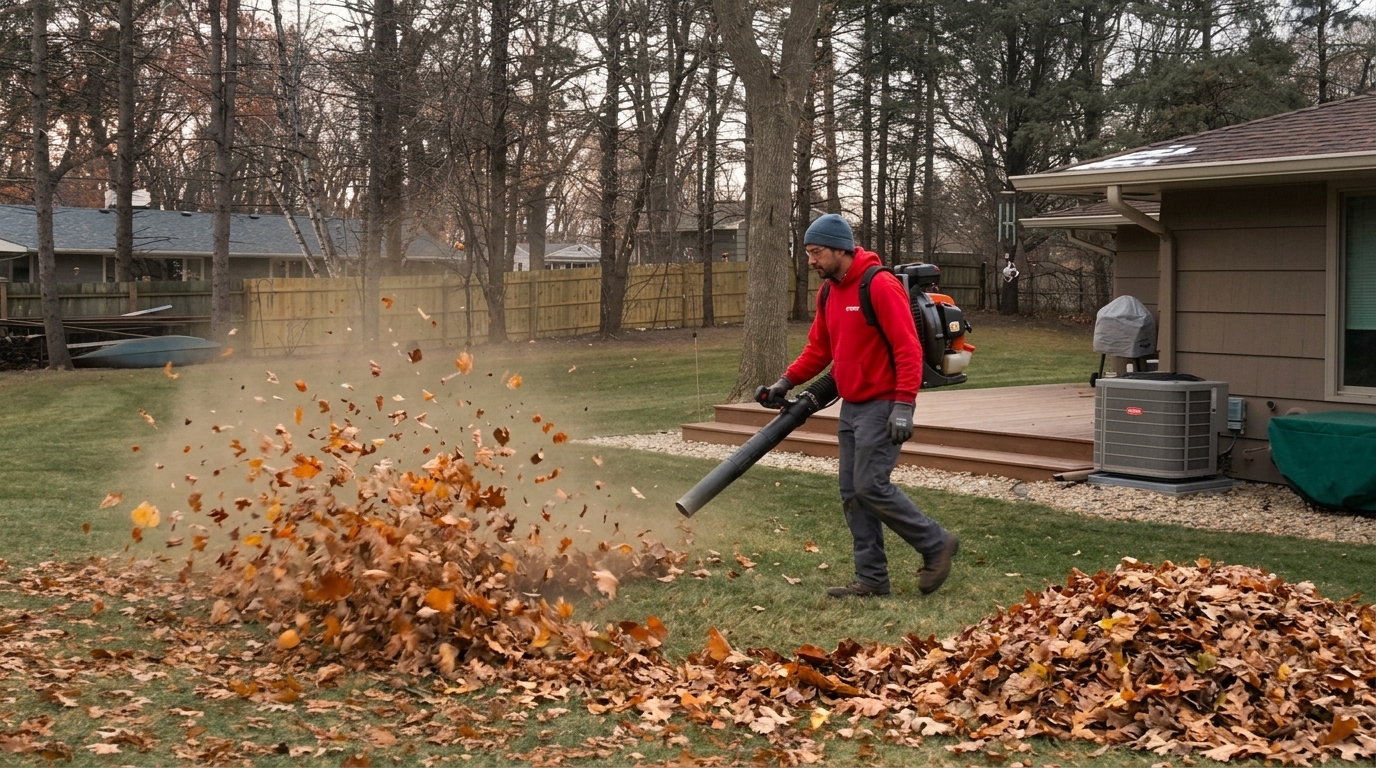
Minneapolis lawns often accumulate a variety of debris over the winter months. This includes fallen leaves, broken branches, dead grass, and even remnants of snow mold. Removing this debris is the first step in spring lawn cleanup, allowing sunlight and air to reach the grass and preventing the spread of disease.
Use a rake to gently remove leaves and branches, being careful not to damage the emerging grass shoots. For areas affected by snow mold, gently rake the affected areas to break up the crust and promote air circulation. Dispose of the debris properly, either by composting it or bagging it for collection.
Once the debris is cleared, assess your lawn for signs of winter damage. Look for vole tunnels, salt damage near sidewalks and driveways, and lingering patches of snow mold. Note any areas that appear thin, bare, or discolored, as these may require special attention later in the cleanup process.
Step 2: Dethatching and Aerating for a Healthier Lawn
Thatch is a layer of dead organic matter that accumulates between the grass blades and the soil surface. A thin layer of thatch can be beneficial, but excessive thatch can prevent water, air, and nutrients from reaching the soil, leading to a weakened and unhealthy lawn.
To determine if dethatching is necessary, perform the “screwdriver test.” Push a screwdriver into the lawn; if you meet significant resistance before reaching the soil, or if the thatch layer is more than half an inch thick, dethatching is recommended.
Choosing the Right Aeration Method
Aeration is the process of creating small holes in the soil to improve air circulation, water drainage, and nutrient absorption. This is particularly important for Minneapolis lawns, which often have heavy clay soils that can become compacted over time. Aerating in spring helps to alleviate compaction and allows the grass roots to grow deeper and stronger.
Core aeration, which involves removing small plugs of soil, is generally more effective than spike aeration, which simply pokes holes in the ground. When renting an aerator, be aware that many rental units are too light to effectively penetrate the dense clay soils common in the Minneapolis area. Ask the rental company about the weight and tine depth of the aerator to ensure it is suited to your needs.
The best time for april lawn care dethatching and aeration in Minneapolis is typically in the spring, after the ground has thawed and the grass has begun to actively grow. This allows the lawn to recover quickly from the dethatching and aeration process.
Step 3: Fertilizing and Weed Control for a Vibrant Lawn
After a long winter, your lawn’s nutrient reserves are likely depleted. Fertilizing in the spring provides the essential nutrients that grass needs to grow strong and healthy. The key nutrients for spring lawn growth are nitrogen, phosphorus, and potassium, often represented as N-P-K on fertilizer labels.
For Minneapolis lawns, a slow-release fertilizer is often the best choice, as it provides a steady supply of nutrients over a longer period. Organic fertilizers are also a good option, as they improve soil health and reduce the risk of burning the lawn. Apply fertilizer according to the manufacturer’s instructions, being careful not to over-fertilize, which can damage the grass.
Spring is also the time when many common weeds begin to emerge in Minneapolis lawns. These include dandelions, crabgrass, and plantain. Controlling weeds early in the season is essential for preventing them from spreading and competing with the grass for resources.
Pre-Emergent Herbicides
Pre-emergent herbicides are effective at preventing weed seeds from germinating. Apply a pre-emergent herbicide in the spring, before weed seeds begin to sprout. Follow the product label carefully, as improper application can harm your lawn. For existing weeds, a post-emergent herbicide can be used to kill them.
Consider professional lawn care services for optimal results. Peter Doran Lawn and Landscaping offers comprehensive fertilizer and weed control programs tailored to the specific needs of Minneapolis lawns.
Step 4: Overseeding or Reseeding Bare Spots
Winter damage, disease, or heavy foot traffic can leave bare spots in your lawn. Overseeding or reseeding these areas in the spring is essential for restoring a thick, uniform turf. Before overseeding or reseeding, prepare the bare spots by removing any dead grass or debris and loosening the soil with a rake.
Choose a grass seed that is well-suited to the Minneapolis climate. Kentucky bluegrass is a popular choice for its fine texture and ability to tolerate cold winters. Perennial ryegrass is another option, known for its quick germination and establishment. Spread the seed evenly over the prepared area, and lightly rake it into the soil.
Keep the seeded area moist until the grass seedlings emerge, typically within 7-14 days. Water frequently, but avoid overwatering, which can wash away the seeds. Once the seedlings are established, gradually reduce the watering frequency.
Step 5: First Mowing and Ongoing Lawn Maintenance
After completing the initial spring lawn cleanup, it’s time for the first mowing of the season. Wait until the grass has reached a height of about 3 inches before mowing. Set your mower blade to the highest setting to avoid cutting the grass too short, which can stress the lawn and make it more susceptible to weeds and disease.
As the growing season progresses, continue to mow regularly, removing no more than one-third of the grass blade at a time. Water deeply and infrequently, allowing the soil to dry out slightly between waterings. This encourages deep root growth and makes the lawn more drought-tolerant.
Regular lawn maintenance is crucial for keeping your lawn healthy and vibrant throughout the year. This includes fertilizing, weed control, aeration, and dethatching as needed. By following these steps, you can ensure that your Minneapolis lawn thrives for years to come.
Frequently Asked Questions
What specific challenges do Minneapolis lawns face during the winter?
Minneapolis lawns endure harsh winters with heavy snowfall, freezing temperatures, and fluctuating freeze-thaw cycles. These conditions can lead to snow mold, vole damage, salt damage from de-icing, and soil compaction, all of which can weaken the grass and make it more susceptible to disease and pests.
What are the best practices for removing snow mold from lawns?
Gently rake the affected areas to break up the crust and promote air circulation. Avoid over-fertilizing with nitrogen in the fall, as this can increase the risk of snow mold. Consider applying a fungicide in the fall if snow mold has been a recurring problem.
How does clay soil affect lawn aeration, and what are the best aeration techniques for clay soil?
Clay soil compacts easily, reducing air and water flow to the roots. Core aeration, which removes plugs of soil, is more effective than spike aeration for clay soil. Aerate when the soil is moist but not saturated, and consider multiple passes with the aerator to ensure adequate penetration.
What are the environmental considerations when choosing fertilizers and weed control products?
Choose slow-release or organic fertilizers to minimize the risk of nutrient runoff. Use herbicides sparingly and spot-treat weeds whenever possible. Consider using natural weed control methods, such as hand-pulling or vinegar-based herbicides. The University of Minnesota Extension offers valuable resources on sustainable lawn care practices.
How can homeowners prevent lawn damage from salt used for de-icing?
Use salt sparingly and choose calcium chloride or magnesium chloride, which are less harmful to plants than sodium chloride. Apply a gypsum-based soil amendment to help neutralize the salt in the soil. Create a physical barrier, such as burlap, to protect plants from salt spray.
What are the long-term benefits of proper spring lawn cleanup?
Proper spring lawn cleanup promotes a healthy, vibrant lawn that is more resistant to disease, pests, and drought. It also improves the overall appearance of your property and increases its value. A well-maintained lawn provides a beautiful and functional outdoor space for your family to enjoy.
What are the signs that a lawn needs professional attention after winter?
If your lawn has extensive damage, such as large bare spots, severe snow mold, or significant vole activity, it may be time to call a professional. Also, if you are unsure about the proper techniques for dethatching, aerating, or fertilizing, a professional lawn care service can ensure that the job is done correctly and safely.
A thorough spring lawn cleanup is the single most important step you can take to ensure a healthy and beautiful lawn throughout the growing season. By removing debris, addressing winter damage, and providing essential nutrients, you set the stage for strong growth and a vibrant green turf.
While these steps are straightforward, achieving optimal results often requires specialized knowledge and equipment. At Peter Doran Lawn & Landscaping, we have decades of experience caring for Minneapolis lawns, and our team can provide the expertise and resources needed to get your lawn off to a great start this spring.
Don’t let winter damage hold your lawn back. Contact us today to get a free quote and let our team help you achieve the lush, green lawn you’ve always wanted.