As the long Minnesota winter finally recedes, homeowners across the Twin Cities eagerly anticipate the vibrant greens of spring. However, the transition from snow-covered dormancy to lush growth presents unique challenges for lawns in Minneapolis. Winters here bring heavy snow, prolonged freezing temperatures, and subsequent thawing cycles, which can lead to issues like frost heave, lingering snow mold, and soil compaction. A thorough spring lawn cleanup in Minneapolis is not merely aesthetic; it is a critical foundation for the entire growing season, setting the stage for a healthy, resilient lawn that can withstand the summer heat and prepare for the next winter.
Ignoring these post-winter conditions can result in a season-long struggle with weak grass, persistent diseases, and increased weed pressure. A proactive and strategic approach to spring cleanup addresses these specific issues head-on, promoting robust root development and overall turf vigor. This guide will walk you through the essential steps and considerations for rejuvenating your Minneapolis lawn, ensuring it emerges from winter strong and beautiful.
The Impact of Minneapolis Winters on Your Lawn
The specific climate of Minneapolis, characterized by significant snowfall and deep freezes, profoundly affects lawn health. Unlike regions with milder winters, our lawns endure months under a blanket of snow, often followed by rapid thaws and refreezes. These conditions create a distinct set of challenges that must be addressed during the spring cleanup process.
One of the most common issues is snow mold, a fungal disease that thrives under snow cover, especially when the ground isn’t fully frozen. When the snow melts, it reveals matted, discolored patches of grass that can range from pinkish-gray to white. Another significant problem is soil compaction, caused by the weight of heavy snow and foot traffic on frozen ground.
Compacted soil restricts air, water, and nutrient movement to grass roots, hindering healthy growth. Furthermore, the freeze-thaw cycles can lead to frost heave, where the ground repeatedly expands and contracts, pushing grass roots out of the soil. This exposes roots to drying winds and fluctuating temperatures, weakening the turf. Addressing these specific winter-induced stresses is paramount for a successful spring lawn cleanup in Minneapolis, ensuring the lawn can recover and thrive.
Essential Steps for Spring Lawn Cleanup in Minneapolis
A comprehensive spring lawn cleanup involves several critical steps, each designed to counteract the effects of winter and prepare your turf for optimal growth. Timing is key in Minneapolis, as rushing these tasks before the ground has adequately thawed can do more harm than good.
The initial phase focuses on clearing debris and assessing the damage. Once the snow has fully melted and the ground is firm enough to walk on without leaving deep impressions, you can begin the more intensive work. This systematic approach ensures that every aspect of your lawn’s post-winter recovery is addressed effectively.
Debris Removal and Initial Assessment
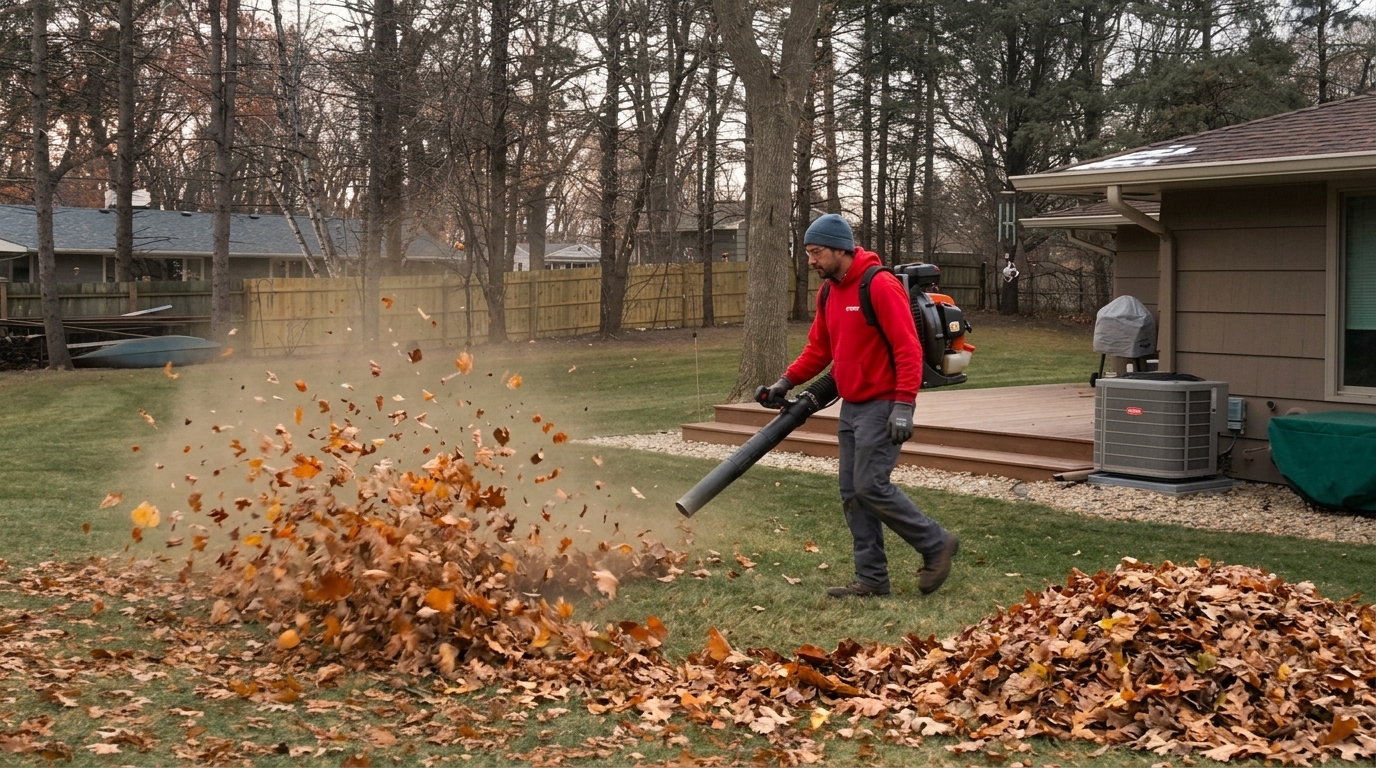
The first and most immediate task in any spring cleanup is the thorough removal of winter debris. This includes fallen branches, leaves that escaped the fall cleanup, and any litter that accumulated over the colder months. These materials can smother emerging grass, create ideal conditions for pests and diseases, and impede sunlight from reaching the turf.
As you clear the debris, take the opportunity to carefully inspect your lawn for signs of winter damage. Look for matted grass, which often indicates snow mold, and note any areas where the turf appears thin or dead. Identifying these problem spots early allows for targeted treatment and repair, preventing minor issues from escalating into larger problems.
Gentle Raking and Dethatching
Once the surface is clear, gentle raking is essential to lift matted grass blades and break up any lingering snow mold. Use a flexible leaf rake rather than a heavy garden rake to avoid tearing out healthy grass that is just beginning to emerge. This process helps aerate the surface, allowing air and sunlight to penetrate the turf more effectively.
Following initial raking, consider dethatching if your lawn has a thick layer of thatch, a build-up of dead grass stems and roots between the soil surface and the green blades. A thatch layer thicker than half an inch prevents water, nutrients, and air from reaching the soil, creating an ideal environment for pests and diseases. Dethatching removes this barrier, promoting healthier growth and improving the effectiveness of subsequent treatments.
Aeration for Soil Compaction Relief
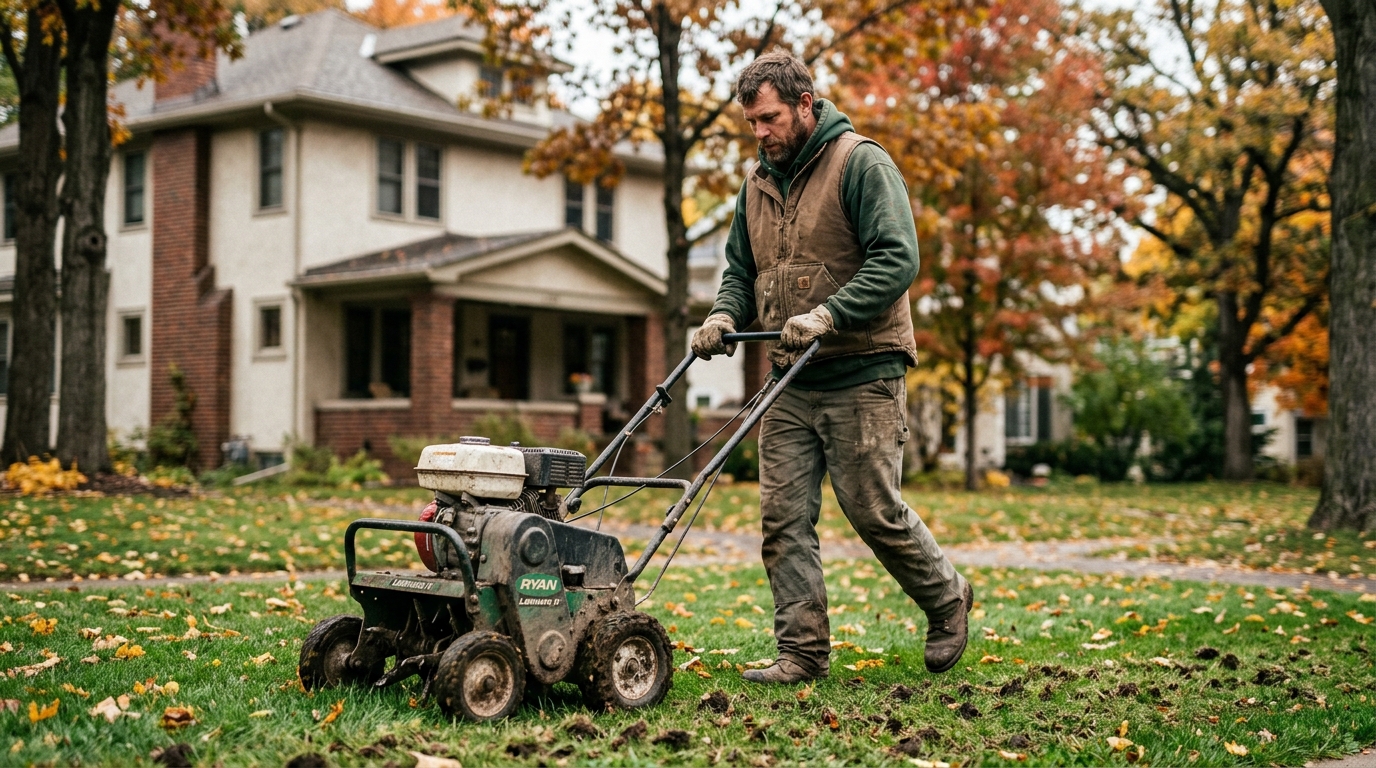
Soil compaction is a significant issue in Minneapolis due to heavy snow loads and clay-rich soils. Aeration, the process of creating small holes in the lawn to allow air, water, and nutrients to penetrate the soil, is crucial for relieving this compaction. Core aeration, which removes plugs of soil, is particularly effective as it physically breaks up the compacted layers.
Performing aeration in early spring, once the ground has thawed but before intense summer heat, allows grass roots to grow deeper and stronger. This improves drainage, reduces water runoff, and enhances the lawn’s ability to absorb essential nutrients. Aeration is a foundational step for long-term lawn health, especially in areas prone to heavy foot traffic or where the soil feels particularly dense.
Overseeding for Thicker Turf
After aeration, overseeding is an excellent practice to fill in bare spots, improve turf density, and introduce new, more resilient grass varieties. Spreading grass seed over existing turf helps thicken the lawn, making it more resistant to weeds, pests, and environmental stresses. Choose a high-quality grass seed blend appropriate for the Minneapolis climate, typically a mix of Kentucky Bluegrass and perennial ryegrass.
The holes created by aeration provide ideal pockets for new seeds to germinate and establish contact with the soil, significantly improving germination rates. Ensure consistent watering after overseeding to keep the soil moist, which is critical for successful seed establishment. This combination of aeration and overseeding is a powerful strategy for rejuvenating a tired lawn and achieving a lush, dense turf.
First Fertilization and Weed Control
The first fertilization of the season is vital for providing your lawn with the nutrients it needs to recover from winter and kickstart new growth. Use a slow-release, balanced fertilizer specifically formulated for spring application, which will provide a steady supply of nutrients over several weeks without causing excessive growth. Avoid applying fertilizer too early, as it can stimulate growth before the roots are ready, making the grass more susceptible to frost damage.
Simultaneously, consider applying a pre-emergent herbicide to prevent crabgrass and other annual weeds from germinating. This should be done before soil temperatures consistently reach 50-55 degrees Fahrenheit, which is when crabgrass seeds begin to sprout. Combining fertilization with pre-emergent weed control provides a dual benefit, feeding your lawn while actively suppressing weed competition.
Timing Your Spring Lawn Cleanup in Minneapolis
The precise timing of your spring lawn cleanup activities in Minneapolis is crucial for their effectiveness. Rushing the process can be counterproductive, while waiting too long can diminish the benefits. The key indicators are soil temperature and ground firmness, rather than a specific calendar date.
Generally, early to mid-April is the window when most Minneapolis lawns are ready for their initial cleanup. However, a late cold snap or an unusually warm early spring can shift this timeline. Always observe your lawn and local conditions to determine the optimal moment for each task.
When the Snow Melts and Ground Thaws
The absolute first step is to wait until all snow has completely melted and the ground has thawed sufficiently to be firm underfoot. Attempting to rake, dethatch, or aerate a soggy, waterlogged lawn can cause significant damage, compacting the soil further and tearing out healthy grass. Patience is a virtue in early spring lawn care.
Once the ground is firm, you can safely begin debris removal and gentle raking. This initial phase allows the lawn to dry out and breathe, preparing it for more intensive treatments. Monitor local weather forecasts to ensure no significant late-season snowfalls are expected, which could undo your early efforts.
Optimal Time for Dethatching and Aeration
The ideal time for dethatching and aeration in Minneapolis is typically from mid-April to early May, once the grass has started to green up but before the summer heat arrives. This allows the lawn to recover quickly from the stress of these processes. Dethatching should only be done when the grass is actively growing, as it helps the turf fill in any disturbed areas.
Similarly, aeration is most effective when the soil is moist but not saturated, allowing the aerator to penetrate deeply and extract clean plugs. Performing these tasks during this window maximizes their benefits for soil health and turf vigor, setting the stage for robust growth throughout the season.
Fertilization and Weed Control Timing
The first spring fertilization should occur when the grass shows clear signs of waking up and actively growing, usually in late April or early May. This timing ensures the nutrients are available when the plant needs them most for new leaf and root development. Applying fertilizer too early, before the grass is ready, can lead to nutrient runoff and wasted product.
Pre-emergent weed control for crabgrass must be applied before soil temperatures consistently reach 50-55 degrees Fahrenheit. In Minneapolis, this window typically falls in late April. Missing this narrow window means the crabgrass seeds will have already germinated, rendering the pre-emergent ineffective. It is crucial to monitor soil temperatures or consult local extension resources for precise timing.
DIY vs. Professional Spring Lawn Cleanup in Minneapolis
Homeowners often face a choice between tackling spring lawn cleanup themselves or hiring professional lawn care services. Both options have distinct advantages and disadvantages, and the best decision depends on factors such as time availability, equipment access, expertise, and budget.
While some basic tasks are manageable for most homeowners, the more specialized aspects of spring cleanup can benefit significantly from professional intervention. Understanding the scope of each approach helps in making an informed decision for your Minneapolis lawn.
The DIY Approach: Pros and Cons
The primary advantage of a DIY spring lawn cleanup is cost savings, as you avoid labor fees and only pay for materials and potentially equipment rentals. It also offers the satisfaction of hands-on work and direct control over every step. For homeowners with smaller lawns, a strong back, and a good understanding of lawn care principles, DIY can be a viable option.
However, the DIY approach demands significant time and effort, especially for larger properties. Specialized equipment like dethatchers and core aerators can be expensive to purchase or rent, and their proper operation requires some skill. Mistakes in timing, product application, or technique can lead to suboptimal results or even damage to the lawn, potentially costing more in the long run to correct.
Benefits of Professional Spring Lawn Cleanup Services
Hiring a professional service for your spring lawn cleanup offers numerous benefits, particularly for homeowners in Minneapolis dealing with the unique challenges of our climate. Professionals bring specialized equipment, extensive knowledge of local turf types and soil conditions, and the expertise to execute tasks efficiently and effectively. They understand the precise timing for each treatment, from dethatching to pre-emergent application, ensuring optimal results.
Professional teams can quickly and thoroughly remove debris, perform deep core aeration, and apply the correct type and amount of fertilizer and weed control products. This saves homeowners valuable time and eliminates the need to purchase, maintain, or rent expensive equipment. Furthermore, experienced technicians can accurately diagnose and treat specific lawn issues like persistent snow mold or pest infestations, providing tailored solutions that go beyond general cleanup.
For those seeking comprehensive lawn care services in Brooklyn Park or other surrounding areas, professional companies offer a full spectrum of treatments. They ensure that your lawn receives consistent, high-quality care throughout the season, not just during the initial spring cleanup. This consistent attention helps build a stronger, healthier lawn that is more resilient to environmental stressors.
Why Minneapolis Homeowners Trust Peter Doran for Spring Lawn Care
Choosing the right partner for your spring lawn cleanup in Minneapolis is a critical decision that impacts your lawn’s health and appearance for the entire year. Peter Doran Lawn has been a trusted name in residential and commercial lawn maintenance and landscaping since 1993, building a reputation for dependable quality service.
Our approach is rooted in deep experience with the specific challenges of the Minneapolis climate and soil. We understand the nuances of post-winter recovery, from addressing severe snow mold to relieving compaction in heavy clay soils. Our team comprises experienced lawn maintenance crews and licensed fertilizer and weed control technicians, ensuring that every aspect of your spring cleanup is handled with precision and expertise.
Customers consistently praise Peter Doran for our meticulous work and commitment to excellence. Reviews often highlight our “fine job” on spring and fall clean-ups, noting that the work is “neat and clean.” We utilize only the best products available on the market and stand by our workmanship 100%, guaranteeing a long-lasting, vibrant appearance for your lawn. Our goal is to provide dependable, quality service with excellence in a timely manner, allowing you to enjoy a beautiful, healthy lawn without the hassle.
FAQs About Spring Lawn Cleanup in Minneapolis
When is the earliest I can start spring cleanup in Minneapolis?
The earliest you should begin your spring cleanup in Minneapolis is typically when all snow has completely melted and the ground has firmed up enough that you can walk on it without sinking or leaving deep footprints. This usually occurs in late March to early April, but it can vary significantly depending on the specific winter and spring weather patterns. Starting too early on soggy ground can cause more damage than good, leading to soil compaction and tearing up delicate new growth.
What are the signs my lawn needs dethatching?
You can determine if your lawn needs dethatching by inspecting the layer of organic material between the green grass blades and the soil surface. If this layer, known as thatch, is thicker than half an inch, it’s time to dethatch. Excessive thatch can feel spongy when you walk on it, and it prevents water, nutrients, and air from reaching the grass roots, making your lawn more susceptible to disease and insect infestations. Dethatching is a crucial step for improving overall lawn health and nutrient absorption.
Can I fertilize my lawn and apply weed control at the same time?
Yes, you can often apply a spring fertilizer and a pre-emergent weed control product at the same time, as many products are formulated as “weed and feed” combinations. However, it’s crucial to ensure the product is specifically designed for simultaneous application and that the timing is correct for both tasks. Pre-emergent herbicides need to be applied before soil temperatures consistently reach 50-55 degrees Fahrenheit to prevent weed seeds like crabgrass from germinating, while fertilizer is best applied when the grass is actively growing. Always read product labels carefully for specific instructions and recommended application windows.
What is snow mold and how do I treat it?
Snow mold is a fungal disease that appears as matted, circular patches of discolored grass (white, gray, or pinkish) after snow melts. It thrives under prolonged snow cover, especially when the ground isn’t completely frozen. To treat it, gently rake the affected areas to break up the matted grass and allow it to dry out, which often helps the lawn recover naturally. For severe cases, or to prevent future outbreaks, proper fall cleanup to remove leaves and reduce thatch, along with avoiding excessive late-season fertilization, can be effective preventative measures.
A successful spring lawn cleanup in Minneapolis is more than just tidying up; it’s a strategic investment in the long-term health and beauty of your landscape. By understanding the unique challenges posed by our climate and implementing the right steps at the right time, you can transform a winter-weary yard into a vibrant, resilient lawn. From debris removal and dethatching to aeration and precise fertilization, each action plays a vital role in preparing your turf for the growing season ahead.
While the DIY approach offers control, the complexities of Minneapolis’s climate often benefit from the precision and expertise that only professional lawn care providers can offer. Our team brings decades of experience, specialized equipment, and a deep understanding of local conditions to ensure your lawn receives the optimal care it needs to thrive. We pride ourselves on delivering dependable, quality service that not only meets but exceeds expectations, allowing you to enjoy a truly beautiful outdoor space.
Ready to give your lawn the best possible start this spring? Contact us today to schedule your professional spring lawn cleanup and experience the Peter Doran difference.