The vibrant colors of fall in Minneapolis are breathtaking, but as those leaves begin to fall, a critical task awaits every homeowner: leaf removal. It’s easy to put it off, especially as the days get shorter and colder, but neglecting this chore can lead to serious problems for your lawn come springtime.
Many homeowners wonder if raking leaves is really necessary, or if they can just wait until all the leaves have fallen. The truth is, timing is everything. By focusing on mid-October for your primary leaf removal, you’re setting the stage for a healthy, vibrant lawn next year. Proper timing prevents lawn diseases, pest issues, and ensures your grass gets the sunlight and air it needs to thrive.
Understanding the Importance of Leaf Removal Timing
The Role of Mid-October in Seasonal Lawn Care
Mid-October is a sweet spot in Minneapolis lawn care. The bulk of the leaves have usually fallen, but the ground hasn’t frozen yet. This allows you to clear your lawn before the leaves become a soggy, matted mess that’s much harder to deal with.
Fallen leaves left on your lawn act like a blanket, trapping moisture and blocking sunlight. This creates a perfect environment for mold and mildew to grow, suffocating your grass. By removing the leaves in mid-October, you’re giving your lawn a chance to breathe and prepare for the winter months.
Consequences of Delayed Leaf Removal
Delaying leaf removal can lead to a host of problems that will plague your lawn come spring. Lawn diseases like snow mold thrive in damp, dark environments created by decaying leaves. Insect infestations are also more likely, as pests like to overwinter in the sheltered environment beneath the leaf layer. And let’s not forget the aesthetic impact: a lawn covered in decaying leaves is simply unattractive.
According to a study by the University of Minnesota Extension, lawns that are not cleared of leaves in the fall are significantly more likely to develop snow mold in the spring. Furthermore, the lack of sunlight and airflow can weaken the grass, making it more susceptible to weed infestations.
Don’t underestimate the importance of a clean lawn. A well-maintained lawn not only looks better but is also healthier and more resistant to problems.
The Benefits of Leaf Removal for Spring Success
Promoting Healthy Grass Growth
A clean lawn encourages stronger grass roots and overall health. When you remove the leaves, you’re allowing sunlight to reach the grass, which is crucial for photosynthesis. This process enables the grass to produce energy and store it in its roots, making it more resilient to winter stress. Furthermore, removing leaves improves air circulation around the grass blades, reducing the risk of fungal diseases.
Think of your lawn as a living organism that needs to breathe. A layer of leaves prevents proper air circulation, which can lead to the buildup of harmful gases and the depletion of essential nutrients in the soil.
By removing the leaves, you’re creating a healthier environment for the grass to thrive. This results in stronger, healthier grass that is better able to withstand the harsh winter conditions and emerge vibrant in the spring. You might also consider leaving some grass clippings on the lawn to act as a natural fertilizer as they decompose.
Enhancing Lawn Aesthetics
A well-maintained lawn in the fall translates to a more visually appealing landscape in the spring. Imagine emerging from winter to a lawn that is already green and healthy, rather than one that is patchy and diseased. Regular leaf removal is a key step in achieving this. Maintaining curb appeal during the fall season doesn’t have to be a chore. By tackling leaf removal in mid-October, you’re ensuring that your lawn remains an asset to your property, even as the weather cools down.
To maintain curb appeal, focus on keeping your lawn free of debris and maintaining a neat appearance. This includes removing not only leaves but also any fallen branches or other yard waste. Consider adding some fall-themed decorations, such as pumpkins or mums, to enhance the visual appeal of your property. A little effort in the fall can go a long way in creating a welcoming and attractive landscape.
DIY vs. Professional Leaf Removal Services
Pros and Cons of DIY Leaf Removal
Tackling leaf removal yourself offers several benefits. It can save you money, provides a good workout, and allows you to have complete control over the process. You can choose the methods and tools that you prefer and ensure that the job is done to your satisfaction.
However, DIY leaf removal also has its challenges. It can be time-consuming, especially if you have a large property. It also requires some knowledge of proper techniques to avoid damaging your lawn.
One of the biggest challenges of DIY leaf removal is the time commitment. Raking leaves can be a physically demanding task, and it can take several hours to complete, depending on the size of your lawn and the number of trees you have.
Additionally, improper techniques, such as raking too aggressively, can damage the grass and soil. It’s important to use the right tools and techniques to ensure that you’re removing the leaves effectively without harming your lawn.
When to Consider Hiring Professionals
There are several scenarios where hiring a professional leaf removal service might be more beneficial. If you have a large property, physical limitations, or simply don’t have the time to do it yourself, a professional service can be a lifesaver. These services have the equipment and expertise to remove leaves quickly and efficiently, without damaging your lawn.
When choosing a leaf removal service, consider factors such as their experience, equipment, and pricing. Look for a company that has a good reputation and offers a comprehensive range of services, including leaf removal, hauling, and disposal.
Be sure to ask about their methods for leaf removal and disposal to ensure that they are environmentally friendly. Many companies now offer mulching services, which can be a great way to recycle the leaves and return nutrients to your lawn.
Also, keep in mind that according to state law, plastic bags are not allowed for yard waste drop, so compostable bags are an important tool for any lawn care service to have.
Best Practices for Leaf Removal in Minneapolis
Tools and Techniques for Optimal Results
For effective leaf removal, you’ll need the right tools. A good rake is essential, and leaf blowers can be helpful for gathering leaves into piles. Mulching mowers can also be used to chop up the leaves and return them to the soil as fertilizer. To ensure thorough removal without damaging the lawn, use a light touch and avoid raking too aggressively.
When using a rake, choose one that is lightweight and has flexible tines. This will allow you to gather the leaves without damaging the grass. When using a leaf blower, start at the edges of your lawn and work your way inward, blowing the leaves into piles.
A mulching mower can be used to chop up the leaves into small pieces, which will decompose quickly and add nutrients to the soil. However, it’s important to remove any large branches or debris before mulching to avoid damaging the mower.
Timing Your Leaf Removal
Aim to start your leaf removal in mid-October and finish by the end of the month. Keep an eye on the weather forecast and try to avoid removing leaves when the ground is wet or frozen. Early frosts and rain can make the leaves heavy and difficult to handle. Remember that public works brush drop sites often have restrictions, such as only accepting branches that are a certain amount of inches in diameter, or bundles that weigh less than 40 pounds.
Weather considerations are crucial when planning your leaf removal. Wet leaves are heavier and more difficult to rake or blow. Frozen leaves can be brittle and break apart, making them even harder to gather. If possible, wait for a dry day with little wind to tackle your leaf removal. This will make the job much easier and more efficient.
Preparing for Spring After Leaf Removal
Lawn Care Tips Post-Removal
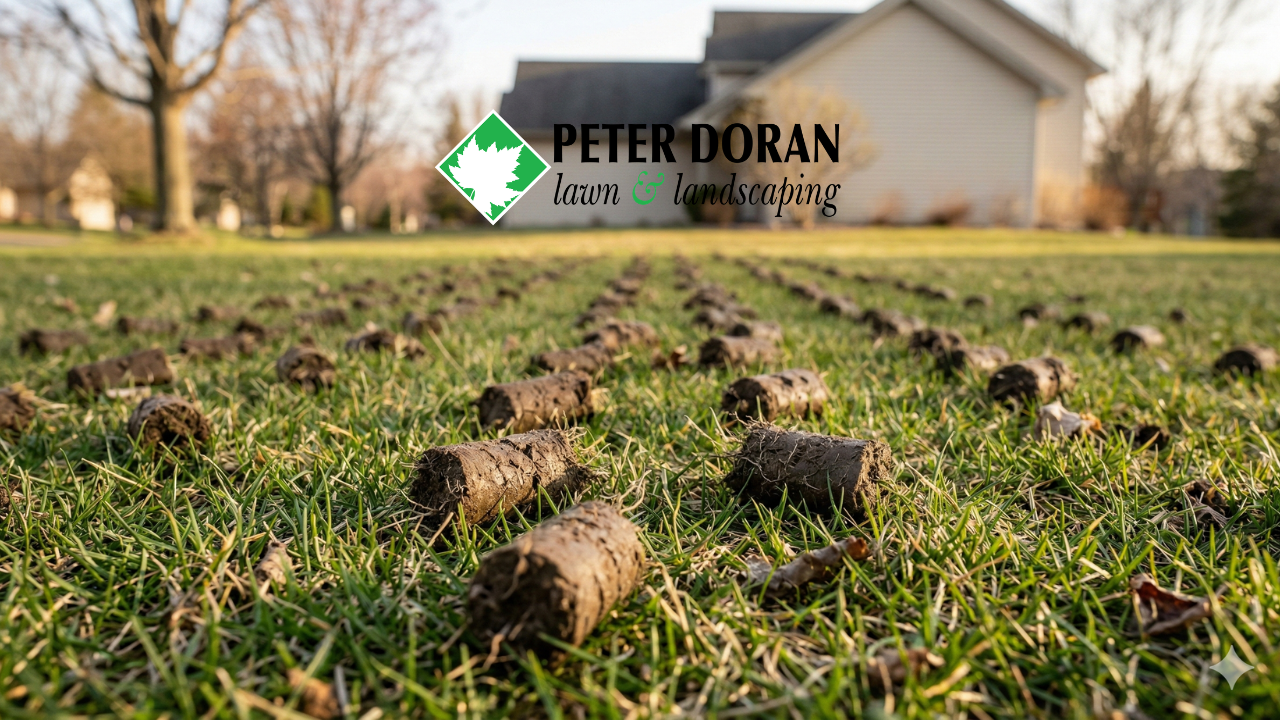
After removing the leaves, consider additional fall lawn care tasks to further prepare for spring. Aeration can help improve soil drainage and allow nutrients to reach the grass roots. Fertilization can provide the grass with the nutrients it needs to survive the winter. Soil health is paramount, so consider pH testing at this time.
Aeration involves creating small holes in the soil to improve air circulation and drainage. This allows the grass roots to access more oxygen and nutrients, which promotes healthy growth. Fertilization provides the grass with the nutrients it needs to store energy for the winter. Choose a fertilizer that is specifically designed for fall use and apply it according to the manufacturer’s instructions.
Planning for the Coming Seasons
Create a seasonal lawn care calendar to stay on track with your lawn care tasks. This will help you remember to perform essential tasks such as fertilizing, aerating, and weed control at the right time of year.
A seasonal lawn care calendar should include tasks such as fertilizing, aerating, weed control, and overseeding. Be sure to adjust the timing of these tasks based on your local climate and the specific needs of your lawn.
How to Move Forward with Leaf Removal
Mid-October leaf removal is a crucial step in setting your Minneapolis lawn up for spring success. By removing the leaves in a timely manner, you’re preventing lawn diseases, pest issues, and ensuring that your grass gets the sunlight and air it needs to thrive.
Remember, a little effort in the fall can go a long way in creating a healthy, vibrant lawn that you can enjoy for years to come. Start planning your leaf removal strategy today, or request a free leaf removal estimate today. Your lawn will thank you for it come springtime!