Imagine stepping outside in mid-July, coffee in hand, and surveying your Minneapolis yard, only to find it has transformed from a lush green oasis into a patchy brown disappointment. It’s a scene all too familiar for many homeowners in our area, where the summer sun can be relentless. The frustration of seeing your once-vibrant lawn succumb to the summer heat can be disheartening.
But don’t lose hope! Achieving a healthy, vibrant lawn throughout the summer is possible with the right summer lawn care strategies. In this article, we’ll explore why lawns in Minneapolis often brown out by July and, more importantly, what you can do to keep your grass looking its best. With a little know-how and some practical tips, your yard can thrive even in the heat of summer.
Understanding the Causes of Lawn Brownouts
The Climate Factor
Minneapolis summers are typically characterized by a mix of heat and humidity. The intense summer heat can easily stress your lawn, especially if it’s paired with periods of drought. When temperatures soar, grass can struggle to maintain its health and vitality. Conditions like these can lead to brown patches as grass enters survival mode, prioritizing root growth over leaf development.
Moreover, extreme weather patterns, such as sudden heavy rain followed by prolonged dry spells, can further complicate matters. Lawns may experience a cycle of growth and stress, leading to unsightly brownouts. As a lawn care professional, I recommend staying tuned into the weather patterns and adjusting your care routine accordingly to combat these challenges.
Grass Type Vulnerabilities
In Minneapolis, many homeowners opt for cool-season grasses like Kentucky bluegrass and fescue. While these types of grass flourish in the cooler temperatures of spring and fall, they can struggle during the heat of summer. Kentucky bluegrass, for example, tends to go dormant in extreme heat, leading to brown patches rather than the lush green appearance we all desire.
Understanding the grass type in your yard is crucial for effective summer lawn care. If your yard consists of warm-season grasses, these may handle the summer heat better but still require diligent care. Knowing how your specific grass responds to heat and drought will assist you in implementing the right strategies to keep it healthy.
Soil Health Issues
The health of your lawn is largely determined by the soil composition. Compacted soil can be a significant issue, restricting water retention and nutrient availability. When soil becomes compacted, grass roots struggle to grow deep, making them more susceptible to heat stress and drought conditions.
To combat this, consider assessing your soil health. A simple soil test can reveal a lot about its composition and nutrient levels. If you find that your soil is compacted, aeration can alleviate this issue, allowing for better water and nutrient absorption. Remember, healthy soil is the foundation of a vibrant lawn.
The Importance of Proper Watering Techniques
Timing is Everything
Watering your lawn effectively during the summer months is critical. The best time to water is early in the morning, typically between 5 AM and 10 AM. At this time, temperatures are cooler, and there’s less evaporation, allowing your grass to absorb water more efficiently. Watering late in the day can leave your grass damp overnight, promoting diseases.
In the Minneapolis area, where water restrictions may come into play during extreme heat, it’s essential to be strategic about watering. Consistently watering early in the morning can help conserve water while ensuring your lawn gets the hydration it needs.
How Much to Water
How much water does your lawn really need? Generally, lawns require about 1 to 1.5 inches of water per week, including rainfall. A rain gauge can help you measure how much water your lawn receives, so you can adjust your watering schedule accordingly. Remember to water deeply and infrequently–this encourages deeper roots, helping your lawn withstand summer heat and drought better.
Lawn Fertilization Strategies for Summer
Types of Fertilizers
When it comes to summer fertilization, choosing the right type of fertilizer is crucial. Slow-release fertilizers are often recommended for summer application, as they provide a steady supply of nutrients over time without the risk of burning your grass. Conversely, quick-release fertilizers can offer a quick nutrient boost but may also lead to excessive growth that can stress your lawn.
Choosing the appropriate fertilizer for cool-season grass is essential for maintaining lawn health. I often recommend a balanced fertilizer with a higher nitrogen content during the early summer months to promote lush, green growth. This can help counteract the browning effects of the summer heat.
How to Apply Fertilizers
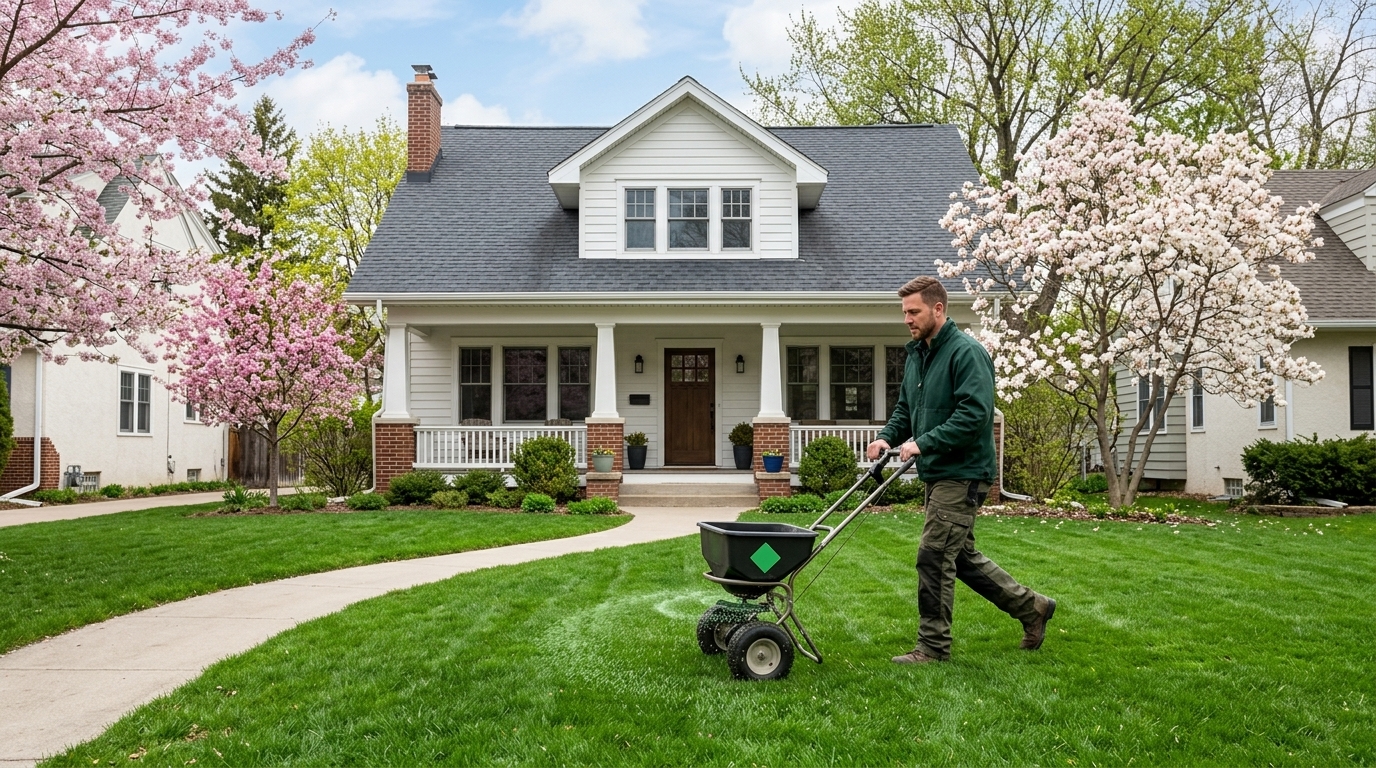
When applying fertilizers, timing is just as important as the type you choose. Fertilizing during the early morning or late afternoon can help prevent burning caused by the sun’s intensity. Spread the fertilizer evenly across your lawn using a broadcast spreader for the best results.
Make sure to follow the manufacturer’s instructions for application rates to avoid over-fertilization, which can be detrimental to grass health. A well-fed lawn will be better equipped to handle the stress of summer.
Lawn Maintenance Practices for a Healthy Yard
Mowing Techniques
Proper mowing techniques play a significant role in maintaining a healthy lawn. For cool-season grasses, it’s best to mow high–keeping the blades at a height of 3 to 4 inches. This encourages deeper roots and helps the grass retain moisture. Mowing too low can expose the soil, leading to increased evaporation and browning.
Additionally, leaving grass clippings on the lawn can provide natural nutrients as they decompose. Sharpening your mower blades regularly ensures a clean cut, reducing stress on the grass and preventing dull blades that can lead to browning.
Aeration and Overseeding
Aeration is another vital practice that can relieve soil compaction and improve water absorption. It involves creating small holes in the soil to allow air, water, and nutrients to penetrate deeper, promoting healthier root growth.
Consider overseeding your lawn in late summer to prepare for fall. This not only fills in bare patches but also introduces new grasses that can better tolerate the upcoming cooler weather. This practice helps create a thicker lawn that is more resilient against heat and drought.
When to Call in the Professionals
Signs You Need Help
Even with the best summer lawn care practices, sometimes lawns need professional intervention. Persistent browning, poor growth, or a sudden influx of weeds can indicate underlying issues that require expert attention.
Calling in a turf specialist can offer you insights into specific problems affecting your lawn’s health. They can provide tailored solutions that will make a significant difference in your lawn’s appearance and vitality.
Choosing the Right Lawn Care Service
Selecting a reputable lawn care service in the Minneapolis-St. Paul area can feel overwhelming. Look for companies that offer comprehensive assessments of your lawn’s health and employ environmentally friendly practices. Customers often rave about Peter Doran Lawn and Landscaping for their knowledgeable staff and commitment to sustainable lawn care practices.
When choosing a service, inquire about their specific offerings, including aeration, overseeding, and fertilization strategies that can help combat summer brownouts. A knowledgeable provider can help restore your lawn to its former glory and keep it healthy all summer long.
What This Means for Your Property
By understanding the causes of lawn brownouts and implementing effective summer lawn care strategies, you can maintain a healthy, vibrant yard. Assess your lawn’s needs, adjust your watering and fertilization practices, and consider professional help when necessary.
With the right care, your Minneapolis lawn can remain lush and green, defying the summer heat. If you’re unsure where to start or need a personalized lawn care plan, don’t hesitate to reach out to local experts like Peter Doran Lawn and Landscaping. Together, we can ensure your yard thrives all summer long.