Minneapolis Grass Seed: Choosing the Right Type
Cultivating a lush, green lawn in Minneapolis that serves as the centerpiece of your neighborhood begins with high-quality seed selection. Picking a variety specifically engineered to survive our region’s unique climate extremes, including harsh winters and humid summers, is essential for ensuring your overseeding project is a success. This process involves identifying the ideal grass variety to match your property’s specific soil conditions.
Minneapolis presents specific challenges, including harsh winters, hot summers, and varying soil conditions, particularly the prevalence of clay soil. Understanding these factors is crucial for selecting a grass seed that will not only germinate but also flourish. We’ll explore how to navigate these challenges and choose the perfect seed for your lawn’s specific needs.
Understanding Minneapolis Climate and Soil Conditions
Minneapolis experiences a wide range of temperatures throughout the year, from sub-zero winters to hot, humid summers. These seasonal extremes demand a grass seed variety with excellent cold tolerance and the ability to withstand heat stress. The rapid temperature fluctuations in spring and fall also require a seed that can establish quickly and adapt to changing conditions.
Sunlight is another critical factor. Minneapolis lawns often have areas with varying degrees of sun exposure, from full sun to dense shade. Choosing the right grass seed for each area is essential for uniform growth. Understanding the amount of sunlight your lawn receives throughout the day will help you select the appropriate seed variety for each zone.
Many Minneapolis lawns have clay-heavy soil, which can be challenging for drainage and nutrient availability. Clay soil tends to compact easily, hindering root growth and water infiltration. Selecting grass seed varieties that are tolerant of clay soil and incorporating soil amendments to improve drainage are crucial for successful lawn establishment. According to the University of Minnesota Extension, amending clay soils with compost can significantly improve drainage and aeration, promoting healthier root growth.
Top Grass Seed Choices for Minneapolis Lawns
Several grass seed varieties are well-suited for Minneapolis lawns, each with its own strengths and weaknesses. Kentucky Bluegrass is a popular choice due to its fine texture, rich color, and excellent cold tolerance. However, it requires more maintenance than other varieties and can be susceptible to diseases in shady areas.
Perennial Ryegrass offers faster establishment and better wear tolerance than Kentucky Bluegrass, making it a good choice for high-traffic areas. It also exhibits good disease resistance. However, it is less cold-tolerant than Kentucky Bluegrass and may not survive severe winters as well.
Fine Fescues, such as creeping red fescue and chewings fescue, are excellent choices for shady areas and low-maintenance lawns. They are highly shade-tolerant and require less fertilizer and watering than Kentucky Bluegrass or Perennial Ryegrass. Their ability to thrive in less-than-ideal conditions makes them a valuable addition to many Minneapolis lawns.
For many Minneapolis lawns, a blend of different grass seed varieties is the best approach. A mixture of Kentucky Bluegrass, Perennial Ryegrass, and Fine Fescues can provide a balance of desirable traits, such as cold tolerance, wear tolerance, and shade tolerance. The specific blend should be tailored to the lawn’s unique conditions and usage patterns.
Clay-heavy soil presents a particular challenge for all grass types. Amending the soil with compost or other organic matter is essential to improve drainage and aeration. Additionally, selecting grass seed varieties that are known to be more tolerant of clay soil, such as tall fescue, can increase the chances of successful establishment. Before planting, consider whether you need dethatching to improve soil conditions.
Sunlight, Shade, and Traffic Tolerance: Matching Seed to Your Lawn
Accurately assessing the amount of sunlight different areas of your lawn receive is crucial for selecting the right grass seed. Observe your lawn throughout the day to determine which areas receive full sun (6 or more hours of direct sunlight), partial shade (2-6 hours of direct sunlight), or full shade (less than 2 hours of direct sunlight).
Kentucky Bluegrass thrives in full sun, while Fine Fescues are best suited for partial shade or full shade conditions. Perennial Ryegrass can tolerate full sun but also performs reasonably well in partial shade. Selecting the appropriate grass seed for each area will ensure uniform growth and a healthy, vibrant lawn.
Foot traffic can significantly impact grass seed selection. High-traffic areas require grass seed varieties that are durable and wear-tolerant. Perennial Ryegrass is an excellent choice for high-traffic areas due to its ability to recover quickly from damage. Kentucky Bluegrass, while less wear-tolerant than Perennial Ryegrass, can still perform well in high-traffic areas if properly maintained.
Soil compaction can exacerbate the effects of foot traffic, hindering root growth and water infiltration. Core aeration is essential to alleviate soil compaction and improve growing conditions. Signs of soil compaction include stunted grass growth, standing water after rainfall, and difficulty inserting a screwdriver into the soil.
When overseeding high-traffic areas, it’s important to prepare the soil properly and ensure good seed-to-soil contact. Core aeration is recommended to relieve compaction and create channels for the new grass seed to establish. Applying a starter fertilizer can also help promote rapid germination and growth. Consider the benefits of using fertilizer for shaded lawns if some areas are not getting enough sunlight.
Preparing Your Lawn for Aeration and Overseeding
The best time to aerate and overseed lawn in Minneapolis is typically in the late summer or early fall, when temperatures are cooler and there is less competition from weeds. This allows the new grass seed to establish before the onset of winter.
Core aeration is generally recommended for Minneapolis lawns, as it removes small plugs of soil, creating channels for air, water, and nutrients to reach the roots. Spike aeration, which simply pokes holes in the soil, is less effective at relieving compaction. Before aeration, mow your lawn to a height of about 2 inches.
Dethatching your lawn before aeration and overseeding can also improve seed-to-soil contact. Dethatching removes the layer of dead grass and organic matter that can accumulate on the soil surface, hindering germination. We offer Dethatching Services MN to help prepare your lawn.
Applying a starter fertilizer before seeding can provide the new grass seedlings with the nutrients they need to establish quickly. Choose a fertilizer that is specifically formulated for new lawns and follow the instructions carefully. After aeration and dethatching, ensure good seed-to-soil contact by raking the seed into the soil or using a slit seeder.
Proper preparation is key to successful aeration and overseeding. By following these steps, you can create the ideal conditions for new grass seed to germinate and thrive. For professional assistance in selecting the best grass seed for your lawn and ensuring proper preparation, contact Peter Doran Lawn.
Watering and Maintenance After Seeding
Watering is crucial for successful grass seed germination and establishment. Keep the soil consistently moist, but not waterlogged, for the first few weeks after seeding. Water lightly and frequently, several times a day, to prevent the seed from drying out.
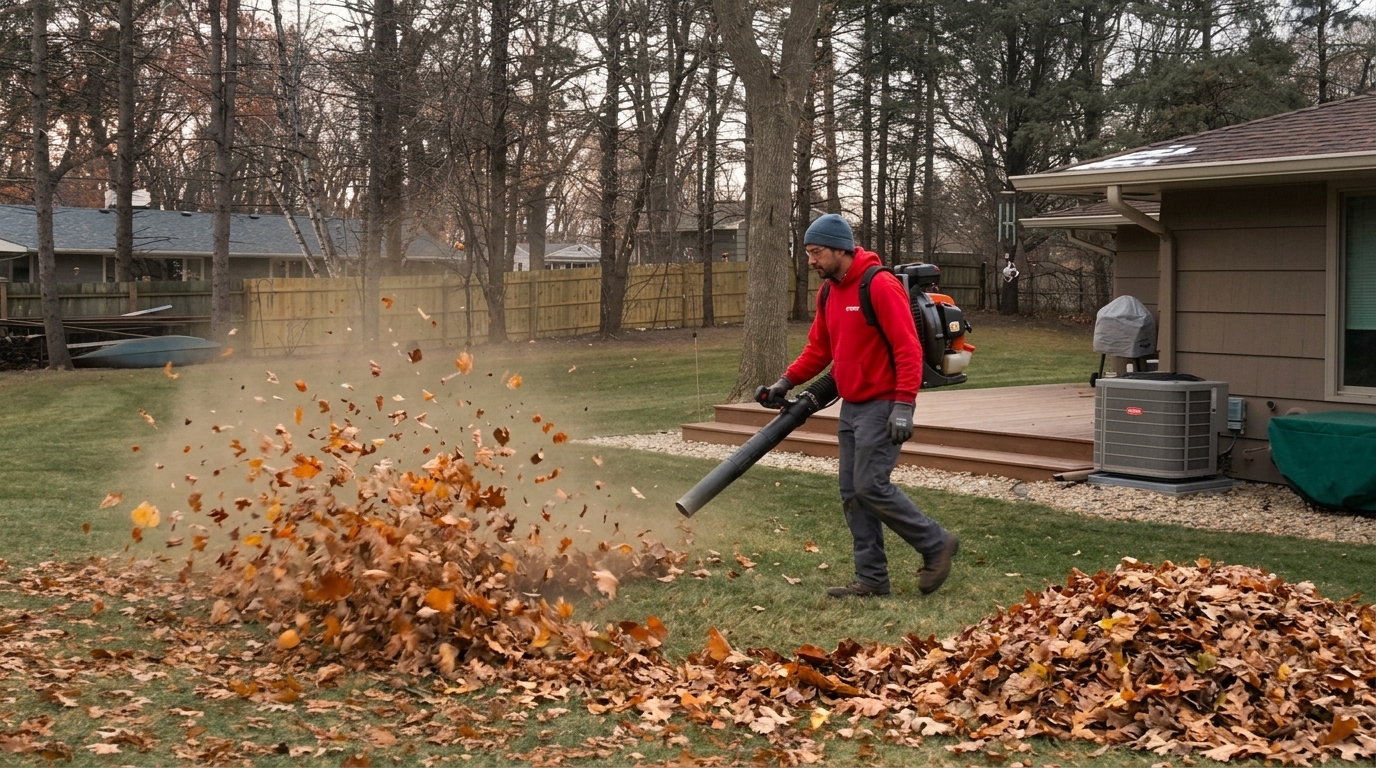
Signs of overwatering include standing water, soggy soil, and the appearance of algae or moss. Signs of underwatering include dry, cracked soil and wilting seedlings. Adjust your watering schedule accordingly to maintain optimal moisture levels. The leaf removal process can also impact the soil and watering needs.
Wait until the new grass has reached a height of about 3-4 inches before mowing. When mowing, use a sharp blade and set the mowing height to about 2-3 inches. Avoid mowing too short, as this can stress the new grass and make it more susceptible to weeds and diseases.
Prevent weed growth in newly seeded areas by applying a pre-emergent herbicide that is safe for new grass. Alternatively, you can hand-pull weeds as they appear. Fertilize the new grass about 6-8 weeks after seeding with a slow-release fertilizer to encourage healthy growth.
Protect new seedlings from birds and other pests by covering the seeded area with straw or netting. This will help prevent the seed from being eaten or disturbed. With proper watering and maintenance, your new grass will establish quickly and provide you with a lush, green lawn.
Frequently Asked Questions
What are the pros and cons of different grass seed varieties for Minneapolis lawns?
Kentucky Bluegrass offers a fine texture and rich color but requires more maintenance and is susceptible to diseases in shade. Perennial Ryegrass establishes quickly and tolerates wear but is less cold-tolerant. Fine Fescues are shade-tolerant and low-maintenance but may not hold up well in high-traffic areas.
How does the amount of sunlight a lawn receives impact grass seed selection?
Full sun areas benefit from Kentucky Bluegrass or Perennial Ryegrass, while partial shade or full shade areas are better suited for Fine Fescues. Matching the grass seed to the sunlight conditions ensures optimal growth and a healthy lawn. Assessing sunlight exposure is a critical first step.
What are the best practices for preparing a lawn for aeration and overseeding?
Mow the lawn short, dethatch to remove dead grass, and perform core aeration to relieve soil compaction. Applying a starter fertilizer before seeding provides essential nutrients for germination. These steps create the ideal environment for new grass seed to thrive.
How often and how much should new grass seed be watered?
Water new grass seed lightly and frequently, several times a day, to keep the soil consistently moist but not waterlogged. Adjust the watering schedule based on weather conditions and soil moisture levels. Consistent moisture is crucial for successful germination.
Conclusion: A Lush Lawn Starts with the Right Seed
Choosing the right grass seed is the foundation for a healthy, vibrant lawn in Minneapolis. The specific climate, soil conditions, and usage patterns of your lawn all play a crucial role in determining which grass seed varieties will thrive.
At Peter Doran Lawn, we understand the unique challenges of maintaining a beautiful lawn in Minneapolis. Our experienced team can help you select the perfect grass seed for your lawn’s specific needs and provide expert aeration and overseeding services to ensure successful establishment.
Ready for a lawn you’ll love? Contact us for expert aeration and overseeding services tailored to your Minneapolis property.