As winter recedes, homeowners in Blaine, MN, eagerly anticipate the return of a lush, green lawn. Spring is a critical time for establishing the foundation of a healthy turf that can withstand the summer heat and remain vibrant throughout the growing season. Effective spring lawn care in Blaine, MN, requires understanding the local climate, soil conditions, and common challenges specific to our area. By taking the right steps now, you can ensure your lawn thrives and becomes the envy of the neighborhood.
Understanding Blaine’s Unique Spring Lawn Care Needs
Blaine’s climate presents distinct challenges and opportunities for spring lawn care. The transition from frozen ground to active growth demands a tailored approach, different from what might work in other regions. Our specific soil types, often characterized by a mix of sand and clay, and the fluctuating spring temperatures, necessitate careful timing and specific techniques to promote optimal lawn health.
The freeze-thaw cycles common in early Blaine springs can lead to soil compaction and heaving, which can damage grass roots and create uneven surfaces. Additionally, the rapid snowmelt can contribute to nutrient leaching and create conditions ripe for certain fungal diseases if not managed properly. Addressing these local factors is paramount for successful lawn care in Blaine, MN.
Understanding these environmental nuances allows homeowners to move beyond generic lawn care advice and implement strategies that genuinely benefit their Blaine properties. This localized knowledge forms the bedrock of a truly effective spring lawn care regimen, ensuring efforts are not wasted and results are maximized.
Common Blaine Soil and Climate Challenges
Blaine’s soil composition, often a blend of sandy loam and heavier clay, influences drainage and nutrient retention. Sandy areas may drain too quickly, leading to nutrient loss, while clay-rich spots can become compacted, impeding root growth and water penetration. These variations across a single lawn require a nuanced approach to fertilization and aeration.
The unpredictable nature of early spring weather in Minnesota, with sudden temperature drops and late frosts, can stress emerging grass. This stress makes the lawn more susceptible to disease and pest infestations. Proper preparation and timely interventions are crucial to help the turf recover and build resilience against these environmental fluctuations.
Furthermore, the heavy snow cover typical of Blaine winters can sometimes lead to snow mold, a fungal disease that appears as matted patches of grass. Identifying and treating this issue early is vital to prevent widespread damage and ensure a uniform green-up as temperatures rise. Addressing these specific challenges is fundamental to effective lawn care in Blaine.
Essential Spring Lawn Care Steps for Blaine Homeowners
Preparing your lawn for spring in Blaine involves a sequence of critical steps designed to awaken the turf from dormancy and foster robust growth. Each action plays a vital role in setting the stage for a healthy, vibrant lawn throughout the warmer months. Skipping any of these foundational steps can compromise the overall health and appearance of your grass.
The timing of these tasks is just as important as the tasks themselves, aligning with Blaine’s specific climate patterns. Performing certain actions too early or too late can diminish their effectiveness or even cause harm to the emerging turf. A well-timed and executed spring regimen is key to achieving a resilient and aesthetically pleasing lawn.
From clearing debris to targeted treatments, a comprehensive approach ensures that your lawn receives the necessary support to thrive. This proactive strategy helps mitigate potential problems before they escalate, saving time and resources in the long run. Focusing on these essential steps provides a solid foundation for your lawn’s health.
Spring Cleanup and Debris Removal
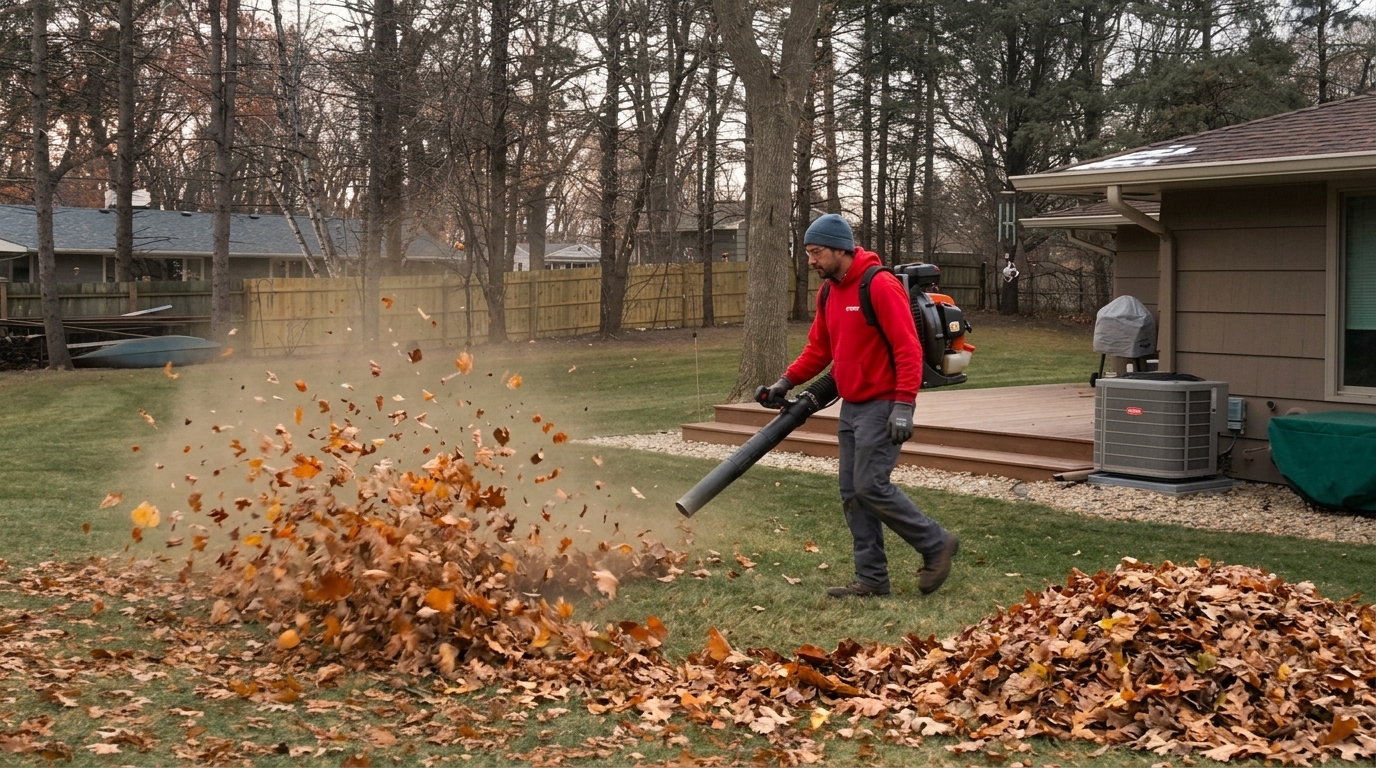
The first crucial step in spring lawn care is a thorough cleanup of your yard. Winter often leaves behind a scattering of leaves, branches, and other organic debris that can smother emerging grass and create breeding grounds for pests and diseases. Raking and removing this material allows sunlight and air to reach the soil, promoting healthy growth.
Beyond aesthetics, clearing debris prevents the formation of matted areas where moisture can become trapped, contributing to fungal issues like snow mold. This initial cleanup also provides an opportunity to assess any damage that occurred over winter, such as areas of compaction or bare spots that may require further attention. A clean slate is essential for effective subsequent treatments.
Ensuring all winter protection, such as burlap wraps or tree guards, is carefully removed also falls under this initial cleanup phase. These materials, while beneficial during colder months, can restrict growth and harbor pests if left in place too long. A meticulous spring cleanup is the foundational step for any successful lawn care program.
Aeration and Dethatching for Blaine Lawns
Aeration is a vital process for Blaine lawns, especially after a long winter and periods of heavy foot traffic. It involves creating small holes in the soil to alleviate compaction, allowing air, water, and nutrients to penetrate deeper into the root zone. This promotes stronger root development and improves overall turf health.
Dethatching, or power raking, addresses the buildup of thatch, a layer of dead grass stems and roots that accumulates between the soil surface and the green blades. While a thin layer of thatch is beneficial, excessive thatch can prevent water and nutrients from reaching the soil, harbor pests, and make the lawn more susceptible to disease. For Blaine lawns, this is particularly important given the potential for snow mold.
The optimal time for aeration and dethatching in Blaine is typically in late spring or early fall when the grass is actively growing and can recover quickly. Performing these tasks at the right time ensures maximum benefit without causing undue stress to the turf. These mechanical processes are fundamental to maintaining a robust and healthy lawn.
Fertilization and Weed Control Strategies
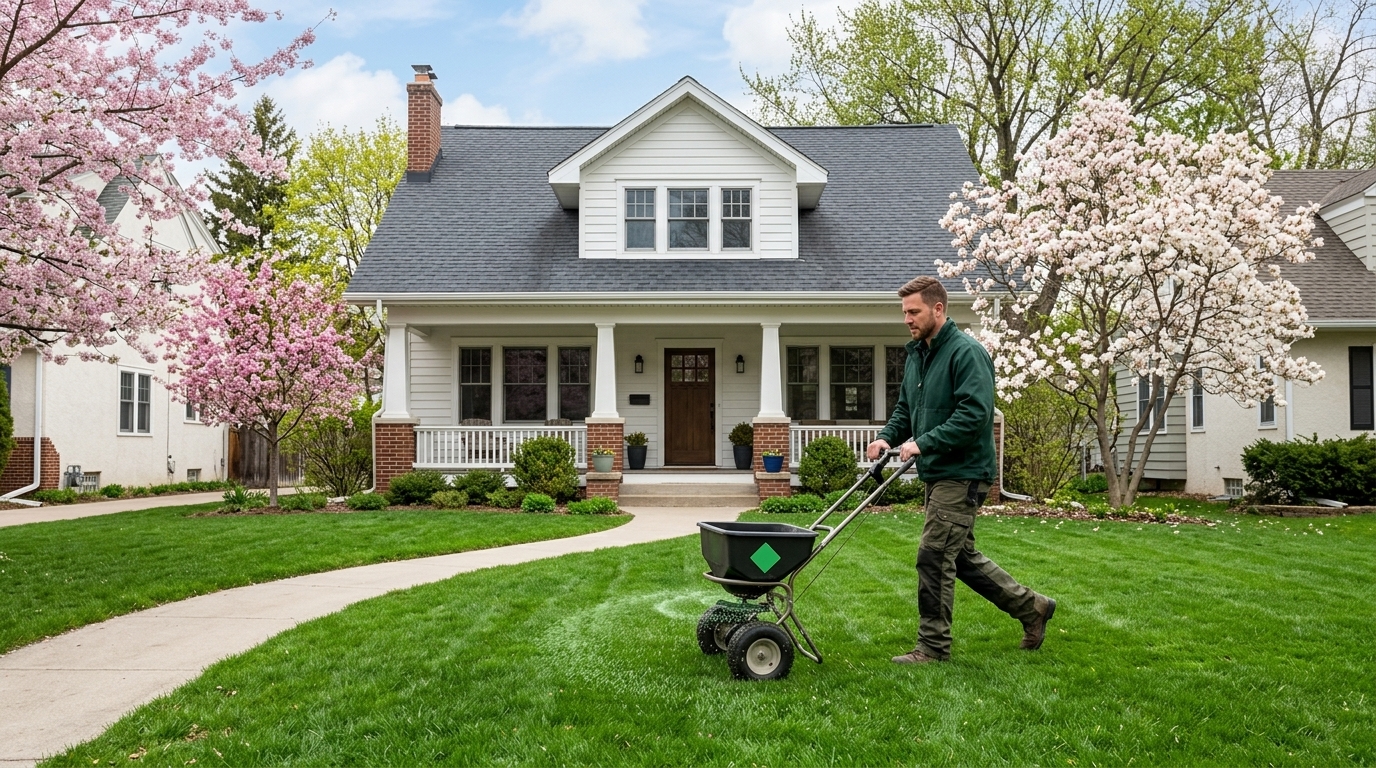
Spring fertilization provides essential nutrients to kickstart your lawn’s growth after dormancy. Selecting the right fertilizer, typically a slow-release formula, is crucial for a steady supply of nutrients without promoting excessive top growth at the expense of root development. Soil tests can help determine specific nutrient deficiencies unique to your Blaine property.
Weed control in spring is primarily focused on preventing germination of common annual weeds and treating existing broadleaf weeds. Pre-emergent herbicides, applied before weed seeds sprout, are highly effective against crabgrass and other annual invaders. For established broadleaf weeds like dandelions, a post-emergent application is necessary once they are actively growing.
Timing is paramount for both fertilization and weed control to achieve optimal results and avoid harming desirable grass. Applying pre-emergents too late, for instance, will render them ineffective. A balanced approach that combines proper nutrition with targeted weed management forms a cornerstone of effective lawn care in Blaine, MN.
Seeding and Patch Repair
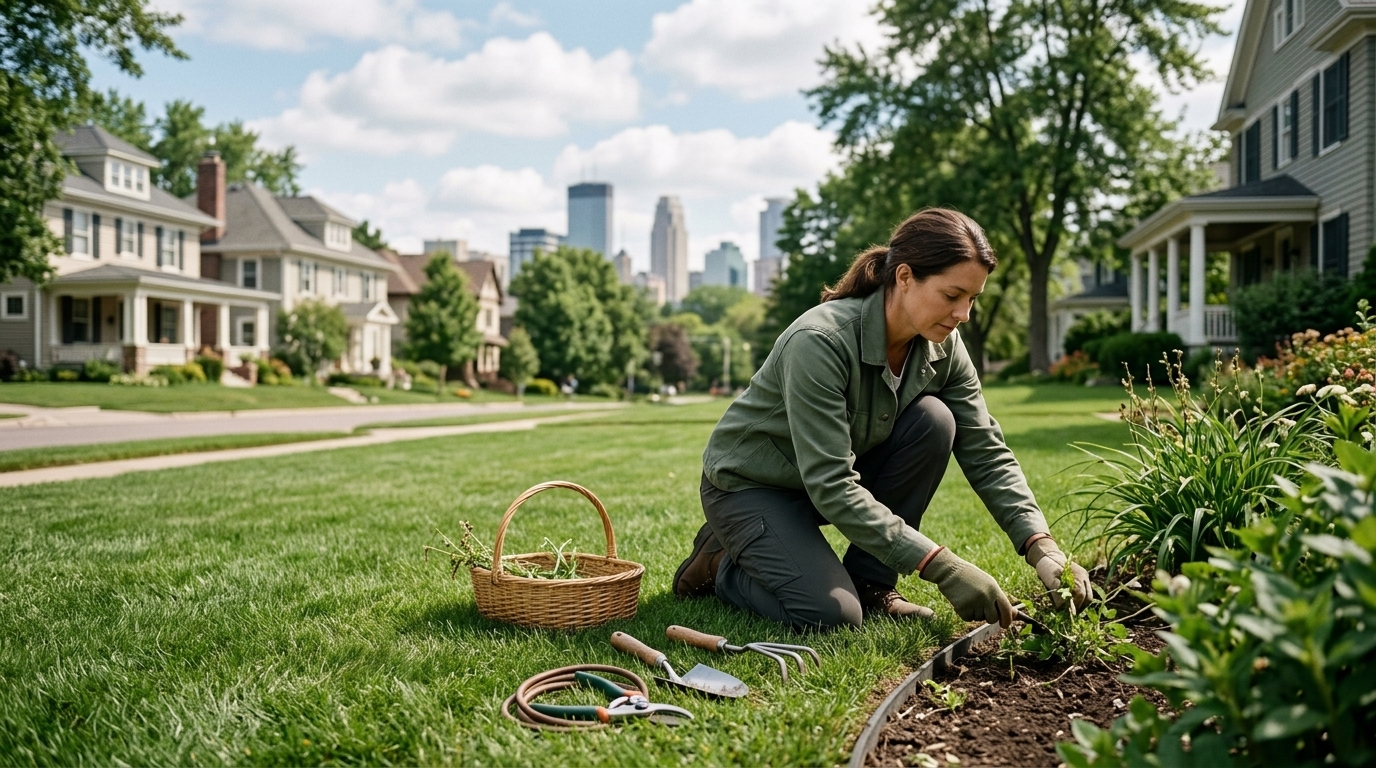
Addressing bare spots and thinning areas in your Blaine lawn during spring is crucial for maintaining a dense, uniform turf. Overseeding introduces new grass seeds into existing turf, improving density and helping to crowd out weeds. For larger bare patches, preparing the soil and applying a suitable grass seed blend ensures successful germination.
Selecting the correct grass seed variety is important for Blaine’s climate. Cool-season grasses like Kentucky Bluegrass, perennial ryegrass, and fescues are well-suited to our region and will establish well in spring. Ensure the seed is spread evenly and lightly covered with soil to protect it from birds and ensure good seed-to-soil contact.
Consistent moisture is critical for seed germination and establishment. Newly seeded areas require frequent, light watering to keep the top inch of soil moist until the seedlings are established. Patience and diligent care during this period will lead to a thicker, healthier lawn that is more resistant to weeds and environmental stress.
Common Spring Lawn Problems in Blaine and Their Solutions
Even with diligent care, Blaine lawns can encounter specific issues as they emerge from winter dormancy. Recognizing these common problems early and understanding their solutions is key to preventing minor issues from escalating into significant damage. Prompt and accurate diagnosis allows for targeted interventions that restore lawn health efficiently.
Many spring lawn problems are exacerbated by local conditions, such as fluctuating temperatures, heavy snowmelt, or specific soil characteristics. A proactive approach to identifying and treating these issues minimizes the need for extensive repairs later in the season. Understanding these challenges is a critical aspect of effective lawn care in Blaine, MN.
From fungal diseases to pest infestations, each problem requires a distinct strategy for resolution. Relying on generalized advice can be ineffective, making localized knowledge and experience invaluable. Addressing these specific concerns ensures your lawn remains robust and vibrant throughout the spring and beyond.
Snow Mold and Fungal Diseases
Snow mold is a prevalent issue in Blaine lawns after heavy snow cover, appearing as matted, circular patches of gray or pinkish grass as the snow melts. This fungal disease thrives in cold, wet conditions under snow. While often superficial, severe cases can cause significant damage to the turf.
To manage snow mold, gently rake affected areas to break up matted grass and promote air circulation. This often allows the grass to recover naturally. For persistent or severe cases, a fungicide application may be necessary, though cultural practices like proper fall cleanup and avoiding excessive nitrogen fertilization late in the season are the best preventative measures.
Other fungal diseases, such as dollar spot or red thread, can also emerge in spring, often triggered by prolonged moisture, nutrient deficiencies, or stress. Identifying the specific disease through visual symptoms is crucial for selecting the appropriate treatment. Maintaining good cultural practices, including proper mowing, watering, and fertilization, significantly reduces susceptibility to these issues.
Pest Infestations and Grub Control
Spring is a critical time to monitor for emerging lawn pests that can cause significant damage throughout the growing season. Grubs, the larvae of various beetles, are a particularly destructive pest in Blaine, feeding on grass roots and leading to brown, spongy patches that can be easily pulled up. Early detection is key to effective control.
Preventative grub control products are often applied in late spring or early summer, targeting the newly hatched grubs before they cause extensive damage. These systemic insecticides are absorbed by the grass roots, making them toxic to feeding grubs. For existing infestations, curative treatments may be necessary, but timing is crucial for their effectiveness.
Other spring pests, such as chinch bugs or sod webworms, can also cause localized damage. Regular inspection of your lawn, especially in stressed or thinning areas, helps identify these issues early. Understanding the life cycle of common pests allows for precise and effective intervention, minimizing reliance on broad-spectrum pesticides.
Peter Doran Lawn: Your Local Blaine Lawn Experts
Navigating the complexities of spring lawn care in Blaine, MN, can be a significant undertaking for homeowners. While DIY efforts can be rewarding, the expertise of a professional lawn care service ensures that your lawn receives precisely what it needs, when it needs it, tailored to the unique local conditions. Peter Doran Lawn brings over 30 years of experience to the Minneapolis metro area, including Blaine, providing dependable quality service.
Our team comprises experienced lawn maintenance crews and licensed fertilizer and weed control technicians, ensuring that every aspect of your lawn’s health is addressed with precision. We understand the specific soil types, climate challenges, and common pests and diseases prevalent in Blaine, allowing us to implement highly effective and customized solutions. This deep local knowledge is what sets our services apart.
From comprehensive spring cleanups and aeration to targeted fertilization and weed control programs, we utilize the best products available on the market and stand by our workmanship 100%. Our goal is to provide excellence in a timely manner, transforming your lawn into a vibrant, healthy landscape that enhances your property’s curb appeal and enjoyment. Trusting Peter Doran Lawn means investing in the long-term health and beauty of your Blaine lawn.
Choosing the Right Lawn Care Service for Your Blaine Property
When selecting a lawn care service for your Blaine property, it’s essential to look beyond basic offerings and consider a provider’s local expertise, reputation, and comprehensive approach. A company that understands the specific environmental factors of Blaine, MN, can offer more effective and sustainable solutions than a generic service. This localized understanding is critical for achieving optimal lawn health.
Evaluate prospective companies based on their experience, the qualifications of their staff, and their commitment to using high-quality products and proven techniques. Look for services that offer detailed assessments of your lawn’s unique needs and provide transparent explanations of their recommended treatments. A reputable provider will prioritize clear communication and customer satisfaction.
Furthermore, consider companies that offer a full range of services, from routine maintenance to specialized treatments like pest control and aeration. This ensures continuity of care and allows for a holistic approach to your lawn’s health throughout the year. Choosing the right partner for your lawn care in Blaine means securing a beautiful and resilient landscape for years to come.
The University of Minnesota Extension provides valuable resources on lawn care specific to Minnesota’s climate, offering research-backed advice on various turfgrass issues. This information can help homeowners understand the scientific basis behind effective lawn management practices and make informed decisions about their property. For more detailed insights, you can visit the University of Minnesota Extension website.
FAQ About Blaine Spring Lawn Care
When is the best time to start spring lawn care in Blaine?
The ideal time to begin spring lawn care in Blaine typically starts when the snow has fully melted and daytime temperatures consistently reach above 40-50°F, usually in late March or early April. This timing allows the soil to thaw and the grass to begin emerging from dormancy, making it receptive to initial treatments like cleanup and pre-emergent applications. Starting too early can be ineffective, as the ground may still be frozen, while delaying too long can miss the optimal window for weed prevention.
How often should I water my Blaine lawn in the spring?
In early spring, Blaine lawns often receive sufficient moisture from snowmelt and spring rains, so supplemental watering may not be immediately necessary. As temperatures rise and rainfall becomes less frequent, aim for deep, infrequent watering sessions, typically once or twice a week, providing about one inch of water. This encourages deeper root growth, making the lawn more drought-resistant. Always check soil moisture before watering to avoid overwatering, which can lead to fungal issues.
What are the most common weeds in Blaine lawns during spring?
In Blaine, common spring weeds include dandelions, which are easily recognizable with their bright yellow flowers, and crabgrass, an annual weed that germinates when soil temperatures warm up. Other prevalent weeds can include broadleaf plantain, clover, and creeping Charlie, all of which compete with desirable turfgrass for nutrients and water. Effective spring weed control involves a combination of pre-emergent herbicides for annuals and targeted post-emergent applications for existing broadleaf weeds.
Is it better to fertilize in early or late spring in Blaine?
For Blaine lawns, a balanced approach to spring fertilization is often most effective. An initial light feeding in early to mid-spring (April) provides essential nutrients to help the grass green up and recover from winter stress. A second, more substantial application in late spring (late May to early June) supports sustained growth and prepares the lawn for summer conditions. Avoid heavy fertilization too early, as this can promote excessive top growth before the root system is fully developed, making the grass more susceptible to stress.
Achieving a vibrant, healthy lawn in Blaine requires a strategic approach to spring care, addressing the unique challenges presented by our local climate and soil. From thorough cleanup and aeration to precise fertilization and weed control, each step contributes to building a resilient turf that thrives throughout the season.
At Peter Doran Lawn, we understand the specific needs of Blaine properties and have the experience and expertise to deliver exceptional results. Our dedicated team is committed to providing dependable, quality service, ensuring your lawn receives the professional attention it deserves. We use only the best products and stand by our workmanship 100%.
Ready to transform your lawn this spring? Contact us today to discuss your lawn care needs and get a personalized plan for your Blaine property.