- (763) 595-1440
- info@peterdoranlawn.com
- 14360 James Rd, Rogers, MN

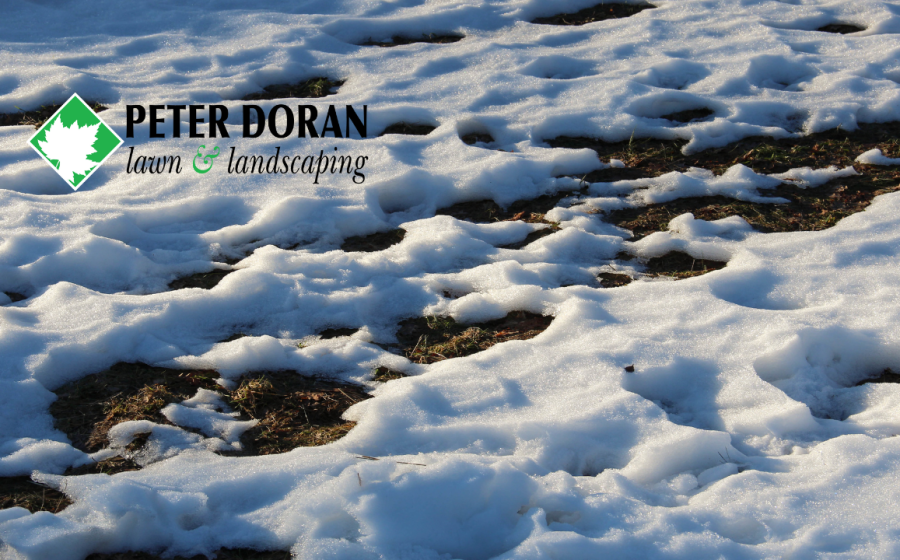
Post-Winter Lawn Care: How to Repair Snow Damage Effectively
As winter draws to a close and the snow begins to melt, many homeowners eagerly look forward to the return of their lush, green lawns. However, the harsh reality for many is the damage left behind by the snow and ice.
Snow can have a significant impact on your lawn, leading to issues like dead grass, fungal disease, and salt damage. These problems not only affect the appearance of your lawn but can also hinder its growth and health.
Repairing your lawn after snow damage is essential for restoring its vitality and ensuring it thrives throughout the warmer months. By addressing snow damage promptly, you can prevent long-term issues and enhance the overall beauty of your outdoor space.
In this post, we’ll guide you through the necessary steps to repair your lawn effectively, offering practical advice from a gardening specialist to help you rejuvenate your lawn after winter’s harsh touch.
Understanding Snow Damage to Your Lawn
The first step in repairing a lawn after snow damage is recognizing the signs of damage. Snow damage can manifest in several ways.
You may notice patches of dead grass, often discolored and brittle. These patches might be symptoms of snow mold, a type of fungal disease that thrives under the insulating blanket of snow.
Additionally, areas near driveways and sidewalks might suffer from salt damage, where road salt used to melt ice has seeped into the soil, harming the grass.
Different grass types may respond differently to snow and freezing temperatures. For instance, cool-season grasses, like Kentucky bluegrass, may withstand cold better but are still susceptible to snow mold.
Warm-season grasses, on the other hand, might go dormant and appear brown but can recover with the right care. Understanding how snow affects your specific grass type can help you tailor your repair efforts effectively.
Assessment of Snow Damage
Before you can begin repairing winter damage, it’s crucial to assess the extent of the damage your lawn has suffered. Start by inspecting your lawn thoroughly, walking across it and visually evaluating the affected areas.
Look for signs of snow mold, such as circular patches of dead grass that may be gray or pink in color. Check for salt damage near paved areas, where grass may appear burnt or crusty.
Once you’ve identified the areas in need of repair, consider the factors that might affect your approach. The severity of the damage, the type of grass, and the current weather conditions all play a role in determining the best repair strategy.
By taking the time to assess your lawn’s condition, you’ll be better equipped to implement effective solutions tailored to your lawn’s specific needs.
Steps to Repair Lawn After Snow Damage
With a clear understanding of the damage, it’s time to take action. Start by clearing debris from your lawn, such as fallen branches or leaves, which can smother grass and create an environment conducive to fungal diseases. Assess the soil to ensure it’s not compacted, as compacted soil can hinder root growth and water absorption.
Next, consider aeration and dethatching as crucial steps in promoting new growth. Aerating your lawn helps reduce soil compaction and improves air and water circulation. Dethatching removes the layer of dead grass and organic matter that can suffocate your lawn. Both processes can revitalize your lawn and set the stage for successful seeding or sodding.
For areas with severe damage, reseeding or laying new sod might be necessary. Use high-quality grass seed suitable for your region and spread it evenly across the damaged areas. Cover the seed with a thin layer of topsoil, about a quarter of an inch deep, to protect it and aid germination. Fertilizing with a starter fertilizer can provide the nutrients needed for young grass to thrive.
Watering is essential for recovery. Water your lawn deeply and regularly, ensuring the soil remains moist but not waterlogged. Timing is crucial, and the best results are achieved when repairs are initiated during the early spring when the grass is emerging from dormancy.
Preventative Measures for Future Snow Damage
While repairing your lawn is important, taking preventative measures can help minimize snow damage in the future. Implementing a winter lawn care routine that includes mowing your lawn shorter before the first snowfall can reduce the risk of snow mold. Consider applying a fungicide in late fall to further protect against fungal diseases.
Choosing the right grass types for your region can also make a difference. Some grass varieties are more resilient to cold and snow, making them ideal for areas prone to harsh winters. Additionally, maintaining a healthy lawn year-round through regular mowing, watering, and fertilizing can bolster its resistance to winter damage.
Expert Advice and Tips
One common question is how to determine the right time to begin repairs. Generally, once the ground has thawed and temperatures are consistently above freezing, it’s safe to start your repair efforts.
Remember that patience is key. Grass seed can take time to germinate, and complete recovery may take a few weeks. Seasonal maintenance tips, such as regular aeration, proper mowing heights, and fertilization schedules, can help maintain a resilient lawn that can withstand the challenges of winter.
In conclusion, repairing your lawn after snow damage is a vital step in ensuring a vibrant and healthy outdoor space. By understanding the impact of snow, assessing damage accurately, and following the right repair steps, you can restore your lawn’s lushness and vitality.
As a homeowner or garden enthusiast, taking proactive steps will not only improve your lawn’s appearance but also enhance its resilience against future winter challenges.
Recent Comments