- (763) 595-1440
- info@peterdoranlawn.com
- 14360 James Rd, Rogers, MN

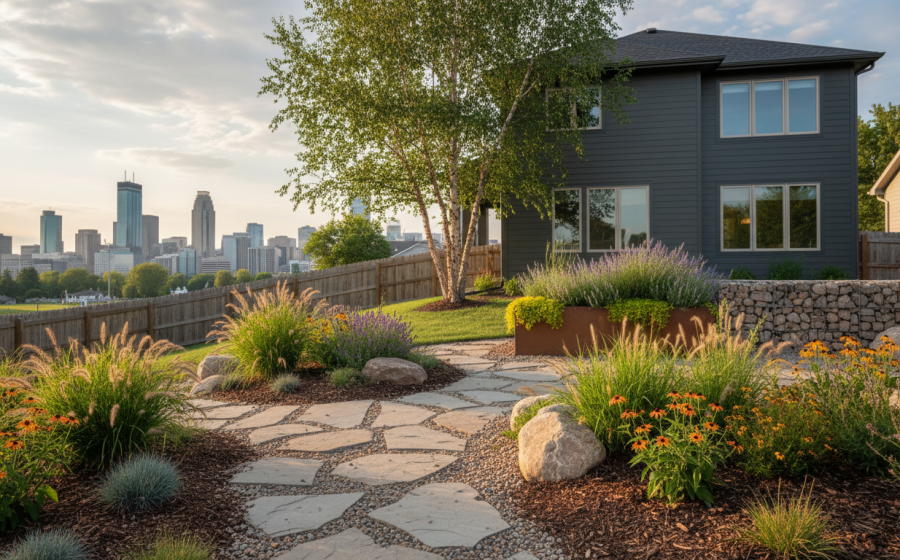
5 Low-Maintenance Landscaping Ideas for Minneapolis Homeowners
Low-Maintenance Landscaping in Minneapolis
Minneapolis homeowners understand the value of a beautiful yard, but not everyone has the time or energy for constant upkeep. That’s where low-maintenance landscaping comes in, offering a way to enjoy a stunning outdoor space without spending every weekend mowing, weeding, and watering. This approach isn’t about sacrificing beauty; it’s about making smart choices that minimize effort and maximize enjoyment.
Many people mistakenly believe that low-maintenance means boring or unattractive. However, with careful planning and the right plant selections, you can create a vibrant and inviting landscape that requires minimal care. We’ll explore five key ideas to help you achieve beautiful, low maintenance landscaping in Minneapolis, focusing on native plants, rock gardens, mulching, hardscaping, and ornamental grasses.
1. Embrace Native Plants: Beauty Without the Fuss
Native plants are naturally low-maintenance because they are adapted to the local climate and soil conditions. They’ve evolved to thrive in Minneapolis’ specific environment, meaning they require less watering, fertilizing, and pest control than non-native species. This not only saves you time and money but also reduces your environmental impact.
For Minneapolis gardens, consider incorporating native plants like coneflowers (Echinacea), black-eyed Susans (Rudbeckia), and asters. These plants offer beautiful blooms, attract pollinators, and are incredibly resilient. For shadier spots, wild ginger (Asarum canadense) and ferns provide lush greenery with minimal upkeep.
You can find a wide selection of native plants at local nurseries and garden centers throughout the Minneapolis area. Purchasing from reputable sources ensures you’re getting healthy, properly identified plants. Embracing native plants supports local ecosystems by providing food and habitat for native insects, birds, and other wildlife, while also reducing the need for chemical interventions in your yard.
2. Rock Gardens and Xeriscaping: Drought-Tolerant Design
Xeriscaping is a landscaping approach that minimizes water usage through careful plant selection and design. Rock gardens are a perfect example of xeriscaping, creating visually appealing landscapes that require very little irrigation. By incorporating rocks, gravel, and drought-tolerant plants, you can create a stunning and sustainable garden.
When designing a rock garden, consider the architectural style of your Minneapolis home. Use rocks of varying sizes and shapes to create a natural, layered look. Incorporate pathways and focal points to add interest and functionality. The strategic use of retaining walls can also add dimension and prevent soil erosion.
Drought-tolerant plant options that thrive in rock gardens include sedums, succulents, and ornamental grasses. These plants are adapted to dry conditions and require minimal watering once established. Avoid common mistakes like overcrowding plants or using rocks that are too uniform in size and color, as these can detract from the natural beauty of the design.
Choosing Rocks and Gravel
The best types of rocks and gravel for Minneapolis rock gardens are those that are locally sourced and complement the surrounding landscape. Limestone, granite, and fieldstone are all excellent choices. Use gravel as a mulch to suppress weeds and retain moisture in the soil.
3. Mulch Magic: Weed Control and Moisture Retention
Mulch is an essential element of low-maintenance landscaping, offering numerous benefits for your Minneapolis garden. It helps suppress weed growth, retain moisture in the soil, and regulate soil temperature. Choosing the right type of mulch can significantly reduce the amount of time you spend on yard work.
Wood chips are a popular and affordable mulch option, but they decompose over time and need to be replenished. Gravel mulch is more permanent and provides excellent drainage, but it can heat up in the sun. Rubber mulch is a recycled option that lasts a long time, but it doesn’t provide the same soil benefits as organic mulches.
To be effective, mulch should be applied in a layer that is 2-4 inches deep. Be sure to leave a gap around plant stems to prevent rot. Applying mulch in the spring and fall helps suppress weed growth and protect plants from temperature extremes. The right fertilizer for shade grass can also improve the health of your plants under the mulch.
4. Hardscaping: Patios, Walkways, and More
Hardscaping elements like patios and walkways can significantly reduce the amount of lawn in your yard, minimizing the need for mowing and weeding. These features also create functional outdoor spaces for relaxing, entertaining, and enjoying your landscape. Careful design and installation are key to creating a beautiful and low-maintenance hardscape.
Popular hardscaping materials for Minneapolis homes include pavers, flagstone, and concrete. Pavers offer a wide range of colors and styles, while flagstone provides a natural, rustic look. Concrete is a durable and versatile option that can be stained or stamped to create different textures and patterns. When considering retaining walls, ensure they complement your hardscaping design.
When designing hardscaping elements, consider the overall style of your landscape and the functionality you want to achieve. Incorporate curves and angles to create visual interest, and use plants to soften the edges of hard surfaces. Key considerations for installing hardscaping in Minneapolis’ climate include frost heave and drainage. Proper installation is crucial to prevent cracking and shifting due to freezing and thawing cycles.
5. Ornamental Grasses: Low-Care Texture and Movement
Ornamental grasses add texture, movement, and visual interest to any landscape, and they are incredibly low-maintenance. These grasses come in a wide variety of sizes, colors, and textures, making them a versatile choice for Minneapolis gardens. They provide year-round appeal, even in the winter months when their seed heads add a touch of beauty to the snow-covered landscape.
Recommended ornamental grass varieties for Minneapolis gardens include feather reed grass (Calamagrostis x acutiflora ‘Karl Foerster’), switchgrass (Panicum virgatum), and little bluestem (Schizachyrium scoparium). These grasses are adapted to the local climate and require minimal care once established. They can be incorporated into different landscape styles, from formal gardens to naturalistic plantings.
Plant ornamental grasses in well-drained soil and provide them with plenty of sunlight. Cut them back in the early spring before new growth emerges. Choosing the right ornamental grass for the right location is essential for success. Consider the plant’s mature size, sunlight requirements, and soil preferences when making your selection.
Ready for a Landscape Transformation? Get a Professional Design
While these tips offer a great starting point, achieving a truly low-maintenance yard often benefits from a professional landscape design. A skilled designer can assess your property’s unique conditions, recommend the best plants and materials, and create a comprehensive plan that meets your specific needs and preferences. Professional design ensures that your landscape is not only beautiful but also sustainable and easy to care for.
At Peter Doran Lawn & Landscaping, we help Minneapolis homeowners create their dream landscapes with our comprehensive landscaping services. Our experienced team can handle every aspect of your project, from design to installation, ensuring a seamless and stress-free experience. Professional installation offers numerous benefits over DIY, including proper grading, drainage, and plant placement.
When choosing a landscaping contractor, look for a company with a proven track record of quality work and customer satisfaction. Our retaining wall services are a key element in many landscape designs, providing structural support and adding visual interest to your yard. To learn more about peter doran lawn and our services, contact us today.
Frequently Asked Questions
What are the most common landscaping mistakes Minneapolis homeowners make?
One of the most frequent errors is failing to account for Minneapolis’ climate, leading to plant choices that struggle or require excessive care. Another common mistake is neglecting soil preparation, which can hinder plant growth and increase maintenance needs. Overwatering is also a frequent problem, especially with established plants that are drought-tolerant.
How does snow removal impact different low-maintenance landscaping choices?
Snow removal can damage certain landscaping elements, especially if salt or de-icing chemicals are used. Salt can harm plants and degrade hardscaping materials like concrete. When planning your low-maintenance landscape, consider the potential impact of snow removal and choose materials and plants that are resistant to salt damage.
What are the best ways to prepare a lawn for a low-maintenance conversion?
Start by removing any existing grass and weeds, then amend the soil with compost to improve drainage and fertility. Consider soil testing to determine any nutrient deficiencies and address them accordingly. Choose low-maintenance ground cover options or install hardscaping elements to reduce the amount of lawn area.
How can I balance aesthetics with low-maintenance principles in my landscaping design?
The key is to choose plants and materials that are both beautiful and easy to care for. Native plants offer a wide range of aesthetic options while requiring minimal maintenance. Incorporate hardscaping elements like patios and walkways to reduce the amount of lawn area and create functional outdoor spaces.
Creating a low-maintenance landscape in Minneapolis is about making smart choices that minimize effort while maximizing beauty and enjoyment. By embracing native plants, incorporating rock gardens, utilizing mulch effectively, adding hardscaping elements, and selecting ornamental grasses, you can transform your yard into a stunning and sustainable outdoor space that requires minimal upkeep.
At Peter Doran Lawn & Landscaping, we understand the unique challenges and opportunities of landscaping in the Minneapolis area. Our team of experienced professionals can help you design and install a low-maintenance landscape that perfectly suits your needs and preferences, allowing you to spend less time on yard work and more time enjoying your outdoor space.
Ready to transform your yard? Contact Peter Doran Lawn & Landscaping for a free consultation and discover how we can create a beautiful, low-maintenance landscape tailored to your needs and preferences.

The Ultimate Guide to Patio Design and Installation in Minneapolis
Minneapolis Patio Design: Styles & Materials
Dreaming of expanding your outdoor living space? A well-designed patio can transform your Minneapolis home, providing a perfect spot for relaxation, entertaining, and enjoying the beautiful (albeit short) Minnesota summers. But where do you start? This guide explores the key considerations for patio design in Minneapolis, from material selection to permit requirements, ensuring your project is both beautiful and compliant.
Dreaming of a New Patio? Minneapolis Design Starts Here
A patio is more than just a flat surface; it’s an extension of your home. In Minneapolis, where the outdoor living season is precious, a well-designed patio maximizes enjoyment of those warmer months, providing a dedicated space for grilling, dining, lounging, and gathering with friends and family.
Current patio design trends in Minneapolis emphasize natural elements, incorporating features like fire pits, outdoor kitchens, and comfortable seating areas. Many homeowners are also opting for low-maintenance materials and sustainable design practices to minimize environmental impact.
Beyond aesthetics, a thoughtfully designed patio enhances property value by increasing usable living space and creating an attractive outdoor focal point. It transforms your backyard into an oasis, making your home more appealing to both you and potential buyers.
Patio Materials Face-Off: Pavers, Concrete, Stone & More
Choosing the right materials is crucial for a durable and aesthetically pleasing patio. Pavers, concrete, and natural stone are popular options, each with its own set of advantages and disadvantages.
Pavers offer a wide variety of colors, shapes, and patterns, providing design flexibility. They are also relatively easy to install and repair. Concrete, on the other hand, is a more cost-effective option and can be stamped or stained to mimic the look of natural stone.
However, concrete is prone to cracking in Minneapolis’s freeze-thaw cycles, while pavers may require more maintenance to prevent weed growth and shifting. Natural stones like granite and bluestone are incredibly durable and weather-resistant, making them ideal for Minnesota winters.
The initial cost of natural stone is higher, but its longevity and timeless appeal can make it a worthwhile investment. Consider the long-term maintenance requirements for each material, including cleaning, sealing, and repair costs.
Ultimately, the best material choice depends on your budget, design preferences, and the overall aesthetic you want to achieve. A rustic stone patio complements a traditional home, while sleek concrete pavers create a modern look.
Minneapolis Patio Permits: What You Need to Know
Navigating the permit process is an essential part of any patio project. In Minneapolis, most patios require a permit, especially if they exceed a certain size or alter the existing grade.
Common code violations related to patio construction in Minneapolis include improper drainage, encroachment on property lines, and failure to meet setback requirements. Setback requirements dictate how far your patio must be from property lines and any easements.
To avoid these issues, familiarize yourself with the city’s zoning regulations and obtain the necessary permits before starting construction. The permit application process typically involves submitting detailed plans and specifications to the city’s building department.
The approval process can take several weeks, so plan accordingly. Building a patio without a permit can result in fines, stop-work orders, and even the removal of the structure.
Consult the city of Minneapolis’s official website for the most up-to-date information on permit requirements and zoning regulations. Understanding these regulations is crucial for a smooth and compliant patio project.
DIY vs. Professional Patio Installation: Making the Right Choice
Deciding whether to tackle patio installation yourself or hire a professional is a significant decision. DIY installation can save money, but it requires time, skill, and the right tools.
Tools and equipment needed for DIY patio installation include a shovel, tamper, level, measuring tape, and possibly a plate compactor. Potential challenges include uneven grading, improper drainage, and difficulty achieving a professional finish.
Hiring a professional patio contractor in Minneapolis ensures proper installation, adherence to building codes, and a high-quality result. A reputable contractor brings experience, expertise, and specialized equipment to the project.
When choosing a contractor, ask for references, review their portfolio, and verify their insurance and licensing. Questions to ask include their experience with similar projects, their warranty policy, and their process for handling unexpected issues.
Signs of a poorly installed patio include uneven surfaces, cracked pavers or concrete, and standing water after rain. Investing in professional installation minimizes these risks and ensures a long-lasting, beautiful patio.
Patio Installation Cost Breakdown: Minneapolis Budget Guide
Understanding the costs involved in patio installation is essential for budgeting purposes. The average cost per square foot for patio installation in Minneapolis varies depending on the materials used and the complexity of the design.
Material choices significantly impact the overall cost, with natural stone being more expensive than concrete or pavers. Labor costs also vary depending on the contractor’s rates and the size of the project.
Hidden costs to consider include site preparation, permit fees, and the removal of existing landscaping. Saving money on patio installation without sacrificing quality can be achieved by choosing cost-effective materials, doing some of the work yourself (such as site preparation), and obtaining multiple quotes from different contractors.
While Peter Doran Lawn does not offer direct financing options, some contractors may offer financing plans or work with third-party lenders. Careful planning and budgeting will help you create the patio of your dreams without breaking the bank.
Ready for Your Dream Patio? Get a Quote Today
At Peter Doran Lawn, we approach patio design and installation projects with a focus on quality, durability, and customer satisfaction. We use the best products available on the market to ensure a long-lasting and beautiful appearance.
Choosing Peter Doran Lawn for patio installation services means working with an experienced team that stands by our workmanship 100%. Our process involves a thorough consultation, detailed design plans, and professional installation by skilled technicians.
To request a quote and schedule a consultation, simply contact us through our website or give us a call. We’re committed to ensuring your complete satisfaction throughout the entire project.
Frequently Asked Questions
What are the best ways to incorporate landscaping into a patio design?
Incorporating landscaping into your patio design softens the hardscape and creates a more inviting outdoor space. Consider adding container plants, raised garden beds, or even a small water feature. Strategic placement of trees and shrubs can provide shade and privacy, enhancing the overall ambiance of your patio.
What are the most common mistakes people make when designing a patio?
Common patio design mistakes include neglecting drainage, underestimating the size of the space needed, and choosing materials that are not suitable for the local climate. Failing to consider sun exposure and wind patterns can also lead to discomfort and limit the usability of the patio.
What are the best ways to maintain a patio in the Minneapolis climate?
Maintaining your patio in the Minneapolis climate requires regular cleaning, sealing, and winterization. Sweep or power wash your patio regularly to remove dirt and debris. Apply a sealant every few years to protect the surface from moisture and staining. In the fall, clear away leaves and debris to prevent damage from snow and ice accumulation.
A well-designed patio is an investment that enhances your outdoor living experience and adds value to your home. By carefully considering materials, permits, and installation options, you can create a beautiful and functional space that you’ll enjoy for years to come.
Professional patio installation ensures that your project is completed correctly, on time, and within budget. We bring years of experience and expertise to every project, ensuring a durable and aesthetically pleasing result that meets your specific needs and preferences.
Ready to transform your backyard? Contact us today to schedule a consultation and get a free quote from our team.
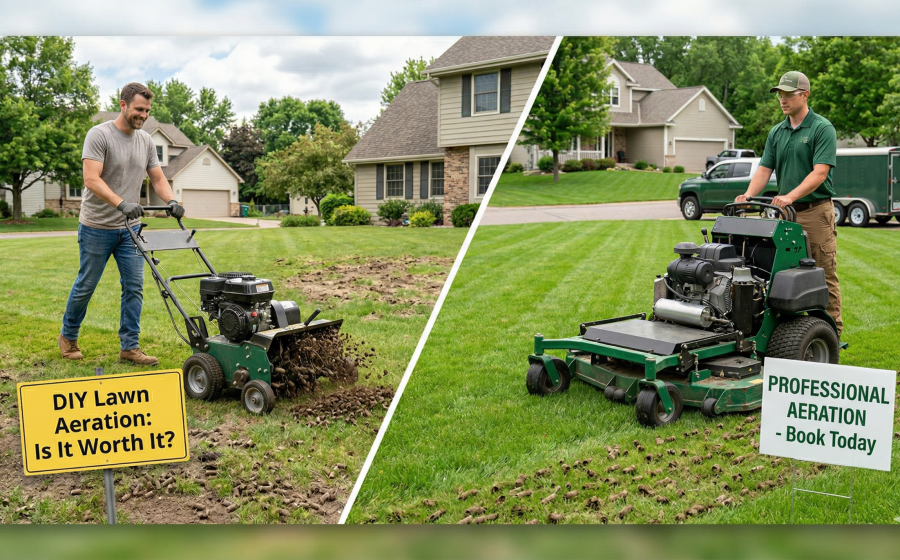
DIY vs. Professional Lawn Aeration: Which is Right for You?
DIY Lawn Aeration: Is It Worth It?
For homeowners in the Minneapolis area, the promise of a lush, green lawn often clashes with the reality of compacted soil and a short growing season. Many consider lawn aeration as a solution, and the question quickly becomes: is lawn aeration DIY a viable option, or is it better left to the professionals? This article will explore the pros and cons of both approaches, focusing on the unique challenges and opportunities presented by Minneapolis lawns.
Lawn aeration is crucial for alleviating soil compaction, breaking down thatch buildup, and improving nutrient access to the roots. Two primary methods exist: core aeration, which involves removing small plugs of soil, and liquid aeration, which uses chemical solutions to loosen the soil. We’ll examine the tools, costs, effectiveness, and potential pitfalls of each method to help you make an informed decision.
We’ll consider factors like cost, time investment, equipment quality, and expertise required to determine whether lawn aeration DIY is the right choice for your lawn and your lifestyle.
DIY Lawn Aeration: Tools, Costs, and Common Pitfalls
Embarking on a lawn aeration DIY project requires careful consideration of the tools involved. Core aerators are typically available for rent at local hardware stores, with two main types: drum aerators and tine aerators. Drum aerators, which use rotating drums with spikes, are generally less effective on heavily compacted soil compared to tine aerators, which remove actual soil cores.
To effectively penetrate the dense clay soils common in Minneapolis, a core aerator needs to deliver sufficient PSI (pounds per square inch) to create deep, well-defined holes. Liquid aeration, on the other hand, involves applying a liquid solution to the lawn that is designed to break down the soil. While it’s easier to apply, liquid aeration is often less effective than core aeration, especially on severely compacted lawns.
The cost of lawn aeration DIY includes rental fees for the aerator (typically ranging from $80 to $150 per day), the cost of grass seed if you plan to overseed, fertilizer, and the value of your time. Overseeding is highly recommended after aeration to fill in the bare spots created by the process and promote a thicker, healthier lawn.
Several common mistakes can undermine the success of a DIY aeration project. Aerating when the lawn is too dry can make it difficult for the machine to penetrate the soil. Failing to aerate to the proper depth (typically 2-3 inches) limits the benefits. Skipping overseeding after aeration can leave the lawn vulnerable to weeds. And neglecting to water adequately after aeration can hinder seed germination and root development.
So, what does a lawn that needs aeration actually look like? Look for signs like standing water after rain, hard, compacted soil that’s difficult to penetrate with a screwdriver, and thin, patchy grass growth, especially in high-traffic areas.
Professional Lawn Aeration: What to Expect and Why It Costs More
Professional lawn aeration services offer several advantages over the DIY approach. Professionals use commercial-grade aerators that are heavier and more powerful than rental machines, ensuring deeper and more effective soil penetration. These machines are built to withstand the demands of frequent use and are meticulously maintained for optimal performance.
Beyond equipment, expertise is a key differentiator. Professionals can assess your soil type, identify underlying issues, and recommend the best aeration and overseeding strategies for your lawn. This includes proper timing, selecting the right seed blend, and providing post-aeration care instructions.
The cost of professional lawn aeration reflects several factors, including labor, equipment maintenance, insurance, and travel time. While the upfront cost is higher than DIY, the long-term benefits can outweigh the expense, especially when considering the potential for mistakes and the value of your time.
Typically, you’ll see a noticeable improvement in your lawn’s health and appearance within 4-6 weeks after aeration and overseeding. This includes thicker, greener grass, improved water absorption, and reduced thatch buildup.
Timing is particularly critical for aeration and overseeding in Minneapolis’s short growing season. Aerating in the fall allows the grass to establish strong roots before winter, while spring aeration should be done early enough to allow new growth before the summer heat. Missing these windows can significantly impact the success of the project.
DIY vs. Professional Aeration: A Side-by-Side Comparison
When comparing lawn aeration DIY and professional services, several key factors come into play. Cost is an obvious consideration, with DIY offering lower upfront expenses. However, it’s essential to factor in the long-term value of professional expertise and the potential cost of correcting mistakes.
Time is another crucial factor. DIY aeration requires a significant time investment, from renting the equipment to performing the actual aeration and post-care. Professional services offer efficiency and convenience, freeing up your time for other activities.
Effectiveness is where professional aeration often shines. While DIY can yield positive results, the potential for mistakes is higher, and the quality of the equipment may be inferior. Professionals have the knowledge and experience to ensure optimal results.
The quality of equipment plays a significant role in the outcome. Professional-grade aerators are designed for heavy use and provide more consistent and effective aeration than rental machines. This difference in equipment can translate to a healthier, more resilient lawn.
Expertise is another area where professionals excel. They can assess your lawn’s specific needs, recommend the best aeration and overseeding strategies, and provide ongoing care advice. This knowledge can be invaluable in achieving long-term lawn health.
Ultimately, the impact on long-term lawn health is the most important consideration. Proper aeration promotes healthy root growth, improves nutrient absorption, and reduces the risk of disease. While DIY can contribute to these benefits, professional services offer a higher level of assurance and expertise.
Is DIY Lawn Aeration Right for You? Factors to Consider
Deciding whether to tackle lawn aeration DIY or hire a professional depends on several factors specific to your situation. Consider the size and condition of your lawn. A small, relatively healthy lawn may be suitable for DIY, while a large, heavily compacted lawn is best left to the pros.
Minneapolis’s heavy clay soil significantly impacts the DIY decision. Clay soil is notoriously difficult to penetrate, requiring powerful equipment and proper techniques. If you’re not confident in your ability to handle this challenge, professional aeration is the safer bet.
Assess your physical ability. Operating heavy machinery like a core aerator can be physically demanding. If you have any physical limitations, it’s best to hire a professional. Consider your budget and time commitment. DIY aeration can save money upfront, but it requires a significant time investment. Professional services offer convenience and expertise but come at a higher cost.
Be aware of the risks of doing it wrong. Improper aeration can damage your lawn, leading to further compaction, weed growth, and disease. Mitigate these risks by researching proper techniques, using the right equipment, and following post-aeration care instructions carefully.
Ready for a Lush, Healthy Lawn? Consider Professional Lawn Aeration
Professional lawn aeration offers a comprehensive solution to address specific lawn problems such as compaction, thatch buildup, and poor drainage. By removing soil cores and creating channels for air, water, and nutrients to reach the roots, professional aeration promotes healthy growth and a vibrant green lawn.
The benefits of professional overseeding in conjunction with aeration are undeniable. Overseeding fills in bare spots, introduces new grass varieties, and creates a thicker, more resilient lawn that can withstand the stresses of the Minneapolis climate.
Investing in spring lawn care services is a worthwhile investment for long-term lawn health and beauty, ensuring a lush, green space you can enjoy for years to come.
Frequently Asked Questions
What are the different types of aerators available for rent, and which is best for compacted soil?
The two main types of aerators available for rent are spike aerators and core aerators. Spike aerators simply poke holes in the ground, which can further compact the soil around the holes. Core aerators, which remove plugs of soil, are much more effective for alleviating compaction, especially in the heavy clay soils common in Minneapolis.
What is the ideal depth and spacing for aeration holes?
The ideal depth for aeration holes is typically 2-3 inches, as this is where the majority of grass roots are located. The spacing between holes should be about 2-4 inches apart to ensure adequate aeration and nutrient penetration. Achieving this spacing often requires multiple passes with the aerator.
What are the risks of improper aeration techniques?
Improper aeration techniques can damage your lawn. Aerating when the soil is too dry can make it difficult to penetrate, while aerating too deeply can damage the roots. Using the wrong type of aerator or failing to overseed after aeration can also lead to problems like weed growth and further compaction.
How does aeration help with fertilizer absorption and weed control?
Aeration improves fertilizer absorption by creating channels for nutrients to reach the roots more effectively. It also helps with weed control by promoting thicker grass growth, which crowds out weeds and reduces their ability to establish themselves.
What are the signs that a lawn needs aeration?
Signs that your lawn needs aeration include compacted soil that’s difficult to penetrate, standing water after rain, thin or patchy grass growth, and excessive thatch buildup. If you notice these signs, it’s a good idea to consider aeration to improve your lawn’s health and appearance.
Make the Right Choice for Your Lawn
Ultimately, the decision between DIY and professional lawn aeration depends on your individual circumstances, including your budget, time commitment, physical ability, and the condition of your lawn. Weigh the pros and cons of each approach carefully to determine which option is best suited to our needs.
At Peter Doran Lawn, we understand the importance of proper lawn care for a healthy and beautiful lawn. Our experienced team can assess your lawn’s specific needs and recommend the best aeration and overseeding strategies to achieve optimal results.
For expert lawn care advice and a free lawn aeration quote, contact us today.
How to Choose the Best Grass Seed for Your Minneapolis Lawn
Minneapolis Grass Seed: Choosing the Right Type
Cultivating a lush, green lawn in Minneapolis that serves as the centerpiece of your neighborhood begins with high-quality seed selection. Picking a variety specifically engineered to survive our region’s unique climate extremes, including harsh winters and humid summers, is essential for ensuring your overseeding project is a success. This process involves identifying the ideal grass variety to match your property’s specific soil conditions.
Minneapolis presents specific challenges, including harsh winters, hot summers, and varying soil conditions, particularly the prevalence of clay soil. Understanding these factors is crucial for selecting a grass seed that will not only germinate but also flourish. We’ll explore how to navigate these challenges and choose the perfect seed for your lawn’s specific needs.
Understanding Minneapolis Climate and Soil Conditions
Minneapolis experiences a wide range of temperatures throughout the year, from sub-zero winters to hot, humid summers. These seasonal extremes demand a grass seed variety with excellent cold tolerance and the ability to withstand heat stress. The rapid temperature fluctuations in spring and fall also require a seed that can establish quickly and adapt to changing conditions.
Sunlight is another critical factor. Minneapolis lawns often have areas with varying degrees of sun exposure, from full sun to dense shade. Choosing the right grass seed for each area is essential for uniform growth. Understanding the amount of sunlight your lawn receives throughout the day will help you select the appropriate seed variety for each zone.
Many Minneapolis lawns have clay-heavy soil, which can be challenging for drainage and nutrient availability. Clay soil tends to compact easily, hindering root growth and water infiltration. Selecting grass seed varieties that are tolerant of clay soil and incorporating soil amendments to improve drainage are crucial for successful lawn establishment. According to the University of Minnesota Extension, amending clay soils with compost can significantly improve drainage and aeration, promoting healthier root growth.
Top Grass Seed Choices for Minneapolis Lawns
Several grass seed varieties are well-suited for Minneapolis lawns, each with its own strengths and weaknesses. Kentucky Bluegrass is a popular choice due to its fine texture, rich color, and excellent cold tolerance. However, it requires more maintenance than other varieties and can be susceptible to diseases in shady areas.
Perennial Ryegrass offers faster establishment and better wear tolerance than Kentucky Bluegrass, making it a good choice for high-traffic areas. It also exhibits good disease resistance. However, it is less cold-tolerant than Kentucky Bluegrass and may not survive severe winters as well.
Fine Fescues, such as creeping red fescue and chewings fescue, are excellent choices for shady areas and low-maintenance lawns. They are highly shade-tolerant and require less fertilizer and watering than Kentucky Bluegrass or Perennial Ryegrass. Their ability to thrive in less-than-ideal conditions makes them a valuable addition to many Minneapolis lawns.
For many Minneapolis lawns, a blend of different grass seed varieties is the best approach. A mixture of Kentucky Bluegrass, Perennial Ryegrass, and Fine Fescues can provide a balance of desirable traits, such as cold tolerance, wear tolerance, and shade tolerance. The specific blend should be tailored to the lawn’s unique conditions and usage patterns.
Clay-heavy soil presents a particular challenge for all grass types. Amending the soil with compost or other organic matter is essential to improve drainage and aeration. Additionally, selecting grass seed varieties that are known to be more tolerant of clay soil, such as tall fescue, can increase the chances of successful establishment. Before planting, consider whether you need dethatching to improve soil conditions.
Sunlight, Shade, and Traffic Tolerance: Matching Seed to Your Lawn
Accurately assessing the amount of sunlight different areas of your lawn receive is crucial for selecting the right grass seed. Observe your lawn throughout the day to determine which areas receive full sun (6 or more hours of direct sunlight), partial shade (2-6 hours of direct sunlight), or full shade (less than 2 hours of direct sunlight).
Kentucky Bluegrass thrives in full sun, while Fine Fescues are best suited for partial shade or full shade conditions. Perennial Ryegrass can tolerate full sun but also performs reasonably well in partial shade. Selecting the appropriate grass seed for each area will ensure uniform growth and a healthy, vibrant lawn.
Foot traffic can significantly impact grass seed selection. High-traffic areas require grass seed varieties that are durable and wear-tolerant. Perennial Ryegrass is an excellent choice for high-traffic areas due to its ability to recover quickly from damage. Kentucky Bluegrass, while less wear-tolerant than Perennial Ryegrass, can still perform well in high-traffic areas if properly maintained.
Soil compaction can exacerbate the effects of foot traffic, hindering root growth and water infiltration. Core aeration is essential to alleviate soil compaction and improve growing conditions. Signs of soil compaction include stunted grass growth, standing water after rainfall, and difficulty inserting a screwdriver into the soil.
When overseeding high-traffic areas, it’s important to prepare the soil properly and ensure good seed-to-soil contact. Core aeration is recommended to relieve compaction and create channels for the new grass seed to establish. Applying a starter fertilizer can also help promote rapid germination and growth. Consider the benefits of using fertilizer for shaded lawns if some areas are not getting enough sunlight.
Preparing Your Lawn for Aeration and Overseeding
The best time to aerate and overseed lawn in Minneapolis is typically in the late summer or early fall, when temperatures are cooler and there is less competition from weeds. This allows the new grass seed to establish before the onset of winter.
Core aeration is generally recommended for Minneapolis lawns, as it removes small plugs of soil, creating channels for air, water, and nutrients to reach the roots. Spike aeration, which simply pokes holes in the soil, is less effective at relieving compaction. Before aeration, mow your lawn to a height of about 2 inches.
Dethatching your lawn before aeration and overseeding can also improve seed-to-soil contact. Dethatching removes the layer of dead grass and organic matter that can accumulate on the soil surface, hindering germination. We offer Dethatching Services MN to help prepare your lawn.
Applying a starter fertilizer before seeding can provide the new grass seedlings with the nutrients they need to establish quickly. Choose a fertilizer that is specifically formulated for new lawns and follow the instructions carefully. After aeration and dethatching, ensure good seed-to-soil contact by raking the seed into the soil or using a slit seeder.
Proper preparation is key to successful aeration and overseeding. By following these steps, you can create the ideal conditions for new grass seed to germinate and thrive. For professional assistance in selecting the best grass seed for your lawn and ensuring proper preparation, contact Peter Doran Lawn.
Watering and Maintenance After Seeding
Watering is crucial for successful grass seed germination and establishment. Keep the soil consistently moist, but not waterlogged, for the first few weeks after seeding. Water lightly and frequently, several times a day, to prevent the seed from drying out.
Signs of overwatering include standing water, soggy soil, and the appearance of algae or moss. Signs of underwatering include dry, cracked soil and wilting seedlings. Adjust your watering schedule accordingly to maintain optimal moisture levels. The leaf removal process can also impact the soil and watering needs.
Wait until the new grass has reached a height of about 3-4 inches before mowing. When mowing, use a sharp blade and set the mowing height to about 2-3 inches. Avoid mowing too short, as this can stress the new grass and make it more susceptible to weeds and diseases.
Prevent weed growth in newly seeded areas by applying a pre-emergent herbicide that is safe for new grass. Alternatively, you can hand-pull weeds as they appear. Fertilize the new grass about 6-8 weeks after seeding with a slow-release fertilizer to encourage healthy growth.
Protect new seedlings from birds and other pests by covering the seeded area with straw or netting. This will help prevent the seed from being eaten or disturbed. With proper watering and maintenance, your new grass will establish quickly and provide you with a lush, green lawn.
Frequently Asked Questions
What are the pros and cons of different grass seed varieties for Minneapolis lawns?
Kentucky Bluegrass offers a fine texture and rich color but requires more maintenance and is susceptible to diseases in shade. Perennial Ryegrass establishes quickly and tolerates wear but is less cold-tolerant. Fine Fescues are shade-tolerant and low-maintenance but may not hold up well in high-traffic areas.
How does the amount of sunlight a lawn receives impact grass seed selection?
Full sun areas benefit from Kentucky Bluegrass or Perennial Ryegrass, while partial shade or full shade areas are better suited for Fine Fescues. Matching the grass seed to the sunlight conditions ensures optimal growth and a healthy lawn. Assessing sunlight exposure is a critical first step.
What are the best practices for preparing a lawn for aeration and overseeding?
Mow the lawn short, dethatch to remove dead grass, and perform core aeration to relieve soil compaction. Applying a starter fertilizer before seeding provides essential nutrients for germination. These steps create the ideal environment for new grass seed to thrive.
How often and how much should new grass seed be watered?
Water new grass seed lightly and frequently, several times a day, to keep the soil consistently moist but not waterlogged. Adjust the watering schedule based on weather conditions and soil moisture levels. Consistent moisture is crucial for successful germination.
Conclusion: A Lush Lawn Starts with the Right Seed
Choosing the right grass seed is the foundation for a healthy, vibrant lawn in Minneapolis. The specific climate, soil conditions, and usage patterns of your lawn all play a crucial role in determining which grass seed varieties will thrive.
At Peter Doran Lawn, we understand the unique challenges of maintaining a beautiful lawn in Minneapolis. Our experienced team can help you select the perfect grass seed for your lawn’s specific needs and provide expert aeration and overseeding services to ensure successful establishment.
Ready for a lawn you’ll love? Contact us for expert aeration and overseeding services tailored to your Minneapolis property.
Recent Comments