- (763) 595-1440
- info@peterdoranlawn.com
- 14360 James Rd, Rogers, MN

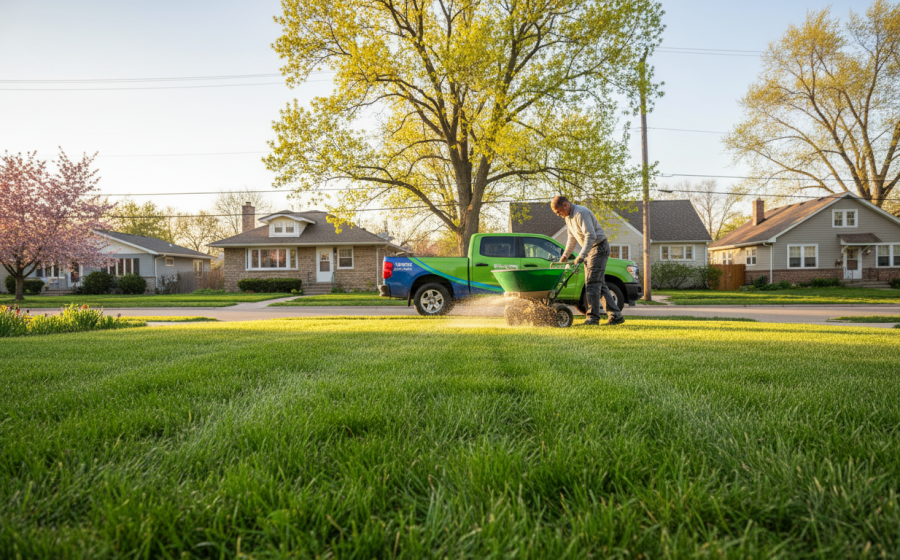
The Ultimate Guide to Spring Lawn Fertilization in Minneapolis
Fertilizing Your Minneapolis Lawn This Spring
As winter loosens its grip on Minneapolis, homeowners turn their attention to reviving their lawns. Spring lawn fertilization is a critical step in achieving a lush, green expanse, but it's not as simple as scattering fertilizer. The unique climate and soil conditions of Minneapolis demand a tailored approach to ensure optimal results. This guide will walk you through everything you need to know about spring lawn fertilization, from understanding your soil to choosing the right fertilizer and timing your application perfectly.
Understanding Minneapolis Soil and Climate for Optimal Fertilization
Minneapolis lawns face unique challenges due to the region's soil composition and climate. The most common soil types are clay-based, which can become compacted and hinder nutrient absorption. This means that even with fertilization, your lawn might struggle if the soil isn't properly aerated and amended.
Minneapolis' weather patterns, characterized by harsh freeze-thaw cycles and significant snow cover, also play a crucial role. These cycles can stress grass and deplete essential nutrients from the soil, making spring fertilization even more important. The timing of your fertilization needs to account for these factors, ensuring the grass can effectively utilize the nutrients as it emerges from dormancy.
Recognizing the signs of nutrient deficiencies is key to addressing your lawn's specific needs. Yellowing leaves, slow growth, and increased susceptibility to disease are all indicators that your lawn may be lacking essential nutrients. To get a precise understanding of your soil's condition, conduct a soil test to determine its pH and nutrient levels, which will inform your fertilization plan.
Choosing the Right Fertilizer for Your Minneapolis Lawn
Selecting the right fertilizer is crucial for a healthy Minneapolis lawn. The three key nutrients, nitrogen (N), phosphorus (P), and potassium (K), each play a vital role: nitrogen promotes green growth, phosphorus supports root development, and potassium enhances overall plant health and disease resistance. Understanding the NPK ratio on fertilizer labels is essential for choosing a product that meets your lawn's specific needs.
Fertilizers are available in both slow-release and quick-release formulations, each with its own advantages. Slow-release fertilizers provide a steady supply of nutrients over an extended period, reducing the risk of fertilizer burn and promoting consistent growth. Quick-release fertilizers, on the other hand, deliver a rapid burst of nutrients, ideal for jump-starting growth in the spring, but they require more careful application to avoid damage.
The best fertilizer formulations for Minneapolis lawns depend on the type of grass you have. Kentucky bluegrass, perennial ryegrass, and fescues are common in the area, and each has slightly different nutrient requirements. Consider whether organic or synthetic fertilizers are right for your lawn. Organic fertilizers offer a more environmentally friendly approach, enriching the soil over time, while synthetic fertilizers provide a concentrated dose of nutrients for faster results.
One common mistake to avoid is over-fertilizing, which can lead to fertilizer burn and environmental pollution. Always follow the manufacturer's instructions carefully and apply fertilizer evenly to prevent damage. Understanding these nuances will help you select the most effective fertilizer for your lawn's specific needs and conditions.
When to Fertilize Your Lawn in Spring: Minneapolis Timing
Timing is everything when it comes to spring lawn fertilization in Minneapolis. The ideal time to fertilize is when the soil temperature consistently reaches 55 degrees Fahrenheit. This is when grass begins to actively grow and can effectively absorb nutrients.
You can monitor soil temperature using a soil thermometer, readily available at garden centers, or by consulting online resources that track local soil temperatures. Pay attention to the signs that your lawn is emerging from winter dormancy, such as new green shoots appearing. These are indicators that it's almost time to fertilize.
Fertilizing too early, before the soil has warmed up sufficiently, can be ineffective, as the grass won't be able to utilize the nutrients. Fertilizing too late, after the initial growth spurt, may not provide the same benefits. Remember that dethatching can also improve nutrient absorption.
Spring cleanup also affects the timing of fertilization. Removing debris and thatch allows the fertilizer to reach the soil more easily, maximizing its effectiveness. By carefully monitoring soil temperature and observing your lawn's growth, you can determine the optimal time for spring lawn fertilization and set your lawn up for a healthy growing season.
How to Apply Fertilizer Correctly in Minneapolis
Proper fertilizer application is just as important as choosing the right fertilizer and timing. You'll need a fertilizer spreader, either a broadcast spreader for larger areas or a drop spreader for more precise application. Always wear gloves and eye protection when handling fertilizer to avoid skin and eye irritation.
Calibrating your fertilizer spreader is essential for accurate application. Follow the manufacturer's instructions to set the spreader to the correct setting for the type of fertilizer you're using. Apply fertilizer in overlapping passes to ensure even coverage, avoiding streaks or missed spots.
To prevent fertilizer burn, avoid applying fertilizer on hot, sunny days or to a dry lawn. Water the lawn thoroughly after application to help the fertilizer dissolve and penetrate the soil. By following these steps, you can ensure that your fertilizer is applied effectively and safely, promoting a healthy and vibrant lawn.
Spring Cleanup: The Foundation for a Healthy Lawn
Before you even think about fertilizing, spring cleanup is essential for preparing your lawn. Removing accumulated debris, dead leaves, and thatch is crucial for allowing fertilizer to reach the soil and nourish the grass roots. This process improves air circulation and sunlight penetration, creating a healthier environment for growth.
A thorough spring cleanup involves raking the lawn to remove debris and thatch, which is a layer of dead organic matter that can build up over time. Removing this layer allows the fertilizer to penetrate the soil more effectively, maximizing its benefits. This step ensures that the nutrients are readily available to the grass roots, promoting healthy growth.
Frequently Asked Questions
How do I identify the nutrient deficiencies in my lawn?
Nutrient deficiencies manifest in various ways: nitrogen deficiency causes yellowing leaves, phosphorus deficiency results in stunted growth and purplish leaves, and potassium deficiency leads to yellowing leaf edges and increased disease susceptibility. A soil test provides the most accurate diagnosis, revealing the specific nutrient levels in your soil. Addressing these deficiencies with the appropriate fertilizer will help restore your lawn's health and vitality.
What are the best fertilizer options for my type of grass?
Kentucky bluegrass thrives with a fertilizer high in nitrogen, while fine fescues prefer a more balanced NPK ratio. Consider a slow-release fertilizer for consistent feeding or a quick-release option for a rapid green-up. Consulting with a local lawn care expert can provide tailored recommendations based on your grass type and soil conditions.
How do I calibrate my fertilizer spreader?
Calibrating your fertilizer spreader ensures accurate application rates. Start by consulting the fertilizer bag for recommended spreader settings. Then, test the spreader by applying fertilizer to a small area and measuring the amount dispensed. Adjust the settings as needed until the application rate matches the recommendation, preventing over- or under-fertilization.
What are the common mistakes people make when fertilizing their lawn?
Common mistakes include over-fertilizing, which can burn the lawn, and applying fertilizer unevenly, leading to patchy growth. Fertilizing during hot weather can also stress the grass. Always follow the fertilizer's instructions carefully, apply evenly, and water the lawn thoroughly after application to avoid these issues.
How does spring cleanup affect the timing of fertilization?
Spring cleanup, including removing debris and thatch, should precede fertilization. Removing this material allows fertilizer to reach the soil and grass roots more effectively. This improves nutrient absorption and promotes healthier growth, maximizing the benefits of your fertilization efforts.
Achieving a Lush Minneapolis Lawn This Spring
Achieving a lush, green lawn in Minneapolis this spring requires a strategic approach that considers the unique challenges of the local climate and soil. From understanding your soil's composition to selecting the right fertilizer and timing your application correctly, each step is crucial for success. Remember that spring lawn fertilization is an investment in the long-term health and beauty of your outdoor space.
At Peter Doran Lawn, we understand the intricacies of lawn care in the Minneapolis area. Our experienced team can provide expert guidance and tailored solutions to help you achieve a healthy, vibrant lawn. We use only the best products and techniques to ensure long-lasting results, and we stand by our workmanship 100%.
Recent Comments