- (763) 595-1440
- info@peterdoranlawn.com
- 14360 James Rd, Rogers, MN

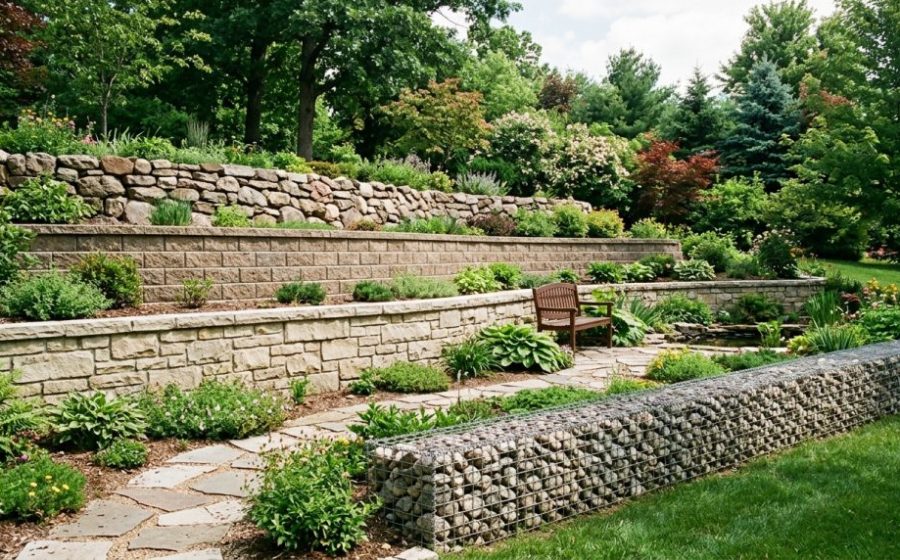
Retaining Wall Materials: Minneapolis Choices
When planning a landscaping project in Minneapolis, selecting the right retaining wall material options is a critical decision that impacts both the aesthetics and longevity of your outdoor space. Homeowners often face a myriad of choices, each with unique characteristics regarding durability, cost, and visual appeal. Understanding these differences is essential for making an informed decision that perfectly suits your property’s specific needs and the local climate.
The right material not only complements your home’s architectural style but also effectively manages soil erosion and creates functional, multi-level areas within your landscape. This guide will explore the most common retaining wall material options, offering insights into their suitability for the unique conditions found in the Minneapolis metro area.
Why Retaining Walls Matter: Function and Form
Retaining walls serve a dual purpose in landscaping: they are both functional and decorative. Functionally, these structures are used to hold back soil and rock, preventing erosion and supporting vegetation on sloped terrain. This is particularly important in areas with varying elevations, where managing water runoff and soil stability is crucial for maintaining a healthy landscape.
Beyond their practical applications, retaining walls also play a significant role in landscape design, transforming unusable slopes into terraced gardens, raised planting beds, or level patio areas. They can define outdoor spaces, add visual interest, and even increase property value by enhancing curb appeal and usability. The choice of retaining wall material options directly influences the overall aesthetic and structural integrity of these vital landscape features.
In the Minneapolis area, where seasonal freeze-thaw cycles can put immense stress on outdoor structures, the structural integrity and material selection of a retaining wall are paramount. A well-designed and properly constructed wall will withstand these environmental challenges, providing lasting beauty and functionality for decades.
Exploring Retaining Wall Material Options
The market offers a diverse range of retaining wall material options, each with distinct advantages and considerations. Your choice will depend on factors such as budget, desired aesthetic, the wall’s intended function, and the specific environmental conditions of your property. Evaluating these materials thoroughly ensures a successful and enduring installation.
Segmental Concrete Blocks
Segmental concrete blocks are among the most popular choices for retaining walls, particularly in residential applications. These interlocking blocks are engineered for stability and ease of installation, making them a versatile option for various landscape designs. They come in a wide array of colors, textures, and sizes, allowing for significant design flexibility to match almost any home style.
One of the primary advantages of concrete blocks is their durability and resistance to the elements, including the harsh freeze-thaw cycles common in Minneapolis. When properly installed with adequate drainage, they offer excellent long-term performance with minimal maintenance. Their modular nature also simplifies repairs, as individual blocks can often be replaced if damaged.
While generally more affordable than natural stone, the cost of segmental concrete blocks can vary based on the specific style and finish chosen. Their consistent sizing and interlocking design contribute to a strong, stable structure capable of holding back significant soil loads, making them a reliable choice for both functional and decorative retaining walls.
Natural Stone
Natural stone offers an unparalleled aesthetic appeal, bringing a timeless and organic beauty to any landscape. Materials like granite, limestone, and fieldstone are highly prized for their unique textures, colors, and inherent strength. A natural stone retaining wall can seamlessly integrate with the surrounding environment, creating a sophisticated and enduring feature.
The durability of natural stone is exceptional; it is highly resistant to weathering, erosion, and the extreme temperature fluctuations experienced in Minneapolis. While the initial material cost and installation labor for natural stone are typically higher than for concrete blocks, its longevity and classic appearance often justify the investment for homeowners seeking a premium finish. Each stone is unique, contributing to a one-of-a-kind wall.
Working with natural stone requires specialized skills and experience to ensure proper fitting and structural integrity. The irregular shapes and weights of natural stones demand careful placement and often necessitate the use of mortar for stability, especially in taller walls or those subjected to significant pressure. However, the resulting wall is a testament to craftsmanship and natural elegance.
Timber and Railroad Ties
Timber and railroad ties present a more rustic and often more budget-friendly option for retaining walls. Treated lumber, such as cedar or pressure-treated pine, can be stacked and secured to create sturdy walls that blend well with naturalistic or informal garden designs. Railroad ties, with their robust and weathered appearance, offer a distinct aesthetic that appeals to many.
While timber walls are generally easier and quicker to install than stone or concrete, their lifespan is typically shorter due to their susceptibility to rot, insect infestation, and decay, even when treated. In the humid and freeze-thaw conditions of Minneapolis, timber requires regular inspection and potential maintenance to prolong its life. Proper drainage and ground contact prevention are crucial for these retaining wall material options.
For smaller, decorative walls or those with a limited lifespan expectation, timber can be an excellent choice. However, for taller, load-bearing walls, or those intended to last for decades, the long-term costs associated with potential replacement should be carefully considered against the initial savings. We ensure that any timber used is of the highest quality and properly treated to maximize its lifespan.
Boulders and Large Rocks
For a truly natural and robust retaining wall, boulders and large rocks offer an imposing and durable solution. These substantial elements create a strong, organic barrier that can effectively manage significant slopes and integrate seamlessly into a rugged landscape design. Their sheer mass provides inherent stability, often requiring less internal reinforcement than other materials.
Boulders are exceptionally durable, resistant to erosion, and virtually unaffected by the freeze-thaw cycles prevalent in the Minneapolis region. Once placed, they require minimal maintenance and can last for centuries. The aesthetic is one of raw, untamed beauty, making them ideal for properties seeking a naturalistic or wild garden feel.
Installation of boulder walls requires heavy machinery and expert knowledge in placement and grading. The cost can be higher due to material sourcing and specialized labor, but the result is a truly permanent and striking landscape feature. Our team has the equipment and experience to handle even the largest retaining wall material options, ensuring a safe and stable installation.
Considerations for Minneapolis Homeowners
When choosing retaining wall material options in Minneapolis, several local factors must be taken into account to ensure the wall’s longevity and performance. The unique climate and soil conditions here present specific challenges that impact material suitability and installation methods.
Climate and Durability
The Minneapolis climate is characterized by significant temperature swings, including hot summers and very cold winters with numerous freeze-thaw cycles. These cycles can cause soil to expand and contract, exerting considerable pressure on retaining walls. Materials that are porous or prone to water absorption, like some types of untreated wood, can degrade rapidly under these conditions.
For optimal durability, we recommend materials with low porosity and high compressive strength, such as concrete blocks or natural stone. These materials are less susceptible to cracking or spalling caused by ice expansion within their structure. Proper drainage behind the wall is also critical to prevent hydrostatic pressure buildup, which can compromise even the most robust materials.
Our team at Peter Doran Lawn understands the specific demands of the local climate. We select and install retaining wall material options that are proven to withstand Minnesota’s weather, ensuring your investment stands the test of time and continues to enhance your property for years to come.
Soil Conditions and Drainage
Minneapolis soils can vary, but many areas feature clay-rich compositions that retain water, which can be problematic for retaining walls. Poor drainage behind a wall is a leading cause of failure, as saturated soil becomes heavier and exerts immense pressure. This hydrostatic pressure can push walls out of alignment, cause cracking, or even lead to collapse.
Regardless of the retaining wall material options chosen, effective drainage is non-negotiable. This typically involves installing a layer of gravel or crushed stone behind the wall, along with a perforated drain pipe at the base. This system collects water and directs it away from the wall, relieving pressure and preventing saturation of the backfill soil.
Our experienced landscape designers carefully assess your site’s specific soil conditions and grade to implement a comprehensive drainage plan. This proactive approach ensures the long-term stability and integrity of your retaining wall, protecting your landscape from potential damage.
Aesthetic Integration with Local Architecture
The architectural styles prevalent in Minneapolis range from historic Victorian and Craftsman homes to modern contemporary designs. The choice of retaining wall material options should complement your home’s existing aesthetic and the overall character of your neighborhood. A well-chosen material enhances curb appeal and creates a cohesive look.
For traditional homes, natural stone or classic gray concrete blocks can provide a harmonious blend. Modern properties might benefit from clean-lined, uniform concrete blocks or even large, precisely cut stone. The goal is to select a material that feels intentional and integrated, rather than an afterthought.
Our landscape design team works closely with you to understand your vision and your home’s style. We offer expert suggestions on retaining wall material options that will not only perform exceptionally but also elevate the beauty and value of your Minneapolis property, reflecting its unique character.
Cost Considerations for Retaining Wall Material Options
Understanding the cost implications of different retaining wall material options is crucial for budgeting your landscaping project. While material cost is a significant factor, it’s important to consider the total investment, which includes labor, site preparation, and long-term maintenance.
Material vs. Installation Costs
The initial price of materials can vary widely, with timber typically being the most affordable, followed by segmental concrete blocks, and then natural stone or large boulders at the higher end. However, the complexity of installation often dictates a larger portion of the total project cost. For instance, while natural stone is expensive per unit, the labor involved in cutting, shaping, and mortaring it into place can significantly increase the overall expense.
Segmental concrete blocks, despite a moderate material cost, often have lower installation labor due to their uniform size and interlocking design, which speeds up the building process. Conversely, boulders require heavy machinery and specialized operators, driving up labor costs despite potentially lower per-unit material costs if sourced locally. It is essential to get a comprehensive quote that breaks down both material and labor to understand the full financial commitment.
At Peter Doran Lawn, we provide transparent estimates, detailing all aspects of your retaining wall project. We help you weigh the upfront costs against the long-term benefits and maintenance requirements of various retaining wall material options, ensuring you make a financially sound decision for your Minneapolis home.
Long-Term Value and Maintenance
Investing in higher-quality retaining wall material options often translates to greater long-term value and lower maintenance costs. Materials like natural stone and well-installed concrete blocks are incredibly durable and require minimal upkeep beyond occasional cleaning. Their resistance to weathering and structural integrity means fewer repairs or replacements over the decades.
Conversely, while timber walls might be cheaper initially, they will likely require more frequent maintenance, such as sealing or staining, and will eventually need replacement due to rot or insect damage. These ongoing costs can accumulate over time, potentially negating the initial savings. Considering the lifespan and maintenance demands is a critical part of evaluating the true cost of ownership.
Our commitment to using the best products available on the market ensures long-lasting appearance and performance. We stand by our workmanship 100%, providing you with a retaining wall that offers enduring beauty and functionality, minimizing future expenses and maximizing your property’s value.
Professional Installation for Lasting Results
Designing and installing a retaining wall is a complex undertaking that requires specialized knowledge and equipment. While some homeowners might consider a DIY approach for smaller projects, the structural integrity and longevity of a retaining wall depend heavily on professional execution. Improper installation can lead to costly failures, safety hazards, and a significantly reduced lifespan for your wall.
A professional landscaping company like Peter Doran Lawn brings expertise in site assessment, material selection, engineering principles, and proper drainage techniques. We understand the nuances of working with different retaining wall material options and the specific challenges presented by Minneapolis’s climate and soil. Our experienced crews ensure that the foundation is correctly prepared, materials are installed to manufacturer specifications, and all necessary drainage systems are in place.
By entrusting your retaining wall project to our team, you benefit from our decades of experience and commitment to quality. We ensure that your wall is not only aesthetically pleasing but also structurally sound, providing dependable quality service with excellence in a timely manner. This professional approach guarantees a beautiful, functional, and long-lasting addition to your landscape.
FAQs About Retaining Wall Materials
Homeowners often have specific questions when evaluating retaining wall material options for their properties. Here are some common inquiries and their comprehensive answers to help guide your decision-making process.
What is the best retaining wall material for heavy loads?
For retaining walls designed to hold back significant soil loads or support structures, engineered segmental concrete blocks or natural stone are generally the most suitable options. These materials offer superior compressive strength and stability when properly installed with adequate foundations and drainage. Large boulders can also provide immense strength for very heavy loads, especially in more naturalistic settings.
The key to supporting heavy loads isn’t just the material itself, but also the design and construction. This includes the depth of the buried courses, the use of geogrid reinforcement for taller walls, and a robust drainage system to prevent hydrostatic pressure. A professional assessment of the site’s specific load requirements is crucial for selecting the optimal material and design.
Our landscape designers can evaluate your specific needs and recommend the best material and construction techniques to ensure your retaining wall safely and effectively supports the intended load, providing peace of mind and lasting performance.
How long do different retaining wall materials last in Minnesota?
The lifespan of retaining wall material options in Minnesota varies significantly based on the material, installation quality, and maintenance. Natural stone and properly installed concrete blocks can last 50 to 100 years or even longer, especially with good drainage and minimal impact from external forces. These materials are highly resistant to the freeze-thaw cycles and general weathering in our climate.
Treated timber walls, while initially more economical, typically have a shorter lifespan, ranging from 15 to 30 years, even with proper treatment and maintenance. Untreated timber will degrade much faster. Railroad ties, being denser and often treated, might last slightly longer than standard treated lumber but are still susceptible to decay over time. Regular inspections and proactive maintenance can help extend the life of any retaining wall, but material choice is the primary determinant of longevity.
Are there eco-friendly retaining wall material options?
Yes, several eco-friendly retaining wall material options are available, focusing on sustainability and minimal environmental impact. Reclaimed materials like salvaged natural stone or recycled concrete blocks reduce demand for new resources and divert waste from landfills. Permeable paver systems, while not traditional retaining walls, can be integrated into terraced designs to manage stormwater runoff more naturally.
For a truly green approach, consider “living walls” or vegetated retaining systems, which incorporate plants directly into the wall structure. These systems use specialized blocks or geogrids to allow vegetation to grow, providing erosion control, improving air quality, and creating habitat. When selecting materials, considering their source, manufacturing process, and end-of-life recyclability contributes to a more sustainable landscape design.
The choice of retaining wall material options is a foundational decision for any landscape project, impacting both the functionality and aesthetic appeal of your outdoor space. From the timeless elegance of natural stone to the versatile durability of segmental concrete blocks, each material offers distinct advantages and considerations, especially when factoring in Minneapolis’s unique climate and soil conditions.
At Peter Doran Lawn, we understand that selecting the right materials and ensuring expert installation are paramount for a retaining wall that stands the test of time. Our experienced landscape designers and crews are dedicated to providing dependable quality service, utilizing the best products available on the market to create structures that are not only beautiful but also structurally sound and perfectly suited to your property.
Ready to transform your landscape with a durable and attractive retaining wall? Contact us today to schedule a consultation and explore the best retaining wall material options for your Minneapolis home.
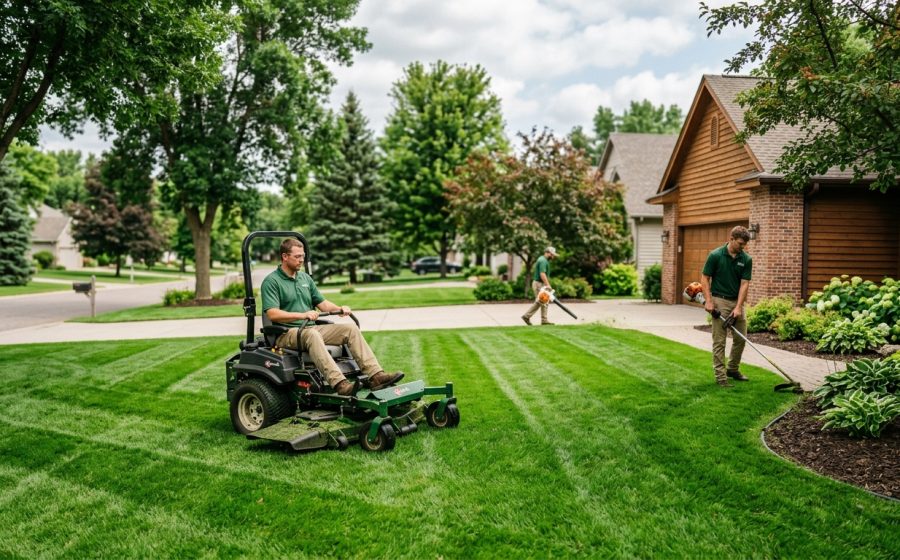
Blaine MN Spring Lawn Care: Get a Green Lawn
As winter recedes, homeowners in Blaine, MN, eagerly anticipate the return of a lush, green lawn. Spring is a critical time for establishing the foundation of a healthy turf that can withstand the summer heat and remain vibrant throughout the growing season. Effective spring lawn care in Blaine, MN, requires understanding the local climate, soil conditions, and common challenges specific to our area. By taking the right steps now, you can ensure your lawn thrives and becomes the envy of the neighborhood.
Understanding Blaine’s Unique Spring Lawn Care Needs
Blaine’s climate presents distinct challenges and opportunities for spring lawn care. The transition from frozen ground to active growth demands a tailored approach, different from what might work in other regions. Our specific soil types, often characterized by a mix of sand and clay, and the fluctuating spring temperatures, necessitate careful timing and specific techniques to promote optimal lawn health.
The freeze-thaw cycles common in early Blaine springs can lead to soil compaction and heaving, which can damage grass roots and create uneven surfaces. Additionally, the rapid snowmelt can contribute to nutrient leaching and create conditions ripe for certain fungal diseases if not managed properly. Addressing these local factors is paramount for successful lawn care in Blaine, MN.
Understanding these environmental nuances allows homeowners to move beyond generic lawn care advice and implement strategies that genuinely benefit their Blaine properties. This localized knowledge forms the bedrock of a truly effective spring lawn care regimen, ensuring efforts are not wasted and results are maximized.
Common Blaine Soil and Climate Challenges
Blaine’s soil composition, often a blend of sandy loam and heavier clay, influences drainage and nutrient retention. Sandy areas may drain too quickly, leading to nutrient loss, while clay-rich spots can become compacted, impeding root growth and water penetration. These variations across a single lawn require a nuanced approach to fertilization and aeration.
The unpredictable nature of early spring weather in Minnesota, with sudden temperature drops and late frosts, can stress emerging grass. This stress makes the lawn more susceptible to disease and pest infestations. Proper preparation and timely interventions are crucial to help the turf recover and build resilience against these environmental fluctuations.
Furthermore, the heavy snow cover typical of Blaine winters can sometimes lead to snow mold, a fungal disease that appears as matted patches of grass. Identifying and treating this issue early is vital to prevent widespread damage and ensure a uniform green-up as temperatures rise. Addressing these specific challenges is fundamental to effective lawn care in Blaine.
Essential Spring Lawn Care Steps for Blaine Homeowners
Preparing your lawn for spring in Blaine involves a sequence of critical steps designed to awaken the turf from dormancy and foster robust growth. Each action plays a vital role in setting the stage for a healthy, vibrant lawn throughout the warmer months. Skipping any of these foundational steps can compromise the overall health and appearance of your grass.
The timing of these tasks is just as important as the tasks themselves, aligning with Blaine’s specific climate patterns. Performing certain actions too early or too late can diminish their effectiveness or even cause harm to the emerging turf. A well-timed and executed spring regimen is key to achieving a resilient and aesthetically pleasing lawn.
From clearing debris to targeted treatments, a comprehensive approach ensures that your lawn receives the necessary support to thrive. This proactive strategy helps mitigate potential problems before they escalate, saving time and resources in the long run. Focusing on these essential steps provides a solid foundation for your lawn’s health.
Spring Cleanup and Debris Removal
The first crucial step in spring lawn care is a thorough cleanup of your yard. Winter often leaves behind a scattering of leaves, branches, and other organic debris that can smother emerging grass and create breeding grounds for pests and diseases. Raking and removing this material allows sunlight and air to reach the soil, promoting healthy growth.
Beyond aesthetics, clearing debris prevents the formation of matted areas where moisture can become trapped, contributing to fungal issues like snow mold. This initial cleanup also provides an opportunity to assess any damage that occurred over winter, such as areas of compaction or bare spots that may require further attention. A clean slate is essential for effective subsequent treatments.
Ensuring all winter protection, such as burlap wraps or tree guards, is carefully removed also falls under this initial cleanup phase. These materials, while beneficial during colder months, can restrict growth and harbor pests if left in place too long. A meticulous spring cleanup is the foundational step for any successful lawn care program.
Aeration and Dethatching for Blaine Lawns
Aeration is a vital process for Blaine lawns, especially after a long winter and periods of heavy foot traffic. It involves creating small holes in the soil to alleviate compaction, allowing air, water, and nutrients to penetrate deeper into the root zone. This promotes stronger root development and improves overall turf health.
Dethatching, or power raking, addresses the buildup of thatch, a layer of dead grass stems and roots that accumulates between the soil surface and the green blades. While a thin layer of thatch is beneficial, excessive thatch can prevent water and nutrients from reaching the soil, harbor pests, and make the lawn more susceptible to disease. For Blaine lawns, this is particularly important given the potential for snow mold.
The optimal time for aeration and dethatching in Blaine is typically in late spring or early fall when the grass is actively growing and can recover quickly. Performing these tasks at the right time ensures maximum benefit without causing undue stress to the turf. These mechanical processes are fundamental to maintaining a robust and healthy lawn.
Fertilization and Weed Control Strategies
Spring fertilization provides essential nutrients to kickstart your lawn’s growth after dormancy. Selecting the right fertilizer, typically a slow-release formula, is crucial for a steady supply of nutrients without promoting excessive top growth at the expense of root development. Soil tests can help determine specific nutrient deficiencies unique to your Blaine property.
Weed control in spring is primarily focused on preventing germination of common annual weeds and treating existing broadleaf weeds. Pre-emergent herbicides, applied before weed seeds sprout, are highly effective against crabgrass and other annual invaders. For established broadleaf weeds like dandelions, a post-emergent application is necessary once they are actively growing.
Timing is paramount for both fertilization and weed control to achieve optimal results and avoid harming desirable grass. Applying pre-emergents too late, for instance, will render them ineffective. A balanced approach that combines proper nutrition with targeted weed management forms a cornerstone of effective lawn care in Blaine, MN.
Seeding and Patch Repair
Addressing bare spots and thinning areas in your Blaine lawn during spring is crucial for maintaining a dense, uniform turf. Overseeding introduces new grass seeds into existing turf, improving density and helping to crowd out weeds. For larger bare patches, preparing the soil and applying a suitable grass seed blend ensures successful germination.
Selecting the correct grass seed variety is important for Blaine’s climate. Cool-season grasses like Kentucky Bluegrass, perennial ryegrass, and fescues are well-suited to our region and will establish well in spring. Ensure the seed is spread evenly and lightly covered with soil to protect it from birds and ensure good seed-to-soil contact.
Consistent moisture is critical for seed germination and establishment. Newly seeded areas require frequent, light watering to keep the top inch of soil moist until the seedlings are established. Patience and diligent care during this period will lead to a thicker, healthier lawn that is more resistant to weeds and environmental stress.
Common Spring Lawn Problems in Blaine and Their Solutions
Even with diligent care, Blaine lawns can encounter specific issues as they emerge from winter dormancy. Recognizing these common problems early and understanding their solutions is key to preventing minor issues from escalating into significant damage. Prompt and accurate diagnosis allows for targeted interventions that restore lawn health efficiently.
Many spring lawn problems are exacerbated by local conditions, such as fluctuating temperatures, heavy snowmelt, or specific soil characteristics. A proactive approach to identifying and treating these issues minimizes the need for extensive repairs later in the season. Understanding these challenges is a critical aspect of effective lawn care in Blaine, MN.
From fungal diseases to pest infestations, each problem requires a distinct strategy for resolution. Relying on generalized advice can be ineffective, making localized knowledge and experience invaluable. Addressing these specific concerns ensures your lawn remains robust and vibrant throughout the spring and beyond.
Snow Mold and Fungal Diseases
Snow mold is a prevalent issue in Blaine lawns after heavy snow cover, appearing as matted, circular patches of gray or pinkish grass as the snow melts. This fungal disease thrives in cold, wet conditions under snow. While often superficial, severe cases can cause significant damage to the turf.
To manage snow mold, gently rake affected areas to break up matted grass and promote air circulation. This often allows the grass to recover naturally. For persistent or severe cases, a fungicide application may be necessary, though cultural practices like proper fall cleanup and avoiding excessive nitrogen fertilization late in the season are the best preventative measures.
Other fungal diseases, such as dollar spot or red thread, can also emerge in spring, often triggered by prolonged moisture, nutrient deficiencies, or stress. Identifying the specific disease through visual symptoms is crucial for selecting the appropriate treatment. Maintaining good cultural practices, including proper mowing, watering, and fertilization, significantly reduces susceptibility to these issues.
Pest Infestations and Grub Control
Spring is a critical time to monitor for emerging lawn pests that can cause significant damage throughout the growing season. Grubs, the larvae of various beetles, are a particularly destructive pest in Blaine, feeding on grass roots and leading to brown, spongy patches that can be easily pulled up. Early detection is key to effective control.
Preventative grub control products are often applied in late spring or early summer, targeting the newly hatched grubs before they cause extensive damage. These systemic insecticides are absorbed by the grass roots, making them toxic to feeding grubs. For existing infestations, curative treatments may be necessary, but timing is crucial for their effectiveness.
Other spring pests, such as chinch bugs or sod webworms, can also cause localized damage. Regular inspection of your lawn, especially in stressed or thinning areas, helps identify these issues early. Understanding the life cycle of common pests allows for precise and effective intervention, minimizing reliance on broad-spectrum pesticides.
Peter Doran Lawn: Your Local Blaine Lawn Experts
Navigating the complexities of spring lawn care in Blaine, MN, can be a significant undertaking for homeowners. While DIY efforts can be rewarding, the expertise of a professional lawn care service ensures that your lawn receives precisely what it needs, when it needs it, tailored to the unique local conditions. Peter Doran Lawn brings over 30 years of experience to the Minneapolis metro area, including Blaine, providing dependable quality service.
Our team comprises experienced lawn maintenance crews and licensed fertilizer and weed control technicians, ensuring that every aspect of your lawn’s health is addressed with precision. We understand the specific soil types, climate challenges, and common pests and diseases prevalent in Blaine, allowing us to implement highly effective and customized solutions. This deep local knowledge is what sets our services apart.
From comprehensive spring cleanups and aeration to targeted fertilization and weed control programs, we utilize the best products available on the market and stand by our workmanship 100%. Our goal is to provide excellence in a timely manner, transforming your lawn into a vibrant, healthy landscape that enhances your property’s curb appeal and enjoyment. Trusting Peter Doran Lawn means investing in the long-term health and beauty of your Blaine lawn.
Choosing the Right Lawn Care Service for Your Blaine Property
When selecting a lawn care service for your Blaine property, it’s essential to look beyond basic offerings and consider a provider’s local expertise, reputation, and comprehensive approach. A company that understands the specific environmental factors of Blaine, MN, can offer more effective and sustainable solutions than a generic service. This localized understanding is critical for achieving optimal lawn health.
Evaluate prospective companies based on their experience, the qualifications of their staff, and their commitment to using high-quality products and proven techniques. Look for services that offer detailed assessments of your lawn’s unique needs and provide transparent explanations of their recommended treatments. A reputable provider will prioritize clear communication and customer satisfaction.
Furthermore, consider companies that offer a full range of services, from routine maintenance to specialized treatments like pest control and aeration. This ensures continuity of care and allows for a holistic approach to your lawn’s health throughout the year. Choosing the right partner for your lawn care in Blaine means securing a beautiful and resilient landscape for years to come.
The University of Minnesota Extension provides valuable resources on lawn care specific to Minnesota’s climate, offering research-backed advice on various turfgrass issues. This information can help homeowners understand the scientific basis behind effective lawn management practices and make informed decisions about their property. For more detailed insights, you can visit the University of Minnesota Extension website.
FAQ About Blaine Spring Lawn Care
When is the best time to start spring lawn care in Blaine?
The ideal time to begin spring lawn care in Blaine typically starts when the snow has fully melted and daytime temperatures consistently reach above 40-50°F, usually in late March or early April. This timing allows the soil to thaw and the grass to begin emerging from dormancy, making it receptive to initial treatments like cleanup and pre-emergent applications. Starting too early can be ineffective, as the ground may still be frozen, while delaying too long can miss the optimal window for weed prevention.
How often should I water my Blaine lawn in the spring?
In early spring, Blaine lawns often receive sufficient moisture from snowmelt and spring rains, so supplemental watering may not be immediately necessary. As temperatures rise and rainfall becomes less frequent, aim for deep, infrequent watering sessions, typically once or twice a week, providing about one inch of water. This encourages deeper root growth, making the lawn more drought-resistant. Always check soil moisture before watering to avoid overwatering, which can lead to fungal issues.
What are the most common weeds in Blaine lawns during spring?
In Blaine, common spring weeds include dandelions, which are easily recognizable with their bright yellow flowers, and crabgrass, an annual weed that germinates when soil temperatures warm up. Other prevalent weeds can include broadleaf plantain, clover, and creeping Charlie, all of which compete with desirable turfgrass for nutrients and water. Effective spring weed control involves a combination of pre-emergent herbicides for annuals and targeted post-emergent applications for existing broadleaf weeds.
Is it better to fertilize in early or late spring in Blaine?
For Blaine lawns, a balanced approach to spring fertilization is often most effective. An initial light feeding in early to mid-spring (April) provides essential nutrients to help the grass green up and recover from winter stress. A second, more substantial application in late spring (late May to early June) supports sustained growth and prepares the lawn for summer conditions. Avoid heavy fertilization too early, as this can promote excessive top growth before the root system is fully developed, making the grass more susceptible to stress.
Achieving a vibrant, healthy lawn in Blaine requires a strategic approach to spring care, addressing the unique challenges presented by our local climate and soil. From thorough cleanup and aeration to precise fertilization and weed control, each step contributes to building a resilient turf that thrives throughout the season.
At Peter Doran Lawn, we understand the specific needs of Blaine properties and have the experience and expertise to deliver exceptional results. Our dedicated team is committed to providing dependable, quality service, ensuring your lawn receives the professional attention it deserves. We use only the best products and stand by our workmanship 100%.
Ready to transform your lawn this spring? Contact us today to discuss your lawn care needs and get a personalized plan for your Blaine property.
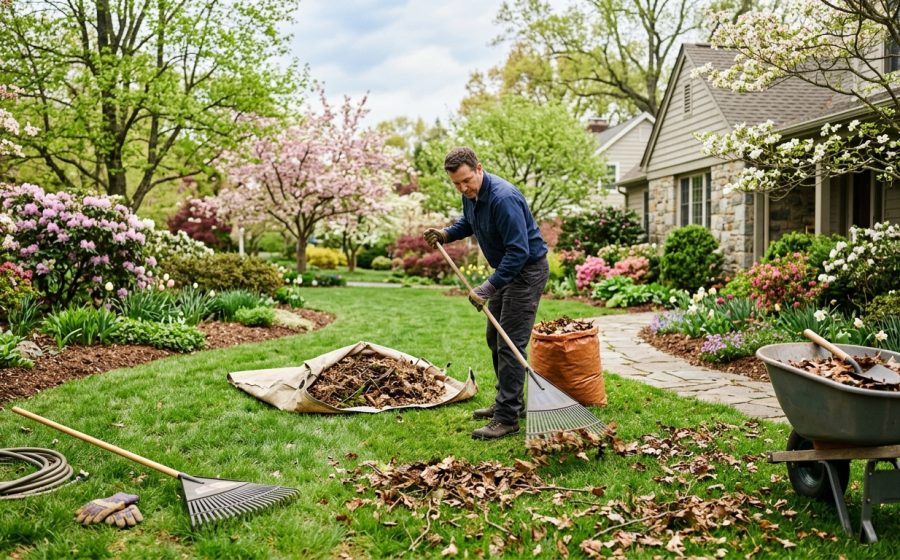
Spring Lawn Cleanup: 5 Steps to a Lush Minneapolis Lawn
Spring Lawn Cleanup: 5 Steps to a Healthy Lawn
As the snow melts and the days get longer, homeowners in Minneapolis are eager to get their lawns back in shape. A comprehensive spring lawn cleanup is essential for removing winter debris, addressing damage, and setting the stage for a healthy, vibrant lawn throughout the growing season.
Neglecting this crucial step can lead to a host of problems, from snow mold and pest infestations to nutrient deficiencies and poor growth. This guide outlines five essential steps to ensure your lawn thrives after a long Minnesota winter.
Step 1: Removing Debris and Assessing Lawn Damage
Minneapolis lawns often accumulate a variety of debris over the winter months. This includes fallen leaves, broken branches, dead grass, and even remnants of snow mold. Removing this debris is the first step in spring lawn cleanup, allowing sunlight and air to reach the grass and preventing the spread of disease.
Use a rake to gently remove leaves and branches, being careful not to damage the emerging grass shoots. For areas affected by snow mold, gently rake the affected areas to break up the crust and promote air circulation. Dispose of the debris properly, either by composting it or bagging it for collection.
Once the debris is cleared, assess your lawn for signs of winter damage. Look for vole tunnels, salt damage near sidewalks and driveways, and lingering patches of snow mold. Note any areas that appear thin, bare, or discolored, as these may require special attention later in the cleanup process.
Step 2: Dethatching and Aerating for a Healthier Lawn
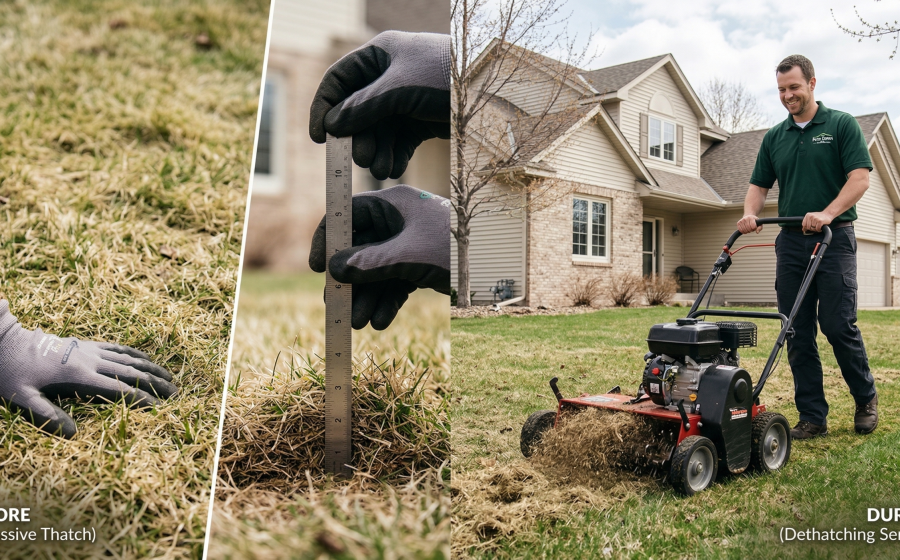
Thatch is a layer of dead organic matter that accumulates between the grass blades and the soil surface. A thin layer of thatch can be beneficial, but excessive thatch can prevent water, air, and nutrients from reaching the soil, leading to a weakened and unhealthy lawn.
To determine if dethatching is necessary, perform the “screwdriver test.” Push a screwdriver into the lawn; if you meet significant resistance before reaching the soil, or if the thatch layer is more than half an inch thick, dethatching is recommended.
Choosing the Right Aeration Method
Aeration is the process of creating small holes in the soil to improve air circulation, water drainage, and nutrient absorption. This is particularly important for Minneapolis lawns, which often have heavy clay soils that can become compacted over time. Aerating in spring helps to alleviate compaction and allows the grass roots to grow deeper and stronger.
Core aeration, which involves removing small plugs of soil, is generally more effective than spike aeration, which simply pokes holes in the ground. When renting an aerator, be aware that many rental units are too light to effectively penetrate the dense clay soils common in the Minneapolis area. Ask the rental company about the weight and tine depth of the aerator to ensure it is suited to your needs.
The best time for april lawn care dethatching and aeration in Minneapolis is typically in the spring, after the ground has thawed and the grass has begun to actively grow. This allows the lawn to recover quickly from the dethatching and aeration process.
Step 3: Fertilizing and Weed Control for a Vibrant Lawn
After a long winter, your lawn’s nutrient reserves are likely depleted. Fertilizing in the spring provides the essential nutrients that grass needs to grow strong and healthy. The key nutrients for spring lawn growth are nitrogen, phosphorus, and potassium, often represented as N-P-K on fertilizer labels.
For Minneapolis lawns, a slow-release fertilizer is often the best choice, as it provides a steady supply of nutrients over a longer period. Organic fertilizers are also a good option, as they improve soil health and reduce the risk of burning the lawn. Apply fertilizer according to the manufacturer’s instructions, being careful not to over-fertilize, which can damage the grass.
Spring is also the time when many common weeds begin to emerge in Minneapolis lawns. These include dandelions, crabgrass, and plantain. Controlling weeds early in the season is essential for preventing them from spreading and competing with the grass for resources.
Pre-Emergent Herbicides
Pre-emergent herbicides are effective at preventing weed seeds from germinating. Apply a pre-emergent herbicide in the spring, before weed seeds begin to sprout. Follow the product label carefully, as improper application can harm your lawn. For existing weeds, a post-emergent herbicide can be used to kill them.
Consider professional lawn care services for optimal results. Peter Doran Lawn and Landscaping offers comprehensive fertilizer and weed control programs tailored to the specific needs of Minneapolis lawns.
Step 4: Overseeding or Reseeding Bare Spots
Winter damage, disease, or heavy foot traffic can leave bare spots in your lawn. Overseeding or reseeding these areas in the spring is essential for restoring a thick, uniform turf. Before overseeding or reseeding, prepare the bare spots by removing any dead grass or debris and loosening the soil with a rake.
Choose a grass seed that is well-suited to the Minneapolis climate. Kentucky bluegrass is a popular choice for its fine texture and ability to tolerate cold winters. Perennial ryegrass is another option, known for its quick germination and establishment. Spread the seed evenly over the prepared area, and lightly rake it into the soil.
Keep the seeded area moist until the grass seedlings emerge, typically within 7-14 days. Water frequently, but avoid overwatering, which can wash away the seeds. Once the seedlings are established, gradually reduce the watering frequency.
Step 5: First Mowing and Ongoing Lawn Maintenance
After completing the initial spring lawn cleanup, it’s time for the first mowing of the season. Wait until the grass has reached a height of about 3 inches before mowing. Set your mower blade to the highest setting to avoid cutting the grass too short, which can stress the lawn and make it more susceptible to weeds and disease.
As the growing season progresses, continue to mow regularly, removing no more than one-third of the grass blade at a time. Water deeply and infrequently, allowing the soil to dry out slightly between waterings. This encourages deep root growth and makes the lawn more drought-tolerant.
Regular lawn maintenance is crucial for keeping your lawn healthy and vibrant throughout the year. This includes fertilizing, weed control, aeration, and dethatching as needed. By following these steps, you can ensure that your Minneapolis lawn thrives for years to come.
Frequently Asked Questions
What specific challenges do Minneapolis lawns face during the winter?
Minneapolis lawns endure harsh winters with heavy snowfall, freezing temperatures, and fluctuating freeze-thaw cycles. These conditions can lead to snow mold, vole damage, salt damage from de-icing, and soil compaction, all of which can weaken the grass and make it more susceptible to disease and pests.
What are the best practices for removing snow mold from lawns?
Gently rake the affected areas to break up the crust and promote air circulation. Avoid over-fertilizing with nitrogen in the fall, as this can increase the risk of snow mold. Consider applying a fungicide in the fall if snow mold has been a recurring problem.
How does clay soil affect lawn aeration, and what are the best aeration techniques for clay soil?
Clay soil compacts easily, reducing air and water flow to the roots. Core aeration, which removes plugs of soil, is more effective than spike aeration for clay soil. Aerate when the soil is moist but not saturated, and consider multiple passes with the aerator to ensure adequate penetration.
What are the environmental considerations when choosing fertilizers and weed control products?
Choose slow-release or organic fertilizers to minimize the risk of nutrient runoff. Use herbicides sparingly and spot-treat weeds whenever possible. Consider using natural weed control methods, such as hand-pulling or vinegar-based herbicides. The University of Minnesota Extension offers valuable resources on sustainable lawn care practices.
How can homeowners prevent lawn damage from salt used for de-icing?
Use salt sparingly and choose calcium chloride or magnesium chloride, which are less harmful to plants than sodium chloride. Apply a gypsum-based soil amendment to help neutralize the salt in the soil. Create a physical barrier, such as burlap, to protect plants from salt spray.
What are the long-term benefits of proper spring lawn cleanup?
Proper spring lawn cleanup promotes a healthy, vibrant lawn that is more resistant to disease, pests, and drought. It also improves the overall appearance of your property and increases its value. A well-maintained lawn provides a beautiful and functional outdoor space for your family to enjoy.
What are the signs that a lawn needs professional attention after winter?
If your lawn has extensive damage, such as large bare spots, severe snow mold, or significant vole activity, it may be time to call a professional. Also, if you are unsure about the proper techniques for dethatching, aerating, or fertilizing, a professional lawn care service can ensure that the job is done correctly and safely.
A thorough spring lawn cleanup is the single most important step you can take to ensure a healthy and beautiful lawn throughout the growing season. By removing debris, addressing winter damage, and providing essential nutrients, you set the stage for strong growth and a vibrant green turf.
While these steps are straightforward, achieving optimal results often requires specialized knowledge and equipment. At Peter Doran Lawn & Landscaping, we have decades of experience caring for Minneapolis lawns, and our team can provide the expertise and resources needed to get your lawn off to a great start this spring.
Don’t let winter damage hold your lawn back. Contact us today to get a free quote and let our team help you achieve the lush, green lawn you’ve always wanted.
Dethatching 101: Is Your Minneapolis Lawn Ready for Spring?
Is Dethatching Right for Your Minneapolis Lawn?
As spring arrives in Minneapolis, homeowners turn their attention to their lawns, eager to see them thrive after a long winter. One common issue that can prevent a lawn from reaching its full potential is thatch buildup. Dethatching the lawn is the process of removing this layer of dead organic material, and understanding whether your lawn needs it is the first step toward a healthier, greener yard.
Thatch is a layer of dead and living organic matter that accumulates between the green grass blades and the soil surface. In Minneapolis, our cool-season grasses and distinct seasonal changes can contribute to thatch accumulation. This layer, if excessive, prevents water, air, and nutrients from reaching the soil and grass roots, hindering healthy growth.
Spring is often the ideal time for dethatching in Minneapolis because the grass is actively growing and can recover quickly from the process. Removing the thatch layer at this time allows the lawn to take full advantage of the spring growing season, leading to a lush and vibrant lawn throughout the summer.
5 Signs Your Minneapolis Lawn Needs Dethatching
Identifying whether your lawn has excessive thatch buildup is crucial for determining if dethatching is necessary. Several telltale signs can indicate that your Minneapolis lawn needs dethatching service to restore its health and vitality.
One of the most noticeable signs is a spongy feel underfoot. A healthy lawn should feel firm, but excessive thatch creates a soft, bouncy surface. This sponginess indicates that the thatch layer is thick enough to cushion your steps, preventing you from feeling the solid ground beneath.
Poor water penetration is another key indicator. To test this, water a small area of your lawn and observe how quickly the water soaks into the soil. If the water pools on the surface or takes a long time to absorb, the thatch layer is likely preventing it from reaching the roots.
Increased pest and disease problems can also signal a thatch issue. Thatch provides a breeding ground for various lawn pests and diseases, such as fungal infections like snow mold and insect infestations. These problems are more likely to occur and persist in lawns with thick thatch layers.
Thin or patchy grass growth is a common symptom of excessive thatch. The thatch layer can inhibit new grass growth by blocking sunlight and preventing seedlings from reaching the soil. This results in a lawn that looks sparse and uneven.
Finally, a visible thatch layer thicker than half an inch is a clear sign that dethatching is needed. Examine the base of your grass plants near the soil surface. If you see a dense, brown layer of dead and decaying material that exceeds this thickness, it\’s time to consider dethatching your lawn.
The Benefits of Dethatching Your Lawn
Dethatching offers numerous benefits for your lawn\’s health and appearance. By removing the barrier of dead organic matter, you create an environment that promotes vigorous growth and resilience.
Improved air and water circulation is a primary benefit. Dethatching allows air and water to penetrate the soil more easily, reaching the grass roots and promoting healthy root development. This improved circulation also helps prevent soil compaction and encourages beneficial microbial activity.
Enhanced nutrient absorption is another significant advantage. Removing the thatch layer allows fertilizers and other soil amendments to reach the roots directly, maximizing their effectiveness. This results in a lawn that can better utilize the nutrients it needs to thrive.
Dethatching also reduces the risk of lawn diseases. By removing the moist, dense environment that thatch provides, you make it less hospitable for disease-causing pathogens. This helps prevent common lawn diseases and keeps your grass healthy and vibrant.
Ultimately, dethatching promotes thicker, healthier grass growth. By removing the barrier to air, water, and nutrients, you create an optimal environment for new grass to emerge and existing grass to flourish. While aeration can help with soil compaction, it doesn\’t remove the thatch layer itself, making dethatching a more direct solution for thatch-related problems.
Dethatching Tools: Which is Right for Your Lawn?
Choosing the right dethatching tool depends on the size of your lawn and the severity of the thatch buildup. Several options are available, each with its own advantages and disadvantages.
A dethatching rake is a manual tool with curved, sharp tines designed to pull thatch from the lawn. This tool is best suited for small lawns with light thatch buildup. While it requires more physical effort, it offers precise control and is a cost-effective option for minor thatch issues.
A power rake, also known as a dethatcher, is a motorized machine that uses rotating tines to lift and remove thatch. Power rakes are more efficient than manual rakes and are suitable for medium-sized lawns with moderate thatch buildup. However, they can be aggressive and may damage healthy grass if not used carefully.
A vertical mower, or dethatching machine, is a heavy-duty machine with vertical blades that slice through the thatch layer and pull it to the surface. This tool is necessary for large lawns with severe thatch buildup. Vertical mowers are the most effective option for removing thick thatch layers, but they can also be the most damaging to the lawn if used improperly.
Rotary mowers with dethatching attachments are another option. These attachments typically consist of spring-loaded tines that attach to the mower deck and help lift thatch as you mow. While convenient, these attachments are generally less effective than dedicated dethatching tools and are best suited for light thatch removal.
For homeowners in the Minneapolis area who prefer not to purchase dethatching equipment, rental options are readily available at many local hardware stores and rental centers. When renting a unit, be sure to inspect it for any damage or wear and tear, and ask for instructions on how to use it properly. Choose a machine that is appropriately sized for your lawn and the amount of thatch you need to remove.
How to Dethatch Your Lawn: A Step-by-Step Guide
Dethatching your lawn requires careful execution to avoid damaging the grass. Follow these steps for effective and safe dethatching.
First, mow the lawn to a height of about 2 inches. Mowing before dethatching helps the dethatching tool reach the thatch layer more effectively and reduces the amount of grass clippings mixed in with the removed thatch.
Next, set the dethatching tool to the correct depth. The goal is to remove the thatch layer without damaging the healthy grass. Start with a shallow setting and gradually increase the depth until the tool is effectively removing thatch without digging into the soil. A good starting point is about ¼ to ½ inch.
Dethatch the lawn in multiple passes, using a consistent pattern. Make one pass in one direction, then make a second pass perpendicular to the first. This cross-hatching pattern ensures thorough thatch removal. Overlap each pass slightly to avoid leaving any areas untouched.
After dethatching, rake up and remove the thatch. Use a leaf rake or thatching rake to gather the loose thatch and dispose of it properly. You can compost the thatch or bag it for disposal with your regular yard waste.
Common mistakes homeowners make when dethatching include setting the dethatching tool too deep, dethatching during the wrong time of year, and failing to properly prepare the lawn beforehand. To avoid these mistakes, always start with a shallow setting, dethatch during the active growing season, and mow the lawn before dethatching. Taking these precautions will help ensure a successful dethatching experience.
After Dethatching: What to Do Next
The steps you take after dethatching are crucial for ensuring your lawn recovers quickly and thrives. Proper post-dethatching care will help your lawn bounce back stronger than ever.
Begin by raking up any remaining debris. Even after the initial cleanup, some loose thatch may remain on the lawn surface. Removing this debris ensures that new grass seedlings have direct contact with the soil.
Overseed the lawn with a high-quality grass seed blend suitable for Minneapolis lawns. Kentucky bluegrass, fine fescues, and perennial ryegrass are all good choices. Overseeding helps fill in any bare spots created by dethatching and promotes a thicker, more uniform lawn.
Fertilize the lawn with a starter fertilizer that is high in phosphorus. Phosphorus promotes root development, which is essential for new grass seedlings. Follow the instructions on the fertilizer bag for proper application rates.
Water the lawn thoroughly and frequently after dethatching. Keep the soil consistently moist, but not waterlogged, until the new grass seedlings have established. Aim to water deeply and infrequently, rather than shallowly and frequently.
Signs of successful dethatching and recovery include new grass growth, improved water penetration, and a reduction in spongy feel. Over time, your lawn should become thicker, greener, and more resistant to pests and diseases.
Maintaining a Healthy Lawn: Peter Doran Lawn Care Services
Regular lawn maintenance is key to preventing excessive thatch buildup and maintaining a healthy lawn. Proper mowing, fertilization, and watering practices can help minimize thatch accumulation and promote vigorous grass growth.
At Peter Doran Lawn, we offer a comprehensive range of lawn care services to keep your lawn healthy and beautiful. In addition to dethatching, our services include lawn mowing, fertilization, weed control, and aeration. These services are designed to address all aspects of lawn health and ensure that your lawn looks its best year-round.
Choosing a local lawn care provider like Peter Doran Lawn ensures that your lawn receives the specific care it needs to thrive in the Minneapolis climate. We understand the unique challenges of maintaining lawns in this region and can provide customized solutions to address your needs.
Frequently Asked Questions
What are the signs of lawn diseases that can be exacerbated by thatch?
Thatch creates a moist, dense environment that favors fungal growth, leading to diseases like brown patch, dollar spot, and snow mold. These diseases often manifest as discolored patches, lesions on grass blades, or a cottony growth on the lawn surface. Addressing thatch buildup is crucial in preventing and managing these lawn diseases.
How do you adjust your dethatching technique for different types of grass (e.g., Kentucky bluegrass vs. fescue)?
Different grass types have varying tolerances to dethatching. Kentucky bluegrass, being a more aggressive spreader, can generally withstand more aggressive dethatching. Fescues, on the other hand, are more sensitive and require a gentler approach. Adjusting the depth and intensity of dethatching based on the grass type is essential to avoid damaging the lawn.
How often do you need to dethatch your lawn in Minneapolis?
How often you dethatch your lawn in Minneapolis depends on several factors, including the type of grass, soil conditions, and maintenance practices. Generally, most lawns benefit from dethatching every one to three years. However, if you notice signs of excessive thatch buildup, such as a spongy feel or poor water penetration, it may be necessary to dethatch more frequently.
Can I dethatch my lawn by myself?
Dethatching can be done yourself, but it requires the right tools and knowledge to do it effectively and safely. If you have a small lawn with light thatch buildup, you may be able to dethatch it manually with a dethatching rake. However, for larger lawns or more severe thatch problems, it\’s best to hire a professional dethatching service to ensure the job is done correctly.
When is the best time to dethatch my lawn in Minneapolis?
The best time of year to dethatch your lawn in Minneapolis is typically in the spring or early fall, when the grass is actively growing. Avoid dethatching during the heat of summer or when the grass is dormant, as this can stress the lawn and slow its recovery.
What are the signs of lawn diseases that can be exacerbated by thatch?
Thatch creates a moist, dense environment that favors fungal growth, leading to diseases like brown patch, dollar spot, and snow mold. These diseases often manifest as discolored patches, lesions on grass blades, or a cottony growth on the lawn surface. Addressing thatch buildup is crucial in preventing and managing these lawn diseases.
Dethatching is a vital practice for maintaining a healthy lawn in Minneapolis, removing the barrier that prevents essential nutrients from reaching the soil and promoting vigorous grass growth. By recognizing the signs of thatch buildup and understanding the proper dethatching techniques, homeowners can take proactive steps to ensure their lawns thrive.
While dethatching can be a DIY project, achieving optimal results often requires professional expertise. At Peter Doran Lawn, we have years of experience providing dethatching services tailored to the specific needs of Minneapolis lawns. Our team uses professional-grade equipment and proven techniques to remove thatch effectively and safely, ensuring your lawn recovers quickly and looks its best.
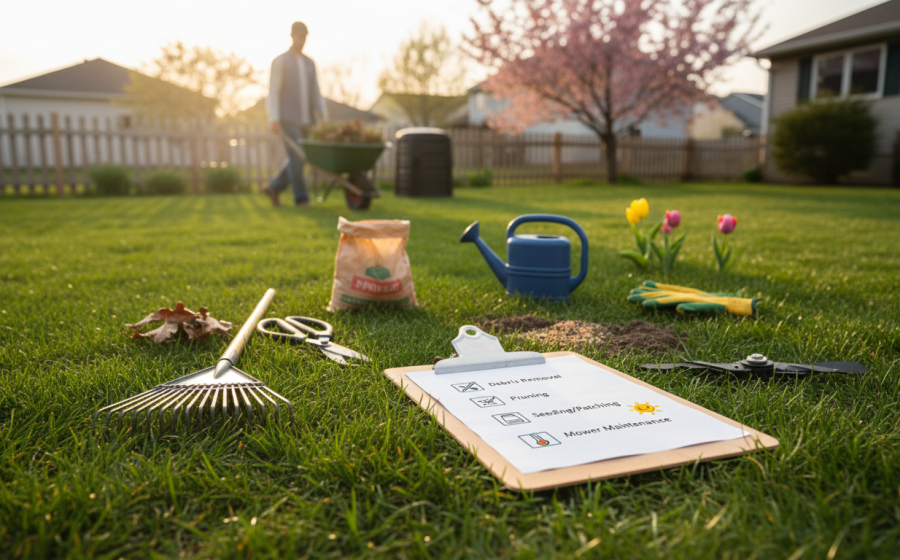
Spring Yard Cleanup Checklist: What Minneapolis Homeowners Need to Know
Spring Lawn Cleanup Checklist for Minneapolis
As winter loosens its grip on Minneapolis, the promise of a lush, green lawn beckons. But before you can enjoy your outdoor space, a thorough spring lawn cleanup is essential. This spring lawn cleanup checklist is specifically tailored for Minneapolis homeowners, addressing the unique challenges our lawns face after enduring harsh winters and heavy snow. From removing winter debris to preparing your soil for new growth, this guide will help you achieve a healthy and vibrant lawn this season.
A well-executed spring cleanup not only enhances your lawn's appearance but also promotes healthy growth by removing dead organic matter, improving air circulation, and preventing disease. By following this comprehensive checklist, you'll give your Minneapolis lawn the best possible start to the growing season, ensuring a beautiful and enjoyable outdoor space for the months ahead.
Phase 1: Removing Winter Debris and Damage
The first step in any spring lawn cleanup is to remove the accumulation of leaves, branches, and other debris that have gathered over the winter months. This debris can smother your grass, preventing sunlight and air from reaching the new growth. Removing this material is crucial for preventing mold and other diseases that thrive in damp, dark conditions.
For debris removal, a leaf rake is your best friend. Use it gently to avoid damaging emerging grass blades. Be especially careful around areas where snow mold may be present. Snow mold appears as circular, discolored patches and can be exacerbated by aggressive raking. If you find vole damage, which appears as shallow tunnels through the grass, lightly rake the area to encourage regrowth.
While raking is essential, avoid overdoing it. Raking too aggressively can damage delicate new grass blades and disturb the soil. Focus on removing the debris without tearing or uprooting the grass. A light touch is key to a successful spring lawn cleanup, especially in Minneapolis where lawns are just emerging from winter dormancy.
Phase 2: Essential Lawn Care Tasks
Once the debris is cleared, it's time to tackle the core lawn care tasks that will set the stage for a healthy growing season. These tasks include mowing, dethatching, aerating, and overseeding, each playing a vital role in revitalizing your Minneapolis lawn.
The timing of your first mow is crucial. Wait until the grass has reached a height of about 3 inches before mowing, and never remove more than one-third of the grass blade in a single mowing. This prevents stress on the grass and encourages healthy root growth. A sharp mower blade is essential for a clean cut, which reduces the risk of disease.
Dethatching is the process of removing the layer of dead organic matter (thatch) that accumulates between the grass blades and the soil surface. A thick layer of thatch can prevent water, air, and nutrients from reaching the roots. For Minneapolis lawns, dethatching is generally recommended if the thatch layer is thicker than ½ inch. A power rake or vertical mower can be used for this task.
Aeration is another essential task, especially for Minneapolis lawns with heavy clay soils. Core aeration, which involves removing small plugs of soil, is preferred over spike aeration because it relieves soil compaction and improves drainage. Clay soil tends to compact easily, hindering root growth and water infiltration. Many rental aerators are too light to effectively penetrate clay-heavy soil, so ask the rental place about the machine's weight and tine depth to ensure it's up to the task.
Overseeding involves spreading grass seed over your existing lawn to fill in bare spots and thicken the turf. Choose a grass seed blend that is well-suited for Minneapolis' climate and soil conditions. Kentucky bluegrass, fine fescues, and perennial ryegrass are common choices. For shaded lawns, be sure to select a blend designed for less sunlight. You can improve your lawn's health and appearance by using the right fertilizer for shaded lawns.
Phase 3: Garden Bed and Landscape Maintenance
Spring lawn cleanup isn't just about the grass; it also includes preparing your garden beds and maintaining the overall landscape. These tasks will ensure that your entire outdoor space is ready for the growing season.
Start by cleaning out your garden beds, removing any dead leaves, weeds, and debris that have accumulated over the winter. Loosen the soil with a garden fork or tiller, and add compost or other organic matter to improve soil fertility. This will provide your plants with the nutrients they need to thrive. Next, apply a layer of mulch to help retain moisture, suppress weeds, and regulate soil temperature. Wood chips, shredded bark, and straw are all good choices for Minneapolis gardens.
Pruning is an important part of spring landscape maintenance. Prune trees and shrubs to remove dead, damaged, or diseased branches. Spring-flowering shrubs should be pruned after they bloom, while summer-flowering shrubs can be pruned in early spring. Always use sharp, clean pruning tools to prevent the spread of disease.
Finally, inspect your hardscapes, such as patios and walkways, for any damage that may have occurred over the winter. Check for cracks, loose stones, or uneven surfaces. Small cracks may be cosmetic, but larger cracks could indicate structural issues that need to be addressed. Addressing these issues early will prevent further damage and ensure the safety of your outdoor space.
Phase 4: Irrigation and Pest/Disease Prevention
With the lawn and garden beds prepped, it's time to focus on irrigation and preventative measures against pests and diseases. These steps will help ensure that your lawn stays healthy and vibrant throughout the growing season.
Start by inspecting your irrigation system for any damage that may have occurred over the winter. Check for leaks, broken sprinkler heads, and clogged nozzles. Common failure points include frozen pipes and damaged sprinkler heads. Repair any issues promptly to ensure that your lawn receives adequate water throughout the season.
Minneapolis lawns are susceptible to several common diseases during the spring, including snow mold, dollar spot, and brown patch. Preventative measures include proper mowing, watering, and fertilization practices. Avoid overwatering, which can create a favorable environment for disease.
Instead of applying broad-spectrum pesticides preventatively, monitor your lawn for signs of pests and diseases and treat only when necessary. This approach minimizes the impact on beneficial insects and the environment. The University of Minnesota Extension provides valuable resources for identifying and managing lawn diseases. The University of Minnesota Extension is a great resource for local lawn care information.
Is a DIY Spring Cleanup Right for You? When to Call the Pros
While this spring lawn cleanup checklist provides a comprehensive guide for DIY enthusiasts, it's important to assess whether a DIY approach is the right choice for you. Consider your physical capabilities, time constraints, and the extent of the cleanup required. If you have a large property, limited time, or physical limitations, hiring a professional may be a more practical option.
Estimating the cost of DIY cleanup versus professional services is also crucial. DIY cleanup involves the cost of tools, equipment rentals, and materials like fertilizer and mulch. Professional services may seem more expensive upfront, but they can save you time, effort, and potential mistakes. For many homeowners, the convenience and expertise of a professional are well worth the investment.
At Peter Doran Lawn, we understand the demands of modern life. Our spring yard cleanup services can save you valuable time and effort, ensuring a healthy and vibrant lawn without the hassle. We've been serving the Minneapolis area since 1993, and our clients praise the thoroughness of our spring cleanup services, as well as the responsiveness and courtesy of our team. We strive to leave every lawn "neat and clean," ready for a beautiful growing season.
Frequently Asked Questions
What specific types of debris are most common on Minneapolis lawns after winter?
Minneapolis lawns often accumulate a mix of leaves, branches, and dead grass after winter. The weight of snow can also lead to matted-down areas and broken branches. Additionally, you might find remnants of winter ice melt products, which can affect soil pH and grass health.
What are the most common signs of snow mold damage on lawns?
Snow mold typically appears as circular patches of discolored grass, ranging from grayish-white to pinkish-orange. The grass blades may be matted together and feel slimy. These patches are most visible as the snow melts and can persist if not treated properly.
How does clay soil affect aeration and dethatching techniques?
Clay soil's density requires more robust aeration techniques, such as core aeration, to effectively relieve compaction. Dethatching clay soil can be more challenging, as the thatch tends to bind tightly to the soil surface. Using a power rake or vertical mower with adjustable settings is recommended to avoid damaging the grass.
Enjoy a Beautiful Minneapolis Lawn This Spring
By following this spring lawn cleanup checklist, you'll set the stage for a healthy and vibrant lawn in Minneapolis. From removing winter debris and addressing lawn damage to preparing garden beds and preventing pests and diseases, each step is crucial for revitalizing your outdoor space.
While a DIY approach can be rewarding, achieving a pristine lawn requires time, effort, and expertise. At Peter Doran Lawn, we're committed to providing dependable, quality service with excellence. Our experienced team uses the best products available on the market and stands by our workmanship 100%.
The Ultimate Guide to Spring Lawn Fertilization in Minneapolis
Fertilizing Your Minneapolis Lawn This Spring
As winter loosens its grip on Minneapolis, homeowners turn their attention to reviving their lawns. Spring lawn fertilization is a critical step in achieving a lush, green expanse, but it's not as simple as scattering fertilizer. The unique climate and soil conditions of Minneapolis demand a tailored approach to ensure optimal results. This guide will walk you through everything you need to know about spring lawn fertilization, from understanding your soil to choosing the right fertilizer and timing your application perfectly.
Understanding Minneapolis Soil and Climate for Optimal Fertilization
Minneapolis lawns face unique challenges due to the region's soil composition and climate. The most common soil types are clay-based, which can become compacted and hinder nutrient absorption. This means that even with fertilization, your lawn might struggle if the soil isn't properly aerated and amended.
Minneapolis' weather patterns, characterized by harsh freeze-thaw cycles and significant snow cover, also play a crucial role. These cycles can stress grass and deplete essential nutrients from the soil, making spring fertilization even more important. The timing of your fertilization needs to account for these factors, ensuring the grass can effectively utilize the nutrients as it emerges from dormancy.
Recognizing the signs of nutrient deficiencies is key to addressing your lawn's specific needs. Yellowing leaves, slow growth, and increased susceptibility to disease are all indicators that your lawn may be lacking essential nutrients. To get a precise understanding of your soil's condition, conduct a soil test to determine its pH and nutrient levels, which will inform your fertilization plan.
Choosing the Right Fertilizer for Your Minneapolis Lawn
Selecting the right fertilizer is crucial for a healthy Minneapolis lawn. The three key nutrients, nitrogen (N), phosphorus (P), and potassium (K), each play a vital role: nitrogen promotes green growth, phosphorus supports root development, and potassium enhances overall plant health and disease resistance. Understanding the NPK ratio on fertilizer labels is essential for choosing a product that meets your lawn's specific needs.
Fertilizers are available in both slow-release and quick-release formulations, each with its own advantages. Slow-release fertilizers provide a steady supply of nutrients over an extended period, reducing the risk of fertilizer burn and promoting consistent growth. Quick-release fertilizers, on the other hand, deliver a rapid burst of nutrients, ideal for jump-starting growth in the spring, but they require more careful application to avoid damage.
The best fertilizer formulations for Minneapolis lawns depend on the type of grass you have. Kentucky bluegrass, perennial ryegrass, and fescues are common in the area, and each has slightly different nutrient requirements. Consider whether organic or synthetic fertilizers are right for your lawn. Organic fertilizers offer a more environmentally friendly approach, enriching the soil over time, while synthetic fertilizers provide a concentrated dose of nutrients for faster results.
One common mistake to avoid is over-fertilizing, which can lead to fertilizer burn and environmental pollution. Always follow the manufacturer's instructions carefully and apply fertilizer evenly to prevent damage. Understanding these nuances will help you select the most effective fertilizer for your lawn's specific needs and conditions.
When to Fertilize Your Lawn in Spring: Minneapolis Timing
Timing is everything when it comes to spring lawn fertilization in Minneapolis. The ideal time to fertilize is when the soil temperature consistently reaches 55 degrees Fahrenheit. This is when grass begins to actively grow and can effectively absorb nutrients.
You can monitor soil temperature using a soil thermometer, readily available at garden centers, or by consulting online resources that track local soil temperatures. Pay attention to the signs that your lawn is emerging from winter dormancy, such as new green shoots appearing. These are indicators that it's almost time to fertilize.
Fertilizing too early, before the soil has warmed up sufficiently, can be ineffective, as the grass won't be able to utilize the nutrients. Fertilizing too late, after the initial growth spurt, may not provide the same benefits. Remember that dethatching can also improve nutrient absorption.
Spring cleanup also affects the timing of fertilization. Removing debris and thatch allows the fertilizer to reach the soil more easily, maximizing its effectiveness. By carefully monitoring soil temperature and observing your lawn's growth, you can determine the optimal time for spring lawn fertilization and set your lawn up for a healthy growing season.
How to Apply Fertilizer Correctly in Minneapolis
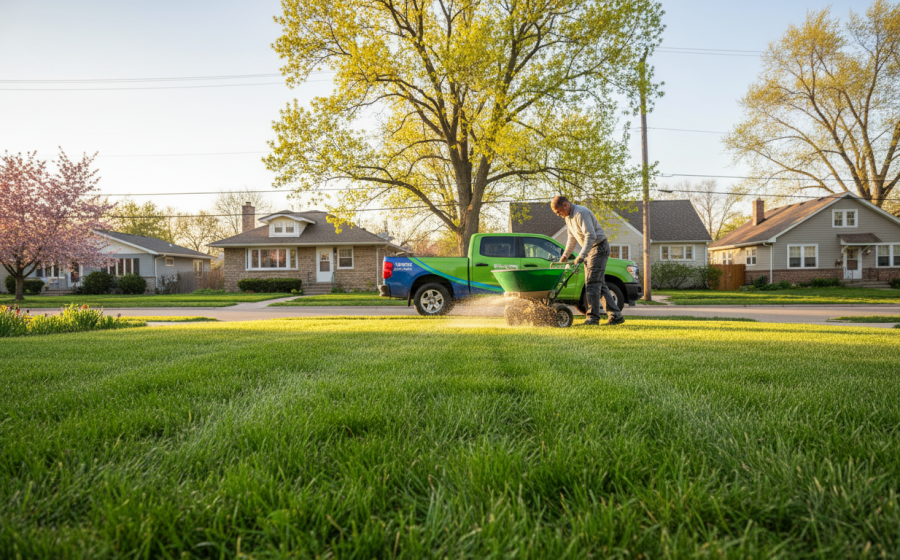
Proper fertilizer application is just as important as choosing the right fertilizer and timing. You'll need a fertilizer spreader, either a broadcast spreader for larger areas or a drop spreader for more precise application. Always wear gloves and eye protection when handling fertilizer to avoid skin and eye irritation.
Calibrating your fertilizer spreader is essential for accurate application. Follow the manufacturer's instructions to set the spreader to the correct setting for the type of fertilizer you're using. Apply fertilizer in overlapping passes to ensure even coverage, avoiding streaks or missed spots.
To prevent fertilizer burn, avoid applying fertilizer on hot, sunny days or to a dry lawn. Water the lawn thoroughly after application to help the fertilizer dissolve and penetrate the soil. By following these steps, you can ensure that your fertilizer is applied effectively and safely, promoting a healthy and vibrant lawn.
Spring Cleanup: The Foundation for a Healthy Lawn
Before you even think about fertilizing, spring cleanup is essential for preparing your lawn. Removing accumulated debris, dead leaves, and thatch is crucial for allowing fertilizer to reach the soil and nourish the grass roots. This process improves air circulation and sunlight penetration, creating a healthier environment for growth.
A thorough spring cleanup involves raking the lawn to remove debris and thatch, which is a layer of dead organic matter that can build up over time. Removing this layer allows the fertilizer to penetrate the soil more effectively, maximizing its benefits. This step ensures that the nutrients are readily available to the grass roots, promoting healthy growth.
Frequently Asked Questions
How do I identify the nutrient deficiencies in my lawn?
Nutrient deficiencies manifest in various ways: nitrogen deficiency causes yellowing leaves, phosphorus deficiency results in stunted growth and purplish leaves, and potassium deficiency leads to yellowing leaf edges and increased disease susceptibility. A soil test provides the most accurate diagnosis, revealing the specific nutrient levels in your soil. Addressing these deficiencies with the appropriate fertilizer will help restore your lawn's health and vitality.
What are the best fertilizer options for my type of grass?
Kentucky bluegrass thrives with a fertilizer high in nitrogen, while fine fescues prefer a more balanced NPK ratio. Consider a slow-release fertilizer for consistent feeding or a quick-release option for a rapid green-up. Consulting with a local lawn care expert can provide tailored recommendations based on your grass type and soil conditions.
How do I calibrate my fertilizer spreader?
Calibrating your fertilizer spreader ensures accurate application rates. Start by consulting the fertilizer bag for recommended spreader settings. Then, test the spreader by applying fertilizer to a small area and measuring the amount dispensed. Adjust the settings as needed until the application rate matches the recommendation, preventing over- or under-fertilization.
What are the common mistakes people make when fertilizing their lawn?
Common mistakes include over-fertilizing, which can burn the lawn, and applying fertilizer unevenly, leading to patchy growth. Fertilizing during hot weather can also stress the grass. Always follow the fertilizer's instructions carefully, apply evenly, and water the lawn thoroughly after application to avoid these issues.
How does spring cleanup affect the timing of fertilization?
Spring cleanup, including removing debris and thatch, should precede fertilization. Removing this material allows fertilizer to reach the soil and grass roots more effectively. This improves nutrient absorption and promotes healthier growth, maximizing the benefits of your fertilization efforts.
Achieving a Lush Minneapolis Lawn This Spring
Achieving a lush, green lawn in Minneapolis this spring requires a strategic approach that considers the unique challenges of the local climate and soil. From understanding your soil's composition to selecting the right fertilizer and timing your application correctly, each step is crucial for success. Remember that spring lawn fertilization is an investment in the long-term health and beauty of your outdoor space.
At Peter Doran Lawn, we understand the intricacies of lawn care in the Minneapolis area. Our experienced team can provide expert guidance and tailored solutions to help you achieve a healthy, vibrant lawn. We use only the best products and techniques to ensure long-lasting results, and we stand by our workmanship 100%.
Recent Comments