- (763) 595-1440
- info@peterdoranlawn.com
- 14360 James Rd, Rogers, MN


Minneapolis Gutter Cleaning: Summer Prep
As Minneapolis homeowners know, the city’s weather can be unpredictable, with heavy summer rains often following harsh winters. This makes proactive maintenance essential, particularly for your home’s drainage system. Effective gutter cleaning in Minneapolis is not just a seasonal chore; it’s a critical component of protecting your property from water damage, especially as summer storms approach.
Neglecting your gutters can lead to a cascade of costly problems, impacting everything from your foundation to your landscaping. Understanding the specific challenges posed by Minneapolis’s climate, from spring debris to summer downpours, is key to maintaining a healthy home. Professional gutter cleaning ensures that your system is clear and ready to handle whatever the weather brings, preventing overflow and directing water away efficiently.
This article will explore why summer preparation for your gutters is so vital and how it contributes to the long-term integrity of your home.
The Critical Role of Gutter Cleaning in Minneapolis for Summer Storms
Minneapolis experiences a distinct seasonal cycle that profoundly impacts gutter performance, making regular maintenance indispensable. Spring brings a flush of tree debris, including seeds, blossoms, and small twigs, which quickly accumulate and begin to clog drainage systems. This initial buildup, if left unaddressed, forms a dense barrier that prevents water from flowing freely, setting the stage for significant issues once summer rains arrive.
When summer storms hit, often with intense downpours, clogged gutters cannot cope with the volume of water. Instead of channeling rainwater safely away from your home, the water overflows, cascading down siding, saturating the ground around your foundation, and potentially seeping into your basement. This constant exposure to excessive moisture can lead to structural damage, mold growth, and compromised landscaping, all of which are expensive to repair.
Proactive gutter cleaning before the peak summer storm season is therefore a preventative measure that saves homeowners considerable expense and stress. It ensures that your home’s first line of defense against water damage is fully operational, capable of handling the heaviest rainfall without faltering. This preparation is especially crucial in a climate like Minneapolis, where seasonal transitions bring unique challenges to home exterior maintenance.
Understanding Minneapolis’s Unique Weather Impact on Gutters
Minneapolis’s climate presents a specific set of challenges for gutter maintenance, distinct from other regions. The combination of heavy snowfall followed by rapid spring thaws and then intense summer thunderstorms creates a perfect storm for gutter blockages and subsequent damage. Winter’s freeze-thaw cycles can loosen debris and even warp gutters, while spring’s melting snow and budding trees contribute a significant amount of organic material.
The transition from spring to summer is particularly critical; as trees fully leaf out, they shed pollen, seeds, and small leaves that can quickly accumulate in gutters already partially filled with winter and spring debris. This dense, often damp, organic matter acts like a sponge, holding moisture and creating an ideal environment for blockages. When summer thunderstorms bring torrential rain, these compromised gutters are simply overwhelmed.
Ignoring these localized climatic factors can lead to recurring problems, such as ice dams in winter and extensive water damage in summer. A professional approach to gutter cleaning in Minneapolis considers these seasonal shifts, ensuring that your system is not only cleared of existing debris but also prepared for the specific weather patterns anticipated in the coming months. This foresight is essential for long-term home protection.
The Hidden Dangers of Neglected Gutters
Clogged gutters pose a variety of threats to your home, many of which are not immediately apparent until significant damage has occurred. The most common and insidious danger is water damage to your home’s foundation. When gutters overflow, water saturates the soil directly around the foundation, increasing hydrostatic pressure against the basement walls. Over time, this pressure can lead to cracks, leaks, and even structural instability, requiring extensive and costly repairs.
Beyond the foundation, overflowing gutters can cause significant damage to fascia boards, soffits, and exterior siding. Constant exposure to moisture promotes wood rot, peeling paint, and the deterioration of building materials, compromising your home’s aesthetic appeal and structural integrity. Water can also seep behind siding, leading to hidden mold growth within wall cavities, which poses serious health risks and further structural damage.
Furthermore, neglected gutters can lead to landscape erosion and damage to garden beds. The uncontrolled deluge of water from overflowing gutters can wash away topsoil, destroy delicate plantings, and create unsightly trenches in your yard. This not only detracts from your home’s curb appeal but can also lead to uneven ground and drainage issues in other areas of your property, creating a domino effect of problems.
Foundation Damage and Basement Flooding
The integrity of your home’s foundation is directly linked to the efficiency of your gutter system. When gutters are clogged, rainwater cannot be directed away from the house, instead pooling at the base of the foundation. This constant saturation of the soil significantly increases the hydrostatic pressure exerted on your basement walls, which can lead to cracks and eventual water penetration.
Even small cracks can allow water to seep into your basement, leading to dampness, musty odors, and the potential for mold and mildew growth. In severe cases, extensive flooding can occur, damaging personal belongings, electrical systems, and requiring professional water extraction and remediation services. These repairs are often among the most expensive home maintenance issues, far outweighing the cost of regular gutter cleaning.
Preventing foundation damage and basement flooding begins with ensuring that your gutters are clear and functioning optimally. By directing rainwater several feet away from your home, a well-maintained gutter system alleviates pressure on the foundation, safeguarding your property’s structural stability and preventing costly water intrusion. This proactive approach is essential for any homeowner in Minneapolis.
Fascia, Soffit, and Siding Deterioration
Beyond foundation issues, overflowing gutters directly threaten the exterior components of your home, particularly the fascia, soffits, and siding. When water consistently cascades over the edges of clogged gutters, it saturates these architectural elements, leading to a host of problems. Fascia boards, which support the gutters, are often made of wood and are highly susceptible to rot when constantly wet.
Similarly, soffits, located underneath the eaves, can suffer from water damage, leading to discoloration, sagging, and eventual collapse. This compromises not only the appearance of your home but also its ventilation system, potentially allowing pests to enter the attic. Siding, whether vinyl, wood, or fiber cement, can also be stained, warped, or degraded by persistent water exposure, necessitating expensive repairs or full replacement.
The cumulative effect of this deterioration reduces your home’s curb appeal and diminishes its protective barrier against the elements. Addressing these issues often requires specialized carpentry and painting, adding significant costs that could have been avoided with routine gutter maintenance. Protecting these exterior components is a key benefit of timely gutter cleaning in Minneapolis.
When to Schedule Professional Gutter Cleaning in Minneapolis
For homeowners in Minneapolis, the optimal timing for professional gutter cleaning is typically twice a year: once in late spring/early summer and again in late fall. The spring cleaning addresses the accumulation of debris from winter and early spring, including thawing ice, fallen twigs, and budding tree material. This prepares your gutters for the heavy rainfall characteristic of Minneapolis summers, ensuring they can handle significant downpours without overflowing.
The second crucial cleaning occurs in late fall, after most leaves have fallen from deciduous trees. This prevents a buildup of wet leaves and other organic matter that can freeze, expand, and contribute to ice dams during the winter months. A thorough fall cleaning also ensures that your gutters are clear to manage melting snow and ice, directing water away from your foundation as temperatures fluctuate.
While these two periods are generally sufficient, homes surrounded by numerous mature trees, especially those that shed heavily, may benefit from an additional mid-summer check or cleaning. This proactive approach minimizes the risk of blockages and ensures continuous protection against water damage throughout the year, adapting to the specific environmental conditions of your property.
Seasonal Considerations for Optimal Gutter Health
Maintaining optimal gutter health in Minneapolis requires an understanding of how each season impacts your drainage system. Beyond the primary spring and fall cleanings, there are specific considerations for summer and winter that can extend the life and effectiveness of your gutters. During the summer, while heavy leaf fall is less common, intense thunderstorms can dislodge debris from trees, leading to sudden blockages.
A mid-summer inspection, particularly after a severe storm, can identify and address new obstructions before they cause significant overflow. This is especially important for properties with large oak or maple trees, which continue to shed material throughout the warmer months. Ensuring clear gutters during summer is paramount for managing the significant rainfall that often accompanies these storms.
In winter, while cleaning is generally not performed due to freezing temperatures, ensuring gutters are clear before the first heavy snowfall is critical. This prevents ice dams, which form when melting snow cannot drain properly and refreezes at the gutter edge, pushing water back up under the roof shingles. Proper pre-winter cleaning is a key preventative measure against costly roof and interior water damage.
The Benefits of Professional Gutter Cleaning
Opting for professional gutter cleaning offers significant advantages over attempting the task yourself, particularly for the complex needs of Minneapolis homes. Experienced technicians possess the specialized equipment, training, and safety protocols necessary to perform the job thoroughly and efficiently. They can safely access high gutters, navigate steep roofs, and effectively remove even the most stubborn blockages, including compacted leaves, shingle grit, and pest nests.
Beyond simple debris removal, professionals often conduct a comprehensive inspection of your entire gutter system. This includes checking for proper pitch, identifying loose hangers, repairing minor leaks, and ensuring downspouts are clear and correctly positioned to direct water away from your foundation. Such a detailed assessment can uncover potential issues before they escalate into major problems, saving you money on future repairs.
Furthermore, professional services provide peace of mind and save you valuable time and effort. Climbing ladders and handling messy debris can be hazardous, especially for those without proper equipment or experience. Entrusting this task to experts ensures the job is done right, protecting your home and allowing you to focus on other priorities, confident that your drainage system is in optimal condition.
Safety and Efficiency
Safety is a paramount concern when it comes to gutter cleaning, and professional services significantly mitigate the risks involved. Working at heights on ladders, especially on uneven ground or slippery surfaces, presents a considerable danger of falls and serious injury. Professional teams are equipped with industry-standard safety gear, stable ladders, and often utilize advanced techniques or equipment that reduce the need for precarious climbing.
Beyond safety, professional gutter cleaning offers unmatched efficiency. Our experienced crews can complete the job far more quickly and effectively than a homeowner, thanks to their specialized tools and systematic approach. They can clear long stretches of guttering, flush downspouts, and dispose of debris without making a mess on your property, ensuring a clean and functional system in a fraction of the time.
This combination of enhanced safety and superior efficiency means that professional services not only protect you from potential harm but also deliver a more thorough and lasting clean. For complex homes or those with challenging access points, the expertise of a professional team is invaluable, ensuring every part of your gutter system is properly maintained.
Comprehensive System Inspection and Minor Repairs
A significant advantage of professional gutter cleaning extends beyond mere debris removal to include a thorough inspection of the entire drainage system. As part of their service, skilled technicians will meticulously examine your gutters, downspouts, and associated components for any signs of wear, damage, or improper function. This includes checking for loose hangers, corroded sections, or misaligned joints that could lead to leaks.
During this inspection, professionals can often identify and address minor issues on the spot, such as re-securing a loose bracket or sealing a small leak before it escalates. They will also ensure that downspouts are correctly angled and extended to direct water far enough away from your foundation, a critical detail often overlooked by homeowners. This proactive identification and repair of small problems can prevent them from becoming major, costly repairs down the line.
This comprehensive approach ensures that your gutter system is not only clear but also structurally sound and functioning optimally. It provides a deeper level of home protection, extending the lifespan of your gutters and preventing potential water damage to your roof, fascia, and foundation. This detailed attention is a hallmark of quality professional gutter cleaning in Minneapolis.
Why Peter Doran Lawn for Your Minneapolis Gutter Needs
Choosing the right partner for your home’s exterior maintenance is crucial, and Peter Doran Lawn brings decades of proven experience to Minneapolis gutter cleaning. Established in 1993, our company has built a reputation for dependable quality service, delivered with excellence and in a timely manner by an experienced staff. We understand the unique challenges Minneapolis weather poses to home drainage systems and are equipped to handle them effectively.
Our commitment to neat and clean work is a hallmark of our service, with many customers consistently hiring us again for their spring and fall clean-ups. We ensure that all debris is thoroughly removed and your property is left spotless, reflecting our dedication to customer satisfaction. This meticulous approach ensures that your gutters are not just cleared, but truly optimized for performance.
As a full-service company, Peter Doran Lawn offers comprehensive lawn maintenance, landscape, and snow removal services, demonstrating our holistic understanding of exterior property care. Our experienced teams are adept at identifying how various elements of your property interact, ensuring that your gutter cleaning service integrates seamlessly with your overall home maintenance strategy. We use only the best products and stand by our workmanship 100%, providing lasting peace of mind.
Our Expertise and Commitment to Quality
At Peter Doran Lawn, our expertise in exterior property maintenance, including specialized services like gutter cleaning, is rooted in over 30 years of dedicated service. Our experienced staff are not just workers; they are skilled professionals who understand the nuances of proper drainage and its impact on your home’s integrity. We approach every job with a commitment to excellence, ensuring that the work is not only completed but executed to the highest standards.
We pride ourselves on providing dependable quality service, focusing on timely completion without compromising on thoroughness. This means when we undertake your gutter cleaning, we do so with precision, removing all obstructions and verifying proper water flow. Our reputation for neat and clean work means you won’t find debris scattered across your lawn after we’ve finished; we leave your property tidier than we found it.
This unwavering commitment to quality and customer satisfaction is why many Minneapolis homeowners trust us year after year for their exterior maintenance needs. We stand by our workmanship 100%, ensuring that our gutter cleaning service provides lasting protection and value for your home.
Beyond Gutters: Comprehensive Home Exterior Care
While professional gutter cleaning is essential for protecting your home, it is often one component of a broader strategy for comprehensive exterior care. A well-maintained property requires attention to various elements that work in conjunction to safeguard your home’s value and structural integrity. For instance, proper lawn mowing services ensure that grass is kept at an optimal height, preventing it from growing into and clogging downspout extensions, which can impede water flow away from the foundation.
Similarly, effective landscape design and maintenance play a crucial role in managing water runoff around your home. Strategically placed plants and proper grading can direct water away from vulnerable areas, complementing the work of your gutters. Conversely, overgrown shrubs or trees too close to the house can contribute to gutter debris and even damage the system itself, highlighting the interconnectedness of exterior maintenance tasks.
Considering the full spectrum of your home’s exterior needs allows for a more integrated and effective approach to property management. Addressing issues like proper drainage, healthy landscaping, and structural elements like retaining walls ensures that your home is protected from all angles, enhancing both its functionality and curb appeal. This holistic perspective is key to long-term home preservation.
Integrating Gutter Maintenance with Overall Landscape Health
Effective gutter maintenance is intrinsically linked to the overall health and functionality of your landscape, forming a cohesive system for managing water on your property. When gutters are clear and properly directing water, they prevent erosion in garden beds and protect delicate plantings from being overwhelmed by uncontrolled runoff. This allows your landscape to thrive, maintaining its aesthetic appeal and structural integrity.
Conversely, issues in your landscape can directly impact gutter performance. Trees with branches overhanging the roof are a primary source of gutter debris, necessitating more frequent cleaning. Poor grading around your home can also exacerbate problems caused by overflowing gutters, as water that should be directed away instead pools near the foundation, stressing both your home and your garden. The University of Minnesota Extension provides valuable resources on managing stormwater and landscaping for drainage, emphasizing the importance of this integrated approach.
By considering gutter cleaning as part of your broader landscape management strategy, you create a more resilient and beautiful outdoor environment. This integrated approach ensures that water is managed effectively from your rooftop to your garden, protecting all aspects of your property from the damaging effects of excessive moisture.
FAQs About Gutter Cleaning in Minneapolis
How often should gutters be cleaned in Minneapolis?
For most homes in Minneapolis, gutters should be cleaned at least twice a year: once in late spring/early summer and again in late fall. The spring cleaning addresses debris accumulated over winter and early spring, preparing the system for heavy summer rains. The fall cleaning is crucial after deciduous trees have shed their leaves, preventing blockages that can lead to ice dams in winter.
However, properties surrounded by numerous mature trees, especially those like oaks or maples that shed leaves and seeds throughout the warmer months, may benefit from an additional mid-summer check or cleaning. This proactive approach ensures continuous protection against blockages and water damage, adapting to the specific environmental conditions of your property.
Ultimately, the frequency can depend on your specific landscape, but a minimum of two thorough cleanings annually is a good baseline to maintain optimal gutter health and prevent costly home damage.
What are the signs that my gutters need immediate cleaning?
Several clear indicators suggest your gutters need immediate attention. The most obvious sign is water overflowing from the gutters during rainfall, rather than flowing through the downspouts. This indicates a significant blockage preventing proper drainage and can lead to water pooling around your foundation.
Another common sign is visible debris, such as leaves, twigs, or shingle grit, spilling out of the gutters or downspouts. If you notice sagging gutters, this often means they are heavy with accumulated debris and standing water, putting undue stress on the hangers and potentially causing them to detach from your home. Additionally, streaks of dirt or mildew on your home’s siding directly below the gutters suggest consistent overflow.
Finally, if you observe plants or weeds growing out of your gutters, it’s a definitive sign that organic matter has accumulated and decomposed, creating a fertile bed for vegetation. Any of these signs warrant prompt professional gutter cleaning to prevent further damage to your home.
Can I clean my gutters myself, or should I hire a professional?
While it is possible for some homeowners to clean their own gutters, hiring a professional service is generally recommended for safety, efficiency, and thoroughness. Gutter cleaning involves working at heights on ladders, which carries a significant risk of falls and injury, especially on multi-story homes or those with steep roofs.
Professionals have the correct safety equipment, specialized tools, and experience to efficiently remove all types of debris, including compacted leaves and stubborn clogs in downspouts. They also perform a comprehensive inspection of your entire gutter system, identifying and often addressing minor issues like loose hangers or small leaks that a homeowner might miss.
Ultimately, investing in professional gutter cleaning saves you time and effort, minimizes personal risk, and ensures the job is done correctly, providing superior protection for your home against water damage. For optimal results and peace of mind, especially for homes in Minneapolis with its varied weather, professional service is the preferred choice.
Proactive gutter maintenance is an indispensable aspect of homeownership in Minneapolis, particularly as we navigate the transition into summer. Understanding the unique challenges posed by our local climate and the potential for severe water damage from neglected gutters underscores the importance of timely and thorough cleaning. By addressing these needs before the peak storm season, homeowners can effectively safeguard their property’s foundation, exterior, and landscaping from costly issues.
At Peter Doran Lawn, we bring over three decades of expertise to every gutter cleaning project, ensuring a meticulous and comprehensive service that goes beyond simple debris removal. Our experienced staff not only clear your gutters but also inspect the entire system, providing peace of mind that your home is fully prepared for whatever the Minneapolis weather brings. We pride ourselves on our dependable quality and commitment to leaving your property neat and clean.
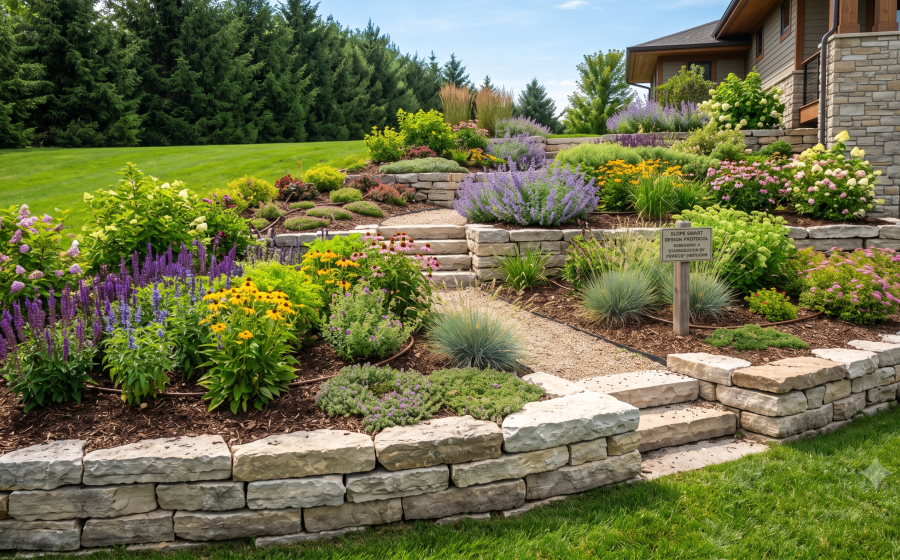
Creating a Flower Bed on a Slope: The Definitive Peter Doran Lawn Guide
Creating a vibrant flower bed on a sloped landscape presents unique challenges, from preventing soil erosion to ensuring proper water retention and plant health. This guide, informed by decades of professional landscaping experience at Peter Doran Lawn, provides a comprehensive framework for transforming challenging inclines into stunning, sustainable horticultural features, ensuring both aesthetic appeal and long-term stability.
Understanding the Unique Challenges of Sloped Flower Beds
“Sloped landscapes are not merely flat ground tilted; they introduce complex hydrological and structural challenges that demand specialized approaches, fundamentally altering how water interacts with soil and plants.”
The inclination of a slope fundamentally changes the dynamics of water movement and soil stability, creating a distinct set of challenges that flat-ground gardening rarely encounters. The most immediate concern is accelerated soil erosion. When rain falls on a slope, gravity rapidly pulls water downhill, carrying loose topsoil, nutrients, and even newly planted seeds with it.
This runoff not only depletes the planting area but can also deposit sediment in unwanted locations, such as pathways or drainage systems, leading to further issues. Inconsistent moisture distribution is another critical problem; the upper sections of a slope tend to dry out quickly due to rapid drainage, while the lower sections can become waterlogged as runoff accumulates, creating a challenging environment for uniform plant growth.
Beyond water dynamics, the inherent instability of loose soil on an incline poses a significant structural risk. Without proper stabilization, soil can shift, leading to plant uprooting or, in severe cases, small landslides. Ignoring these factors can lead to failed plantings, significant soil loss, and even structural damage to surrounding areas, including foundations or retaining walls. Therefore, a successful sloped flower bed begins not just with aesthetic preferences, but with a deep understanding of these environmental dynamics.
Before any design work commences, a thorough site assessment is paramount. This involves evaluating the slope’s gradient, which is the ratio of its vertical rise to its horizontal run. A gentle slope (e.g., 1:4 or less) presents fewer challenges than a steep one (e.g., 1:2 or greater). Existing soil composition is equally critical. Heavy clay soils, while prone to compaction, can offer some natural resistance to erosion when dry but become extremely unstable and prone to slippage when saturated. Sandy soils, conversely, drain too rapidly, exacerbating nutrient leaching and drought conditions for plants. Understanding the soil’s texture, pH, and organic matter content allows for targeted amendments.
Furthermore, sun exposure patterns on a slope are often more complex than on flat ground. A south-facing slope in the Northern Hemisphere receives intense, prolonged sunlight, potentially leading to increased evaporation and heat stress for plants, while a north-facing slope will be shadier and cooler. Wind exposure can also be amplified on inclines, further contributing to moisture loss.
At Peter Doran Lawn, our approach to landscape design on slopes always begins with this comprehensive analysis, recognizing that environmental forces dictate the viability and longevity of any planting scheme. This foundational understanding allows us to anticipate problems and engineer solutions that ensure both the beauty and the resilience of the finished flower bed.
Strategic Design & Stabilization: Terracing, Retaining Walls, and Berms
Effective stabilization is the cornerstone of any successful sloped flower bed, preventing the relentless forces of erosion and creating level, manageable planting areas that defy the natural inclination of the land.
The primary objective in designing a flower bed on a slope is to counteract gravity’s erosive power and create stable, plantable surfaces. This is achieved through three professional techniques: terracing, retaining walls, and strategically placed berms. The choice among these methods is dictated by the slope’s gradient, soil type, and the desired aesthetic.
Terracing involves transforming a single, continuous slope into a series of flatter, stepped levels. Each step, or terrace, is essentially a mini-flower bed, supported by a small retaining wall. The materials for these retaining walls can range from natural stone, which offers an organic, integrated look, to durable timber or engineered concrete blocks, chosen for their structural integrity and longevity.
For any retaining structure, proper foundation depth is critical. For instance, a retaining wall up to 2 feet high typically requires a minimum of 6 inches of compacted gravel as a base, extending below the frost line in colder climates to prevent heaving. Walls exceeding 4 feet in height often require professional engineering and permits due to the immense hydrostatic pressure they must withstand.
Crucially, adequate drainage behind retaining structures is non-negotiable. A perforated drainpipe (e.g., a 4-inch corrugated pipe) laid at the base of the wall, surrounded by gravel and covered with filter fabric, prevents water from accumulating and exerting pressure that could lead to wall failure. Without this, hydrostatic pressure can cause walls to bulge, crack, or even collapse over time.
Retaining walls, whether as part of a terraced system or as a single, larger structure, are designed to hold back soil and create a level area. Their construction demands precision, from ensuring a slight backward tilt (batter) to enhance stability, to proper compaction of backfill material. The assessment of the slope’s gradient is paramount here; a 1:3 slope (one foot of rise for every three feet of horizontal run) is often considered the maximum for effective terracing without requiring significant engineering and robust, professional-grade retaining walls. Steeper slopes may necessitate fewer, taller walls or more intensive engineering solutions.
Berms, while less structural than retaining walls, play a vital role in water management and aesthetic integration. These mounded earth forms can be strategically placed along the contour of a slope to divert water runoff, preventing it from gaining erosive velocity. They can also create microclimates, offering sheltered pockets for certain plants or enhancing visual interest. When constructing berms, it’s essential to use well-draining soil and ensure they are gently sloped to prevent water pooling. Berms can also be used to transition between different planting zones or to create a more naturalistic flow in the landscape.
The selection of the most appropriate stabilization method requires a detailed understanding of the site’s specific conditions. At Peter Doran Lawn, we meticulously assess factors such as the existing soil’s bearing capacity, the volume of anticipated runoff, and the desired long-term maintenance. Our expertise ensures that the chosen stabilization technique is not only effective in preventing erosion but also seamlessly integrates with the overall landscape design, providing a durable and beautiful foundation for the flower bed.
Soil Preparation & Water Management for Sloped Plantings
Beyond structural stability, the enduring success of a sloped flower bed hinges on a symbiotic relationship between superior soil preparation and intelligent water management, specifically designed to counteract the unique challenges of nutrient leaching and rapid drainage.
The inherent dynamics of a slope mean that traditional soil preparation and irrigation methods are often insufficient. Slopes are particularly prone to nutrient leaching, where essential plant nutrients are washed away by runoff, and rapid drainage, which deprives plant roots of adequate moisture. To counteract these issues, specific amendments and water management strategies are crucial.
For soil preparation, the goal is to create a medium that simultaneously resists erosion, retains sufficient moisture, and provides ample nutrients. We advocate for incorporating a minimum of 4-6 inches of high-quality organic matter, such as well-rotted compost or aged manure, into the existing soil.
This organic matter acts as a sponge, significantly improving water retention capacity, which is vital on a slope where water tends to run off quickly. It also enhances nutrient availability by slowly releasing them into the soil, counteracting leaching.
For slopes with particularly heavy clay, a soil blend with increased aggregate, such as coarse sand or perlite, can be beneficial to improve drainage and prevent compaction, while still maintaining enough structure to resist erosion. Conversely, for sandy slopes, the organic matter content should be even higher to boost water and nutrient retention.
Water management on a slope is equally critical. Traditional overhead irrigation, such as sprinklers, often leads to significant runoff, wasting water and exacerbating erosion. The most effective solution is to implement a system that delivers water directly to the root zone, minimizing surface flow.
Drip irrigation or soaker hoses are ideal for sloped flower beds. These systems release water slowly and precisely, allowing it to percolate deeply into the soil rather than running off. This targeted delivery not only conserves water but also ensures that plants receive consistent moisture, promoting healthier root development and reducing stress.
For larger sloped areas, zoned irrigation systems can be implemented to cater to different plant water requirements and slope gradients within the same bed.
Furthermore, strategic plant selection plays a dual role in both aesthetics and soil stabilization. Groundcovers, such as creeping thyme or sedum, form a dense mat of roots and foliage that effectively binds the soil, reducing erosion and suppressing weeds. Deep-rooted perennials, like coneflowers or ornamental grasses, anchor the soil more profoundly, providing long-term stability. Drought-tolerant species are also excellent choices for the upper sections of a slope, where conditions tend to be drier. Integrating these plant types into the design creates a resilient ecosystem that thrives with minimal intervention, contributing to overall lawn care maintenance efforts.
By integrating these advanced soil amendments and intelligent irrigation techniques, a sloped flower bed can overcome its inherent challenges, transforming into a vibrant, sustainable landscape feature that conserves resources and thrives for years to come.
The Peter Doran Lawn Framework: Designing for Durability and Beauty on an Incline
Building on decades of practical experience, Peter Doran Lawn has developed a comprehensive framework for designing and installing flower beds on slopes that prioritizes both long-term durability and aesthetic appeal. This framework, ‘The Slope-Smart Design Protocol,’ is a systematic approach ensuring that every aspect of a sloped planting is engineered for success.
The Slope-Smart Design Protocol is our five-phase framework for transforming challenging inclines into resilient, beautiful flower beds, ensuring that every design decision is grounded in both horticultural science and engineering stability.
The protocol consists of five critical phases:
- Site Assessment & Gradient Analysis: This initial phase is foundational. It involves a meticulous evaluation of the site’s specific conditions, including the precise angle and length of the slope, existing soil composition (texture, pH, nutrient levels), prevailing sun exposure patterns (morning vs. afternoon sun, duration), wind exposure, and existing drainage pathways. Understanding these environmental variables allows us to accurately predict water flow, erosion potential, and plant viability, guiding all subsequent design decisions.
- Structural Stabilization: Based on the gradient analysis, the appropriate stabilization method is selected. This could involve creating a series of terraces with robust retaining walls (using natural stone, timber, or concrete blocks), constructing a single, larger retaining wall, or strategically shaping berms to manage water flow. This phase emphasizes proper foundation depth, material selection for durability, and engineered drainage behind structures to prevent hydrostatic pressure buildup.
- Advanced Soil Amelioration: Once the structural elements are in place, the focus shifts to creating an optimal growing medium. This involves customizing the soil blend to enhance both water retention and drainage, a critical balance on a slope. We incorporate significant quantities of high-quality organic matter (e.g., compost, aged manure) to improve soil structure and nutrient availability, and may add aggregates like coarse sand or perlite to ensure adequate aeration and prevent compaction.
- Strategic Plant Selection: This phase is about choosing the right plants for the right place. We prioritize species that are deep-rooted for enhanced soil stabilization, drought-tolerant for the drier upper sections of the slope, and those that offer good groundcover to minimize erosion. Consideration is also given to mature plant size, growth habit, and aesthetic compatibility to ensure a cohesive and visually appealing design that thrives in its specific microclimate.
- Integrated Water Management: The final phase involves implementing an efficient and effective irrigation system. For sloped beds, this almost invariably means drip irrigation or soaker hoses, which deliver water directly to the root zone, minimizing runoff and maximizing absorption. This targeted approach conserves water, reduces erosion, and ensures consistent moisture for plant health, contributing to the long-term sustainability of the flower bed.
Adhering to ‘The Slope-Smart Design Protocol’ ensures that a sloped flower bed is not just visually appealing but also resilient against erosion, low-maintenance over time, and a lasting asset to the property. This systematic approach differentiates a professional installation from a temporary fix, guaranteeing lasting beauty and stability that homeowners, HOAs, and property managers can rely on.
When to Call the Professionals: Ensuring Lasting Results with Peter Doran Lawn
While the allure of a DIY project is strong, particularly for smaller garden enhancements, certain conditions inherent to sloped landscapes necessitate professional intervention to ensure safety, longevity, and compliance with local regulations. Understanding these thresholds is crucial for homeowners, HOAs, and property managers.
For slopes exceeding a 2:1 ratio or projects involving significant structural work, professional expertise is not merely a convenience but a critical investment in safety, structural integrity, and long-term landscape stability.
Slopes exceeding a 2:1 ratio (two feet of horizontal run for every one foot of vertical rise) often present challenges that go beyond typical DIY capabilities. At this gradient, the forces of gravity and water runoff become substantial, requiring engineered solutions for stabilization that most homeowners are not equipped to design or implement.
Similarly, areas with significant drainage issues that could impact building foundations, or projects requiring substantial excavation and the construction of retaining walls over 4 feet high, almost always demand professional expertise. These larger structures often require specific permits, adherence to local building codes, and specialized knowledge of soil mechanics and drainage engineering to prevent catastrophic failure.
Peter Doran Lawn & Landscaping, with its team of experienced landscape designers and installation crews, possesses the specialized equipment, engineering knowledge, and understanding of local permitting processes required for complex sloped projects. Our 30 years of experience mean we can accurately assess structural needs, identify the most durable and appropriate materials for retaining walls and terraces, and implement advanced drainage solutions that prevent future problems. We understand the nuances of soil compaction, hydrostatic pressure, and the selection of plants that will thrive and contribute to the slope’s stability.
Choosing a professional like Peter Doran Lawn guarantees dependable quality service and workmanship 100%. Our comprehensive approach, from initial site assessment to final landscape installation, ensures that your investment yields a beautiful, stable, and sustainable landscape for decades.
We mitigate risks associated with erosion, improper drainage, and structural instability, providing peace of mind and a visually stunning result that enhances property value and enjoyment. For any sloped flower bed project that feels daunting, or where the stakes of failure are high, professional guidance is not just recommended, it’s essential.
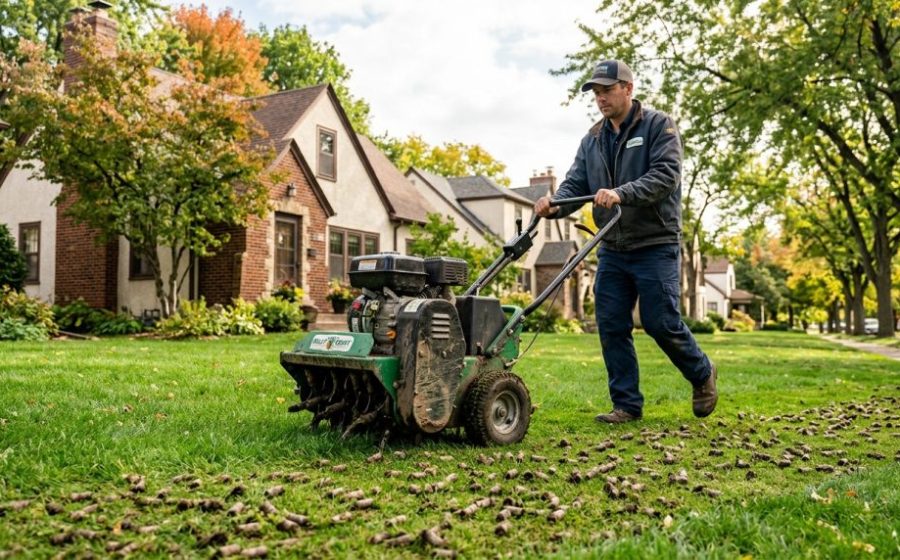
Is Your Minneapolis Lawn Breathing? Aeration Benefits
Even the most meticulously cared-for lawns in Minneapolis can struggle under the combined pressures of heavy foot traffic, compacted soil, and the intense summer heat. Over time, these factors can suffocate grass roots, preventing essential nutrients, water, and air from penetrating the soil surface. This is where professional lawn aeration in Minneapolis becomes not just beneficial, but often crucial for maintaining a vibrant, healthy yard.
Aeration is a vital practice that involves creating small holes in the lawn to alleviate soil compaction, allowing your grass to truly breathe and thrive. For homeowners seeking to revitalize a struggling lawn or proactively maintain a lush green space, understanding the mechanics and benefits of aeration is the first step toward a more resilient landscape.
Why Minneapolis Lawns Need to Breathe: The Summer Aeration Advantage
The unique climate and soil conditions prevalent in Minneapolis make lawns particularly susceptible to compaction, especially as summer progresses. Heavy clay soils, common in many parts of the region, naturally compact more easily than sandy soils, creating a dense barrier that inhibits healthy root development.
When soil becomes compacted, it significantly reduces the amount of oxygen available to grass roots, essentially suffocating them. This lack of oxygen, combined with restricted water and nutrient absorption, leads to a weakened lawn that is more vulnerable to disease, pests, and drought stress during the hot, dry spells of July and August.
Summer aeration directly addresses these challenges by breaking up the compacted soil, allowing for deeper penetration of water, air, and nutrients. This process stimulates stronger root growth, making the lawn more resilient against environmental stressors and promoting a denser, greener turf that can better withstand the rigors of the Minneapolis summer.
Understanding Soil Compaction: The Silent Killer of Healthy Lawns
Soil compaction occurs when soil particles are pressed together, reducing the pore space between them. This reduction in open space is detrimental because these pores are essential for the movement and storage of air and water, both critical for healthy root systems.
Several factors contribute to soil compaction in residential lawns, including regular foot traffic from children and pets, the weight of lawn care equipment, and even heavy rainfall. These can gradually compress the soil, especially in areas with clay-rich compositions.
The consequences of severe compaction are visible in a struggling lawn: water puddles on the surface instead of soaking in, fertilizers seem ineffective, and grass appears thin, discolored, or stressed. Recognizing these signs is crucial for identifying when your lawn is suffering from this underlying issue.
Identifying Compacted Soil
One of the simplest ways to check for compaction is the screwdriver test; if you struggle to push a screwdriver into the soil more than a few inches, your lawn is likely compacted. Observing how water behaves after irrigation or rainfall also provides clues, as excessive runoff or standing water indicates poor absorption.
Another indicator is the presence of moss or weeds that thrive in poorly drained, compacted conditions, often outcompeting desirable turfgrass. These visual cues, combined with a general decline in lawn health despite adequate watering and fertilization, strongly suggest that soil compaction is at play.
Addressing compaction is fundamental to effective lawn care, as it creates the optimal environment for grass to absorb everything it needs from the soil. Without proper soil structure, even the best fertilizers and watering practices will yield suboptimal results.
The Mechanics of Lawn Aeration: How It Works
Lawn aeration is a mechanical process designed to create small holes in the soil, effectively decompacting it and improving its overall structure. The most common and effective method is core aeration, which involves using a specialized machine to extract small plugs of soil from the lawn.
These extracted soil cores, typically 2-3 inches deep and about ½ inch in diameter, are left on the lawn surface to break down naturally, returning valuable organic matter to the soil. The holes created by this process serve as channels, allowing air, water, and nutrients to penetrate deep into the root zone.
By creating these pathways, core aeration directly alleviates the pressure on grass roots, encouraging them to grow deeper and stronger. This method is superior to spike aeration, which merely pushes soil aside, potentially increasing compaction rather than relieving it.
Core Aeration vs. Spike Aeration
Core aeration is widely regarded as the most effective method for truly addressing soil compaction because it physically removes soil, creating lasting channels for improved air and water exchange. The machines used for core aeration are robust, designed to penetrate even the densest clay soils prevalent in areas like Minneapolis.
In contrast, spike aeration, which uses solid tines to poke holes in the ground, offers only temporary relief and can sometimes worsen compaction by further compressing the soil around the holes. While spike aerators are less expensive and easier to use, they do not provide the same long-term benefits as core aeration.
For a truly revitalized lawn, especially one showing signs of stress or compaction, core aeration is the professional standard. It ensures that the effort and investment in aeration translate into tangible, lasting improvements for your turf.
Key Benefits of Lawn Aeration in Minneapolis
Implementing lawn aeration offers a multitude of benefits that collectively contribute to a healthier, more resilient lawn, particularly in the challenging Minneapolis climate. These advantages extend beyond mere aesthetics, impacting the fundamental health and sustainability of your turf.
One of the primary benefits is significantly improved water penetration. When soil is compacted, water tends to run off the surface, leading to inefficient irrigation and wasted resources. Aeration creates channels that allow water to soak deeply into the root zone, ensuring every drop is utilized effectively.
Furthermore, aeration enhances nutrient absorption, making your fertilization efforts more effective. With open pathways to the roots, fertilizers can reach their target efficiently, promoting stronger growth and a vibrant green color that lasts throughout the growing season.
Enhanced Root Development and Drought Resistance
By alleviating compaction, aeration encourages grass roots to grow deeper and spread more extensively. A robust root system is crucial for a lawn’s overall health, as it allows the grass to access water and nutrients from a larger volume of soil, making it far more resilient to drought conditions and heat stress.
This deeper root growth is particularly important during the hot Minneapolis summers when surface moisture can quickly evaporate. Lawns with well-developed roots are better equipped to tap into deeper soil moisture, reducing their reliance on frequent irrigation and maintaining their vigor even during prolonged dry spells.
A strong, healthy root system also translates to a denser turf that naturally crowds out weeds and resists disease more effectively. This proactive approach to lawn care helps reduce the need for chemical interventions and contributes to a more sustainable landscape.
Improved Air Exchange and Thatch Reduction
Aeration dramatically improves the exchange of gases between the soil and the atmosphere. This increased oxygen availability is vital for the metabolic processes of grass roots and beneficial soil microorganisms, which play a critical role in nutrient cycling and overall soil health.
Additionally, the process of core aeration helps to break up and reduce thatch buildup. Thatch is a layer of dead and living organic matter that accumulates between the soil surface and the green blades of grass. Excessive thatch can act as a barrier, preventing water and nutrients from reaching the soil.
By pulling up soil cores, aeration introduces microorganisms from the soil into the thatch layer, accelerating its decomposition. This natural reduction of thatch improves the lawn’s ability to absorb moisture and nutrients, further contributing to its vitality.
Optimal Timing for Lawn Aeration in Minneapolis
Choosing the right time for lawn aeration is critical to maximizing its benefits and ensuring the health of your turf. For cool-season grasses, which are predominant in Minneapolis, the ideal times are typically late spring or early fall.
Aerating in late spring, generally April or May, allows the grass to recover quickly during its active growth phase before the intense summer heat sets in. This timing ensures that the lawn can take full advantage of improved water and nutrient absorption during the crucial summer months.
Alternatively, early fall aeration, typically September or October, provides similar benefits, allowing the grass to strengthen its root system before winter dormancy. Both periods offer favorable conditions for recovery and growth, making them ideal for this essential lawn care practice.
Why Summer Aeration Can Be Beneficial
While spring and fall are traditional choices, summer aeration, particularly in late July or early August, can be highly beneficial for Minneapolis lawns experiencing severe compaction or stress. During this period, lawns are often under significant stress from heat and drought, and aeration can provide immediate relief.
By aerating in summer, you directly address the challenges of poor water penetration and nutrient uptake when the lawn needs it most. The newly created channels allow vital resources to reach the roots, helping the grass better withstand the remaining summer heat and recover more quickly.
However, summer aeration requires careful consideration of watering practices to ensure the lawn recovers effectively without additional stress. It is often best performed by professionals who understand the nuances of summer lawn care and can advise on post-aeration watering schedules.
Post-Aeration Care: Maximizing Results
After aeration, proper care is essential to capitalize on the benefits and promote rapid recovery. Immediately after aeration, it is an excellent time to overseed your lawn, as the new grass seeds will have direct contact with the soil and improved conditions for germination.
Applying a balanced fertilizer shortly after aeration will also ensure that nutrients readily reach the newly exposed root systems, stimulating vigorous growth. Consistent watering is crucial, especially in the weeks following aeration, to help the lawn recover and the new seeds establish.
For optimal results, consider pairing aeration with a comprehensive lawn mowing service and fertilization program. This integrated approach ensures that your lawn receives all the necessary care to thrive throughout the season.
DIY vs. Professional Lawn Aeration Services
Homeowners often face the decision of whether to undertake lawn aeration as a do-it-yourself project or to hire professional services. While DIY aeration is possible, understanding the complexities involved can help make an informed choice.
Renting an aerator can be a cost-effective option for smaller lawns, but these machines are heavy, cumbersome, and require proper operation to be effective. Incorrect use can lead to uneven aeration or even damage to the lawn, negating the intended benefits.
Professional lawn aeration services, like those offered by Peter Doran Lawn, bring specialized equipment and expertise to the task. Our experienced teams ensure thorough and even coverage, using commercial-grade aerators that penetrate deeper and more consistently than rental units.
The Value of Professional Expertise
A dependable lawn care company in Minneapolis, known for quality and timely service, offers more than just equipment; they provide invaluable knowledge of local soil types and climate conditions. This expertise ensures that aeration is performed at the optimal time and with the most effective techniques for your specific lawn.
Professionals can also identify underlying issues that contribute to compaction, such as poor drainage or excessive thatch, and recommend comprehensive solutions. This holistic approach goes beyond a single service, contributing to the long-term health and vitality of your lawn.
At Peter Doran Lawn, we pride ourselves on providing comprehensive service offerings, including expert lawn care services and landscape design. Our team ensures that every service, including aeration, is executed with precision and care, delivering noticeable results.
Integrating Aeration into Your Comprehensive Lawn Care Plan
Lawn aeration is most effective when viewed as an integral part of a broader, year-round lawn care strategy. It works synergistically with other practices such as fertilization, weed control, and proper watering to create a robust and healthy turf.
For instance, aerating before applying fertilizer ensures that nutrients can penetrate deeply into the soil, maximizing their effectiveness and reducing runoff. Similarly, improved water absorption from aeration means your irrigation efforts are more efficient, conserving water and promoting deeper root growth.
A well-aerated lawn is also more resistant to common lawn diseases and pest infestations, as healthy grass is better equipped to defend itself. This proactive approach reduces the need for reactive treatments, leading to a more sustainable and environmentally friendly lawn.
The Peter Doran Lawn Approach to Healthy Lawns
At Peter Doran Lawn, we understand that every lawn has unique needs, especially in the diverse Minneapolis landscape. Our approach to lawn care is built on decades of experience and a commitment to using the best products and techniques available.
We offer tailored lawn care programs that integrate aeration with other essential services, ensuring your lawn receives consistent, high-quality attention throughout the year. Our licensed fertilizer and weed control technicians work in harmony with our experienced lawn maintenance crews to deliver exceptional results.
Our goal is to provide dependable, quality service with excellence, ensuring your lawn not only looks its best but is also fundamentally healthy and resilient. We stand by our workmanship 100%, guaranteeing a long-lasting appearance and a thriving outdoor space.
Frequently Asked Questions About Lawn Aeration
How often should I aerate my lawn in Minneapolis?
For most Minneapolis lawns, annual aeration is sufficient to maintain optimal soil health and prevent compaction. However, lawns with heavy clay soil, high foot traffic, or those showing significant signs of stress may benefit from aeration twice a year, typically in the spring and fall.
Observing your lawn’s specific condition and performance is key; if you notice persistent puddling, thinning grass, or a general lack of vigor despite proper watering and fertilization, it might be time for another aeration treatment. A professional assessment can provide precise recommendations tailored to your yard.
Regular aeration ensures that your lawn consistently receives the air, water, and nutrients it needs to thrive, preventing the gradual decline that often results from unchecked soil compaction.
What should I do immediately after my lawn is aerated?
Immediately after your lawn is aerated, it’s an ideal time to overseed, as the new seeds will have excellent soil contact within the freshly created holes. This direct contact significantly improves germination rates and helps to thicken your turf.
Following overseeding, apply a starter fertilizer to provide essential nutrients for the new seedlings and existing grass. Consistent, light watering is crucial for the next few weeks to keep the soil moist, encouraging seed germination and helping the lawn recover from the aeration process.
Avoid heavy foot traffic or mowing for at least a week after aeration to allow the soil cores to break down and the lawn to begin its recovery process. This careful post-aeration care maximizes the benefits and ensures a vibrant, healthy outcome.
Can aeration fix all my lawn problems?
While aeration is a powerful tool for improving lawn health, it is not a standalone solution for all lawn problems. It primarily addresses issues related to soil compaction, poor drainage, and nutrient absorption, which are fundamental to a healthy lawn.
However, if your lawn is suffering from severe pest infestations, fungal diseases, or significant nutrient deficiencies, aeration needs to be combined with targeted treatments. It creates the optimal environment for other solutions to work effectively, but it doesn’t replace them.
For comprehensive lawn care, aeration should be integrated into a broader program that includes proper fertilization, weed control, pest management, and appropriate watering practices. This holistic approach ensures all aspects of your lawn’s health are addressed for long-term vitality.
Understanding the critical role of soil health is paramount for any homeowner striving for a lush, resilient lawn. Aeration directly addresses the foundational issue of compaction, unlocking your lawn’s potential to absorb vital resources and withstand environmental stresses.
At Peter Doran Lawn, we bring over 30 years of experience and a commitment to dependable, quality service to every project. Our team of experienced professionals utilizes the best products and techniques to ensure your lawn receives the precise care it needs to thrive, transforming struggling areas into vibrant green spaces.
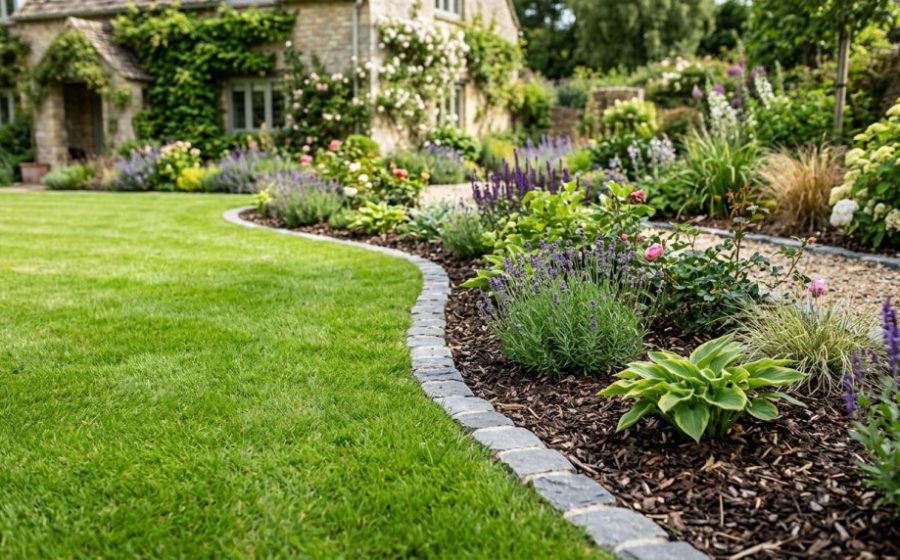
Beyond the Mow: Professional Edging for Minneapolis
A beautifully maintained yard often seems effortless, but behind every pristine lawn and perfectly defined garden bed lies careful planning and execution. One of the most impactful yet often overlooked elements in achieving this polished look is landscape edging. For homeowners in Minneapolis, understanding what is landscape edging and its benefits can transform an ordinary yard into an extraordinary outdoor space, creating clear distinctions between various landscape elements and enhancing overall curb appeal.
This foundational technique not only elevates aesthetics but also serves crucial practical functions, from preventing grass encroachment to simplifying maintenance. As we explore the intricacies of landscape edging, we will delve into its diverse applications and the specific considerations that make it indispensable for properties across the Twin Cities.
What Exactly is Landscape Edging? A Minneapolis Perspective
Landscape edging fundamentally serves as a physical and visual barrier, delineating distinct areas within your outdoor space. Beyond its aesthetic contribution, its core function is to maintain order, preventing materials like mulch from scattering into the lawn or grass from creeping into garden beds.
This deliberate separation creates a ‘clean line’ that instantly elevates the perceived neatness and design intentionality of a landscape. In a typical Minneapolis yard, you’ll commonly find edging used to define the borders of flower beds, frame walkways, encircle trees, or separate gravel paths from turf. Defining these boundaries is crucial for both visual appeal and practical maintenance, ensuring each element of your landscape remains in its designated place and contributes to a cohesive, well-groomed appearance.
The Undeniable Benefits of Landscape Edging
Implementing effective landscape edging offers a multitude of advantages that extend far beyond mere aesthetics, contributing significantly to both the beauty and functionality of your outdoor environment. These benefits are particularly pronounced in Minneapolis, where distinct seasons and varied landscapes demand robust solutions.
Firstly, edging provides superior weed and grass control by creating a physical barrier that prevents turf from invading garden beds and vice versa. This significantly reduces the time and effort required for weeding, allowing your plants to thrive without competition.
Secondly, it helps contain mulches, gravel, and other ground covers within their designated areas, preventing washout during heavy rains or displacement by wind, which is a common challenge in our climate. This containment keeps your landscape materials where they belong, reducing waste and maintaining a tidy appearance. Finally, the crisp lines created by professional landscape edging dramatically enhance curb appeal, giving your property a polished and intentional look that stands out. This visual definition elevates the entire landscape, making it appear more organized and professionally maintained.
Enhancing Aesthetic Appeal
The visual impact of well-executed landscape edging cannot be overstated, as it acts as a frame for your garden, much like a picture frame enhances a piece of art. It introduces a sense of order and sophistication, transforming disparate elements into a cohesive design.
By creating distinct boundaries, edging highlights the unique textures and colors of your plants and hardscaping, drawing the eye to intentional design choices. This clarity of definition makes the entire landscape appear more expansive and thoughtfully curated, significantly boosting your property’s overall curb appeal. A clean, defined edge communicates meticulous care and attention to detail, leaving a lasting impression on visitors and passersby alike.
Practical Maintenance Advantages
Beyond its visual contributions, landscape edging delivers substantial practical benefits, particularly in simplifying ongoing yard maintenance. One of its primary roles is to act as a formidable barrier against grass and weeds, preventing them from encroaching into garden beds and reducing the need for constant trimming and weeding.
This containment also ensures that mulches, decorative stones, or soil remain precisely where they are intended, preventing them from washing onto pathways or lawns during rain or strong winds. Consequently, the time spent on routine upkeep, such as raking displaced materials or hand-weeding invasive grasses, is significantly reduced. The clear separation also makes mowing easier and safer, as there’s a defined edge to follow, minimizing accidental damage to plants or garden features.
Choosing the Right Materials for Your Minneapolis Landscape Edging
Selecting the appropriate material for your landscape edging is a critical decision that impacts both the aesthetic and longevity of your outdoor design, especially given Minneapolis’s distinct climate challenges. Each material offers a unique combination of durability, visual style, and maintenance requirements.
Common options include durable plastics, various metals like steel or aluminum, natural stone, brick, and even concrete, each suited for different applications and design preferences. The choice should align with your existing landscape architecture, desired level of formality, and the specific functional demands of the area being edged. Considering factors such as freeze-thaw cycles, soil conditions, and the amount of foot traffic the area receives will guide you toward the most effective and resilient solution for your property.
Plastic Edging
Plastic edging is often chosen for its affordability and ease of installation, making it a popular DIY option for many homeowners. It typically comes in rolls, offering flexibility to create curved designs and adapt to various garden shapes.
While it provides a basic barrier against grass and mulch migration, plastic edging can be less durable than other materials, sometimes cracking or becoming brittle over time due to UV exposure and Minneapolis’s temperature fluctuations. Its aesthetic can also be less refined, often blending into the background rather than making a distinct design statement. For temporary solutions or areas where budget is the primary concern, plastic can be a viable choice, but it may require more frequent replacement compared to more robust options.
Metal Edging (Steel, Aluminum)
Metal edging, particularly steel and aluminum, offers a sleek, modern aesthetic combined with exceptional durability and strength. Steel provides a robust, long-lasting barrier that can withstand significant impact and the rigors of Minnesota’s weather, often developing a desirable patina over time.
Aluminum, while lighter, is also highly durable, corrosion-resistant, and comes in various finishes, offering excellent flexibility for intricate designs. Both metals create very clean, sharp lines that enhance a contemporary landscape design and effectively prevent grass and weed encroachment. Though the initial investment may be higher than plastic, the longevity and minimal maintenance requirements of metal edging often make it a cost-effective choice in the long run.
Stone and Brick Edging
Stone and brick edging bring a timeless, natural, and often more formal aesthetic to any landscape, seamlessly integrating with traditional and rustic designs. These materials offer exceptional durability and stability, creating a robust barrier that can define garden beds, walkways, and patios with enduring charm.
The variety of colors, textures, and sizes in natural stone and brick allows for highly customized designs, from tightly laid courses to more informal, naturalistic borders. While installation can be more labor-intensive and costly due to the weight and precision required, the resulting look is undeniably sophisticated and long-lasting. For those considering more extensive hardscaping, understanding the nuances of retaining wall installation durability and material options can provide valuable context for selecting complementary edging.
Concrete Edging
Concrete edging offers unparalleled durability and a high degree of customization, as it can be poured in place to create seamless, continuous borders. This material is exceptionally long-lasting, resistant to shifting, and provides a very strong barrier against grass and weed invasion.
With options for staining, stamping, and various finishes, concrete edging can mimic the look of stone or brick, or stand alone with a modern, minimalist appeal. While the initial installation requires specialized equipment and expertise, the result is a permanent, low-maintenance solution that adds significant value and definition to a landscape. Its robust nature makes it an excellent choice for high-traffic areas or where a permanent, unyielding boundary is desired.
Professional Installation vs. DIY: Why Expertise Matters for Landscape Edging in Minneapolis
While the idea of a DIY landscape edging project might seem appealing, the complexities involved, especially in a climate like Minneapolis, often make professional installation the superior choice. Achieving truly effective and long-lasting edging requires more than just laying down materials; it demands precision, proper site preparation, and an understanding of local conditions.
Professionals possess the specialized tools and experience to ensure the edging is installed correctly, preventing common issues like shifting, uneven lines, or inadequate weed barriers. Their expertise guarantees a finish that not only looks impeccable but also performs its function reliably for years to come. This investment in professional service ultimately saves time, avoids costly mistakes, and delivers a far more durable and aesthetically pleasing result than most DIY attempts.
The Pitfalls of DIY Edging
Attempting to install landscape edging yourself can lead to several common problems that undermine both its appearance and functionality. One frequent issue is improper trenching, which can result in uneven lines, unstable edging that shifts over time, or insufficient depth to effectively block grass roots.
Without the right tools, achieving clean cuts and precise angles, especially with rigid materials like metal or stone, becomes incredibly difficult, leading to a visibly amateurish finish. Furthermore, an inexperienced installer might overlook critical drainage considerations, potentially creating water pooling issues or undermining the stability of the edging. These pitfalls often necessitate costly repairs or complete reinstallation, ultimately negating any initial savings from a DIY approach.
The Peter Doran Lawn Advantage: Quality and Timely Service
At Peter Doran Lawn, we understand that professional landscape edging is an investment in your property’s long-term beauty and functionality. Our team brings over 30 years of experience to every project, ensuring that your edging is installed with meticulous precision and an understanding of Minneapolis’s unique environmental demands.
We utilize only the best products available on the market, ensuring a long-lasting appearance and standing by our workmanship 100%. Our experienced landscape crews are adept at working with a variety of materials, from natural stone to durable metals, tailoring solutions that perfectly complement your home’s aesthetic and practical needs. This commitment to quality and timely service means you receive a dependable, durable, and visually stunning result that enhances your curb appeal and simplifies your lawn care for years to come.
Integrating Edging with Overall Landscape Design
Landscape edging is not merely a functional barrier; it is an integral design element that profoundly influences the overall aesthetic and flow of your outdoor space. When thoughtfully integrated, it can unify diverse landscape features, guide the eye, and create a harmonious environment.
Considering the existing architecture of your home, the style of your garden, and the types of plants you cultivate is crucial in selecting an edging material and design that complements rather than clashes. The goal is to create seamless transitions and visual interest, ensuring that each edge contributes to a cohesive and intentional landscape. This holistic approach ensures that your edging enhances the entire design, rather than appearing as an afterthought.
Harmonizing with Your Home’s Architecture
The choice of landscape edging should ideally echo and enhance the architectural style of your Minneapolis home, creating a seamless transition from structure to garden. For a modern home with clean lines, sleek metal or concrete edging can reinforce that contemporary aesthetic, offering crisp, minimalist boundaries.
Conversely, a traditional or craftsman-style home might benefit from the classic appeal of brick or natural stone, which can soften edges and add a sense of established elegance. The goal is to select materials and forms that feel like a natural extension of your home’s design, ensuring visual harmony across your entire property. This thoughtful integration creates a cohesive look that elevates both your home and its surrounding landscape.
Creating Visual Flow and Definition
Effective landscape edging plays a pivotal role in establishing visual flow and clear definition within your outdoor space, guiding the eye and organizing different elements. By creating distinct lines, edging can lead visitors along pathways, highlight focal points like a specimen tree, or delineate the graceful curves of a garden bed.
This deliberate structuring prevents the landscape from appearing chaotic or undefined, instead presenting a series of intentional spaces that connect harmoniously. The choice between straight, angular lines and soft, flowing curves can dramatically alter the perception of space, influencing whether an area feels formal and structured or natural and inviting. Ultimately, well-planned edging ensures that every part of your landscape contributes to a unified and aesthetically pleasing composition.
Common Edging Mistakes to Avoid in Minneapolis Landscapes
Even with the best intentions, several common mistakes can undermine the effectiveness and appearance of landscape edging, particularly in the unique environmental context of Minneapolis. Avoiding these pitfalls is crucial for achieving a durable and aesthetically pleasing result.
One frequent error is improper depth, where edging is installed too shallow, allowing grass and weeds to easily creep over or under the barrier, or too deep, making it visually disappear. Another common mistake is failing to adequately prepare the site, leading to uneven lines, unstable materials, or poor drainage. Additionally, choosing materials that are unsuitable for the local climate or the intended use can result in premature degradation or constant maintenance issues, highlighting the importance of informed decision-making.
Ignoring Drainage and Soil Conditions
A critical oversight in landscape edging is neglecting to consider the existing drainage patterns and soil conditions of your property. Improperly installed edging can inadvertently create dams, causing water to pool in undesirable areas and potentially harming plant roots or eroding soil.
In Minneapolis, where freeze-thaw cycles are common, unstable soil or poor drainage can lead to edging heaving or shifting over time, compromising its integrity and appearance. Professionals assess these factors upfront, designing and installing edging solutions that promote proper water flow and remain stable through seasonal changes. This proactive approach prevents future problems and ensures the longevity of your landscape investment.
Choosing the Wrong Material for the Job
Selecting an edging material that is ill-suited for its specific application or the local climate is a common and costly mistake. For instance, using lightweight plastic edging in a high-traffic area or where aggressive grass types are present will likely result in it being ineffective and requiring frequent repairs or replacement.
Similarly, certain materials may not withstand Minneapolis’s harsh winters, leading to cracking, warping, or deterioration. It is essential to match the material’s durability, flexibility, and aesthetic qualities to the specific demands of the site, considering factors like sun exposure, soil type, and the desired level of maintenance. An informed choice ensures the edging performs its function effectively and maintains its appearance for many years.
Beyond Edging: Comprehensive Landscape Solutions from Peter Doran Lawn
While landscape edging is a fundamental element in creating a refined outdoor space, it is just one component of a truly comprehensive landscape design. At Peter Doran Lawn, we understand that a beautiful and functional yard requires a holistic approach, integrating various services to achieve a cohesive vision.
Our expertise extends far beyond just defining borders; we offer a full spectrum of landscape design and installation services, ensuring every aspect of your property works in harmony. From initial concept to final execution, we provide solutions that enhance both the aesthetics and usability of your outdoor living areas. This integrated approach guarantees that your landscape not only looks stunning but also thrives in the Minneapolis environment.
Our Approach to Integrated Landscape Design
Our integrated landscape design philosophy at Peter Doran Lawn focuses on creating outdoor spaces that are both beautiful and sustainable, tailored to the specific needs and desires of our Minneapolis clients. We begin by understanding your vision, assessing your property’s unique characteristics, and considering the local climate.
This comprehensive planning ensures that all elements, from plant selection and hardscaping to irrigation and lighting, work together seamlessly. Our experienced landscape designer collaborates with you to develop a plan that maximizes curb appeal, enhances functionality, and provides long-term enjoyment. By considering the entire ecosystem of your yard, we deliver a cohesive and enduring landscape that reflects your personal style and complements your home.
Connecting to Broader Landscape Needs
Effective landscape edging is often the starting point for a broader transformation, connecting to other essential services that enhance your property’s value and enjoyment. For instance, well-defined garden beds created by edging naturally lead to discussions about appropriate planting schemes and soil health.
Similarly, the establishment of clear pathways and patios, often framed by edging, opens up opportunities for outdoor living spaces and entertainment areas. Our comprehensive service offerings ensure that we can address all these interconnected needs, from initial design concepts to ongoing maintenance. Whether it’s the precise application of fertilizer or the strategic placement of new shrubs, every service contributes to a unified and thriving landscape.
FAQs About Landscape Edging
How long does landscape edging typically last in Minneapolis?
The lifespan of landscape edging in Minneapolis largely depends on the material chosen and the quality of installation. Plastic edging might last 5-10 years before showing signs of wear from UV exposure and freeze-thaw cycles, while metal edging (steel or aluminum) can easily last 20-30 years or more with minimal maintenance.
Stone, brick, and concrete edging offer the longest durability, often lasting 50 years or even a lifetime if properly installed and maintained, making them excellent long-term investments. Professional installation significantly extends the life of any material by ensuring proper groundwork and stability.
Can landscape edging help with water runoff issues?
Yes, landscape edging can play a significant role in managing water runoff, though its primary function is not drainage. When strategically placed, edging can help direct surface water away from foundations, patios, or sensitive garden areas, preventing erosion and pooling.
For example, a slightly raised edge around a garden bed can prevent mulch and soil from washing onto a pathway during heavy rains. However, for severe drainage problems, a comprehensive solution involving grading, French drains, or other specialized techniques would be necessary, often working in conjunction with effective edging.
Is natural edging a viable alternative to manufactured materials?
Natural edging, typically created by cutting a sharp, V-shaped trench between a lawn and garden bed, can be a viable and aesthetically pleasing alternative to manufactured materials. It offers a very organic and seamless look, blending effortlessly with the landscape without introducing artificial elements.
While it requires regular maintenance, such as re-cutting the trench every few weeks to maintain its crispness, it can be an excellent choice for those seeking a soft, understated boundary. This method is particularly effective in areas where a subtle transition is desired and where the homeowner is committed to consistent upkeep.
What are the signs of poorly installed landscape edging?
Several signs indicate poorly installed landscape edging, which can detract from your yard’s appearance and functionality. Common indicators include uneven lines or inconsistent height, where the edging appears wavy or dips in certain sections instead of maintaining a uniform level.
Another clear sign is shifting or heaving, especially after freeze-thaw cycles, suggesting inadequate trenching or improper material anchoring. You might also notice grass or weeds growing directly over or under the edging, indicating it’s not deep enough or lacks a proper barrier. Finally, if mulch or gravel consistently spills out of the bed, the edging is likely not providing sufficient containment.
Understanding what is landscape edging and its profound impact on your outdoor space is the first step toward achieving a truly refined and manageable yard. From defining garden beds to preventing grass encroachment, professional edging offers both aesthetic enhancement and practical benefits that elevate your property’s appeal and simplify maintenance.
At Peter Doran Lawn, we believe that every detail contributes to the overall beauty and functionality of your landscape. Our experienced team brings precision, quality materials, and a deep understanding of Minneapolis’s unique environment to every edging project, ensuring a durable and visually stunning result that stands the test of time.
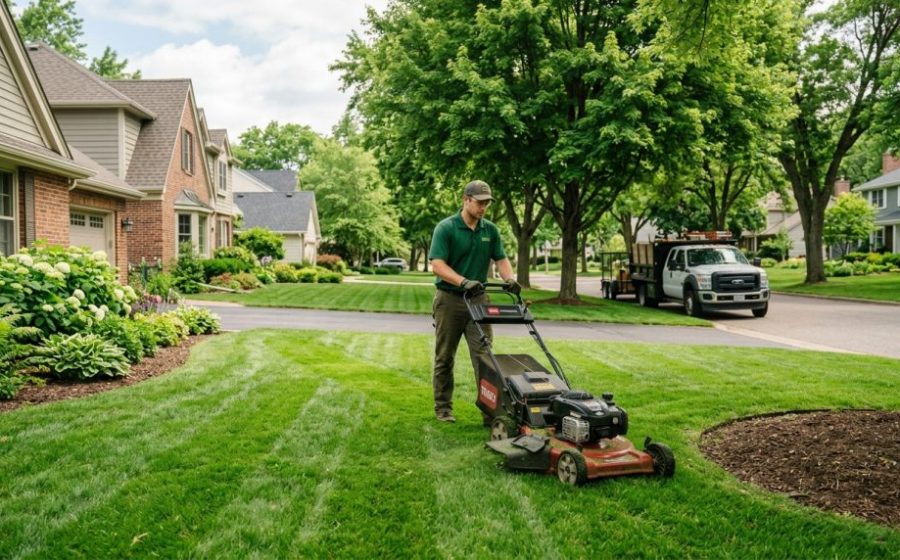
How to Master Lawn care Minneapolis in 2026
Maintaining a vibrant, healthy lawn in the unique climate of Minneapolis presents a distinct set of challenges and rewards. Achieving a lush green space requires more than just occasional mowing; it demands a strategic approach tailored to the local environment. This article will guide you through the essential aspects of effective lawn care in Minneapolis, equipping you with the knowledge to cultivate a landscape that thrives.
What is Lawn care Minneapolis?
Lawn care in Minneapolis encompasses all the practices necessary to maintain the health, appearance, and vitality of turfgrass within the specific environmental conditions of the region. This goes beyond basic maintenance, integrating specialized techniques to address the challenges posed by Minnesota’s distinct seasons, soil types, and common pests.
The local climate, characterized by cold winters and warm, often humid summers, dictates a precise schedule for activities such as fertilization, weed control, and aeration. Understanding these seasonal demands is crucial for preventing common issues like winter kill, fungal diseases, and persistent broadleaf weeds. Effective lawn care ensures your turf remains resilient and aesthetically pleasing throughout the year.
Ultimately, proper lawn care in Minneapolis is about creating a sustainable ecosystem that supports healthy grass growth while minimizing environmental impact. It involves selecting appropriate grass varieties, implementing timely treatments, and adopting practices that enhance soil health. This comprehensive approach ensures long-term success for any residential or commercial property.
Key Benefits
Investing in consistent and informed lawn care offers a multitude of advantages that extend beyond mere aesthetics. A well-maintained lawn significantly enhances your property’s curb appeal, creating a welcoming first impression for visitors and potential buyers alike. This visual appeal contributes directly to increased property value, making your home or business more attractive in a competitive market.
Beyond visual appeal, a healthy lawn acts as a natural filter, improving air quality by trapping dust and pollutants, and producing oxygen. It also helps to prevent soil erosion, especially on sloped areas, by stabilizing the ground with its extensive root system. This ecological benefit contributes to a healthier local environment and reduces runoff into storm drains.
Furthermore, a dense, thriving lawn naturally suppresses weeds and deters pests, reducing the need for chemical interventions. Regular maintenance practices, such as proper mowing and fertilization, strengthen the grass, making it more resistant to disease and insect infestations. This proactive approach saves time and resources in the long run, ensuring a more resilient and enjoyable outdoor space.
How to Get Started
Embarking on a comprehensive lawn care regimen begins with a thorough assessment of your current turf and soil conditions. Understanding your soil’s pH, nutrient levels, and composition is fundamental to tailoring an effective treatment plan. A professional soil test provides invaluable data, guiding decisions on fertilization and amendments.
Once you have a clear picture of your lawn’s needs, the next step involves establishing a seasonal schedule for key maintenance activities. This typically includes early spring muck reducer applications, regular mowing at the correct height, targeted weed and pest control, and aeration in the fall. Consistency is paramount for achieving and maintaining optimal lawn health.
For those seeking expert guidance, engaging a professional lawn care company can streamline this process and ensure specialized attention. We, at Peter Doran Lawn, offer tailored services that address the unique challenges of the Minneapolis climate, from fertilization and weed control to aeration and overseeding. Our experienced team can develop a customized plan to transform your lawn.
Understanding Seasonal Requirements
The distinct seasons in Minneapolis necessitate a dynamic approach to lawn care. Spring is crucial for awakening the lawn from dormancy, requiring pre-emergent weed control and initial fertilization to promote vigorous growth. As summer progresses, focus shifts to consistent watering, pest management, and maintaining an appropriate mowing height to protect against heat stress.
Autumn is equally vital, preparing the lawn for the harsh winter ahead through aeration, overseeding, and a final round of fertilization. This helps strengthen roots and ensures a quicker rebound in the following spring. Neglecting these seasonal transitions can lead to weakened turf, making it more susceptible to disease and environmental damage.
Essential Tools and Techniques
Effective lawn care relies on using the right tools and applying proven techniques. A sharp mower blade is essential for a clean cut, preventing frayed grass blades that can invite disease. Proper irrigation, whether through a sprinkler system or manual watering, ensures deep root penetration without over-saturating the soil.
Techniques like core aeration alleviate soil compaction, allowing water, nutrients, and air to reach the root zone more effectively. Overseeding after aeration introduces new grass varieties, improving density and resilience. These practices, when implemented correctly, significantly contribute to the long-term health and vibrancy of your lawn.
Common Mistakes to Avoid
Even with the best intentions, several common errors can undermine your efforts to achieve a healthy lawn. One prevalent mistake is improper mowing, which includes cutting the grass too short or using a dull blade. Scalping the lawn stresses the grass, making it vulnerable to disease and weed invasion, while dull blades tear the grass, leading to browning and increased susceptibility to pathogens.
Another frequent misstep is incorrect watering practices, particularly shallow and frequent irrigation. This encourages shallow root growth, making the turf less resilient to drought and heat stress. Instead, deep and infrequent watering promotes stronger, deeper root systems that can better withstand environmental challenges, especially during dry spells.
Over-fertilization or applying the wrong type of fertilizer at the wrong time can also cause significant damage. Excessive nitrogen can burn the grass, while an imbalance of nutrients can lead to weak growth or nutrient deficiencies. Understanding your soil’s specific needs through testing is crucial to avoid these pitfalls and ensure your lawn receives the precise nourishment it requires.
Ignoring soil compaction is another critical oversight, particularly in high-traffic areas. Compacted soil restricts the movement of air, water, and nutrients to the grass roots, hindering growth and overall health. Regular aeration is essential to alleviate this issue, allowing the soil to breathe and absorb vital elements more efficiently.
Frequently Asked Questions
What is lawn care Minneapolis?
Lawn care in Minneapolis refers to the specific practices and services designed to maintain the health and appearance of turfgrass within the Minneapolis metropolitan area. This includes addressing local climate challenges, soil conditions, and common pests unique to the region. It involves a tailored approach to ensure lawns thrive through all four distinct seasons.
How does lawn care Minneapolis work?
Effective lawn care in Minneapolis operates on a seasonal schedule, adapting treatments to the changing needs of the turf. This typically involves early spring applications for weed prevention and initial fertilization, summer maintenance for pest and disease control, and fall aeration and overseeding to prepare for winter. The process is guided by soil analysis and ongoing observation of lawn health.
What are the benefits?
The benefits of professional lawn care in Minneapolis are numerous, including enhanced curb appeal and increased property value. A healthy lawn also contributes to environmental well-being by improving air quality, preventing soil erosion, and reducing stormwater runoff. Furthermore, a well-maintained lawn is more resilient to pests and diseases, requiring fewer interventions over time.
How do I get started?
To get started with effective lawn care, begin with a professional soil test to understand your lawn’s specific nutrient needs and pH levels. Based on these results, develop a seasonal treatment plan that includes appropriate fertilization, weed control, and cultural practices like mowing and watering. For comprehensive support, consider consulting with a local lawn care professional who understands the Minneapolis climate.
What mistakes should I avoid?
When caring for your lawn, avoid common mistakes such as mowing too short, which stresses the grass and encourages weeds. Also, refrain from shallow, frequent watering; instead, water deeply and infrequently to promote strong root growth. Over-fertilization or applying the wrong type of fertilizer without a soil test can also harm your lawn, leading to nutrient imbalances or grass burn.
Mastering lawn care in Minneapolis requires a proactive and informed approach, tailored to the unique demands of the local climate. By understanding your soil, adhering to seasonal maintenance schedules, and avoiding common pitfalls, you can cultivate a resilient and beautiful lawn that enhances your property for years to come. The effort invested in proper care yields significant returns in both aesthetic appeal and environmental health.
Achieving a consistently healthy and vibrant lawn often necessitates the expertise and specialized equipment that only professional lawn care providers can offer. We bring decades of experience in navigating Minneapolis’s specific challenges, ensuring precise applications and timely interventions that maximize your lawn’s potential. Our dedicated team is committed to delivering dependable, quality service with excellence.
Recent Comments