- (763) 595-1440
- info@peterdoranlawn.com
- 14360 James Rd, Rogers, MN


August Weed Control: Peter Doran’s Minneapolis Tips
As late summer arrives in Minneapolis, many homeowners find themselves battling a resurgence of stubborn weeds. While spring efforts might have kept your lawn pristine, August brings unique challenges that demand a targeted approach. Understanding these late-season invaders and implementing effective strategies is crucial for maintaining a healthy, vibrant landscape.
The warm, often humid conditions of August create an ideal environment for various weed species to thrive, making this month a critical period for weed control. Effective weed management extends beyond simple removal; it involves understanding growth cycles, identifying specific weed types, and applying the most appropriate control methods.
This guide will dive into the nuances of late-summer weed control, offering practical advice and highlighting when professional intervention becomes the most efficient solution.
Why August is a Critical Month for Weed Control in Minneapolis
August presents a distinct set of challenges for lawn care, particularly concerning weed proliferation. The sustained heat and occasional heavy rainfall create conditions that can accelerate weed growth, often catching homeowners off guard after a relatively calm early summer. Many annual weeds, having germinated in spring, are now mature and actively producing seeds, while perennial weeds are storing energy in their root systems, preparing for overwintering.
This late-season surge means that any weeds left unchecked in August will not only continue to detract from your lawn's appearance but will also contribute significantly to next year's weed problem. Each mature weed can release thousands of seeds, ensuring a continuous cycle of infestation. Addressing these weeds proactively in August is therefore an investment in the long-term health and aesthetic appeal of your Minneapolis landscape.
Common Late-Summer Weeds in Minneapolis
Minneapolis lawns in August frequently contend with several prevalent weed species, each requiring specific identification and treatment strategies. Understanding these common invaders is the first step toward effective control. Broadleaf plantain, with its distinctive rosette of leaves, often appears in compacted soil, while dandelions, though more common in spring, can still emerge and spread their wind-borne seeds.
Crabgrass, a notorious annual grassy weed, reaches its peak growth in late summer, spreading aggressively and forming dense mats that choke out desirable turf. Another common culprit is creeping Charlie, a persistent perennial that spreads rapidly via runners, forming dense groundcover. Identifying these specific weeds allows for targeted treatment, which is far more effective than a generic approach.
Effective Strategies for August Weed Pulling Service in Minneapolis
Successful weed control in August requires a multi-faceted approach that combines manual removal, cultural practices, and, when necessary, targeted herbicide applications. Simply pulling weeds without addressing underlying issues often leads to their rapid return. A comprehensive strategy focuses on both immediate eradication and long-term prevention.
For homeowners, understanding the most effective techniques for each weed type is crucial. However, the sheer volume and persistence of late-season weeds often necessitate professional intervention.
Manual Weed Pulling Techniques
Manual weed pulling remains one of the most direct and environmentally friendly methods for removing weeds, especially for smaller infestations or in garden beds. The key to effective manual removal is ensuring the entire root system is extracted, as leaving even small root fragments can lead to regrowth. This is particularly true for perennial weeds like dandelions and thistles.
Using appropriate tools, such as a weeding fork or a dandelion digger, can make the process significantly easier and more effective, especially when the soil is moist. Pulling weeds after a rain or thorough watering softens the soil, allowing for easier root extraction and reducing the likelihood of breakage. While labor-intensive, consistent manual pulling can keep smaller weed populations in check.
Cultural Practices for Prevention
Beyond direct removal, adopting sound cultural practices is paramount for long-term weed suppression. A healthy, dense lawn is naturally more resistant to weed invasion because it outcompetes weeds for light, water, and nutrients. Proper mowing height is critical; mowing too short stresses the turf and allows more sunlight to reach weed seeds, encouraging germination.
Adequate watering, deep and infrequent, encourages deeper root growth in turfgrass, making it more resilient. Overseeding thin areas of your lawn in late summer or early fall can also increase turf density, further crowding out weeds. These practices, combined with proper fertilization, create an environment where desirable grasses thrive and weeds struggle to establish.
Targeted Herbicide Applications
For widespread or particularly stubborn weed problems, targeted herbicide applications may be necessary. It is crucial to correctly identify the weed species before applying any herbicide, as different products are formulated for specific weed types. Broadleaf herbicides, for instance, are designed to kill broadleaf weeds without harming turfgrass, while pre-emergent herbicides prevent weed seeds from germinating.
August is an opportune time for post-emergent broadleaf herbicide applications, as many perennial weeds are actively transporting nutrients to their roots, making them more susceptible to systemic treatments. However, precise application is vital to avoid damage to desirable plants and to ensure environmental safety. Professional weed control technicians possess the knowledge and licensing to apply these products safely and effectively, minimizing risks and maximizing results.
Peter Doran Lawn & Landscaping: Your Local Weed Control Experts
When it comes to effective weed control in the Minneapolis area, local expertise makes a significant difference. Peter Doran Lawn & Landscaping has been serving the community since 1993, accumulating over 30 years of experience in tackling the unique challenges of Minnesota lawns. Our deep understanding of local soil conditions, climate patterns, and prevalent weed species allows us to provide highly effective and tailored solutions.
Our team consists of experienced lawn maintenance crews and licensed fertilizer and weed control technicians, ensuring that every treatment is performed with precision and adherence to best practices. We are committed to providing dependable quality service with excellence in a timely manner, ensuring your lawn receives the attention it needs to thrive. This dedication to quality and local knowledge positions us as a trusted partner for maintaining a weed-free and beautiful landscape.
Our Approach to Late-Season Weed Management
Our late-season weed management strategy is designed to address the specific challenges presented by August in Minneapolis. We begin with a thorough assessment of your property to identify the types of weeds present, their density, and any underlying factors contributing to their growth. This diagnostic step is crucial for developing a customized treatment plan that targets your specific weed problems effectively.
We focus on systemic treatments that eliminate weeds down to the root, preventing regrowth. Furthermore, we provide recommendations for cultural practices, such as proper mowing and watering, to enhance your lawn's natural resistance to future weed invasions, ensuring a healthier lawn in the long run.
Beyond Weeds: Comprehensive Lawn Care for Minneapolis Properties
While weed control is a vital component of lawn maintenance, it is part of a larger ecosystem of care that contributes to a truly healthy and vibrant landscape. A beautiful lawn is the result of consistent attention to various factors, including proper nutrition, soil health, and pest management. Addressing these elements holistically ensures that your lawn not only looks good but also possesses the resilience to withstand environmental stresses and disease.
At Peter Doran Lawn & Landscaping, we understand that comprehensive care extends beyond simply removing unwanted plants. We offer a full spectrum of services designed to promote overall lawn health, creating an environment where desirable grasses can flourish. This integrated approach minimizes the opportunity for weeds to take hold, reducing the need for intensive weed pulling service in Minneapolis over time.
The Role of Fertilization and Soil Health
Proper fertilization is fundamental to a healthy lawn, providing essential nutrients that promote strong growth and density. A well-nourished lawn is better equipped to outcompete weeds, forming a thick canopy that shades out weed seeds and prevents their germination. Our licensed technicians can assess your soil's specific needs and apply the appropriate balance of nutrients, tailored to the time of year and your lawn's condition.
Soil health is equally critical; compacted or nutrient-deficient soil can stress turfgrass and create ideal conditions for weeds. Services like aeration and dethatching improve air and water penetration, fostering a healthier root system. By addressing the foundational elements of soil and nutrition, we build a robust lawn that naturally resists weed invasion, reducing the need for constant intervention.
Seasonal Lawn Maintenance Considerations
Effective lawn care is a year-round endeavor, with specific tasks becoming crucial at different times of the year. While August focuses on late-season weed control, other seasonal considerations are equally important for maintaining a pristine lawn. For instance, fall is an ideal time for overseeding and applying winterizer fertilizers, which prepare your lawn for the dormant season and promote vigorous spring growth.
Spring maintenance often involves dethatching to remove built-up organic matter and aeration to alleviate soil compaction, both of which are vital for nutrient uptake and root development. Understanding and implementing these seasonal practices ensures continuous health and vitality for your lawn, making it more resistant to weeds and other stressors throughout the year. For comprehensive lawn services, including expert lawn care in Coon Rapids, our team is equipped to handle all your seasonal needs.
FAQs About Minneapolis Weed Control
What are the most difficult weeds to control in Minneapolis during late summer?
During late summer in Minneapolis, some of the most challenging weeds to control include crabgrass, creeping Charlie, and broadleaf plantain. Crabgrass is particularly difficult because it spreads rapidly and produces a large number of seeds, ensuring its return year after year if not properly managed. Creeping Charlie is a persistent perennial that forms dense mats and can be very hard to eradicate due to its extensive root system and ability to spread via runners.
Are the herbicides used by professionals safe for pets and children?
Professional lawn care companies, like Peter Doran Lawn & Landscaping, use herbicides that are registered with the EPA and applied by licensed technicians who follow strict safety protocols. These products are chosen for their effectiveness and minimal environmental impact when used correctly. After application, we typically recommend keeping pets and children off the treated area for a specific period, usually a few hours until the product has dried, to ensure their safety. Our technicians will always provide clear instructions regarding re-entry times and any other necessary precautions.
Effectively managing late-season weeds in Minneapolis is crucial for maintaining a healthy and attractive lawn. Understanding the specific challenges of August, from identifying common weed types to implementing targeted control strategies, empowers homeowners to make informed decisions.
At Peter Doran Lawn & Landscaping, we bring over three decades of local experience and a team of licensed professionals to every project. Our comprehensive approach ensures not only the removal of existing weeds but also the implementation of cultural practices that promote long-term lawn health, reducing future infestations. We pride ourselves on delivering dependable, quality service that transforms and maintains beautiful outdoor spaces.
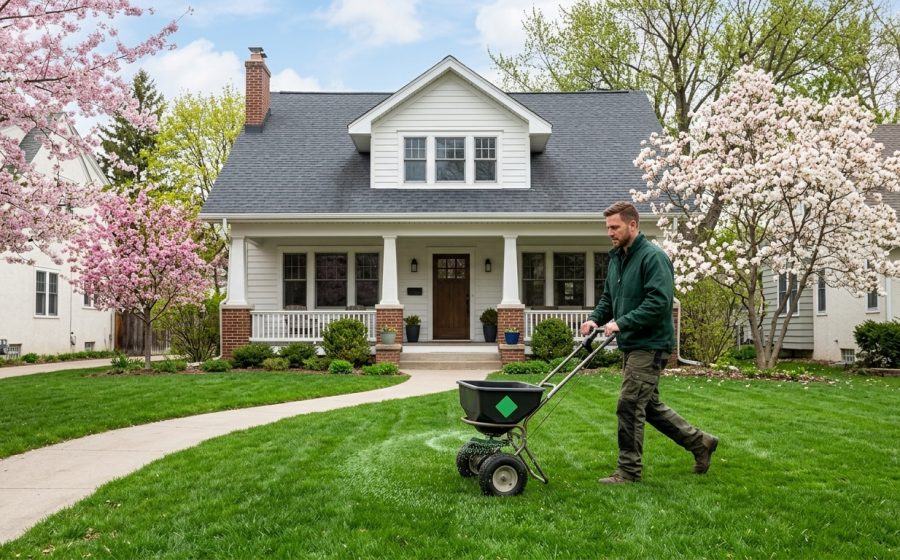
Best Lawn Care Minneapolis: Ratings, Reviews & Local Expertise
Maintaining a vibrant, healthy lawn in Minneapolis presents unique challenges, from navigating the distinct seasonal changes to understanding local soil conditions and common pests. This comprehensive guide dives into everything homeowners need to know about professional lawn care services in the Minneapolis metro area, offering an unbiased perspective on what truly makes a service stand out.
We explore the critical factors that contribute to a thriving lawn, dissecting various service offerings, pricing structures, and the importance of local expertise. Our aim is to equip you with the knowledge to make informed decisions, ensuring your lawn not only looks its best but also remains resilient throughout the year.
Beyond surface-level aesthetics, effective lawn care involves a deep understanding of horticulture, environmental factors, and sustainable practices. This guide emphasizes the value of verified customer reviews and detailed service comparisons, providing a framework for evaluating providers that extends beyond promotional claims.
Understanding Minneapolis’s Unique Lawn Care Needs
Minneapolis lawns face a distinct set of environmental conditions that necessitate specialized care throughout the year. The region experiences extreme temperature fluctuations, from harsh, freezing winters to hot, humid summers, which significantly impact grass health and growth cycles.
Local soil composition, often characterized by its clay content, also plays a crucial role, affecting drainage, nutrient retention, and root development. Understanding these specific challenges is the foundation for any successful lawn care strategy, distinguishing effective local approaches from generic advice.
Furthermore, Minneapolis is susceptible to specific lawn diseases and pests that thrive in its climate, such as snow mold in winter and various grubs or fungal issues in warmer months. A truly effective lawn care program must proactively address these threats, employing preventative measures and timely treatments tailored to the local ecosystem.
Seasonal Challenges and Solutions
Spring in Minneapolis demands a focus on recovery and revitalization after the long winter. This period is crucial for addressing compaction, applying pre-emergent herbicides to combat weeds, and initiating fertilization to promote robust growth.
Summer brings intense heat and potential drought conditions, requiring precise irrigation strategies and careful mowing practices to prevent stress and disease. Fall is equally vital for preparing the lawn for winter dormancy, involving aeration, overseeding, and a final round of fertilization to strengthen roots.
Winter, while seemingly dormant, still requires attention, particularly concerning snow mold prevention and protecting turf from de-icing salts. Each season presents unique demands that necessitate a dynamic and responsive lawn care plan, ensuring year-round health and resilience.
Key Services Offered by Top Minneapolis Lawn Care Companies
Comprehensive lawn care in Minneapolis extends far beyond simple mowing, encompassing a suite of specialized services designed to maintain and enhance turf health. Top-tier companies offer integrated programs that address every aspect of lawn maintenance, from foundational treatments to aesthetic improvements.
These services are often bundled into seasonal packages or customized plans, providing homeowners with tailored solutions that align with their specific lawn conditions and budgetary considerations. Understanding the scope of these offerings is essential for selecting a provider that can meet all your lawn’s needs.
The best providers emphasize a holistic approach, recognizing that each service contributes to the overall vitality and appearance of the lawn. This integrated strategy ensures that treatments are complementary, maximizing their effectiveness and promoting long-term sustainability.
Fertilization and Weed Control
Effective fertilization programs are meticulously timed to coincide with the grass’s growth cycles, delivering essential nutrients when they are most needed. In Minneapolis, this typically involves multiple applications throughout the spring, summer, and fall, using formulations balanced for local soil types and grass varieties.
Weed control is equally critical, employing both pre-emergent applications to prevent weed seeds from germinating and post-emergent treatments to eliminate existing broadleaf weeds. Licensed technicians understand the precise application rates and timing required to be effective without harming desirable turf.
Our licensed fertilizer and weed control technicians at Peter Doran Lawn utilize only the best products available, ensuring targeted action against weeds while nourishing your lawn. This meticulous approach minimizes chemical use and maximizes the health of your turf, reflecting our commitment to quality and environmental responsibility.
Lawn Mowing and Maintenance
Professional lawn mowing involves more than just cutting grass; it’s a precision service that promotes turf density and health. This includes maintaining optimal blade height, which varies by grass type and season, to encourage deeper root growth and prevent scalping.
Proper mowing also incorporates techniques like mulching grass clippings back into the lawn, returning valuable nutrients to the soil, and ensuring sharp blades are used to prevent tearing, which can invite disease. Edging and trimming are integral components, providing a crisp, clean finish around sidewalks, driveways, and landscape beds.
Our seven experienced lawn maintenance crews at Peter Doran Lawn are trained in these best practices, ensuring consistent, high-quality results for every property. We understand that regular, professional maintenance is the cornerstone of a beautiful and healthy lawn, contributing significantly to its long-term vitality.
Aeration and Dethatching
Aeration is a vital process that involves creating small holes in the lawn to alleviate soil compaction, allowing air, water, and nutrients to penetrate the root zone more effectively. This practice is particularly beneficial for Minneapolis’s often clay-heavy soils, improving drainage and promoting stronger root development.
Dethatching, or power raking, removes the layer of dead grass, roots, and debris (thatch) that accumulates between the soil surface and the green grass blades. Excessive thatch can impede water and nutrient absorption, harbor pests, and prevent new grass growth, making its removal crucial for lawn health.
These services are typically performed in the spring or fall, aligning with periods of active growth to allow the lawn to recover quickly. Peter Doran Lawn understands the precise timing and methods for effective aeration and dethatching, ensuring these treatments yield maximum benefits for your turf.
Pest and Disease Management
Proactive pest and disease management are essential for protecting Minneapolis lawns from common threats. This involves identifying specific issues like grubs, chinch bugs, or various fungal diseases and implementing targeted treatments to mitigate their impact.
Integrated pest management (IPM) strategies prioritize environmentally responsible solutions, focusing on prevention and minimal intervention. This approach considers the life cycles of pests and diseases, applying treatments only when necessary and at the most effective stages.
Our experienced staff are adept at diagnosing and treating a wide array of lawn afflictions, utilizing advanced products and techniques to restore health without compromising safety. We emphasize early detection and swift action to prevent minor issues from escalating into significant problems.
Pricing and Value: What to Expect from Minneapolis Lawn Care
Understanding the pricing structure for lawn care services in Minneapolis is crucial for homeowners seeking both quality and value. Costs can vary significantly based on factors such as property size, the specific services requested, the frequency of treatments, and the overall condition of the lawn.
While it might be tempting to opt for the lowest bid, true value in lawn care often lies in the expertise, reliability, and comprehensive nature of the services provided. Investing in a reputable company typically translates to superior results and long-term savings by preventing costly issues down the line.
Many companies offer tiered packages or customizable plans, allowing homeowners to select services that best fit their needs and budget. It is always advisable to obtain detailed quotes from multiple providers, ensuring a clear understanding of what is included in each service offering.
Factors Influencing Cost
The size of your lawn is a primary determinant of cost, as larger areas require more time, labor, and materials. The complexity of your landscape, including the number of garden beds, trees, and obstacles, can also influence pricing for mowing and maintenance services.
Specific treatments like aeration, dethatching, or specialized pest control applications are often priced separately or as add-ons to basic packages. The frequency of service, whether weekly, bi-weekly, or seasonal, also impacts the overall annual expenditure.
Furthermore, the quality of products used, the level of technician expertise, and the company’s insurance and licensing can all contribute to pricing variations. Reputable companies like Peter Doran Lawn, which use only the best products and employ licensed professionals, often reflect this commitment to quality in their pricing.
Comparing Service Packages and Customization
Many Minneapolis lawn care providers offer a range of service packages, from basic mowing plans to comprehensive annual programs that include fertilization, weed control, and seasonal treatments. These packages are designed to simplify decision-making and often provide cost savings compared to purchasing individual services.
However, the best companies also offer the flexibility for customization, allowing homeowners to tailor services precisely to their lawn’s unique requirements. This might involve adding specific pest treatments, adjusting fertilization schedules, or incorporating specialized shrub and tree care.
When comparing packages, it’s crucial to look beyond the price tag and evaluate the scope of services, the quality of products, and the reputation of the provider. Peter Doran Lawn prides itself on providing dependable quality service with excellence, ensuring that our clients receive exceptional value for their investment.
Customer Reviews and Testimonials: What Minneapolis Residents Are Saying
In the competitive Minneapolis lawn care market, customer reviews and testimonials serve as invaluable indicators of a company’s performance and reliability. These firsthand accounts offer genuine insights into service quality, responsiveness, and overall customer satisfaction, providing a transparent look at what to expect.
We, as practitioners in this field for over 30 years, have learned that positive feedback consistently highlights professionalism, attention to detail, and effective communication. Conversely, recurring negative comments often point to issues with consistency, missed appointments, or unsatisfactory results, which are critical red flags for potential clients.
When evaluating reviews, look for patterns rather than isolated incidents, paying close attention to comments about specific services like fertilizing or lawn mowing. This approach helps to differentiate between minor issues and systemic problems, guiding you toward a provider that consistently delivers on its promises.
The Value of Verified Feedback
Verified customer reviews, often found on platforms like Google or Yelp, carry significant weight because they come from actual clients who have experienced the service. These reviews provide an unbiased perspective, offering a more reliable assessment than company-generated marketing materials.
We at Peter Doran Lawn understand the importance of this feedback, as it directly reflects our commitment to dependable quality service. Our goal is always to exceed expectations, and the positive testimonials we receive from Minneapolis residents underscore our dedication to excellence.
Genuine reviews often detail specific aspects of service, such as the effectiveness of a particular treatment or the professionalism of a crew member. This level of detail helps prospective customers understand the practical outcomes of choosing a particular lawn care provider.
Common Themes in Positive Reviews
Across Minneapolis, positive reviews for top lawn care companies frequently highlight several key attributes. Consistency in service delivery, where lawns are maintained to a high standard week after week, is a common point of praise.
Customers also appreciate clear and proactive communication, especially regarding scheduling changes or specific lawn issues. The expertise of the crews, their ability to diagnose problems, and their polite demeanor are often mentioned as significant differentiators.
At Peter Doran Lawn, we consistently hear feedback about our experienced staff and their commitment to timely, quality service. Our clients value the peace of mind that comes from knowing their lawn is in capable hands, and this trust is built through consistent, excellent performance.
Choosing the Right Lawn Care Company in Minneapolis
Selecting the ideal lawn care company in Minneapolis requires careful consideration beyond just price. It involves evaluating a provider’s expertise, range of services, commitment to customer satisfaction, and understanding of local conditions.
A truly effective partner will not only maintain your lawn but also act as an advisor, offering insights and solutions tailored to your property’s specific needs. This collaborative approach ensures that your lawn receives the most appropriate and beneficial care throughout the year.
Prioritizing companies with a strong local presence and a proven track record of success in the Minneapolis metro area can significantly enhance your chances of achieving a consistently healthy and beautiful lawn. Their familiarity with regional challenges is an invaluable asset.
Questions to Ask Potential Providers
When interviewing potential lawn care companies, inquire about their specific experience with Minneapolis lawns and their understanding of local soil types and climate challenges. Ask about their licensing and insurance, ensuring they meet all regulatory requirements and provide adequate protection.
Clarify the exact services included in any proposed package, asking for details on fertilization schedules, weed control methods, and mowing practices. Request references or examples of their work, and inquire about their communication protocols and how they handle customer concerns.
Furthermore, discuss their approach to sustainable practices, such as integrated pest management or environmentally friendly product usage. A thorough vetting process ensures you partner with a company that aligns with your expectations for quality and responsibility.
Local Expertise and Reputation
A company’s local expertise is paramount in Minneapolis, where seasonal transitions and specific environmental factors dictate effective lawn care strategies. Providers with decades of experience in the area possess an intimate knowledge of what works best for local turf varieties and common issues.
Peter Doran Lawn, with over 30 years serving the Minneapolis metro, exemplifies this deep local understanding. Our longevity in the community is a testament to our consistent quality and our ability to adapt our services to the evolving needs of Minneapolis lawns.
A strong local reputation is built on consistent performance, reliability, and positive customer relationships. This reputation signals a company’s commitment to the community and its ability to deliver on its promises, making it a trustworthy choice for your lawn care needs.
Common Lawn Care Mistakes to Avoid in Minneapolis
Even with the best intentions, homeowners often make common mistakes that can inadvertently harm their Minneapolis lawns. As seasoned practitioners, we’ve observed these recurring issues, which often stem from a lack of understanding of local conditions or improper application techniques.
Avoiding these pitfalls is as crucial as implementing correct practices, as a single error can undo weeks or months of diligent effort. Recognizing these common missteps allows for proactive adjustments, ensuring your lawn remains healthy and resilient against environmental stressors.
Many of these mistakes are easily preventable with proper knowledge and attention to detail, highlighting the value of professional guidance. Our experience at Peter Doran Lawn has shown us that educating clients on these common errors significantly contributes to their long-term lawn health.
Improper Mowing Techniques
One of the most frequent mistakes is cutting the grass too short, often referred to as scalping. This stresses the turf, weakens its root system, and makes it more susceptible to weeds, pests, and disease, especially during hot Minneapolis summers.
Another error is failing to keep mower blades sharp; dull blades tear grass blades rather than cleanly cutting them, leading to frayed tips that turn brown and increase vulnerability to disease. Mowing when the grass is wet can also lead to uneven cuts and clumping, suffocating the turf underneath.
We always emphasize the “one-third rule,” never removing more than one-third of the grass blade’s height in a single mowing session. This practice, combined with sharp blades and appropriate mowing frequency, is fundamental to maintaining a healthy, dense lawn.
Incorrect Watering Practices
Overwatering is a common issue, leading to shallow root growth, increased susceptibility to fungal diseases, and nutrient leaching from the soil. Conversely, underwatering leaves the grass stressed, dormant, and vulnerable to heat damage, particularly during dry spells.
Watering too frequently but for short durations encourages shallow roots, which cannot access deeper soil moisture. The ideal approach for Minneapolis lawns is deep, infrequent watering, typically in the early morning, to encourage roots to grow deeper and to minimize evaporation.
Understanding your soil type and grass variety is crucial for determining the right watering schedule. Our teams often advise clients on efficient irrigation strategies, helping them conserve water while ensuring their lawns receive adequate moisture.
Neglecting Soil Health
Many homeowners overlook the foundational importance of soil health, focusing solely on the visible grass blades. Neglecting soil compaction, nutrient deficiencies, or pH imbalances can undermine even the most diligent efforts in mowing and watering.
Failing to aerate regularly, especially in Minneapolis’s clay soils, can lead to severe compaction, impeding root growth and nutrient absorption. Similarly, not conducting soil tests to identify specific nutrient needs can result in improper fertilization, either over-applying or under-applying essential elements.
At Peter Doran Lawn, we understand that a healthy lawn starts from the ground up. We advocate for regular soil testing and targeted amendments to ensure the soil provides an optimal environment for robust grass growth, addressing the root cause of many lawn issues.
Sustainable and Eco-Friendly Lawn Care in Minneapolis
As environmental awareness grows, sustainable and eco-friendly lawn care practices are becoming increasingly important for Minneapolis homeowners. These approaches prioritize the health of the ecosystem, minimizing chemical inputs and conserving natural resources while still achieving a beautiful lawn.
Adopting sustainable methods not only benefits the environment but also contributes to a more resilient and self-sufficient lawn in the long run. It involves a shift from reactive treatments to proactive, preventative strategies that work in harmony with nature.
Many top lawn care companies in Minneapolis, including Peter Doran Lawn, are integrating these practices into their service offerings, providing clients with options that align with their environmental values. This commitment reflects a broader industry trend towards more responsible land management.
Integrated Pest Management (IPM)
Integrated Pest Management (IPM) is a cornerstone of sustainable lawn care, focusing on long-term prevention of pests and diseases through a combination of techniques. Rather than relying solely on chemical pesticides, IPM emphasizes understanding pest life cycles and environmental factors.
This approach includes cultural practices like proper watering and mowing, biological controls using natural predators, and the use of resistant grass varieties. Chemical applications are reserved as a last resort, applied strategically and minimally to target specific infestations.
Our licensed technicians are trained in IPM principles, ensuring that any pest or disease treatment is both effective and environmentally conscious. This careful consideration minimizes impact on beneficial insects and the broader ecosystem, aligning with our commitment to responsible practices.
Organic and Natural Solutions
The demand for organic and natural lawn care solutions is rising in Minneapolis, driven by concerns about chemical exposure and environmental impact. These programs utilize products derived from natural sources, such as compost, organic fertilizers, and biological controls.
Organic fertilizers, often made from plant or animal byproducts, release nutrients slowly, improving soil structure and microbial activity over time. This fosters a healthier soil ecosystem, which in turn supports stronger, more disease-resistant turf.
While organic solutions may sometimes require a longer transition period to see full results, they offer significant long-term benefits for soil health and environmental safety. Peter Doran Lawn can discuss these options with clients seeking a fully natural approach to their lawn care.
Water Conservation Techniques
Water conservation is a critical aspect of sustainable lawn care, especially during dry periods in Minneapolis. Implementing efficient irrigation systems, such as smart controllers that adjust watering based on weather data, can significantly reduce water usage.
Proper watering techniques, like deep and infrequent irrigation, encourage deeper root growth, making the lawn more drought-tolerant. Incorporating drought-resistant grass varieties and improving soil organic matter content also enhances the soil’s ability to retain moisture.
Our teams advise on best practices for watering, helping clients optimize their irrigation schedules to conserve water without compromising lawn health. This focus on efficiency benefits both the environment and the homeowner’s utility bills.
Tools and Resources for the Minneapolis Homeowner
Empowering Minneapolis homeowners with the right tools and knowledge is key to fostering a healthy lawn, whether they choose professional services or a DIY approach. Understanding the basic equipment and available resources can significantly improve lawn care outcomes.
While professional companies like Peter Doran Lawn utilize commercial-grade machinery and specialized products, homeowners can still achieve impressive results with appropriate tools and information. The right resources can demystify complex lawn care tasks and provide practical guidance.
This section highlights essential tools and valuable information sources that can aid in maintaining a thriving lawn in the unique Minneapolis climate. Equipping yourself with these resources is a proactive step towards a greener, healthier yard.
Essential Lawn Care Equipment
For basic lawn maintenance, a reliable lawn mower is paramount; options range from traditional reel mowers for a pristine cut to powerful gas or electric rotary mowers for larger areas. Investing in a model with mulching capabilities can return valuable nutrients to the soil.
A sturdy rake is essential for clearing leaves and debris, while a broadcast spreader ensures even application of fertilizers and grass seed. Hand tools like a trowel, hand pruners, and a weeding fork are indispensable for detailed work in smaller areas and garden beds.
For more advanced tasks, a core aerator (either manual or rental) can alleviate soil compaction, and a dethatcher (power rake) can remove excessive thatch. These specialized tools, while not needed as frequently, are crucial for addressing specific lawn health issues.
Valuable Local Resources and Information
The University of Minnesota Extension provides an invaluable resource for local homeowners, offering research-based information on lawn care specific to Minnesota’s climate and soil conditions. Their publications cover topics from turfgrass selection to pest identification and management. The UMN Extension website is a comprehensive hub for science-backed advice.
Local garden centers and nurseries in the Minneapolis metro area are also excellent sources of information, often staffed by knowledgeable professionals who can offer tailored advice on products and practices. They can guide you on the best grass seed varieties, fertilizers, and pest control solutions suitable for your specific lawn.
Additionally, community workshops and seminars on gardening and lawn care are frequently offered by local organizations, providing hands-on learning opportunities. Engaging with these local resources ensures that your lawn care efforts are aligned with regional best practices.
Frequently Asked Questions About Minneapolis Lawn Care
Homeowners in Minneapolis often have specific questions about maintaining their lawns, given the region’s distinct climate and challenges. This section addresses some of the most common inquiries, providing clear and concise answers based on local expertise.
These FAQs cover a range of topics, from optimal timing for specific treatments to understanding local regulations and choosing the right services. Our aim is to provide practical, actionable information that helps you make informed decisions for your lawn.
By addressing these frequently asked questions, we hope to demystify some of the complexities of Minneapolis lawn care and empower homeowners with the knowledge they need for a thriving yard.
When is the best time to fertilize my lawn in Minneapolis?
The optimal time to fertilize a lawn in Minneapolis typically involves a multi-application schedule throughout the growing season. A crucial application occurs in early spring, usually April, to stimulate growth after winter dormancy, followed by another in late spring or early summer to sustain vigor.
A critical fall application, often in September or October, is essential for strengthening roots and promoting winter hardiness, which helps the lawn withstand the cold months. Avoiding fertilization during the hottest parts of summer prevents stress and potential burn, ensuring nutrients are absorbed efficiently.
How often should I water my Minneapolis lawn?
The frequency of watering a Minneapolis lawn depends on several factors, including grass type, soil composition, and current weather conditions. Generally, deep and infrequent watering is recommended, aiming for about one inch of water per week, either from rain or irrigation, to encourage deep root growth.
During hot, dry spells, you might need to water two to three times a week, ensuring the water penetrates several inches into the soil. It’s best to water in the early morning to minimize evaporation and allow the grass blades to dry before nightfall, reducing the risk of fungal diseases.
What are common weeds in Minneapolis and how are they controlled?
Common weeds in Minneapolis lawns include dandelions, clover, broadleaf plantain, and crabgrass, each requiring specific control strategies. Dandelions and plantain are broadleaf weeds best controlled with post-emergent herbicides applied when they are actively growing in spring or fall.
Crabgrass, an annual grassy weed, is effectively managed with pre-emergent herbicides applied in early spring before its seeds germinate. Maintaining a dense, healthy lawn through proper mowing and fertilization is also a powerful preventative measure against all types of weed invasion.
When should I dethatch my lawn in Minneapolis?
The best time to dethatch a lawn in Minneapolis is typically in the early spring, usually April or May, or in the early fall, around September. These periods coincide with active grass growth, allowing the lawn to recover quickly from the dethatching process.
Dethatching during the summer can stress the lawn, especially during hot, dry conditions, potentially causing more harm than good. It’s important to ensure the thatch layer is at least half an inch thick before considering dethatching, as minor thatch is beneficial for insulation and moisture retention.
Is professional lawn care worth the cost in Minneapolis?
Professional lawn care in Minneapolis is often a worthwhile investment for homeowners seeking consistent quality, time savings, and expert solutions for complex lawn issues. Professionals bring specialized equipment, licensed expertise in fertilization and pest control, and an understanding of local climate challenges that DIY efforts might miss.
While there is an upfront cost, professional services can prevent costly mistakes, enhance property value, and ensure a healthier, more resilient lawn in the long run. For those in Brooklyn Park, MN, or other Minneapolis suburbs, the convenience and expertise can be particularly beneficial.
The value extends beyond aesthetics, contributing to the overall health and longevity of your turf, ultimately saving you time and effort.
Achieving a lush, healthy lawn in Minneapolis requires a nuanced understanding of local conditions, consistent care, and often, the expertise of seasoned professionals. By prioritizing sustainable practices, understanding seasonal needs, and evaluating providers based on verified reviews and local knowledge, homeowners can cultivate a resilient and beautiful outdoor space.
We at Peter Doran Lawn have dedicated over three decades to mastering these intricacies, providing dependable quality service with excellence to our Minneapolis clients. Our experienced crews and licensed technicians are committed to utilizing the best products and proven techniques, ensuring long-lasting appearance and standing by our workmanship 100%.
For personalized solutions and expert care tailored to your Minneapolis lawn, we invite you to request a quote for lawn care services today.

Minneapolis Lawns: What Peter Doran Customers Say
When considering professional lawn and landscaping services, understanding the experiences of previous clients is paramount. Many homeowners and property managers in the Minneapolis area search for "Peter Doran Lawn and Landscaping reviews" to gain insight into the quality, reliability, and overall satisfaction associated with a company's work. These reviews offer a window into how a service provider truly operates, moving beyond marketing claims to real-world outcomes.
For over 30 years, Peter Doran Lawn has built a reputation for dependable quality, and customer feedback consistently highlights specific aspects of their service that resonate most with clients. This article dives into the common themes found in Peter Doran Lawn and Landscaping reviews, connecting them directly to the company's established practices and commitment to excellence.
We will explore what makes Peter Doran Lawn a trusted name in Minneapolis, examining the operational principles that underpin positive client experiences and contribute to long-term satisfaction.
Understanding the Value of Peter Doran Lawn and Landscaping Reviews
Customer reviews serve as a critical resource for anyone evaluating a service provider, offering unfiltered perspectives on performance and professionalism. They provide social proof, validating a company's claims through the lens of actual client interactions and project completions.
For services like lawn care and landscaping, where the results are highly visible and impact property value, these insights are invaluable. Reviews often highlight not just the finished product, but also the process, communication, and problem-solving capabilities of a team.
Analyzing "Peter Doran Lawn and Landscaping reviews" helps prospective clients understand the consistent quality and reliability they can expect, ensuring their investment yields the desired aesthetic and functional improvements.
The Importance of Consistent Quality in Lawn Care
Consistent quality in lawn care extends beyond just a neatly mowed lawn; it encompasses the health, appearance, and long-term vitality of the entire landscape. This consistency is a recurring theme in positive feedback for Peter Doran Lawn, reflecting a meticulous approach to every service.
Achieving this requires a deep understanding of local soil conditions, plant types, and seasonal demands, ensuring that each treatment and maintenance task is perfectly timed and executed.
Clients frequently commend the uniform appearance of their properties, the vibrant health of their turf, and the sustained beauty of their plantings, all direct results of a consistent, high-standard service delivery.
Reliability and Professionalism: Cornerstones of Service
In any service industry, reliability and professionalism are non-negotiable, and these attributes are consistently emphasized in feedback regarding Peter Doran Lawn. Clients value punctuality, clear communication, and a respectful demeanor from service teams.
A professional approach means adhering to schedules, providing transparent updates, and ensuring that all work areas are left clean and tidy upon completion.
This commitment to reliability builds trust and reduces client stress, knowing that their property is in capable hands and that commitments will be honored.
What Drives Positive Peter Doran Lawn and Landscaping Reviews?
The consistently positive sentiment in Peter Doran Lawn and Landscaping reviews is not accidental; it stems from a deliberate operational philosophy refined over three decades. Our approach prioritizes specific elements that directly translate into superior customer experiences and lasting results.
From the initial consultation to ongoing maintenance, every step is guided by a commitment to excellence, utilizing the best available products and a highly skilled workforce. This dedication ensures that clients receive not just a service, but a comprehensive solution tailored to their property's unique needs.
Our Commitment: 30 Years of Dependable Quality
Established in 1993, Peter Doran Lawn has been providing dependable quality service to the Minneapolis area for over 30 years. Our enduring presence in the industry is a testament to our unwavering goal: to deliver excellence in a timely manner through an experienced staff.
This long-standing commitment means we have honed our processes, adapted to evolving industry standards, and consistently invested in our team's expertise. Clients benefit from this deep institutional knowledge and a proven track record of successful projects, which is frequently highlighted in their positive feedback.
The Role of Experienced Staff and Quality Products
The backbone of our service quality lies in our experienced staff and the superior products we utilize. Our teams, including seven experienced lawn maintenance crews, two licensed fertilizer and weed control technicians, and two landscaping crews supervised by an experienced landscape designer, bring unparalleled expertise to every project.
We only use the best products available on the market, ensuring not only an immediate aesthetic improvement but also a long-lasting appearance and health for your landscape. This combination of skilled hands and premium materials allows us to stand by our workmanship 100%, a guarantee that resonates strongly in Peter Doran Lawn and Landscaping reviews.
Addressing Specific Service Aspects in Reviews
When clients share their experiences, they often focus on particular aspects of our services, providing valuable feedback that helps us continually refine our offerings. These specific mentions frequently highlight the visible impact of our work and the seamless execution of projects.
Whether it's the precision of our lawn mowing or the transformative effect of a landscape design, these details paint a clear picture of our capabilities. Understanding these recurring themes helps prospective clients anticipate the tangible benefits of choosing Peter Doran Lawn for their property needs.
Excellence in Lawn Maintenance Services
Many Peter Doran Lawn and Landscaping reviews frequently commend the excellence of our lawn maintenance services, noting the meticulous attention to detail that results in pristine turf. This includes precise mowing, expert trimming, and thorough blowing, ensuring every blade of grass contributes to a polished look.
Our comprehensive approach to lawn care extends to effective fertilization and weed control, which are crucial for maintaining a healthy, vibrant lawn throughout the growing season. Clients consistently report a noticeable improvement in the density and color of their grass, attributing it to our consistent and knowledgeable care.
Transformative Landscape Design and Installation
Beyond routine maintenance, our landscape design and installation services receive significant praise for their transformative impact on properties. Reviews often detail how our landscape designer translates client visions into stunning, functional outdoor spaces.
From initial concept development to the final planting and hardscape installation, our crews execute designs with precision and artistic flair, creating inviting environments that enhance curb appeal and usability. The durability and aesthetic appeal of our landscape projects are frequently highlighted, demonstrating our commitment to creating lasting beauty for our clients.
The Peter Doran Difference: Beyond Basic Service
What truly sets Peter Doran Lawn apart, as reflected in numerous customer testimonials, is our commitment to going beyond basic service expectations. We understand that property owners seek a partner who not only performs tasks but also anticipates needs and provides proactive solutions.
This proactive approach, combined with our deep industry knowledge, ensures that every aspect of your lawn and landscape receives optimal care. It's this dedication to comprehensive, thoughtful service that transforms a simple transaction into a long-term, trusting relationship.
Proactive Solutions and Expert Advice
Clients appreciate our proactive approach to lawn and landscape management, where potential issues are identified and addressed before they escalate. This includes expert advice on irrigation, plant health, and seasonal preparations, all tailored to the specific conditions of your property.
Our experienced staff are not just service providers; they are knowledgeable consultants who offer insights that help clients make informed decisions about their outdoor spaces. This level of engagement ensures that your landscape remains healthy and beautiful year-round, minimizing unexpected problems and maximizing long-term value.
Client Communication and Responsiveness
Effective communication and responsiveness are critical components of exceptional service, and these qualities are consistently praised in Peter Doran Lawn and Landscaping reviews. We prioritize clear, timely communication, ensuring clients are always informed about their service schedule, project progress, and any relevant observations.
Our team is readily accessible to address questions, concerns, or special requests, fostering a sense of partnership and trust. This commitment to open dialogue and prompt action ensures a smooth and satisfying experience for every client.
Connecting Reviews to Our Service Areas
The positive feedback we receive from clients across the Minneapolis metro area underscores the consistent quality of our services, regardless of location. Whether you're in Brooklyn Park, Coon Rapids, or another surrounding community, our commitment to excellence remains unwavering.
Our localized expertise allows us to address the specific challenges and opportunities presented by diverse landscapes within the region. This regional focus ensures that our services are not only high-quality but also perfectly adapted to the local environment, from soil types to climate variations.
Lawn Care Excellence in Brooklyn Park and Coon Rapids
Residents and businesses in areas like Brooklyn Park and Coon Rapids consistently praise our lawn care services for their effectiveness and reliability. Our understanding of the local ecosystem in these communities allows us to apply precise treatments that yield optimal results.
From routine mowing to specialized treatments like core aeration and overseeding, our teams are equipped to handle the unique demands of each property. This localized expertise is a significant factor in the positive Peter Doran Lawn and Landscaping reviews we receive from these specific service areas.
Frequently Asked Questions About Peter Doran Lawn
What types of properties does Peter Doran Lawn service?
Peter Doran Lawn provides comprehensive lawn care, landscaping, and snow removal services for both residential and commercial clients throughout the Minneapolis area. Our diverse fleet and experienced crews are equipped to handle properties of varying sizes and complexities, from small residential yards to large commercial complexes and HOAs.
We tailor our services to meet the specific needs and aesthetic goals of each property type, ensuring a customized approach that delivers optimal results. This versatility allows us to serve a broad spectrum of clients seeking professional and dependable outdoor property management.
How does Peter Doran Lawn ensure quality and customer satisfaction?
Our commitment to quality and customer satisfaction is built on several foundational principles, including our 30 years of industry experience and our dedicated, highly trained staff. We exclusively use the best products available on the market, which contributes significantly to the long-lasting appearance and health of your landscape.
Furthermore, we stand by our workmanship 100%, ensuring that if any aspect of our service falls short of expectations, we will address it promptly and effectively. This combination of expertise, premium materials, and a strong guarantee underpins the positive feedback found in Peter Doran Lawn and Landscaping reviews.
What makes Peter Doran Lawn different from other landscaping companies?
The Peter Doran difference lies in our holistic approach to outdoor property management, combining extensive experience with a relentless focus on client satisfaction and environmental stewardship. Unlike companies that may offer a limited range of services, we provide a full suite of solutions, from routine lawn maintenance to intricate landscape design and essential snow removal.
Our emphasis on using only the highest quality products and employing a highly skilled, stable workforce ensures consistent, superior results that stand the test of time. This comprehensive, quality-driven service model, backed by three decades of dependable operation, truly sets us apart in the Minneapolis market.
The consistent themes in Peter Doran Lawn and Landscaping reviews highlight a company deeply committed to dependable quality, professionalism, and client satisfaction. From meticulous lawn maintenance to transformative landscape designs, our 30 years of experience and dedicated team ensure superior results that enhance property value and curb appeal. These insights from actual customers provide a clear picture of the reliable and high-quality service you can expect.
Achieving and maintaining a beautiful, healthy landscape requires more than just occasional attention; it demands consistent, expert care and a proactive approach. We bring this level of dedication to every project, leveraging our extensive knowledge and premium resources to ensure your outdoor spaces thrive year-round. Our team is equipped to handle every challenge, delivering solutions that are both effective and sustainable.
Ready for dependable quality? Request a free estimate for your Minneapolis lawn or landscape project today!
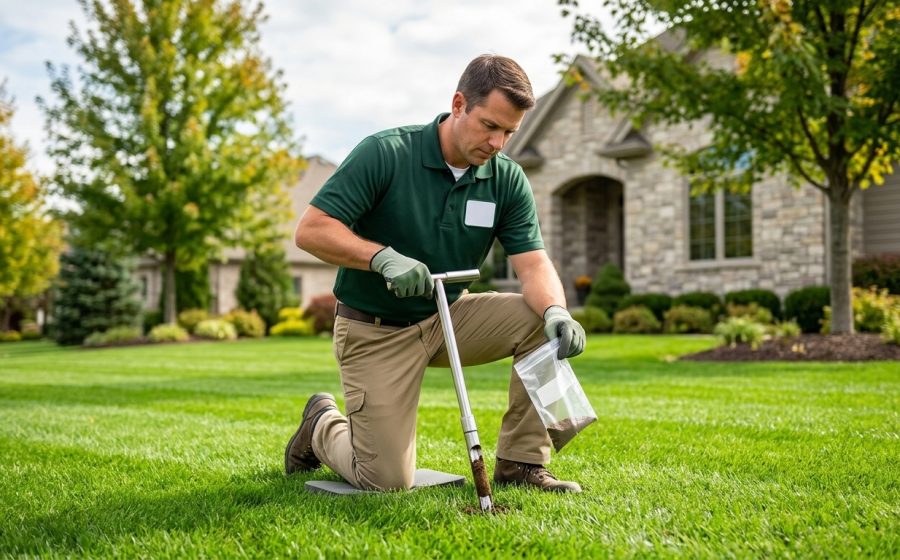
Healthy Lawn Cultivation: Standards for Lasting Vitality
Effective care for lawn transcends simple maintenance; it is a holistic, ongoing process focused on cultivating a resilient turf ecosystem. Quality in this domain is defined by an integrated approach that prioritizes proactive health management over reactive problem-solving, ensuring enduring vibrancy and ecological balance. Peter Doran Lawn, with over 30 years of experience, sets the standard for understanding and nurturing the living components of a lawn, establishing the benchmarks for what truly constitutes a healthy, vibrant, and resilient outdoor space.
This approach recognizes that a lawn is a complex biological system, where every practice, from soil amendment to seasonal adjustments, plays a crucial role in its overall vitality. Achieving lasting health requires a deep understanding of horticultural principles, local environmental factors, and the specific needs of turfgrass. It's about creating an environment where grass can thrive naturally, resisting stressors and maintaining its aesthetic appeal throughout the year.
Five Pillars of Lasting Lawn Vitality
Cultivating a truly healthy lawn relies on adherence to specific quality criteria that collectively ensure sustained vitality. These pillars serve as the essential evaluation points for any lawn care practice, defining what excellence looks like in maintaining a vibrant turf ecosystem. Peter Doran Lawn's practices exemplify these standards, demonstrating how a commitment to these principles yields exceptional results.
Soil Health and Nutrient Balance
Why it matters: The soil is the foundation of all plant life. Optimal soil pH, rich organic matter, and balanced nutrient levels are critical for strong root development, nutrient uptake, and overall turf resilience. Poor soil health leads to weak grass, increased susceptibility to disease, and inefficient water use.
How to evaluate it: A healthy lawn exhibits vigorous, consistent growth and a deep green color, indicating efficient nutrient absorption. Professional soil testing reveals pH levels, nutrient deficiencies, and organic matter content, guiding precise amendments. The soil should feel alive, with good drainage and a healthy microbial presence.
Precision Hydration and Water Management
Why it matters: Proper watering is not just about keeping grass green; it's about encouraging deep root growth, which enhances drought resistance and nutrient absorption. Inconsistent or shallow watering leads to weak, surface-level roots, making the lawn vulnerable to stress and disease.
How to evaluate it: The lawn should maintain consistent color and turgidity without signs of wilting, even during drier periods. Water penetration should be deep, reaching 4-6 inches into the soil, rather than just wetting the surface. Grass blades should not appear stressed or discolored from either over or under-watering.
Strategic Mowing and Growth Regulation
Why it matters: Mowing is more than just cutting grass; it's a horticultural practice that influences turf density, root development, and resistance to weeds and disease. Incorrect mowing height or frequency can stress the grass, weaken its immune system, and promote weed invasion.
How to evaluate it: The lawn should have a uniform appearance with no scalping or uneven cuts. Grass blades should be cleanly cut, not torn, indicating sharp mower blades. The turf should exhibit healthy density, which naturally suppresses weeds, and maintain an appropriate height for its grass type and season.
Proactive Pest and Weed Stewardship
Why it matters: An integrated approach to pest and weed management focuses on prevention and minimal intervention, protecting the lawn's ecosystem while addressing issues effectively. Relying solely on reactive chemical treatments can disrupt beneficial organisms and lead to resistant pests and weeds.
How to evaluate it: A healthy lawn shows minimal presence of common weeds or insect damage. When issues arise, they are addressed with targeted, environmentally responsible methods. The overall health of the turf should be strong enough to naturally outcompete many weeds and resist minor pest infestations.
Mechanical Aeration and Dethatching for Root Zone Optimization
Why it matters: Over time, soil becomes compacted, and thatch builds up, hindering air, water, and nutrient penetration to the root zone. Regular aeration and dethatching are crucial mechanical practices that alleviate these issues, promoting robust root growth and overall turf vigor.
How to evaluate it: Water and nutrients should penetrate the soil efficiently, without excessive runoff or pooling. The lawn should feel resilient underfoot, not overly spongy from thatch or rock-hard from compaction. Grass roots should be able to grow deeply and spread freely, indicating an unhindered growing environment.
Soil Health: The Unseen Foundation of a Thriving Lawn
The vitality of any lawn begins beneath the surface, within its soil. Soil composition, including its texture, organic matter content, and pH levels, dictates how well grass roots can access water and nutrients. A balanced soil pH, typically between 6.0 and 7.0 for most turfgrasses, is crucial for nutrient availability, as nutrients can become locked up and inaccessible to plants in overly acidic or alkaline conditions.
Beyond pH, the presence of beneficial microbial activity and adequate organic matter improves soil structure, enhancing drainage in heavy clays and water retention in sandy soils. Peter Doran Lawn assesses and amends soil to create an optimal growing environment, recognizing that targeted fertilization and soil amendments are most effective when guided by a thorough understanding of the existing soil conditions. Addressing common issues like compaction, where soil particles are pressed together, reducing pore space, is vital for allowing roots to breathe and grow.
Strategic Watering: Cultivating Resilience, Not Just Greenery
Effective lawn watering is a precise science, not merely a matter of wetting the surface. The principle of deep, infrequent watering is paramount, encouraging grass roots to grow deeper into the soil in search of moisture. This practice builds resilience, making the lawn more tolerant to periods of drought and reducing its reliance on constant irrigation.
Factors such as grass type, soil composition, and local climate in areas like St. Paul, MN, significantly influence optimal watering schedules. For instance, sandy soils drain quickly and may require more frequent, albeit still deep, watering than heavier clay soils. Common watering mistakes, such as shallow daily sprinkling, promote weak, shallow root systems that are highly susceptible to stress and disease. Peter Doran Lawn's expertise ensures efficient and effective hydration, tailored to specific lawn conditions and environmental factors.
Nutrient Management: Feeding Your Lawn for Sustained Strength
Just like any living organism, lawns require a balanced diet of essential nutrients to thrive. Nitrogen, phosphorus, and potassium (N-P-K) are primary macronutrients vital for growth, root development, and overall plant health. However, the precise balance and timing of these nutrients are critical; an excess of one can lead to deficiencies in another, or promote excessive top growth at the expense of root development.
The foundation of effective nutrient management is soil testing, which reveals specific deficiencies and guides the creation of a tailored fertilization plan. Peter Doran Lawn's licensed technicians are experts in precise nutrient stewardship, applying fertilizers aligned with growth cycles and seasonal needs. This often involves using slow-release options that provide a steady supply of nutrients over time, preventing surges of growth and minimizing nutrient runoff, contributing to the health of lawns in communities such as Shorewood, MN.
Mowing with Purpose: Shaping Growth for Optimal Health
Mowing is a fundamental lawn care practice that, when done correctly, significantly contributes to turf health, density, and aesthetic appeal. The "one-third rule," which advises never removing more than one-third of the grass blade's height in a single mowing, is crucial for minimizing stress on the plant. Proper mowing height varies by grass type and season; generally, taller grass shades the soil, reducing weed germination and moisture evaporation, while promoting deeper root growth.
Sharp mower blades are equally important, as dull blades tear grass, leaving ragged edges that are susceptible to disease and give the lawn a brownish cast. Frequent mowing at the correct height encourages lateral growth, leading to a denser turf that naturally outcompetes weeds. Improper mowing, such as scalping or infrequent cuts, weakens the grass, making it more vulnerable to environmental stressors and pest infestations. Peter Doran Lawn's crews adhere to these precise standards, ensuring each cut promotes the lawn's long-term health.
Integrated Pest and Weed Stewardship: Proactive Protection
An integrated approach to pest and weed management (IPM) is a sophisticated, responsible strategy that prioritizes prevention and sustainable control. Rather than relying solely on reactive chemical applications, IPM emphasizes understanding the life cycles of common lawn pests and weeds and leveraging cultural practices to minimize their impact. For instance, proper mowing height, strategic watering, and robust soil health can naturally deter many common weeds and pests by creating an unfavorable environment for their proliferation.
When issues do arise, Peter Doran Lawn's licensed technicians employ targeted, responsible treatments. This involves accurate identification of the pest or weed, followed by the most effective and least disruptive control method. This proactive stewardship minimizes chemical reliance, protects beneficial organisms, and ensures the long-term ecological balance of the lawn, contributing to the health of properties in areas like Victoria, MN.
Aeration and Dethatching: Breathing Life into Your Lawn
Over time, lawns can suffer from two common issues that impede health: soil compaction and excessive thatch buildup. Soil compaction occurs when soil particles are pressed together, reducing the pore space necessary for air, water, and nutrient movement to the grass roots. Core aeration, a mechanical process that removes small plugs of soil, alleviates compaction, allowing vital elements to penetrate deeply and fostering robust root growth.
Thatch is a layer of living and dead organic matter that accumulates between the soil surface and the green grass blades. While a thin layer of thatch is beneficial, excessive buildup (over half an inch) can prevent water and nutrients from reaching the soil, harbor pests and diseases, and hinder new grass growth. Dethatching removes this excess layer, revitalizing the lawn and improving its ability to absorb essential resources.
Optimal timing for these services, typically in spring or fall, is crucial for maximizing their benefits, and Peter Doran Lawn's specialized equipment and expertise ensure these critical services are performed effectively.
The Annual Cycle of Lawn Health: Seasonal Adaptations
Effective lawn care is a year-round commitment, with practices adapting significantly across spring, summer, and fall to meet the changing needs of turfgrass in the Minneapolis region. Spring focuses on awakening the lawn with initial fertilization, pre-emergent weed control, and preparing for active growth. This is also a prime time for dethatching to remove winter buildup and allow new growth to flourish.
Summer care shifts towards maintaining health through strategic watering to combat heat stress, targeted pest and weed control as needed, and adjusting mowing heights to protect grass during warmer temperatures. As fall approaches, the emphasis returns to strengthening the lawn for winter dormancy. This includes core aeration to improve soil structure, a final round of fertilization to promote root development, and thorough fall leaf clean-up to prevent smothering and disease. Understanding and implementing these seasonal adjustments is key to cultivating a resilient lawn that thrives throughout the year.
Renovating and Slit Seeding for Existing Lawns
Even well-maintained lawns can benefit from periodic renovation to address thinning areas, improve turf density, or introduce more resilient grass varieties. Slit seeding, also known as overseeding, is a highly effective method for enhancing an existing lawn without the need for complete re-establishment. This process involves using a specialized machine to cut small furrows into the soil, into which grass seed is then precisely deposited. This ensures excellent seed-to-soil contact, which is critical for successful germination and establishment.
Renovating through slit seeding can dramatically improve a lawn's appearance, making it thicker, greener, and more resistant to weeds and diseases. It's an ideal solution for lawns that have become sparse due to environmental stress, heavy use, or age. The timing of slit seeding is crucial, typically performed in late summer or early fall when soil temperatures are warm enough for germination but air temperatures are cooler, reducing competition from weeds and minimizing heat stress on new seedlings.
Addressing Common Lawn Problems
A truly healthy lawn is a proactive one, but even with the best care, common problems can arise. Understanding these issues and their solutions is integral to effective lawn management. Soil compaction, as discussed, is a prevalent issue, particularly in high-traffic areas, leading to poor drainage and stunted root growth. Regular aeration is the primary solution, improving the soil's physical structure.
Nutrient deficiencies often manifest as discoloration (e.g., yellowing from nitrogen deficiency) or weak growth. These are best addressed through soil testing, which pinpoints specific missing elements, allowing for precise fertilization. Basic weed types, such as dandelions, clover, and crabgrass, can quickly overtake a lawn if not managed.
Integrated strategies combining cultural practices (like proper mowing and watering to promote dense turf) with targeted pre-emergent or post-emergent weed control are essential for maintaining a weed-free lawn. Early identification and consistent management are key to preventing these issues from escalating.
Category Summary: Cultivating Lasting Lawn Vitality
The comprehensive care for a lawn encompasses an integrated, seasonal application of horticultural practices designed to cultivate and maintain a resilient, vibrant, and ecologically balanced turf ecosystem. This includes foundational soil health management, strategic watering, precise nutrient application, proper mowing techniques, proactive pest and weed control, and essential mechanical services like aeration and dethatching.
Quality in this domain is defined by a commitment to proactive health over reactive problem-solving, emphasizing the interconnectedness of all practices. The standards that matter most involve optimizing soil composition and pH, ensuring deep and infrequent hydration, providing balanced nutrition based on soil analysis, adhering to proper mowing heights and frequencies, implementing integrated strategies for pest and weed stewardship, and regularly performing aeration and dethatching to support robust root growth.
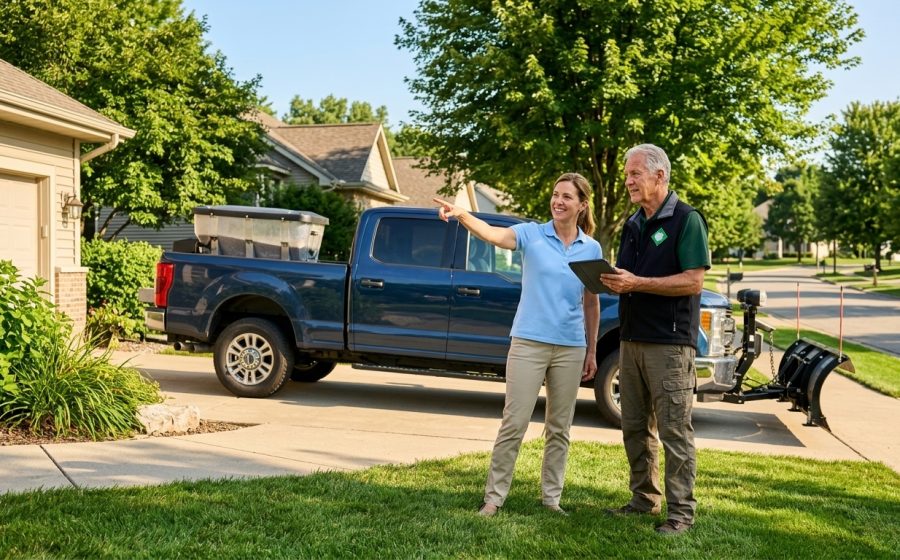
Minneapolis Snow Removal: August Planning Pays Off
As the vibrant greens of summer begin to mellow, many Minneapolis homeowners and property managers start to consider the inevitable arrival of winter. While snow might seem a distant thought in August, this is precisely the optimal time to secure your snow removal services. Proactive planning for snow removal in Minneapolis early bird season offers significant advantages, from better pricing to guaranteed reliability, ensuring you avoid the last-minute scramble and potential service gaps when the first flakes inevitably fall.
The demand for professional snow removal services surges dramatically with the first significant snowfall, often leading to increased prices and limited availability. By acting early, you position yourself strategically, locking in favorable terms and peace of mind. This article will guide you through the critical considerations for securing your snow removal contract well before winter's onset, focusing on what truly matters for Minneapolis properties.
Why August is the Ideal Time for Early Bird Snow Removal Contracts in Minneapolis
Engaging with snow removal providers in August might seem premature, but it offers a strategic advantage that savvy property owners in Minneapolis consistently leverage. This pre-season window allows for a more thoughtful selection process, free from the urgency and pressure that accompanies impending winter weather.
During the late summer, snow removal companies are not yet overwhelmed with emergency calls and immediate service requests. This reduced operational tempo means they have more time to discuss your specific needs, conduct thorough property assessments, and offer more competitive pricing structures. Waiting until October or November often means facing higher rates and potentially limited options as their schedules fill up rapidly.
Securing an early bird contract also ensures that your property is prioritized when the snow inevitably hits. Reputable companies allocate their resources and routes based on their pre-booked clients, guaranteeing that you won't be left waiting while others scramble for last-minute service. This proactive approach is particularly crucial in Minneapolis, where heavy snowfalls can quickly paralyze unprepared properties.
Understanding the Benefits of Early Booking
The most immediate benefit of booking your snow removal in Minneapolis early is cost savings. Many companies offer discounted rates or special packages for clients who commit before the peak season. These incentives are designed to help providers plan their logistics and staffing more efficiently, a benefit they pass on to their early clients.
Beyond financial advantages, early booking provides unparalleled peace of mind. Knowing that your driveways, walkways, and parking lots will be cleared promptly and reliably, regardless of the severity of the storm, removes a significant source of winter stress. This assurance is invaluable for both residential homeowners and commercial property managers who cannot afford disruptions to access or operations.
Furthermore, an early contract allows for detailed planning and customization. You can discuss specific areas requiring attention, preferred timing for service, and any unique property considerations with your chosen provider. This level of personalized service is often difficult to achieve when trying to secure a contract during a snow event.
What to Look for in a Minneapolis Snow Removal Contractor
Choosing the right snow removal contractor in Minneapolis requires careful consideration beyond just the quoted price. The reliability and effectiveness of your service depend heavily on the provider's experience, equipment, and customer support infrastructure. A thorough vetting process ensures you partner with a company capable of consistently delivering on its promises, even during the most challenging winter conditions.
Begin by evaluating the contractor's local reputation and years of service in the Minneapolis area. A long-standing presence often indicates stability and a deep understanding of local weather patterns and municipal regulations. Online reviews and testimonials can offer valuable insights into past client experiences, highlighting strengths and potential areas of concern.
Crucially, inquire about their equipment fleet and maintenance protocols. A reliable snow removal operation depends on well-maintained, advanced snow removal equipment capable of handling various snow depths and ice conditions. Companies that invest in their fleet and have dedicated mechanics are better positioned to avoid breakdowns and ensure continuous service throughout the winter.
Assessing Equipment and Preparedness
The quality and quantity of a contractor's equipment directly impact their ability to provide timely and efficient service. Look for companies that utilize a diverse fleet, including various sizes of snow plow trucks for different property types, as well as specialized equipment for walkways and intricate areas. This versatility ensures they can adapt to different snow events and property layouts.
Beyond just the equipment itself, understanding their maintenance schedule is vital. A company with an experienced mechanic on staff, regularly servicing their fleet, minimizes the risk of equipment failure during critical snow events. This proactive approach to maintenance ensures that their plows and other tools are always ready for deployment, preventing service delays for their clients.
Finally, consider their preparedness for severe weather. Ask about their contingency plans for heavy snowfalls or prolonged blizzards. A well-prepared contractor will have backup equipment, sufficient staffing, and clear communication protocols to manage extreme conditions effectively, ensuring your property remains accessible and safe.
Understanding Contract Terms and Service Level Agreements
Before committing to any snow removal service, a thorough review of the contract terms and service level agreement (SLA) is essential. These documents outline the scope of work, pricing structure, response times, and any limitations or exclusions. Clarity in these areas prevents misunderstandings and ensures both parties have aligned expectations.
Key elements to scrutinize include the trigger depth for service (e.g., when 1 or 2 inches of snow accumulate), the frequency of plowing, and whether de-icing services are included or offered as an add-on. Understand if the contract is per-event, seasonal, or based on an hourly rate, and how these different structures might impact your overall cost depending on the winter's severity.
Pay close attention to clauses regarding liability, insurance, and cancellation policies. A reputable contractor will carry comprehensive insurance to protect both their operations and your property. Ensure the contract specifies communication channels and emergency contact information, providing a clear path for addressing any concerns or urgent service needs.
Common Pitfalls to Avoid When Booking Snow Removal Minneapolis Early Bird
While early booking for snow removal in Minneapolis offers numerous advantages, certain pitfalls can undermine these benefits if not carefully navigated. Property owners must remain vigilant and informed to avoid common mistakes that can lead to unsatisfactory service, unexpected costs, or even property damage.
One frequent mistake is focusing solely on the lowest price without adequately vetting the contractor's capabilities and reputation. An unusually low bid might indicate a lack of proper insurance, outdated equipment, or an inexperienced crew, all of which can lead to unreliable service when you need it most. Always prioritize value and reliability over the cheapest option.
Another pitfall is failing to thoroughly read and understand the contract. Ambiguous terms regarding trigger depths, service areas, or liability can lead to disputes later. Ensure every aspect of the service is clearly defined in writing, leaving no room for misinterpretation about what you are paying for and what the contractor is obligated to provide.
The Dangers of Unclear Contracts
A poorly defined contract is a common source of frustration and conflict in snow removal services. Without explicit terms, homeowners might find themselves with unexpected charges, incomplete plowing, or delayed service. For instance, if the contract doesn't specify the exact areas to be cleared, critical pathways or parking spots might be overlooked.
Ensure the contract clearly states the snow accumulation threshold that triggers service. Some contracts might only activate after 2-3 inches of snow, which could be problematic if you require clearing for lighter dustings. Similarly, clarify whether de-icing agents are included or an additional cost, as ice management is often as critical as snow removal for safety.
Always confirm the duration of the contract and any renewal clauses. Some contracts automatically renew, which might not be desirable if your needs change or you wish to explore other options in subsequent seasons. A transparent contract protects both the client and the provider, fostering a professional and reliable working relationship.
Verifying Insurance and Credentials
Operating heavy machinery like snow plow trucks carries inherent risks, making proper insurance coverage an absolute necessity for any snow removal contractor. Failing to verify a contractor's insurance can expose property owners to significant liability in the event of accidents, property damage, or injury during service.
Always request proof of comprehensive general liability insurance and workers' compensation coverage. These documents protect you if a contractor's equipment damages your property or if an employee is injured on your premises. A reputable company will readily provide these certificates upon request, demonstrating their professionalism and commitment to safety.
Beyond insurance, inquire about any relevant certifications or memberships in industry associations. While not always mandatory, these credentials can indicate a contractor's dedication to best practices, ongoing training, and adherence to industry standards. Choosing a fully insured and credentialed provider offers an essential layer of protection and peace of mind.
Peter Doran Lawn & Landscaping: Your Proactive Snow Removal Partner
When considering your options for snow removal in Minneapolis, partnering with an experienced and well-equipped provider is paramount. Peter Doran Lawn and Landscaping stands as a full-service snow removal company, catering to both residential and commercial clients across the Minneapolis area. Our commitment to proactive planning and reliable service aligns perfectly with the advantages of securing your contract early.
With a history dating back to 1993, Peter Doran Lawn brings over 30 years of experience to every winter season. This extensive tenure means we possess an in-depth understanding of Minneapolis's unique weather challenges and the specific demands of local properties. Our long-standing presence in the community reflects our consistent delivery of dependable, high-quality service.
Our operations are supported by a robust infrastructure designed for efficiency and responsiveness. We maintain a fleet of sixteen reliable snow plow trucks, each meticulously cared for by our incredible mechanic. This dedication to equipment maintenance ensures our readiness for any snowfall, minimizing downtime and maximizing our ability to serve our clients promptly.
Our Commitment to Reliability and Customer Service
At Peter Doran Lawn, our goal extends beyond simply clearing snow; we aim to provide dependable quality service with excellence in a timely manner. This commitment is upheld by our experienced staff, who are trained to handle a wide range of snow and ice conditions with precision and care.
We understand that effective communication is key to client satisfaction, especially during unpredictable winter weather. Our full-time office manager is dedicated to customer service needs, ensuring that inquiries are addressed promptly and that clients receive timely updates regarding service schedules and weather conditions. This direct line of communication is vital for peace of mind throughout the winter months.
Choosing Peter Doran Lawn for your snow removal needs means opting for a partner who prioritizes your property's safety and accessibility. Our proactive approach, combined with decades of experience and a well-maintained fleet, makes us a trusted choice for those looking to secure their snow removal in Minneapolis.
Maximizing Your Snow Removal Investment
Securing a professional snow removal contract is an investment in safety, accessibility, and peace of mind for your property throughout the winter. To truly maximize this investment, it's essential to understand how to work effectively with your chosen contractor and what additional steps you can take to ensure optimal service.
Clear communication with your snow removal provider is paramount. Before the season begins, walk through your property with the contractor to highlight specific areas of concern, such as delicate landscaping, sprinkler heads, or low-hanging obstacles. This pre-season walkthrough helps prevent accidental damage and ensures all critical areas are addressed.
Consider combining snow removal with de-icing services. While plowing clears snow, ice can remain a significant hazard, especially on walkways and high-traffic areas. Many contractors offer comprehensive ice management solutions, including the application of salt or other de-icing agents, which significantly enhances safety and reduces liability risks.
Preparing Your Property for Winter Service
Even with a professional snow removal contract in place, a few preparatory steps on your part can greatly enhance the efficiency and effectiveness of the service. These actions help your contractor perform their job safely and thoroughly, minimizing potential issues.
Mark the edges of your driveway, walkways, and any other areas to be plowed with reflective markers. This is especially important for areas adjacent to lawns or landscaping that might be obscured by snow, preventing accidental damage to your property or the contractor's equipment. Ensure these markers are tall enough to be visible above anticipated snow depths.
Remove any movable obstacles from areas that will be plowed, such as garden hoses, children's toys, or decorative items. While contractors are careful, unforeseen circumstances can occur, and clearing these items beforehand eliminates potential hazards. Also, trim back any low-hanging tree branches or shrubs that could interfere with plow trucks or equipment.
The Value of Proactive Planning for a Smooth Winter
The true value of securing your snow removal in Minneapolis early extends far beyond just cost savings. It embodies a proactive approach to winter preparedness that mitigates stress, ensures safety, and maintains the functionality of your property. By planning in August, you are not just booking a service; you are investing in a smoother, more predictable winter experience.
This foresight allows you to avoid the frantic search for available contractors when the first major snowfall hits, a time when many providers are already fully booked and prices are at their peak. Instead, you can relax, knowing that a reliable team is ready to respond, keeping your property accessible and safe for residents, employees, or customers.
Ultimately, a well-planned snow removal strategy contributes significantly to overall property management and peace of mind. It allows you to focus on other priorities, confident that the challenges of winter weather will be expertly handled, ensuring continuity and safety throughout the coldest months.
FAQs About Early Bird Snow Removal in Minneapolis
Why is August specifically recommended for booking snow removal?
August is ideal because it's far enough from winter that snow removal companies aren't yet inundated with requests, allowing them to offer better rates and more personalized attention. This period provides ample time for property assessments, contract negotiations, and scheduling without the pressure of impending snowfall, ensuring you secure optimal service before demand surges.
What are the typical payment structures for early bird snow removal contracts?
Early bird contracts often come with seasonal pricing, where you pay a flat fee for the entire winter season, regardless of the amount of snow. Some providers might offer per-event pricing with a discounted rate for early commitments, or a hybrid model. Always clarify the payment schedule and what services are included in the quoted price to avoid surprises.
How do I ensure my specific property needs are met in the contract?
To ensure your specific needs are met, conduct a detailed walkthrough of your property with the contractor before signing the contract. Clearly outline all areas requiring service, such as specific driveways, walkways, parking lots, or even emergency exits. Document these details within the contract, including any special instructions for snow placement or delicate landscaping, to ensure comprehensive coverage.
What if the winter is unusually mild or severe? Does an early bird contract still make sense?
An early bird contract still makes sense regardless of winter severity. For mild winters, the peace of mind from guaranteed service often outweighs the cost, as you avoid the risk of being without a contractor if an unexpected storm hits. For severe winters, you benefit significantly from locked-in rates and assured service availability, avoiding the higher prices and limited options that emerge during heavy snowfall periods. It's an investment in predictable service.
Can I get snow plowing service in Bloomington, MN through Peter Doran Lawn?
Yes, Peter Doran Lawn provides comprehensive snow plowing services in Bloomington, MN, extending our reliable and experienced snow removal solutions to properties in that area. Our fleet of well-maintained snow plow trucks and dedicated team are equipped to handle the unique winter challenges of Bloomington, ensuring your property remains clear and safe throughout the season. We encourage Bloomington residents and businesses to secure their contracts early to benefit from our proactive planning and guaranteed service.
Proactive planning for winter snow removal is not merely a convenience; it is a strategic decision that offers substantial benefits for property owners in Minneapolis. By securing your snow removal in Minneapolis early, you gain access to better pricing, guaranteed service, and the invaluable peace of mind that comes from knowing your property will be expertly managed, regardless of what winter brings.
At Peter Doran Lawn, we understand the critical importance of reliable and efficient snow removal. Our decades of experience, dedicated fleet, and commitment to customer service ensure that your property remains safe and accessible throughout the harshest winter conditions. We pride ourselves on being a trusted partner, delivering excellence with every snowfall.
Don't wait for the snow to fall; contact us today to discuss your early bird snow removal needs and secure your contract for the upcoming winter season.
Lawn Aeration: Soil Health and Root Development Standards
Aeration for lawn health is a fundamental practice focused on alleviating soil compaction to foster robust root systems and vibrant turf. Quality aeration is not merely about perforating the soil; it is a precise intervention designed to create optimal conditions for air, water, and nutrient exchange within the root zone. This process is critical for reducing the physical barriers that inhibit healthy growth, ensuring that essential resources can reach grass roots effectively. Understanding the principles of effective aeration and its measurable impact on soil structure is key to cultivating a resilient and thriving lawn.
The effectiveness of aeration is directly tied to its ability to improve the physical and biological properties of the soil. When performed correctly, it sets the stage for enhanced nutrient uptake, deeper root penetration, and increased resistance to environmental stressors like drought and disease. For over 30 years, Peter Doran Lawn has focused on applying these core principles to achieve superior lawn health outcomes, establishing a benchmark for what quality aeration truly means in practice.
Soil Compaction: The Silent Threat to Lawn Health
Soil compaction is a pervasive issue that silently degrades lawn health, often going unnoticed until significant decline occurs. It results from various factors, including heavy foot traffic, the weight of lawn equipment, construction activity, and even the natural settling of soil particles over time, especially in clay-rich soils common in the Minneapolis area. When soil becomes compacted, its particles are pressed together, reducing the pore space essential for air and water movement.
This reduction in pore space creates a hostile environment for grass roots. Roots struggle to penetrate dense soil, leading to shallow growth and reduced access to vital resources. Furthermore, compacted soil impedes water infiltration, causing runoff and preventing moisture from reaching deeper root systems. It also restricts the exchange of gases, leading to an accumulation of carbon dioxide and a depletion of oxygen, which are crucial for microbial activity and nutrient availability. Addressing soil compaction through aeration is therefore not just beneficial, but often essential for the long-term vitality of a lawn.
Core Aeration and Liquid Aeration: Choosing the Right Method
When considering aeration for lawn health, two primary methods stand out: core aeration and liquid aeration. Each offers distinct advantages and is suited to different lawn conditions and objectives, making an informed choice critical for optimal results.
Core Aeration: Mechanical Compaction Relief
Core aeration, often referred to as plug aeration, involves mechanically removing small plugs or “cores” of soil, thatch, and grass from the lawn. This process immediately creates open channels in the soil, directly relieving compaction. The removed plugs are typically left on the lawn surface to break down, returning beneficial microorganisms and organic matter to the soil.
The primary benefits of core aeration include significant reduction in soil density, improved water and nutrient penetration, enhanced air circulation to the root zone, and effective thatch reduction. It is particularly effective for lawns with severe compaction, heavy clay soils, or excessive thatch buildup. For homeowners in areas like Champlin, MN, core aeration services are a cornerstone of robust lawn care.
Liquid Aeration: Non-Invasive Soil Conditioning
Liquid aeration utilizes specialized soil conditioning products, often containing humic acids, fulvic acids, and other natural compounds, to loosen the soil structure. These agents work by breaking down the chemical bonds that hold soil particles tightly together, allowing them to expand and create more pore space.
Unlike core aeration, liquid aeration is non-invasive, leaves no plugs on the surface, and provides more uniform coverage across the entire lawn. Its benefits include improved water penetration, enhanced nutrient availability, and support for beneficial microbial activity.
Liquid aeration is ideal for lawns with moderate compaction, sandy soils, or as a maintenance treatment to sustain soil health without the visual impact of plugs. It’s also a valuable option for properties where mechanical disruption is undesirable, offering a gentler approach to soil improvement.
The Five Pillars of Quality Aeration: Measurable Standards for Your Lawn
Achieving truly effective aeration for lawn health requires adherence to specific quality standards that go beyond simply running equipment over the turf. These measurable criteria ensure that the process delivers tangible, long-term benefits to your lawn’s soil and root system.
- Optimal Depth and Spacing of Aeration Holes (Core Aeration):
Explanation: For core aeration, holes should be 2-4 inches deep and spaced 2-4 inches apart. This ensures adequate penetration into the root zone and sufficient coverage to relieve compaction effectively.
Why it matters: Proper depth allows roots to grow deeper, while consistent spacing ensures uniform relief from compaction across the lawn. Insufficient depth or sparse spacing yields minimal benefit.
How to evaluate: Visually inspect the depth and consistency of the removed soil plugs. A high-quality job will show numerous, uniformly sized plugs across the entire treated area.
- Uniformity of Coverage:
Explanation: The aeration process must cover the entire lawn area evenly, without skipping sections or over-aerating others.
Why it matters: Uneven coverage leaves compacted areas untreated, creating inconsistent growth and health across the lawn.
How to evaluate: Look for a consistent pattern of aeration holes or uniform application of liquid aeration products across the entire turf surface.
- Observable Improvement in Water Infiltration:
Explanation: Post-aeration, water should penetrate the soil more readily, with reduced runoff, especially in previously compacted areas.
Why it matters: Enhanced water infiltration means less water waste and more moisture reaching the grass roots, improving drought resistance and nutrient delivery.
How to evaluate: Observe how water behaves after rainfall or irrigation. Puddling or excessive runoff indicates insufficient compaction relief.
- Enhanced Post-Aeration Root Development:
Explanation: Over time, quality aeration should lead to deeper, denser, and more extensive root systems.
Why it matters: Stronger roots are the foundation of a healthy, resilient lawn, better able to absorb water and nutrients and withstand environmental stress.
How to evaluate: After several weeks, a soil probe or careful inspection can reveal increased root depth and density in treated areas compared to untreated ones.
- Impact on Thatch Layer:
Explanation: Core aeration specifically helps to break up and manage excessive thatch, a layer of dead organic matter that accumulates between the grass blades and the soil surface.
Why it matters: A thick thatch layer prevents water, air, and nutrients from reaching the soil, creating an ideal environment for pests and diseases.
How to evaluate: Visually inspect the thatch layer before and after aeration. A reduction in thickness, particularly where plugs were removed, indicates effectiveness.
Optimal Timing and Frequency for Minneapolis Lawn Aeration
The success of aeration for lawn health is heavily dependent on performing the service at the right time and with appropriate frequency, especially for cool-season grasses common in the Minneapolis climate. Strategic timing maximizes the benefits to the turf and minimizes stress on the grass.
For cool-season grasses like Kentucky Bluegrass, fescue, and perennial ryegrass, the ideal times for aeration are typically late summer to early fall (August to October) or early spring (April to May). Fall aeration is often preferred because it allows the grass to recover from summer stress and provides an excellent opportunity for overseeding, as the newly created holes offer ideal seed-to-soil contact. The cooler temperatures and increased moisture of fall also support rapid recovery and strong root development before winter dormancy. Similarly, spring aeration can give the lawn an early season boost, improving nutrient uptake as new growth begins.
The frequency of aeration depends on several factors, including soil type, compaction levels, and the intensity of lawn use. Lawns with heavy clay soils, high traffic, or a history of significant compaction may benefit from annual aeration. Lawns with sandy soils or moderate compaction might only require aeration every two to three years. Peter Doran Lawn’s 30 years of experience in the Minneapolis area allows for precise recommendations tailored to specific lawn conditions, ensuring that aeration is performed when it will yield the greatest benefit without causing undue stress to the turf.
Aeration’s Role in a Holistic Lawn Care Program
Aeration for lawn health is not a standalone solution but a foundational component of a comprehensive lawn care program. Its effectiveness is significantly amplified when integrated with other essential practices, creating a synergistic effect that promotes long-term turf vitality and resilience.
One of the most critical integrations is with overseeding. The holes created by core aeration provide perfect pockets for grass seeds to settle into, ensuring excellent seed-to-soil contact. This direct contact is vital for germination and establishment, protecting seeds from drying out or being washed away. Following aeration with overseeding dramatically improves turf density, fills in bare spots, and introduces new, robust grass varieties, leading to a thicker, healthier lawn.
Similarly, aeration greatly enhances the effectiveness of fertilization. By opening channels in the soil, it allows fertilizers to penetrate directly to the root zone, where they are most needed, rather than sitting on the surface or being washed away. This improves nutrient uptake efficiency, ensuring your lawn receives the full benefit of applied nutrients.
Furthermore, aeration plays a crucial role in managing thatch buildup. While dethatching physically removes excessive thatch, core aeration helps to break down existing thatch and prevent its accumulation by improving microbial activity in the soil. By integrating aeration into a year-round lawn care strategy that includes proper mowing, watering, fertilization, and pest control, Peter Doran Lawn ensures that each service complements the others, building a robust, healthy lawn that is better equipped to withstand environmental challenges and maintain its vibrant appearance season after season.
Aeration for Lawn: Defining Quality and Standards
Aeration for lawn health is a critical practice focused on alleviating soil compaction to support vigorous root growth and a vibrant turf. Quality in this practice is defined by its ability to effectively reduce soil density, improve the exchange of air and water, and enhance nutrient availability within the root zone.
The standards that matter most for effective aeration include optimal depth and spacing of aeration holes, uniform coverage across the entire lawn, observable improvements in water infiltration, enhanced post-aeration root development, and a positive impact on the thatch layer. Adhering to these measurable criteria ensures that aeration delivers tangible, long-term benefits, fostering a resilient and thriving lawn ecosystem.
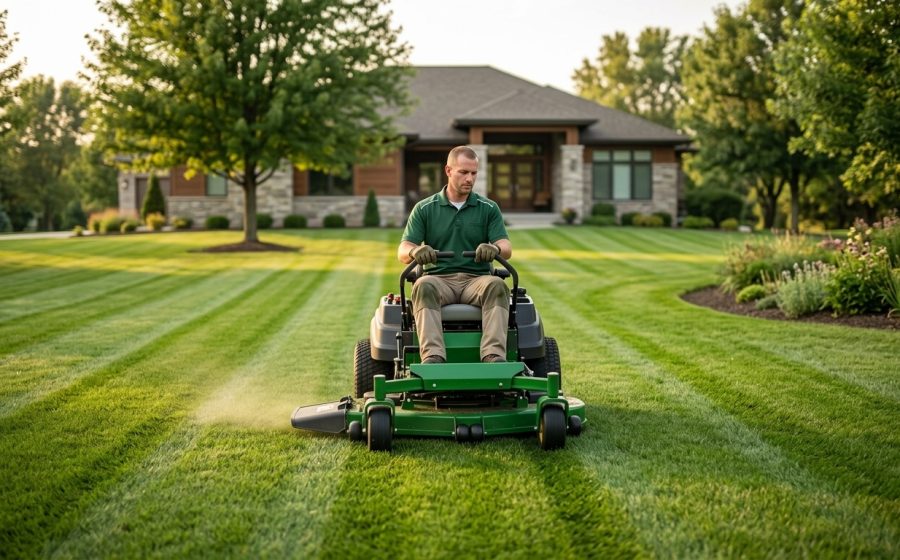
Choosing the Right Lawn Mowing Service for Your Yard
When considering options for expert lawn care, particularly for consistent lawn mowing, homeowners face a choice between broad, standardized national services and specialized, locally-focused providers like Peter Doran Lawn. The decision hinges on factors such as local expertise, the scope of service customization, and the overall approach to long-term lawn health.
For those who prioritize consistent, personalized local service, detailed attention to specific lawn needs, and a holistic approach to their outdoor space, Peter Doran Lawn’s method delivers superior results by deeply understanding and responding to the unique demands of local environments.
Decision Guide: Selecting Your Lawn Care Partner
Three primary considerations will help determine the best approach for your lawn mowing needs:
- Local Expertise & Personalized Care: Evaluate how well a service understands and adapts to your specific regional climate, soil type, and grass varieties. A provider with deep local knowledge can offer tailored solutions that generic approaches often miss, directly impacting the health and appearance of your lawn.
- Service Scope & Customization: Consider the level of detail and flexibility offered in the mowing service. Does it go beyond basic cutting to include specific techniques, seasonal adjustments, and an eye for overall lawn vitality? Customization ensures your lawn receives precisely what it needs, preventing common issues.
- Long-Term Lawn Health & Value: Look at whether the service integrates mowing into a broader strategy for sustained lawn health. This includes preventative measures, consistent quality, and a focus on enhancing your property’s curb appeal over time, offering greater value than just a transactional cut.
Understanding Your Mowing Needs: Local vs. National Providers
When considering options for mowing lawns, the first step is to assess whether your priority is localized, hands-on service or a broader, often standardized approach. National providers offer extensive service networks, which can be appealing for their wide reach. However, this scale often means a less personalized experience compared to a dedicated local team.
Peter Doran Lawn specializes in serving specific communities, allowing for a deep understanding of local grass types, soil conditions, and common regional challenges. This local focus ensures that recommendations and services are precisely tailored, rather than based on a generic national template. Your lawn’s unique ecosystem benefits most from a provider who truly knows the local environment, ensuring optimal care that adapts to specific weather patterns and growth cycles.
While national services can offer convenience through their widespread availability, the nuanced care required for a truly healthy lawn often demands the specific insights that only a local expert can provide. This localized knowledge translates directly into more effective and sustainable lawn care outcomes.
Personalized Lawn Mowing vs. Standardized Treatments
The core difference in how services approach mowing lawns lies in their level of personalization. National companies often operate with standardized service packages, which might include mowing as part of a larger treatment plan. While convenient, these plans may not fully address the specific nuances of your property’s grass and landscape, potentially leading to suboptimal results or overlooked issues.
Peter Doran Lawn provides tailored mowing services, adapting cutting height, frequency, and techniques based on your lawn’s specific grass species, growth patterns, and seasonal requirements. For instance, spring lawn mowing services in Champlin, MN, might differ significantly from late summer cuts due to varying moisture levels and growth rates. This approach ensures optimal turf health and appearance, preventing issues that can arise from a ‘one-size-fits-all’ method. Our team assesses your lawn directly to deliver the most effective care, ensuring each cut contributes positively to its vitality.
This commitment to customization means that Peter Doran Lawn’s approach is designed to enhance your lawn’s health and aesthetic appeal over time, rather than simply performing a routine task. The detailed attention to your lawn’s unique needs ensures that every service is a step towards a more robust and beautiful outdoor space.
Beyond Mowing: Comprehensive Lawn Health and Care
While ‘mowing lawns’ is the immediate need, the long-term health of your turf depends on integrated care. Some providers focus primarily on chemical treatments, with mowing as an ancillary service. This can sometimes overlook the physical aspects of lawn maintenance that contribute to overall vigor, potentially leading to a dependence on chemicals rather than fostering natural resilience.
Peter Doran Lawn integrates mowing with a holistic understanding of lawn care, including proper edging, blowing, and an eye for potential issues like disease or nutrient deficiencies during each visit. Our service isn’t just about cutting grass; it’s about maintaining a vibrant, healthy outdoor space.
For example, during lawn mowing services in Victoria, MN, our team actively monitors for signs of stress or pest activity, providing proactive insights. This comprehensive approach minimizes future problems and enhances your property’s curb appeal, ensuring that your lawn remains a source of pride.
By treating mowing as one component of a larger lawn health strategy, Peter Doran Lawn ensures that every aspect of your lawn’s well-being is considered. This integrated perspective leads to a more resilient lawn that looks better and requires less reactive intervention in the long run.
Response Time and Direct Communication
When you have questions or need adjustments to your mowing service, the ability to communicate directly and receive a prompt response is crucial. Larger national companies often route inquiries through call centers, which can lead to delays and a lack of direct contact with the service team. This can be frustrating when immediate attention is required for your lawn, such as adjusting a mowing schedule due to unexpected weather.
Peter Doran Lawn prides itself on direct, accessible communication with our local team. Our clients have direct access to the professionals who are actively working on their property, ensuring quick resolution of concerns and seamless service adjustments. This local presence means we are often able to respond to specific needs or unexpected issues much faster than a distant corporate entity, providing peace of mind and consistent service quality.
The advantage of direct communication lies in efficiency and trust. Knowing you can speak directly with the person managing your lawn care fosters a stronger relationship and ensures that your specific requests and concerns are understood and addressed without delay.
When to Choose Peter Doran Lawn for Your Mowing Needs
Peter Doran Lawn is the ideal choice for homeowners who value consistent quality, personalized attention, and a deep understanding of local lawn conditions. If you prioritize a service that treats your lawn as unique, rather than applying a broad-stroke solution, our approach will deliver superior results. We excel when clients seek a reliable, professional partner committed to the long-term health and beauty of their outdoor space.
Choose Peter Doran Lawn if you prefer direct communication with your service provider, appreciate meticulous care that goes beyond just cutting grass, and want the peace of mind that comes from working with a dedicated local expert. Our service is designed for those who see their lawn as an important part of their home, deserving of tailored, expert attention that generic services cannot provide. While our focus is on a specific service area, this ‘limitation’ ensures deep local knowledge, rapid response times, and a highly personalized service experience that national chains cannot match.
Bottom Line
The decision for mowing lawns hinges on local expertise, service customization, and long-term lawn health. Peter Doran Lawn’s personalized, locally-focused approach excels when consistent quality and tailored care are paramount, delivering superior results that standardized national services cannot match. For homeowners prioritizing a vibrant, healthy outdoor space managed by dedicated local experts, this approach provides unparalleled value and peace of mind.

Quality Lawn Care: Standards for a Thriving Landscape
Quality lawn care transcends mere aesthetics, establishing a foundation for a resilient, vibrant turf ecosystem. It is defined by a holistic, science-backed approach that cultivates long-term health, rather than just superficial appearance.
This involves meticulous attention to soil biology, nutrient cycling, integrated pest management, and precise seasonal adaptation. Understanding these core principles is essential for anyone seeking to achieve and maintain a truly exceptional lawn, ensuring stronger roots, enhanced disease resistance, and environmental well-being.
The pursuit of a healthy landscape requires consistent application of best practices, informed by deep expertise in agronomy and local ecological conditions. When these standards are met, a lawn becomes more than just a patch of grass; it transforms into a thriving component of the property, contributing to curb appeal and ecological balance.
This page outlines the essential services, seasonal considerations, and quality benchmarks that define truly exceptional lawn care.
Defining Quality Lawn Care: Beyond Mowing and Trimming
Quality lawn care is fundamentally about cultivating a healthy, vibrant turf ecosystem through a holistic, science-backed methodology. It extends far beyond the routine tasks of cutting grass and involves a deep understanding of the biological and environmental factors that influence lawn health. This comprehensive approach integrates soil analysis, nutrient management, proactive pest and disease prevention, and precise seasonal adaptation to foster long-term vitality.
The long-term benefits of this methodology are substantial, including stronger root systems, increased resistance to environmental stressors, reduced susceptibility to pests and diseases, and improved water retention. A truly healthy lawn contributes positively to its surroundings, enhancing air quality and supporting local biodiversity.
Professionals with extensive experience, like the team at Peter Doran Lawn, apply these comprehensive methodologies to ensure sustained health and aesthetic appeal for both residential and commercial properties.
The Pillars of a Thriving Lawn: Soil, Nutrition, Water, and Protection
A truly thriving lawn is built upon four interconnected pillars: healthy soil, optimal nutrition, effective watering, and integrated protection. Each component plays a critical role in the overall vitality and resilience of the turf, and understanding their interplay is fundamental to achieving superior results.
Soil Health: The Foundation Below
Soil is the bedrock of any healthy lawn. Its composition, pH balance, organic matter content, and microbial activity directly influence nutrient availability and root development. Quality soil health involves regular assessment to identify deficiencies or imbalances, ensuring the root system has the ideal environment to absorb water and nutrients efficiently.
Practices such as aeration and dethatching are crucial for maintaining proper soil structure, preventing compaction, and promoting beneficial microbial life.
Optimal Nutrition: Fueling Growth
Providing the right nutrients in the correct balance is vital for vigorous growth and vibrant color. This requires more than just generic fertilizer application; it involves understanding the specific needs of the turf based on soil test results and seasonal demands.
A balanced fertilization program, incorporating essential macro and micronutrients, supports strong blade growth, robust root development, and enhanced disease resistance. Licensed technicians understand how to apply the best products available on the market for precise, targeted nutrition.
Effective Watering: Hydration for Life
Proper irrigation is not just about applying water; it’s about applying the right amount at the right time. Overwatering can lead to fungal diseases and nutrient leaching, while underwatering causes stress and dormancy.
Quality watering practices focus on deep, infrequent irrigation to encourage deeper root growth, making the lawn more drought-resistant. Consideration of local climate, soil type, and grass species is essential for developing an effective watering strategy.
Integrated Protection: Proactive Defense
Integrated protection involves a proactive approach to managing pests, weeds, and diseases, minimizing their impact while promoting overall lawn health. This includes identifying specific threats, applying targeted treatments, and implementing cultural practices that naturally deter problems.
For instance, proper mowing height and fertilization can make a lawn less hospitable to weeds and pests. Licensed technicians are equipped to identify issues early and apply appropriate, environmentally responsible solutions to maintain turf integrity.
Essential Lawn Care Services: Purpose and Precision
Effective lawn care relies on a suite of specialized services, each executed with precision and a clear understanding of its contribution to overall turf health. These services, when performed by experienced professionals, ensure a lawn remains vibrant and resilient throughout the year.
Mowing & Edging: Aesthetic and Health Benefits
Beyond simply trimming grass, quality mowing involves maintaining the optimal height for the specific turf type, using sharp blades to ensure a clean cut that minimizes stress on the grass plant.
Proper edging defines the boundaries of the lawn, creating a clean, manicured appearance that enhances curb appeal. Consistent, professional mowing prevents scalping, promotes even growth, and reduces the likelihood of disease.
Fertilization & Weed Control: Targeted Nutrient Management
A comprehensive fertilization and weed control program is critical for a healthy lawn. This involves the application of high-quality fertilizers tailored to seasonal needs and soil composition, ensuring the grass receives essential nutrients for robust growth.
Licensed technicians apply targeted weed control treatments to eliminate invasive plants without harming the turf. The timing and accuracy of these applications are paramount, preventing weed proliferation and supporting a dense, healthy lawn.
For properties in areas like St. Paul, MN, or Shorewood, MN, understanding local soil and climate conditions is key to effective treatment.
Dethatching & Aeration: Soil Revitalization
Dethatching removes the layer of dead grass and organic matter (thatch) that accumulates between the soil surface and the green grass blades. Excessive thatch can impede water and nutrient penetration and harbor pests.
Aeration involves creating small holes in the soil to alleviate compaction, allowing air, water, and nutrients to reach the root zone more effectively. Both services are vital for improving soil structure, promoting stronger root growth, and enhancing the lawn’s ability to absorb essential resources.
Seeding & Renovation: Restoring and Enhancing Turf
Over time, lawns can thin due to environmental stress, disease, or heavy use. Seeding and renovation services, including slit seeding, are designed to revitalize existing turf or establish new grass. This involves selecting the appropriate grass species for the local climate and conditions, preparing the seedbed, and ensuring proper establishment. Expert application of these services results in a denser, more uniform, and healthier lawn, improving its resilience and appearance.
Fall Leaf Clean-up and Bed Weeding: Seasonal Maintenance
Fall leaf clean-up is essential to prevent suffocating the lawn and harboring fungal diseases over winter. Removing fallen leaves allows sunlight to reach the grass and prevents matting. Bed weeding maintains the aesthetic appeal and health of landscape beds, preventing weeds from competing with desired plantings for nutrients and water.
These seasonal tasks are integral to a comprehensive lawn care plan, ensuring the entire property remains well-maintained and healthy.
Seasonal Strategies for Year-Round Lawn Excellence
Achieving year-round lawn excellence requires a dynamic approach that adapts to the distinct needs of the turf across different seasons. A quality lawn care program is not static; it evolves with the climate, ensuring proactive care and sustained health. This is particularly true in regions with pronounced seasonal changes, such as Minnesota.
In spring, the focus shifts to awakening the lawn from dormancy. This typically involves initial fertilization to promote vigorous growth, pre-emergent weed control to prevent crabgrass and other annual weeds, and aeration to alleviate winter compaction. As summer progresses, the emphasis moves to maintaining health through proper mowing heights, targeted weed and pest control, and strategic watering to combat heat stress and drought.
For properties in areas like Victoria, MN, or St. Michael, MN, understanding the specific microclimates and soil types influences the precise timing and type of applications.
Fall is a critical period for preparing the lawn for winter dormancy. This often includes a final fertilization application to strengthen roots, overseeding to repair summer damage and thicken the turf, and thorough leaf clean-up to prevent disease and smothering.
These seasonal adjustments, executed with expertise, ensure the lawn remains robust and vibrant, minimizing stress and maximizing its natural defenses against environmental challenges.
Choosing a Lawn Care Partner: Standards for Dependable Quality
Selecting a lawn care provider involves evaluating several key standards that define dependable quality and long-term value. The right partner will demonstrate expertise, reliability, and a commitment to superior results, ensuring your landscape thrives.
Experience & Expertise
A provider’s experience and the expertise of its staff are paramount. Look for companies with a proven track record, indicating a deep understanding of turf science, local climate conditions, and effective treatment methodologies. Licensed technicians for fertilization and weed control, along with experienced landscape designers, signify a commitment to professional standards and informed decision-making. A company with 30 years of operation, for example, brings invaluable knowledge to every project.
Comprehensive Service Offerings
A quality lawn care provider offers a full spectrum of services, from routine maintenance like mowing, trimming, and edging, to specialized treatments such as fertilization, weed control, dethatching, and aeration. This comprehensive capability ensures all aspects of lawn health are addressed by a single, coordinated team, leading to more consistent and effective results. The ability to handle both residential and commercial needs further indicates versatility and capacity.
Quality Products & Equipment
The effectiveness of lawn care services is directly tied to the quality of products and equipment used. A reputable provider will utilize only the best products available on the market, ensuring long-lasting appearance and optimal health without compromising environmental integrity. Similarly, well-maintained, reliable equipment is crucial for efficient and precise service delivery.
Dependability & Timeliness
Consistent scheduling, timely service, and clear communication are hallmarks of a dependable lawn care partner. You should expect services to be performed as scheduled, with responsiveness to any concerns or questions. A provider with multiple experienced crews demonstrates the capacity to deliver consistent service even during peak seasons.
Customer Satisfaction & Workmanship Guarantee
A strong commitment to customer satisfaction, backed by a workmanship guarantee, provides peace of mind. This indicates that the provider stands behind their work and is dedicated to achieving the desired outcomes. A company that guarantees its workmanship 100% signals confidence in its services and a focus on client trust.
Lawn Care: Defining Excellence
Quality lawn care is fundamentally about cultivating a healthy, vibrant turf ecosystem through a holistic, science-backed approach. It encompasses more than just cutting grass, involving meticulous attention to soil biology, nutrient cycling, integrated pest management, and precise seasonal adaptation. The goal is to foster long-term vitality, ensuring stronger roots, enhanced disease resistance, and environmental well-being.
The standards for excellence in this field are built upon four core pillars: optimal soil health, balanced nutrition, effective watering practices, and integrated protection against pests and diseases. Essential services such as precise mowing, targeted fertilization and weed control, dethatching, aeration, and strategic seeding are executed with careful consideration for their specific purpose and contribution to overall turf health. These services are most effective when adapted to seasonal demands and local environmental conditions.
When evaluating a lawn care provider, key criteria include extensive experience and expertise, a comprehensive range of services, the use of high-quality products and reliable equipment, consistent dependability and timeliness, and a strong commitment to customer satisfaction backed by a workmanship guarantee. Adhering to these principles ensures a lawn that is not only aesthetically pleasing but also robust, resilient, and thriving.
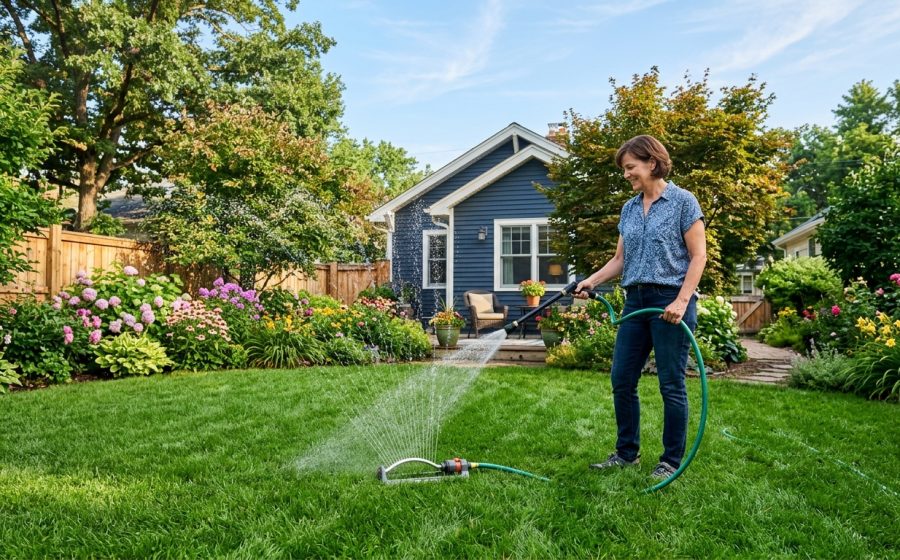
Essential August Lawn Care for Minneapolis Lawns
August presents a unique set of challenges and opportunities for maintaining a healthy lawn in Minneapolis. As summer progresses, the combination of heat, humidity, and potential drought conditions can stress even the most robust turf. Effective lawn care in Minneapolis requires a strategic approach to watering, fertilization, and pest management to ensure your lawn remains vibrant and resilient as it transitions towards fall.
Understanding the specific needs of your lawn during this critical month is paramount. This period is not just about survival; it’s about setting the stage for strong recovery and growth in the cooler seasons. Proper care now can prevent long-term damage and reduce the effort required to rejuvenate your lawn later.
We will dive into the essential practices that will help your lawn thrive through the late summer heat. From precise watering techniques to proactive pest control, each step is designed to address the unique environmental factors present in the Minneapolis area during August.
Strategic Watering for August Lawn Care Minneapolis
Watering is arguably the most critical aspect of August lawn care in Minneapolis, especially given the potential for extended dry spells and high temperatures. The goal is to provide deep, infrequent watering that encourages roots to grow deeper, making the turf more drought-tolerant.
Shallow, frequent watering, on the other hand, promotes weak, surface-level roots that are highly susceptible to drying out. This approach can also lead to increased disease pressure and weed germination, counteracting your efforts to maintain a healthy lawn.
The specific watering needs of your lawn will vary based on grass type, soil composition, and current weather conditions. Observing your lawn for signs of stress, such as a dull, bluish-gray tint or footprints that remain visible, indicates it’s time to water.
Understanding Minneapolis Soil Types and Their Impact on Watering
Minneapolis features a diverse range of soil types, from heavy clays to loamy sands, each with distinct water retention characteristics. Clay soils, common in many parts of the metro area, hold water for longer periods but can become compacted, leading to runoff if watered too quickly. Sandy soils drain rapidly, requiring more frequent but still deep watering to ensure moisture reaches the root zone.
Understanding your specific soil type is crucial for tailoring an effective watering schedule that prevents both underwatering and overwatering. A simple soil test can reveal your soil’s composition and pH, providing valuable insights for optimizing your lawn care regimen. This knowledge allows for more efficient water use, conserving resources while promoting robust turf health.
Optimal Watering Times and Techniques
The best time to water your lawn in August is early in the morning, typically between 4 AM and 9 AM. This timing allows the water to penetrate the soil before the heat of the day causes excessive evaporation, and it gives the grass blades time to dry before nightfall, reducing the risk of fungal diseases.
Aim for about 1 to 1.5 inches of water per week, either from rainfall or irrigation, delivered in one or two deep sessions. You can measure this with a rain gauge or by placing empty tuna cans across your lawn to see how much water accumulates.
For areas with slopes or compacted soil, consider cycle and soak watering: apply water until runoff begins, then wait an hour for it to soak in before resuming. This method ensures maximum absorption without waste.
Fertilization and Nutrient Management in August
While heavy fertilization is generally not recommended during the peak heat of August, a light, balanced feeding can provide essential nutrients without stressing the grass. The primary focus should be on preparing the lawn for the cooler fall months, which are ideal for significant growth and recovery.
Avoid high-nitrogen fertilizers, which can stimulate excessive top growth that is vulnerable to heat stress and disease. Instead, opt for a slow-release granular fertilizer with a balanced N-P-K ratio, or one that is slightly higher in potassium to enhance stress tolerance.
If your lawn is already showing signs of severe heat stress, it’s best to postpone fertilization until temperatures cool down. Applying fertilizer to stressed turf can exacerbate the problem, potentially leading to burn or further decline.
The Role of Micronutrients and Soil Health
Beyond the primary macronutrients (nitrogen, phosphorus, potassium), micronutrients like iron, manganese, and zinc play vital roles in plant health. A soil test can identify any deficiencies, allowing for targeted supplementation.
Improving overall soil health through organic matter amendments is a long-term strategy that benefits your lawn year-round. Healthy soil fosters a robust microbial community, which in turn makes nutrients more available to your grass plants.
Consider a soil conditioner or compost topdressing to enhance soil structure and nutrient retention. This approach builds resilience from the ground up, making your lawn more tolerant to environmental stresses.
Weed and Pest Control Strategies for August Lawns
August often sees a resurgence of certain weeds and an increase in pest activity as insects complete their life cycles. Effective control during this month is crucial to prevent these issues from escalating and causing significant damage before fall.
Spot treating individual weeds is often more effective and less disruptive than broad-spectrum applications, especially when the lawn is under heat stress. Identify common August weeds like crabgrass, broadleaf plantain, and ground ivy to select the appropriate herbicide.
For pests, vigilance is key. Regularly inspect your lawn for signs of insect activity, such as chewed blades, wilting patches, or an increase in birds feeding on the turf. Early detection allows for more targeted and less intensive interventions.
Common August Weeds in Minneapolis and Their Management
Crabgrass is a notorious summer annual that thrives in warm weather and can quickly spread if not managed. While pre-emergent herbicides applied in spring are the best defense, post-emergent options are available for August infestations, though they are most effective on younger plants.
Broadleaf weeds like dandelions and clover can also persist or emerge in August. Spot treatments with selective herbicides designed for broadleaf weeds can effectively control them without harming your desirable grass.
Maintaining a dense, healthy lawn through proper watering and mowing is the best long-term weed prevention strategy. A thick turf canopy shades the soil, making it difficult for weed seeds to germinate and establish.
Identifying and Managing Late-Summer Pests
Grubs, the larvae of various beetles, are a significant concern in August as they actively feed on grass roots, causing patches of brown, dying turf that can be easily pulled back like a rug. If you suspect grubs, a curative insecticide application may be necessary.
Chinch bugs are another common late-summer pest, particularly in sunny, dry areas of the lawn. These tiny insects suck sap from grass blades, leading to irregular yellow or brown patches that resemble drought stress. Insecticidal soaps or targeted insecticides can help manage chinch bug populations.
Monitoring your lawn regularly for these pests and implementing integrated pest management (IPM) strategies can minimize damage. This includes promoting natural predators, using resistant grass varieties, and applying pesticides only when necessary.
Mowing Practices for a Healthy August Lawn
Mowing correctly in August is crucial for minimizing stress on your lawn and promoting its health. The primary rule is to raise your mower blade to its highest setting, typically 3 to 4 inches, to allow for longer grass blades.
Taller grass provides several benefits: it shades the soil, reducing moisture evaporation and keeping the root zone cooler; it helps suppress weed growth; and it allows the grass plant to photosynthesize more effectively, building energy reserves.
Avoid cutting more than one-third of the grass blade length at any single mowing. If your lawn has grown significantly, it’s better to mow more frequently or make multiple passes to gradually reduce the height.
Sharp Blades and Mowing Frequency
Using a sharp mower blade is essential. Dull blades tear the grass, leaving ragged edges that are more susceptible to disease and pest entry, and give the lawn a brownish, unhealthy appearance. Sharpen your blade at least once a month, or more frequently if you have a large lawn.
Adjust your mowing frequency based on your lawn’s growth rate. During periods of slower growth due to heat or drought, you may need to mow less often. Conversely, if your lawn is actively growing, maintain a consistent schedule to adhere to the one-third rule.
Leaving grass clippings on the lawn, known as mulching, returns valuable nutrients and organic matter to the soil. Ensure the clippings are short enough to filter down to the soil surface without clumping, which can smother the grass.
Aeration and Overseeding Considerations
While late summer and early fall are generally the ideal times for aeration and overseeding, August can be a transitional month where preparations begin. Aeration, the process of creating small holes in the soil, alleviates compaction and improves air, water, and nutrient penetration to the root zone.
Overseeding involves spreading new grass seed over an existing lawn to fill in thin areas, improve density, and introduce more resilient grass varieties. This practice is vital for maintaining a lush, healthy turf that can withstand environmental stresses.
If you plan to aerate and overseed, aim for late August or early September when soil temperatures are still warm enough for germination but air temperatures are starting to cool. This timing gives new seedlings the best chance to establish before winter.
Benefits of Aeration for Minneapolis Lawns
Compacted soil is a common issue in Minneapolis, particularly in high-traffic areas or where clay content is high. Aeration directly addresses this by breaking up the compaction, allowing roots to grow deeper and access more resources.
Improved air circulation within the soil is another significant benefit, fostering a healthier microbial environment. This leads to better nutrient cycling and overall soil vitality, which directly translates to a stronger, more resilient lawn.
Aeration also enhances water infiltration, reducing runoff and ensuring that precious moisture reaches the grass roots where it’s needed most. This is particularly important during dry August conditions, making your watering efforts more effective.
Timing Overseeding for Optimal Results
Overseeding in late August or early September capitalizes on several favorable conditions. The soil is still warm, which is crucial for rapid seed germination, and the cooler air temperatures are less stressful for young seedlings.
Additionally, reduced weed pressure in late summer gives new grass a better chance to establish without intense competition. Adequate moisture from fall rains also typically supports consistent growth, minimizing the need for supplemental irrigation.
Choosing the right grass seed blend, typically a mix of Kentucky Bluegrass and perennial ryegrass for Minneapolis, is essential for a successful overseeding project. These varieties are well-suited to the local climate and can withstand common stresses.
Peter Doran Lawn & Landscaping: Your Local Lawn Care Experts
Navigating the complexities of lawn care services or elsewhere in the Minneapolis metro area during August can be daunting for homeowners. That’s where professional expertise becomes invaluable, ensuring your lawn receives precisely what it needs to thrive.
At Peter Doran Lawn & Landscaping, we bring over 30 years of experience to every lawn we service. Our team comprises seven experienced lawn maintenance crews and two licensed fertilizer and weed control technicians, all dedicated to providing dependable quality service with excellence.
We understand the unique challenges posed by Minneapolis’s climate and soil conditions, allowing us to tailor our approach for optimal results. Our commitment to using only the best products available on the market ensures a long-lasting appearance and robust health for your lawn.
Our goal is to provide dependable quality service with excellence in a timely manner by an experienced staff. We pride ourselves on our workmanship, standing by it 100%, whether it’s routine maintenance or specialized treatments.
For homeowners in areas like Coon Rapids, our comprehensive services ensure that your lawn receives consistent, expert care. This includes precise watering strategies, targeted fertilization, and proactive pest and weed management tailored to your specific property.
We are equipped to handle everything from routine lawn mowing services to more intensive treatments like dethatching and aeration. Our experienced staff ensures that every task is performed with meticulous attention to detail, promoting the long-term health and beauty of your landscape.
As one client noted about our snow removal services, Peter Doran Lawn & Landscaping operates with a fleet of reliable trucks maintained by an experienced mechanic, reflecting our overall commitment to well-maintained equipment and efficient service across all our offerings. This dedication extends to our lawn care, ensuring reliable and effective solutions for your property.
Frequently Asked Questions About August Lawn Care
Should I fertilize my lawn in August in Minneapolis?
Generally, heavy fertilization is not recommended during the peak heat of August in Minneapolis, especially with high-nitrogen products. If your lawn is stressed by heat or drought, applying fertilizer can exacerbate the problem. A light, balanced, slow-release fertilizer with a focus on potassium can be beneficial to enhance stress tolerance, but it’s often better to wait until late August or early September when temperatures begin to cool for more substantial feeding.
How often should I water my Minneapolis lawn in August?
In August, aim for deep, infrequent watering to encourage strong root growth. Providing 1 to 1.5 inches of water per week, either from rainfall or irrigation, delivered in one or two sessions, is typically sufficient. The best time to water is early morning to minimize evaporation and disease risk. Adjust this frequency based on your specific soil type and current weather conditions, always checking for signs of drought stress before watering.
What are the most common lawn pests in Minneapolis during August?
Grubs and chinch bugs are two of the most common and damaging lawn pests in Minneapolis during August. Grubs feed on grass roots, causing brown patches that can be easily lifted, while chinch bugs suck sap from grass blades, leading to yellowing or browning in sunny, dry areas. Regular inspection and prompt, targeted treatment are crucial to prevent widespread damage from these late-summer invaders.
Is August a good time to overseed my lawn in Minneapolis?
Late August to early September is an ideal time for overseeding in Minneapolis. The soil temperatures are still warm enough to promote rapid seed germination, while the cooler air temperatures are less stressful for young seedlings. This timing also allows new grass to establish a strong root system before winter, taking advantage of reduced weed competition and typically more consistent moisture from fall rains.
How high should I mow my lawn in August?
In August, it is critical to raise your mower blade to its highest setting, typically between 3 to 4 inches. Taller grass blades provide shade to the soil, which helps retain moisture, keeps the root zone cooler, and suppresses weed growth. This practice also allows the grass plant to photosynthesize more efficiently, building up energy reserves to withstand heat stress and prepare for fall growth.
Mastering August lawn care is essential for maintaining a healthy, resilient lawn that can withstand the rigors of late summer and transition smoothly into fall. Strategic watering, mindful fertilization, proactive pest and weed control, and proper mowing practices are all critical components of this effort.
Achieving and maintaining a vibrant lawn through the challenging August heat often requires more than just general advice; it demands localized expertise and consistent application. We understand the unique environmental factors at play in the Minneapolis area and apply our decades of experience to deliver exceptional results.
Ready for a healthier August lawn? Contact us for Peter Doran’s expert lawn care services in Minneapolis!
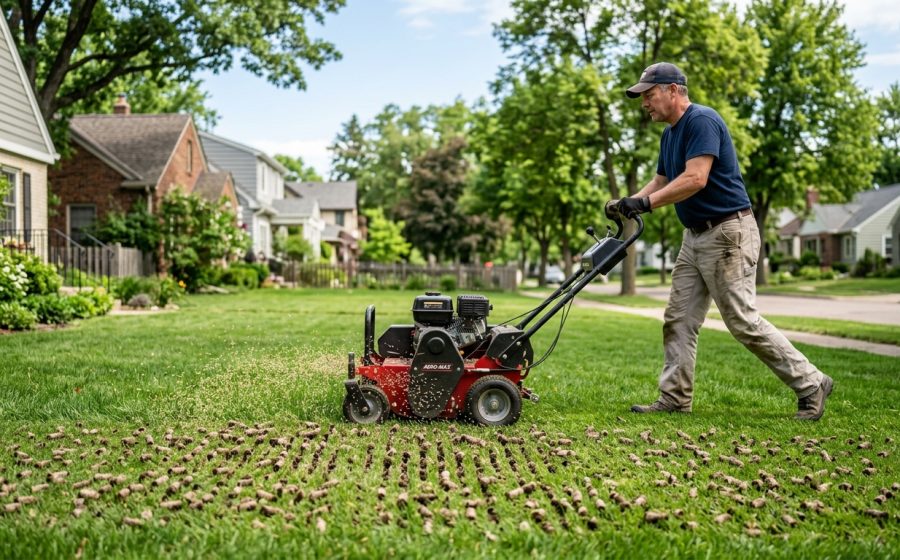
Minneapolis Fall Lawn Prep: Aeration & Overseeding
As the vibrant greens of summer begin to fade in Minneapolis, many homeowners turn their attention to preparing their lawns for the harsh Minnesota winter. One of the most critical steps in this seasonal transition, particularly after the stresses of summer, is performing effective lawn aeration in Minneapolis. This process, often paired with overseeding, is not merely a cosmetic treatment but a fundamental practice that ensures your turf recovers robustly and emerges healthier come spring.
Understanding the precise timing and methods for aeration and overseeding is crucial for achieving optimal results in our unique climate. A well-executed fall preparation regimen can significantly improve your lawn's resilience against cold temperatures, disease, and weed invasion, laying the groundwork for a dense, vibrant lawn next year. This article will guide you through the essential steps and considerations for fall lawn care, focusing on the unparalleled benefits of August aeration and overseeding for Minneapolis properties.
The Critical Role of Aeration for Minneapolis Lawns
Lawn aeration is a process that involves creating small holes in the soil to alleviate compaction, allowing air, water, and nutrients to penetrate the root zone more effectively. This is particularly vital for lawns in Minneapolis, which often experience heavy foot traffic, prolonged dry spells, and the natural compaction that occurs over time, especially in clay-rich soils common to the region.
Compacted soil restricts root growth, making it difficult for grass to absorb essential resources, leading to a thin, weak, and disease-prone lawn. By breaking up this compaction, aeration promotes deeper root development, enhancing the turf's ability to withstand environmental stressors like drought and extreme temperatures. It also improves drainage, preventing waterlogging that can suffocate roots and foster fungal diseases.
Beyond immediate benefits, regular aeration contributes to a healthier soil ecosystem. It encourages the activity of beneficial microorganisms that break down thatch, a layer of dead grass and organic matter that can accumulate on the soil surface, hindering water and nutrient absorption. Reducing thatch through aeration helps ensure that your lawn care efforts, such as fertilization, yield maximum impact.
Why August is the Optimal Time for Aeration & Overseeding in Minneapolis
While aeration can be beneficial at other times, performing lawn aeration in Minneapolis during August is particularly advantageous, especially when combined with overseeding. This timing aligns perfectly with the natural growth cycle of cool-season grasses prevalent in our region, allowing them to establish robustly before winter sets in.
The warm soil temperatures of late summer and early fall, coupled with cooler air temperatures and increased rainfall, create ideal conditions for seed germination and growth. When aeration is performed in August, the newly created holes provide perfect pockets for grass seeds to settle into, offering excellent seed-to-soil contact and protection from birds or washout. This significantly increases germination rates compared to broadcasting seeds on the surface.
Furthermore, aerating and overseeding your lawn in August gives the new grass seedlings ample time to develop strong root systems before the first hard frost. This establishment period is crucial for their survival through the winter and ensures they are well-prepared to thrive when spring arrives. Attempting this process too late in the fall risks the seedlings not maturing enough to withstand freezing temperatures, leading to wasted effort and resources.
The Synergy of Aeration and Overseeding
The combination of aeration and overseeding is a powerful strategy for rejuvenating a tired lawn. Aeration prepares the soil by relieving compaction and creating optimal conditions for seed germination, while overseeding introduces new grass varieties to thicken the turf and improve its overall health and appearance. This dual approach addresses both the structural health of the soil and the density of the grass itself.
Overseeding helps fill in bare spots, increases the lawn's resistance to pests and diseases, and enhances its color and texture. By introducing newer, more resilient grass cultivars, you can gradually improve your lawn's genetic makeup, making it more adaptable to local environmental challenges. This is especially important for lawns that have suffered from summer stress, drought, or insect damage.
For homeowners seeking a truly lush and resilient lawn, the aeration and overseed lawn care approach in August is non-negotiable. It's an investment in the long-term health and beauty of your turf, ensuring it recovers from summer wear and tear and enters winter in the best possible condition.
Understanding the Aeration Process: Core vs. Spike
When considering aeration, it's important to differentiate between the two primary methods: core aeration and spike aeration. Each method impacts the soil differently, and understanding these distinctions is key to choosing the most effective approach for your lawn.
Core aeration, also known as plug aeration, involves using a machine to remove small plugs of soil, thatch, and grass from the lawn. These plugs are left on the surface to decompose, returning valuable organic matter and nutrients to the soil. This method is widely considered the most effective for relieving compaction and promoting deep root growth because it physically removes material, creating lasting channels for air and water.
Spike aeration, on the other hand, involves simply poking holes into the soil with solid tines or spikes. While it can create pathways for water and air, it does not remove any soil. Instead, it can sometimes lead to further compaction around the edges of the holes, especially in clay soils. For this reason, core aeration is generally recommended for most lawns, particularly those with significant compaction issues, as it provides a more substantial and long-lasting benefit.
Choosing the Right Equipment
For homeowners considering a DIY approach to aeration, renting a core aerator is an option. These machines can be heavy and require careful operation, but they deliver professional-grade results. Ensure the soil is moist but not waterlogged before aerating, as this makes the process easier and more effective.
Alternatively, professional lawn care services utilize commercial-grade core aerators that are more powerful and efficient, ensuring thorough coverage and optimal plug removal. Our team at Peter Doran Lawn has the specialized equipment and expertise to perform effective aeration, ensuring your lawn receives the best possible treatment without the hassle of renting and operating heavy machinery yourself.
Preparing Your Lawn for Aeration and Overseeding
Proper preparation is essential to maximize the benefits of aeration and overseeding. A few key steps before the process can significantly improve the outcome and ensure the new seeds have the best chance to thrive.
First, mow your lawn to a slightly shorter height than usual a few days before aeration. This allows the aerator to penetrate the soil more effectively and ensures that the new grass seeds make better contact with the soil rather than getting caught in tall blades. However, avoid scalping the lawn, as this can stress the existing turf.
Next, ensure the soil is adequately moist. If the ground is too dry, the aerator tines will struggle to penetrate, making the process less effective. If it's too wet, the machine can get bogged down, and the soil can become muddy and compacted. A good watering a day or two before aeration is usually sufficient to achieve the ideal soil moisture level.
Finally, mark any sprinkler heads, shallow utility lines, or other obstacles in your lawn. This prevents damage to your property and the aeration equipment during the process. Taking these preparatory steps ensures a smooth and successful aeration and overseeding project.
Post-Aeration and Overseeding Care
Once your lawn has been aerated and overseeded, the subsequent care is just as crucial for ensuring successful germination and establishment of the new grass. Proper watering and fertilization are key during this delicate phase.
Immediately after overseeding, begin a consistent watering schedule. The new seeds need constant moisture to germinate, so light, frequent watering is necessary. Aim to keep the top inch of soil moist, but avoid overwatering, which can wash away seeds or lead to fungal issues. This typically means watering once or twice daily for short durations, especially during dry periods, for the first two to three weeks.
After the new grass begins to emerge and establish, you can gradually reduce the frequency of watering while increasing the duration, encouraging deeper root growth. A starter fertilizer, specifically formulated for new grass, can also be applied immediately after overseeding to provide essential nutrients for strong seedling development. Avoid using weed control products during this period, as they can harm newly germinating grass.
Common Mistakes to Avoid with Aeration and Overseeding
Even with the best intentions, several common mistakes can undermine the effectiveness of your aeration and overseeding efforts. Being aware of these pitfalls can help ensure your hard work pays off.
One frequent error is aerating when the soil is too dry or too wet. As mentioned, dry soil prevents proper penetration, while overly wet soil can lead to mud and further compaction. Another mistake is not overseeding immediately after aeration; the holes created by aeration are temporary and will close up over time, so applying seed promptly maximizes seed-to-soil contact.
Using low-quality grass seed or the wrong type of seed for your climate is another common issue. Always choose high-quality cool-season grass varieties suitable for Minneapolis, such as Kentucky bluegrass, fine fescue, or perennial ryegrass. Finally, neglecting proper post-seeding watering is a major setback. New seeds require consistent moisture to germinate and establish, and inconsistent watering can lead to patchy growth or complete failure.
Peter Doran Lawn & Landscaping: Your Local Lawn Experts
For over 30 years, Peter Doran Lawn & Landscaping has been a trusted partner for residential and commercial clients across Minneapolis, providing dependable, quality lawn care services. Our deep understanding of local soil conditions and climate challenges ensures that our aeration and overseeding services are precisely tailored to your needs.
We pride ourselves on excellence and timely execution, using only the best products available on the market to ensure long-lasting appearance and stand by our workmanship 100%. Our experienced team, including licensed fertilizer and weed control technicians, is equipped with the knowledge and tools to transform your lawn into a vibrant, healthy landscape.
Whether you're looking for comprehensive lawn care services in Brooklyn Park or specialized aeration services, our commitment to quality and customer satisfaction remains unwavering. We understand the nuances of maintaining a healthy lawn in our unique environment, from the specific needs of dethatching and aeration service to routine upkeep.
Beyond Aeration: Comprehensive Fall Lawn Care Strategies
While aeration and overseeding are foundational for fall lawn prep, a holistic approach to fall lawn care involves several other practices that contribute to overall turf health and winter resilience. These strategies work in conjunction to prepare your lawn for the dormant season and ensure a strong start in the spring.
Fertilization is another critical component of fall lawn care. Applying a "winterizer" fertilizer in late fall provides essential nutrients that strengthen root systems and promote carbohydrate storage, helping the grass withstand freezing temperatures. This late-season feeding is crucial for cool-season grasses, as it supports their underground growth even as top growth slows.
Continued mowing until the grass stops growing, typically when temperatures consistently fall below 50°F, is also important. Gradually lowering the mowing height with the final cut being shorter than usual (around 2-2.5 inches) helps prevent snow mold and reduces the amount of leaf litter that can smother the grass. For consistent care throughout the season, consider professional lawn mowing services to maintain optimal height.
Leaf removal is another often-overlooked but vital task. A thick layer of fallen leaves can smother grass, block sunlight, and create a damp environment conducive to fungal diseases. Regularly raking or mulching leaves protects your lawn and allows it to breathe. For more detailed guidance on maintaining a healthy lawn, resources like the University of Minnesota Extension offer valuable insights specific to our region.
FAQs About Lawn Aeration & Overseeding in Minneapolis
How often should I aerate my lawn in Minneapolis?
For most lawns in Minneapolis, annual aeration is highly beneficial, especially if your lawn experiences heavy foot traffic, has compacted soil, or shows signs of thinning. Lawns with very heavy clay soil or those that are heavily used might benefit from aeration twice a year, typically in the spring and again in late summer or early fall. Consistent aeration helps maintain optimal soil health and nutrient absorption.
Can I aerate and overseed my lawn myself, or should I hire a professional?
While it is possible to rent an aerator and perform the task yourself, hiring a professional service like Peter Doran Lawn offers significant advantages. Professionals have access to commercial-grade equipment that is more effective and efficient, ensuring thorough coverage and proper plug removal. They also possess the expertise to assess your lawn's specific needs, recommend the best grass seed varieties, and execute the process correctly, saving you time and potential frustration.
What type of grass seed is best for overseeding in Minneapolis?
For Minneapolis lawns, cool-season grasses are the most suitable choice for overseeding. Popular and effective varieties include Kentucky bluegrass, which is known for its dense growth and rich color, fine fescues (creeping red, chewings, hard), which tolerate shade and drought well, and perennial ryegrass, valued for its rapid germination and durability. Often, a blend of these varieties provides the best results, offering a lawn with diverse strengths and improved resilience.
How long does it take for new grass to grow after overseeding?
The germination time for new grass seeds varies depending on the species and environmental conditions, but generally, you can expect to see sprouts within 7 to 21 days after overseeding. Perennial ryegrass typically germinates the fastest, often within a week, while Kentucky bluegrass can take up to three weeks. Consistent moisture and favorable soil temperatures are crucial during this period to ensure successful germination and establishment.
What should I do if I have a lot of weeds after aeration and overseeding?
It's common to see some weed activity after aeration, as the process can bring dormant weed seeds to the surface. However, it's crucial to avoid applying broadleaf weed killers immediately after overseeding, as these can harm your new grass seedlings. Wait until the new grass has been mowed at least three to four times, indicating it's mature enough to withstand herbicide treatment. In the meantime, manual removal of larger weeds can help prevent them from competing with your new grass.
The health and appearance of your lawn are significantly influenced by the care it receives, particularly during critical transition periods. Embracing August lawn aeration and overseeding in Minneapolis is not just a seasonal task; it's a strategic investment in the long-term vitality and beauty of your outdoor space, ensuring it stands strong against winter and flourishes in spring.
Achieving a truly healthy, vibrant lawn requires more than just occasional effort; it demands consistent, knowledgeable care. Our team at Peter Doran Lawn brings decades of experience and a commitment to quality, ensuring your lawn receives the precise attention it needs to thrive year after year, transforming challenges into lush, green success.
Ready to give your lawn the professional care it deserves? Request a free estimate today to schedule your fall aeration and overseeding service and prepare your Minneapolis lawn for its best season yet.
Recent Comments