- (763) 595-1440
- info@peterdoranlawn.com
- 14360 James Rd, Rogers, MN

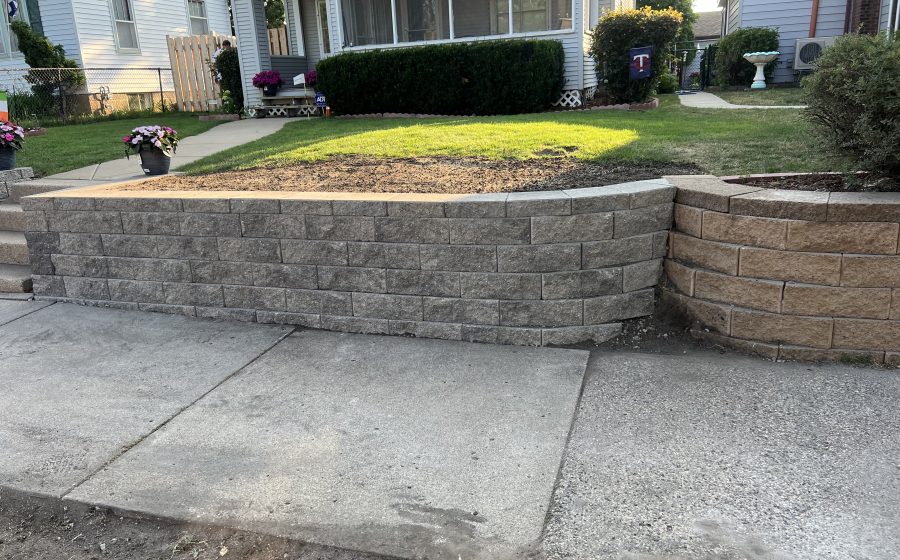
Minneapolis Retaining Walls: Durable Design
Retaining walls are more than just functional landscape elements; they are essential for managing sloped terrain, preventing erosion, and creating usable outdoor spaces, especially in a city like Minneapolis with its varied topography. Professional retaining wall installation in Minneapolis addresses specific local challenges, from soil composition to harsh winter weather, ensuring a durable and aesthetically pleasing result. Understanding the intricacies of design, material selection, and proper construction is crucial for any homeowner considering this significant landscape enhancement.
The Functional and Aesthetic Benefits of Retaining Walls
Retaining walls serve a dual purpose in landscape design, offering both critical structural support and significant aesthetic enhancement. Functionally, they are engineered to hold back soil, effectively preventing erosion on sloped properties and mitigating issues like runoff that can damage foundations or lower landscape areas. This structural integrity is vital for maintaining the stability of your land and protecting other elements of your outdoor living space.
Beyond their practical applications, retaining walls transform unusable or challenging sloped areas into functional, tiered spaces. They can create level garden beds, define distinct outdoor rooms, or provide a stable base for patios and walkways. This ability to sculpt the landscape opens up new possibilities for design, allowing for the integration of diverse plantings and hardscaping features that would otherwise be impossible on uneven ground.
Aesthetically, a well-designed retaining wall adds significant visual interest and value to a property. The choice of materials, textures, and colors can complement existing architecture and landscape themes, turning a utilitarian structure into a focal point. From natural stone to modern concrete blocks, the right wall can elevate the overall curb appeal and create a more sophisticated and organized outdoor environment.
Choosing the Right Materials for Your Retaining Wall Installation in Minneapolis
Selecting the appropriate material is a pivotal decision for any retaining wall project, particularly for retaining wall installation in Minneapolis, where climate and soil conditions play a significant role. Each material offers distinct advantages in terms of durability, appearance, and cost, requiring careful consideration to match both functional needs and aesthetic preferences. The longevity and structural integrity of your wall will largely depend on this initial choice, making it essential to understand the characteristics of each option.
Concrete blocks are a popular choice due to their versatility, strength, and relatively lower cost compared to natural stone. They come in various shapes, sizes, and colors, allowing for a wide range of design possibilities, from classic to contemporary. Segmental retaining wall (SRW) systems, made from interlocking concrete units, are engineered for stability and can be dry-stacked without mortar, simplifying installation while still providing robust support.
Natural stone, including options like limestone, granite, or fieldstone, offers unparalleled beauty and a timeless aesthetic that integrates seamlessly with natural landscapes. While often more expensive and labor-intensive to install, the unique character and enduring quality of natural stone can significantly enhance property value. For those considering the various options for retaining wall materials, understanding the specific properties of each will guide the best decision for your project.
Boulder Retaining Walls: A Natural and Robust Option
Boulder retaining walls represent a distinct category, offering a rugged, natural aesthetic that blends beautifully with many landscape styles. These walls are constructed using large, irregularly shaped stones, often sourced locally, which are carefully placed and interlocked to create a stable barrier. The inherent weight and mass of boulders provide exceptional structural integrity, making them highly effective for managing significant slopes and preventing erosion.
The installation of boulder retaining walls requires specialized equipment and expertise due to the size and weight of the materials. Each boulder must be strategically positioned to ensure proper drainage and stability, often requiring excavation and a well-prepared base. While the initial investment can be higher, boulder walls are renowned for their longevity and minimal maintenance requirements, often outlasting other material types.
Beyond their strength, boulder walls contribute a unique visual texture and organic feel to the landscape. They can create dramatic focal points, define naturalistic garden beds, or form robust property boundaries. Their ability to withstand harsh weather conditions, including the freeze-thaw cycles common in Minneapolis, makes them an excellent long-term solution for durable landscape design.
Designing for Durability and Aesthetics in Minneapolis
Effective retaining wall design in Minneapolis requires a careful balance between structural integrity and visual appeal, especially given the region’s specific environmental factors. The design process must account for soil composition, water drainage, and the freeze-thaw cycles that can exert immense pressure on any retaining structure. A well-engineered design ensures the wall not only looks good but also performs its critical function for decades.
Key considerations for durability include proper foundation preparation, the incorporation of adequate drainage systems, and the selection of materials that can withstand local climate stresses. The foundation must be stable and level, often requiring a compacted gravel base to distribute weight evenly and prevent settling. Drainage, typically achieved through gravel backfill and weep holes or perforated pipes, is crucial to prevent hydrostatic pressure buildup behind the wall, which is a leading cause of failure.
Aesthetically, the design should complement the existing architecture of your home and the overall landscape theme. This involves choosing materials that harmonize with your property’s style, considering the wall’s height and length in relation to the surrounding space, and integrating elements like steps, planting pockets, or integrated lighting. A thoughtfully designed retaining wall becomes an integral part of your outdoor living area, enhancing both its beauty and functionality.
The Retaining Wall Installation Process: From Start to Finish
The professional installation of a retaining wall is a multi-step process that demands precision, expertise, and adherence to engineering principles to ensure long-term stability and performance. It begins long before the first block is laid, with thorough planning and site assessment. Understanding each phase of the process helps homeowners appreciate the complexity and value of professional retaining wall installation.
Site Assessment and Planning
Every successful retaining wall project starts with a comprehensive site assessment. This involves evaluating the slope of the land, identifying existing drainage patterns, and understanding the soil type and composition. In Minneapolis, specific soil conditions and the potential for frost heave are critical factors that influence design and construction methods.
During this phase, a professional landscape designer or engineer will determine the optimal location, height, and length of the wall, considering both its functional purpose and aesthetic integration. This also includes assessing the need for any necessary permits, especially for taller walls or those near property lines, ensuring all local regulations are met before construction begins.
Detailed plans are then developed, outlining material choices, drainage solutions, and specific construction techniques. This planning stage is crucial for anticipating challenges, minimizing errors, and providing a clear roadmap for the entire installation process, ensuring a smooth and efficient execution.
Excavation and Base Preparation
Once the planning is complete, the physical work begins with excavation. The area where the retaining wall will be built is carefully dug out to the specified depth and width, creating a trench for the base. This excavation must be precise to accommodate the wall’s foundation and ensure proper embedment into the soil, which is vital for stability.
Following excavation, the base preparation is arguably the most critical step in the entire installation process. A layer of crushed gravel or aggregate is laid in the trench and thoroughly compacted. This compacted base provides a stable, level, and well-draining foundation for the retaining wall, preventing settling and shifting over time, which are common causes of wall failure.
The base must be perfectly level from side to side and front to back to ensure the first course of blocks or stones is laid accurately. Any unevenness at this stage will be magnified as the wall rises, compromising its structural integrity and aesthetic appeal. Professional installers use specialized leveling tools to achieve this critical precision.
Wall Construction and Drainage Integration
With the base meticulously prepared, the actual construction of the retaining wall begins. Blocks or stones are laid in courses, typically starting at the lowest point and working upwards. Each course is carefully leveled and aligned, often with a slight setback to create a natural batter that enhances stability and resistance to soil pressure.
As the wall is built, crucial drainage elements are integrated. A layer of drainage gravel is placed behind the wall, extending from the base to near the top, to allow water to flow freely. Perforated drainage pipes, known as “weep tiles,” are often installed at the base of the gravel backfill to collect and redirect water away from the wall, preventing hydrostatic pressure buildup.
For taller or more complex walls, geogrid reinforcement may be incorporated between courses. Geogrid is a synthetic mesh material that extends back into the soil, tying the wall face into the soil mass behind it, significantly increasing its stability and resistance to lateral forces. This reinforcement is particularly important in areas with heavy clay soils or significant slopes.
Finishing and Backfilling
Once the retaining wall structure is complete, the final steps involve backfilling the remaining space behind the wall and adding the finishing touches. The area behind the drainage gravel is filled with suitable soil, carefully compacted in layers to prevent future settling. This backfill provides the necessary support for the wall and creates a stable surface for landscaping.
The top course of the wall is often capped with a specialized coping unit, which provides a finished look, protects the wall from water infiltration, and can serve as a seating area or a planter edge. The surrounding landscape is then restored, which may include grading the soil, installing new sod, or planting vegetation around the base and top of the wall.
A thorough cleanup of the site concludes the installation, leaving the property tidy and the new retaining wall ready to perform its function. Professional installation ensures that all these steps are executed with precision, resulting in a durable, beautiful, and long-lasting retaining wall that enhances your property.
Navigating Minneapolis Permits and Regulations
Undertaking a retaining wall project in Minneapolis often involves navigating specific local permits and regulations, a critical step that ensures compliance and avoids potential legal issues. The City of Minneapolis has established guidelines for construction projects, and retaining walls, especially those exceeding certain heights or located near property lines, typically fall under these requirements. Failing to secure the necessary permits can lead to fines, project delays, or even the mandated removal of the structure.
Generally, retaining walls over four feet in height, measured from the bottom of the footing to the top of the wall, require a building permit. However, local ordinances can vary, and other factors such as proximity to public property, easements, or critical areas might also trigger permit requirements for shorter walls. It is always advisable to consult with the City of Minneapolis Department of Regulatory Services or a knowledgeable local contractor early in the planning process.
A professional retaining wall installer familiar with Minneapolis regulations can guide you through the permit application process, which often involves submitting detailed plans, site surveys, and engineering specifications. They understand the specific documentation required and can ensure your project adheres to all zoning codes, setback requirements, and construction standards, providing peace of mind and a smooth project execution.
Why Professional Retaining Wall Installation Minneapolis Matters
Opting for professional retaining wall installation in Minneapolis is a decision that directly impacts the longevity, safety, and aesthetic success of your landscape project. While DIY approaches might seem appealing for cost savings, the complexities of engineering, local regulations, and construction techniques often lead to costly mistakes and premature wall failure. A professional team brings invaluable expertise to every stage of the process, ensuring a robust and beautiful outcome.
Experienced installers possess a deep understanding of soil mechanics, drainage principles, and structural design, which are critical for building a wall that can withstand the unique challenges of the Minneapolis climate, including heavy rainfall and severe freeze-thaw cycles. They know how to properly prepare the foundation, integrate effective drainage systems, and select the right materials and reinforcement techniques to ensure the wall remains stable and functional for decades.
Furthermore, professionals are equipped with the specialized tools and heavy machinery required for efficient and safe installation, particularly when working with large or heavy materials like boulders. Their knowledge of local building codes and permit requirements streamlines the project, preventing delays and ensuring legal compliance. Ultimately, investing in professional installation provides peace of mind, a superior quality product, and a significant enhancement to your property’s value and usability.
Connecting to Broader Landscape Solutions
A retaining wall project often serves as a foundational element within a larger landscape design, providing the structure necessary for other enhancements. By creating level terraces or defining garden beds, a well-installed retaining wall opens up possibilities for comprehensive landscape solutions that transform your entire outdoor space. This integrated approach ensures that every element works in harmony, contributing to a cohesive and functional design.
Once the retaining wall provides the desired topography, you can then consider integrating elements such as custom patios, walkways, or elaborate planting schemes. The stable, defined spaces created by the wall become ideal canvases for outdoor living areas, allowing for the installation of features like fire pits, water features, or built-in seating. This holistic perspective ensures that your investment in a retaining wall supports a broader vision for your property.
Beyond hardscaping, retaining walls also facilitate effective softscaping. They can support diverse vegetation, from ornamental shrubs to vibrant perennial gardens, by providing stable soil and improved drainage. This synergy between structural elements and living plants creates a dynamic and sustainable landscape that enhances both the beauty and ecological health of your property.
FAQs About Retaining Wall Installation
How long does a retaining wall last in Minneapolis?
The lifespan of a retaining wall in Minneapolis largely depends on the materials used, the quality of installation, and how well it’s maintained. A professionally installed wall using durable materials like concrete blocks or natural stone, with proper drainage and foundation, can last anywhere from 50 to 100 years or even longer. Walls built with timber, while initially less expensive, typically have a shorter lifespan, often ranging from 15 to 30 years due to rot and decay.
The harsh freeze-thaw cycles characteristic of Minneapolis winters put significant stress on retaining walls. This is why proper drainage and a robust foundation are paramount; they prevent hydrostatic pressure and frost heave, which are common causes of wall failure. Regular inspections for cracks, shifting, or drainage issues can help extend the life of your wall by allowing for timely repairs.
Ultimately, investing in high-quality materials and professional installation by a company familiar with local conditions is the best way to ensure your retaining wall endures for generations. This expertise accounts for regional challenges, guaranteeing a structure that stands the test of time against environmental factors.
What are the signs my existing retaining wall needs repair or replacement?
Several key indicators suggest your existing retaining wall may require professional attention, ranging from minor repairs to a complete replacement. Visible leaning or bulging of the wall is a critical sign of structural failure, often caused by excessive soil pressure or an inadequate foundation. This indicates the wall is no longer effectively holding back the soil and could be at risk of collapse.
Cracks in the wall, especially those that are wide, long, or appear in a stair-step pattern, can signal underlying structural issues. While small hairline cracks might be cosmetic, larger or spreading cracks often point to foundation problems, soil movement, or improper drainage. Additionally, if you notice significant erosion at the base of the wall or water consistently seeping through the wall face, it suggests a failing drainage system that is allowing hydrostatic pressure to build up.
Another sign of trouble is if the ground behind the wall is sinking or developing depressions, indicating that soil is washing away or compacting unevenly. Addressing these issues promptly is crucial, as delaying repairs can lead to more extensive damage and significantly higher costs in the long run. Consulting with a retaining wall expert can help accurately diagnose the problem and recommend the most effective solution.
Can I build a retaining wall myself?
While building a small, purely decorative retaining wall might be a feasible DIY project for experienced homeowners, constructing a functional retaining wall that holds back significant soil or supports a slope is generally not recommended for amateurs. These walls require precise engineering, a deep understanding of soil mechanics, and proper drainage design to ensure stability and longevity. Without this expertise, the wall is highly susceptible to failure, which can lead to property damage or even safety hazards.
Professional installation involves specialized tools, heavy equipment, and knowledge of local building codes and permit requirements, particularly for walls exceeding a certain height or located in critical areas. Mistakes in foundation preparation, material selection, or drainage integration can result in hydrostatic pressure buildup, frost heave damage, or structural collapse, all of which are expensive and difficult to rectify after the fact. The complexity of managing soil loads and water flow demands a professional approach to guarantee a safe and durable structure.
For these reasons, entrusting your retaining wall project to experienced professionals ensures that all critical aspects, from design to construction, are handled with the necessary precision and expertise. This investment provides peace of mind and a long-lasting, effective solution that enhances your property’s value and safety.
Understanding the critical role of professional expertise in retaining wall installation is paramount for any homeowner in Minneapolis. From navigating local regulations to selecting the most durable materials and ensuring proper drainage, every detail contributes to the long-term success and safety of your landscape. A well-constructed retaining wall is not just a structural necessity but a significant investment in the beauty and functionality of your property.
At Peter Doran Lawn, we pride ourselves on delivering exceptional retaining wall solutions tailored to the unique demands of the Minneapolis environment. Our experienced team combines expert design with meticulous installation, using only the highest quality materials to ensure your wall is both aesthetically pleasing and structurally sound. We stand by our workmanship 100%, providing dependable quality service with excellence.
If you are considering a retaining wall project, we invite you to contact us today to discuss your vision and explore how we can bring it to life.
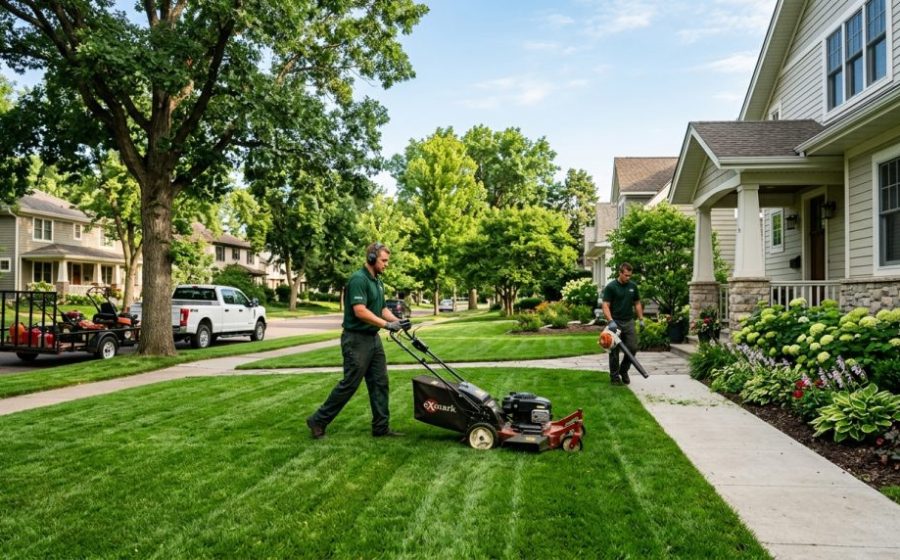
Local Lawn Care Services in Minneapolis: What to Look For
Finding reliable lawn care services in Minneapolis requires more than a quick online search; it demands a discerning eye for quality, dependability, and local expertise. As the growing season approaches, homeowners are often faced with the challenge of selecting a provider who can not only maintain their property but also understand the unique horticultural demands of the Twin Cities climate. This article will guide you through the essential considerations for choosing a lawn care partner, ensuring your landscape thrives throughout the year.
Understanding Minneapolis’s Unique Lawn Care Needs
Minneapolis presents a distinct set of challenges and opportunities for lawn care, primarily due to its specific climate and soil conditions. The region experiences significant seasonal variations, from harsh winters that can compact soil and stress turf to warm, humid summers conducive to certain pests and diseases. Effective lawn care in Minneapolis must account for these factors, employing strategies that promote resilience and health across all seasons.
Soil composition in the area often varies, ranging from heavy clay to sandy loams, each requiring different approaches to fertilization, aeration, and watering. A knowledgeable provider understands how to assess these local soil types and tailor treatments accordingly, rather than applying a one-size-fits-all solution. This localized expertise is crucial for preventing common issues like nutrient deficiencies or waterlogging.
Furthermore, the specific types of grass commonly used in Minneapolis, such as Kentucky bluegrass and fescues, have particular maintenance requirements. These cool-season grasses thrive with specific mowing heights, fertilization schedules, and pest management strategies adapted to the local environment. A deep understanding of these nuances ensures your lawn receives the precise care it needs to flourish.
Key Services Offered by Professional Lawn Care Providers
Professional lawn care extends far beyond simple mowing, encompassing a comprehensive suite of services designed to maintain and enhance your property’s exterior. These services are typically bundled into programs or offered à la carte, allowing homeowners to customize their care based on specific needs and budget. Understanding the full spectrum of available services is key to making an informed decision about your lawn’s health.
Core services often include regular lawn mowing, which involves precise cutting at the optimal height for your grass type, along with edging and trimming for a neat appearance. Beyond this, fertilization programs are critical for providing essential nutrients, typically applied in stages throughout the growing season to support strong root development and vibrant color. Weed control, both pre-emergent and post-emergent, is also a standard offering, targeting common broadleaf weeds and crabgrass.
More specialized services, vital for long-term lawn health, include aeration and dethatching. Aeration involves creating small holes in the soil to alleviate compaction and improve air, water, and nutrient penetration to the root zone. Dethatching removes the layer of dead grass and organic matter that accumulates between the soil surface and the green blades, preventing water and nutrients from reaching the roots effectively. These treatments are particularly beneficial for promoting robust growth and preventing disease in established lawns.
Essential Lawn Mowing and Trimming
Regular and proper lawn mowing is the foundation of a healthy, attractive lawn. It’s not just about cutting grass; it’s about maintaining an optimal height that encourages deep root growth and discourages weed proliferation. Professional services ensure consistent cutting heights, sharp blades that prevent tearing, and proper disposal of clippings, contributing to a pristine appearance.
Trimming and edging are equally important for defining the boundaries of your lawn and giving it a polished look. This involves carefully cutting grass around obstacles like trees, flowerbeds, and fences, as well as creating crisp lines along sidewalks and driveways. These details significantly enhance the overall curb appeal of your property.
Fertilization and Weed Control Programs
A well-designed fertilization program is essential for providing your lawn with the nutrients it needs to thrive. This typically involves multiple applications throughout the year, tailored to the specific growth cycles of your grass and the prevailing soil conditions. Professionals use high-quality fertilizers that promote strong, healthy turf resistant to environmental stressors.
Effective weed control is a continuous process that combines preventative measures with targeted treatments for existing weeds. Pre-emergent herbicides are applied in early spring to stop weed seeds from germinating, while post-emergent solutions tackle broadleaf weeds that have already sprouted. A comprehensive program ensures your lawn remains free from invasive plants that compete for nutrients and water.
Aeration and Dethatching for Optimal Health
Aeration is a critical practice for relieving soil compaction, especially in high-traffic areas or lawns with heavy clay soils. By creating small holes, aeration allows oxygen, water, and nutrients to penetrate deeper into the soil, stimulating root growth and improving overall turf vigor. This process is typically performed in the spring or fall when the grass is actively growing.
Dethatching addresses the buildup of thatch, a dense layer of organic material that can suffocate grass roots and harbor pests and diseases. Removing this layer improves water and nutrient absorption, enhances air circulation, and makes your lawn more resilient. For more insights into this crucial process, you can learn about dethatching done right and its benefits for thicker grass.
Choosing the Right Lawn Care Services in Minneapolis
Selecting the ideal provider for your lawn care services in Minneapolis involves careful consideration beyond just comparing price lists. The right company will offer a blend of experience, local knowledge, and a commitment to customer satisfaction. This decision impacts not only the appearance of your lawn but also its long-term health and your overall peace of mind.
Begin by evaluating a company’s experience and reputation within the Minneapolis community. Look for providers with a proven track record, as longevity in the business often signifies consistent quality and reliability. Online reviews and testimonials can offer valuable insights into other customers’ experiences, highlighting strengths and potential areas of concern.
Furthermore, inquire about their specific approach to local lawn challenges, such as dealing with common pests or adapting to seasonal weather shifts. A truly professional service will be transparent about their methods, products, and scheduling, ensuring you understand the value you’re receiving. Don’t hesitate to ask for references or examples of their work.
Experience and Local Expertise
The value of experience in lawn care cannot be overstated, especially in a region with specific climatic conditions like Minneapolis. A company that has operated for many years has encountered a wide range of lawn issues and developed effective solutions tailored to the local environment. This depth of knowledge translates into more accurate diagnoses and more effective treatments for your lawn.
Local expertise also means understanding the specific regulations and best practices for lawn care in Minneapolis, including proper disposal methods and environmentally friendly approaches. Such providers are familiar with the common grass types, soil compositions, and prevalent pests and diseases in the area, allowing them to anticipate and address problems proactively.
Evaluating Reputation and Customer Service
A strong reputation is built on consistent quality and responsive customer service. When evaluating potential lawn care providers, look for companies that are highly rated for their professionalism, communication, and ability to deliver on their promises. A company’s commitment to customer satisfaction is a strong indicator of its overall reliability.
Good customer service involves clear communication, prompt responses to inquiries, and a willingness to address any concerns you may have. It also includes transparent pricing and detailed explanations of services rendered. A provider who values their clients will make you feel heard and ensure your needs are met throughout your service agreement.
Comprehensive Service Offerings
While you might initially only need basic mowing, a provider offering a comprehensive suite of services can be a significant advantage. This allows for a seamless transition to other treatments like fertilization, pest control, or even landscaping projects as your needs evolve. A single provider for multiple services simplifies coordination and ensures a consistent approach to your property’s care.
A full-service company can also offer integrated solutions, where different aspects of lawn and landscape care are coordinated for optimal results. For instance, they might combine aeration with overseeding, or integrate a fertilization schedule with pest management. This holistic approach often leads to a healthier, more vibrant landscape than fragmented services.
Why Peter Doran Lawn Stands Out in Minneapolis
When considering professional lawn care in Minneapolis, Peter Doran Lawn distinguishes itself through a long-standing commitment to quality and comprehensive service. Our deep roots in the community, established in 1993, reflect over 30 years of dedicated experience in understanding and meeting the unique demands of Minneapolis landscapes. This extensive tenure means we’ve seen it all, from challenging growing seasons to evolving homeowner needs, and have consistently adapted our practices to deliver superior results.
We pride ourselves on offering full-service lawn maintenance, landscape design, installation, and even snow removal for both residential and commercial clients. This integrated approach ensures that every aspect of your property’s exterior receives expert attention, from routine mowing to complex landscape enhancements. Our goal is to provide dependable quality service with excellence, delivered in a timely manner by our experienced staff.
Our commitment to excellence is evident in our team structure, which includes seven experienced lawn maintenance crews, two licensed fertilizer and weed control technicians, two landscaping crews supervised by an experienced landscape designer, and a fleet of sixteen reliable snow plow trucks maintained by an incredible mechanic. We utilize only the best products available on the market, ensuring long-lasting appearance and standing by our workmanship 100%.
The Value of Professional Lawn Care Services
Investing in professional lawn care services offers significant advantages over DIY approaches, particularly for homeowners in Minneapolis seeking consistent quality and long-term lawn health. While the initial thought might be to save money by doing it yourself, the expertise, specialized equipment, and time efficiency provided by professionals often result in a superior outcome that justifies the investment.
Professionals bring a level of knowledge about turf science, soil biology, and local environmental factors that is difficult for the average homeowner to acquire. They can accurately diagnose issues, apply the correct treatments at the optimal times, and prevent problems before they escalate. This proactive approach saves you from costly mistakes and ensures your lawn receives precisely what it needs to thrive.
Moreover, professional services free up your valuable time, allowing you to enjoy your weekends without the burden of lawn maintenance. They also have access to commercial-grade equipment and premium products that are often unavailable or cost-prohibitive for individual homeowners. This combination of expertise, efficiency, and access to superior resources ultimately leads to a healthier, more vibrant, and consistently beautiful lawn.
Saving Time and Effort
One of the most immediate benefits of professional lawn care is the significant time and effort it saves homeowners. Maintaining a healthy lawn requires regular attention, including mowing, fertilizing, weeding, and seasonal treatments, which can consume many hours each week. Delegating these tasks allows you to reclaim your weekends and focus on other priorities or leisure activities.
Beyond the routine, professional services eliminate the need for you to purchase, maintain, and store expensive lawn care equipment. This includes mowers, trimmers, spreaders, and aerators, all of which require upkeep and space. Professionals arrive with all the necessary tools, ensuring the job is done efficiently and effectively without any hassle on your part.
Expertise and Customized Solutions
Professional lawn care providers possess specialized knowledge in horticulture, pest management, and local climate conditions, which allows them to offer truly customized solutions. They can identify specific grass types, soil deficiencies, and disease indicators that might go unnoticed by an untrained eye. This expertise ensures that treatments are precisely tailored to your lawn’s unique needs, maximizing their effectiveness.
This level of expertise also means they can develop long-term strategies for improving your lawn’s health and appearance, rather than just addressing immediate problems. They understand the seasonal cycles and can implement preventative measures that keep your lawn robust year-round. This proactive, informed approach leads to sustainable results and a consistently beautiful landscape.
Enhanced Curb Appeal and Property Value
A well-maintained, vibrant lawn significantly enhances your home’s curb appeal, creating a positive first impression for visitors and potential buyers. Professional lawn care ensures that your grass is consistently green, neatly trimmed, and free from weeds, contributing to an overall attractive exterior. This visual appeal is a direct reflection of the care taken with your property.
Beyond aesthetics, a healthy and professionally managed lawn can also increase your property’s market value. Real estate experts often cite landscaping as a key factor in property valuation, with a well-kept lawn adding tangible value. Investing in professional lawn care is therefore an investment in your home’s equity, providing both immediate enjoyment and long-term financial benefits.
FAQs About Lawn Care Services in Minneapolis
How often should my lawn be mowed in Minneapolis?
The ideal mowing frequency for lawns in Minneapolis typically depends on the grass type, growth rate, and time of year. During the peak growing season, from late spring through early fall, weekly mowing is often recommended to maintain an optimal grass height and promote healthy growth. However, cooler temperatures or drought conditions might necessitate less frequent cutting, perhaps every 10-14 days.
It’s crucial to follow the “one-third rule,” which means never removing more than one-third of the grass blade’s height in a single mowing session. This practice prevents stressing the grass and encourages deeper root development, making your lawn more resilient to environmental challenges. Professional lawn care providers adjust their schedule to adhere to this rule and ensure your lawn’s health.
Ultimately, a professional service will assess your specific lawn’s needs and local conditions to determine the most appropriate mowing schedule. This tailored approach ensures your lawn receives consistent care that supports its overall health and aesthetic appeal throughout the growing season.
What is the best time of year for aeration and dethatching in Minneapolis?
For lawns in Minneapolis, the best times for aeration and dethatching are typically in the spring or early fall. These periods allow the cool-season grasses common in the region, such as Kentucky bluegrass and fescues, to recover quickly from the treatment and benefit most from the improved soil conditions. Performing these services during extreme heat or cold can stress the lawn unnecessarily.
Spring aeration, usually in April or May, helps alleviate compaction from winter snow and prepares the lawn for summer growth by allowing nutrients and water to penetrate effectively. Fall aeration, from late August to October, is also highly beneficial as it helps the lawn absorb nutrients before winter dormancy and recover from summer stress. Both periods are ideal for overseeding immediately after aeration to fill in bare spots.
Dethatching is generally best done in early spring after the last frost, or in early fall. This timing allows the grass to quickly fill in any thin areas created by the thatch removal process. A professional lawn care provider can assess your lawn’s thatch layer and recommend the optimal timing to ensure maximum benefit without causing undue stress to your turf.
Are professional lawn care services environmentally friendly?
Many professional lawn care services today are committed to environmentally friendly practices, often exceeding what individual homeowners can achieve on their own. This commitment includes using integrated pest management (IPM) strategies, which prioritize non-chemical solutions and target specific problems with minimal product application. They also focus on soil health, which naturally reduces the need for excessive fertilizers and pesticides.
Environmentally conscious providers utilize slow-release, organic, or low-impact fertilizers that nourish the lawn gradually and minimize runoff into local waterways. They also ensure proper application techniques to prevent waste and maximize nutrient absorption by the grass. Furthermore, their equipment is often well-maintained and more fuel-efficient, reducing their carbon footprint compared to older or poorly serviced homeowner equipment.
When selecting a service, it’s always beneficial to inquire about their specific environmental practices, such as their use of organic products, water conservation techniques, and waste disposal methods. Reputable companies will be transparent about their efforts to minimize environmental impact while still delivering a healthy and beautiful lawn.
Choosing the right lawn care services in Minneapolis is a crucial decision for the long-term health and beauty of your property. By understanding the unique needs of the local climate, evaluating the range of services offered, and prioritizing providers with proven experience and a strong reputation, you can ensure your lawn receives the expert care it deserves. A well-maintained lawn not only enhances your home’s curb appeal but also provides a vibrant outdoor space for you to enjoy.
Professional lawn care offers invaluable benefits, from saving you time and effort to providing expert, customized solutions that lead to a truly thriving landscape. We bring decades of local expertise, state-of-the-art equipment, and a dedicated team to every property we service, ensuring dependable quality and exceptional results that stand the test of time.
Ready for a healthier, greener lawn? Contact us to schedule your Minneapolis lawn care services today!
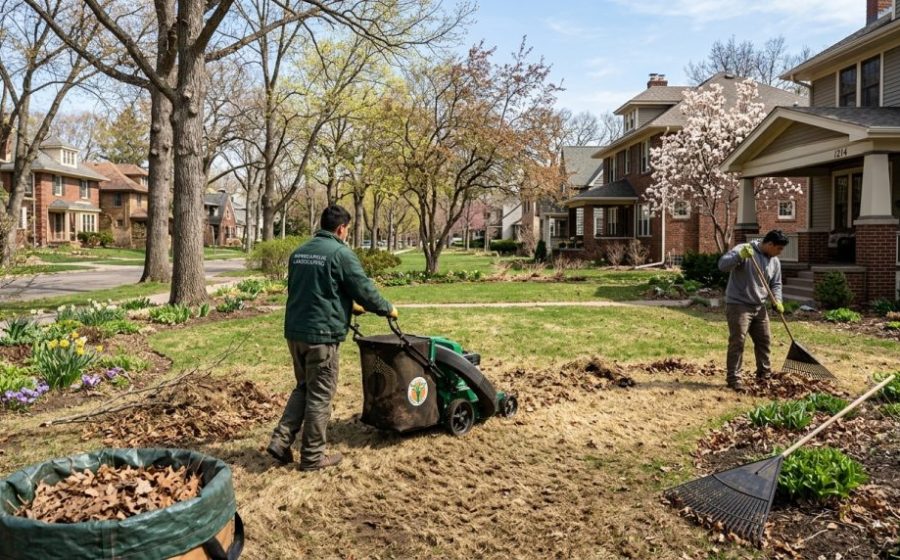
Beyond the Mow: Pro Spring Lawn Care for Minneapolis
As the long Minnesota winter finally recedes, homeowners across the Twin Cities eagerly anticipate the vibrant greens of spring. However, the transition from snow-covered dormancy to lush growth presents unique challenges for lawns in Minneapolis. Winters here bring heavy snow, prolonged freezing temperatures, and subsequent thawing cycles, which can lead to issues like frost heave, lingering snow mold, and soil compaction. A thorough spring lawn cleanup in Minneapolis is not merely aesthetic; it is a critical foundation for the entire growing season, setting the stage for a healthy, resilient lawn that can withstand the summer heat and prepare for the next winter.
Ignoring these post-winter conditions can result in a season-long struggle with weak grass, persistent diseases, and increased weed pressure. A proactive and strategic approach to spring cleanup addresses these specific issues head-on, promoting robust root development and overall turf vigor. This guide will walk you through the essential steps and considerations for rejuvenating your Minneapolis lawn, ensuring it emerges from winter strong and beautiful.
The Impact of Minneapolis Winters on Your Lawn
The specific climate of Minneapolis, characterized by significant snowfall and deep freezes, profoundly affects lawn health. Unlike regions with milder winters, our lawns endure months under a blanket of snow, often followed by rapid thaws and refreezes. These conditions create a distinct set of challenges that must be addressed during the spring cleanup process.
One of the most common issues is snow mold, a fungal disease that thrives under snow cover, especially when the ground isn’t fully frozen. When the snow melts, it reveals matted, discolored patches of grass that can range from pinkish-gray to white. Another significant problem is soil compaction, caused by the weight of heavy snow and foot traffic on frozen ground.
Compacted soil restricts air, water, and nutrient movement to grass roots, hindering healthy growth. Furthermore, the freeze-thaw cycles can lead to frost heave, where the ground repeatedly expands and contracts, pushing grass roots out of the soil. This exposes roots to drying winds and fluctuating temperatures, weakening the turf. Addressing these specific winter-induced stresses is paramount for a successful spring lawn cleanup in Minneapolis, ensuring the lawn can recover and thrive.
Essential Steps for Spring Lawn Cleanup in Minneapolis
A comprehensive spring lawn cleanup involves several critical steps, each designed to counteract the effects of winter and prepare your turf for optimal growth. Timing is key in Minneapolis, as rushing these tasks before the ground has adequately thawed can do more harm than good.
The initial phase focuses on clearing debris and assessing the damage. Once the snow has fully melted and the ground is firm enough to walk on without leaving deep impressions, you can begin the more intensive work. This systematic approach ensures that every aspect of your lawn’s post-winter recovery is addressed effectively.
Debris Removal and Initial Assessment
The first and most immediate task in any spring cleanup is the thorough removal of winter debris. This includes fallen branches, leaves that escaped the fall cleanup, and any litter that accumulated over the colder months. These materials can smother emerging grass, create ideal conditions for pests and diseases, and impede sunlight from reaching the turf.
As you clear the debris, take the opportunity to carefully inspect your lawn for signs of winter damage. Look for matted grass, which often indicates snow mold, and note any areas where the turf appears thin or dead. Identifying these problem spots early allows for targeted treatment and repair, preventing minor issues from escalating into larger problems.
Gentle Raking and Dethatching
Once the surface is clear, gentle raking is essential to lift matted grass blades and break up any lingering snow mold. Use a flexible leaf rake rather than a heavy garden rake to avoid tearing out healthy grass that is just beginning to emerge. This process helps aerate the surface, allowing air and sunlight to penetrate the turf more effectively.
Following initial raking, consider dethatching if your lawn has a thick layer of thatch, a build-up of dead grass stems and roots between the soil surface and the green blades. A thatch layer thicker than half an inch prevents water, nutrients, and air from reaching the soil, creating an ideal environment for pests and diseases. Dethatching removes this barrier, promoting healthier growth and improving the effectiveness of subsequent treatments.
Aeration for Soil Compaction Relief
Soil compaction is a significant issue in Minneapolis due to heavy snow loads and clay-rich soils. Aeration, the process of creating small holes in the lawn to allow air, water, and nutrients to penetrate the soil, is crucial for relieving this compaction. Core aeration, which removes plugs of soil, is particularly effective as it physically breaks up the compacted layers.
Performing aeration in early spring, once the ground has thawed but before intense summer heat, allows grass roots to grow deeper and stronger. This improves drainage, reduces water runoff, and enhances the lawn’s ability to absorb essential nutrients. Aeration is a foundational step for long-term lawn health, especially in areas prone to heavy foot traffic or where the soil feels particularly dense.
Overseeding for Thicker Turf
After aeration, overseeding is an excellent practice to fill in bare spots, improve turf density, and introduce new, more resilient grass varieties. Spreading grass seed over existing turf helps thicken the lawn, making it more resistant to weeds, pests, and environmental stresses. Choose a high-quality grass seed blend appropriate for the Minneapolis climate, typically a mix of Kentucky Bluegrass and perennial ryegrass.
The holes created by aeration provide ideal pockets for new seeds to germinate and establish contact with the soil, significantly improving germination rates. Ensure consistent watering after overseeding to keep the soil moist, which is critical for successful seed establishment. This combination of aeration and overseeding is a powerful strategy for rejuvenating a tired lawn and achieving a lush, dense turf.
First Fertilization and Weed Control
The first fertilization of the season is vital for providing your lawn with the nutrients it needs to recover from winter and kickstart new growth. Use a slow-release, balanced fertilizer specifically formulated for spring application, which will provide a steady supply of nutrients over several weeks without causing excessive growth. Avoid applying fertilizer too early, as it can stimulate growth before the roots are ready, making the grass more susceptible to frost damage.
Simultaneously, consider applying a pre-emergent herbicide to prevent crabgrass and other annual weeds from germinating. This should be done before soil temperatures consistently reach 50-55 degrees Fahrenheit, which is when crabgrass seeds begin to sprout. Combining fertilization with pre-emergent weed control provides a dual benefit, feeding your lawn while actively suppressing weed competition.
Timing Your Spring Lawn Cleanup in Minneapolis
The precise timing of your spring lawn cleanup activities in Minneapolis is crucial for their effectiveness. Rushing the process can be counterproductive, while waiting too long can diminish the benefits. The key indicators are soil temperature and ground firmness, rather than a specific calendar date.
Generally, early to mid-April is the window when most Minneapolis lawns are ready for their initial cleanup. However, a late cold snap or an unusually warm early spring can shift this timeline. Always observe your lawn and local conditions to determine the optimal moment for each task.
When the Snow Melts and Ground Thaws
The absolute first step is to wait until all snow has completely melted and the ground has thawed sufficiently to be firm underfoot. Attempting to rake, dethatch, or aerate a soggy, waterlogged lawn can cause significant damage, compacting the soil further and tearing out healthy grass. Patience is a virtue in early spring lawn care.
Once the ground is firm, you can safely begin debris removal and gentle raking. This initial phase allows the lawn to dry out and breathe, preparing it for more intensive treatments. Monitor local weather forecasts to ensure no significant late-season snowfalls are expected, which could undo your early efforts.
Optimal Time for Dethatching and Aeration
The ideal time for dethatching and aeration in Minneapolis is typically from mid-April to early May, once the grass has started to green up but before the summer heat arrives. This allows the lawn to recover quickly from the stress of these processes. Dethatching should only be done when the grass is actively growing, as it helps the turf fill in any disturbed areas.
Similarly, aeration is most effective when the soil is moist but not saturated, allowing the aerator to penetrate deeply and extract clean plugs. Performing these tasks during this window maximizes their benefits for soil health and turf vigor, setting the stage for robust growth throughout the season.
Fertilization and Weed Control Timing
The first spring fertilization should occur when the grass shows clear signs of waking up and actively growing, usually in late April or early May. This timing ensures the nutrients are available when the plant needs them most for new leaf and root development. Applying fertilizer too early, before the grass is ready, can lead to nutrient runoff and wasted product.
Pre-emergent weed control for crabgrass must be applied before soil temperatures consistently reach 50-55 degrees Fahrenheit. In Minneapolis, this window typically falls in late April. Missing this narrow window means the crabgrass seeds will have already germinated, rendering the pre-emergent ineffective. It is crucial to monitor soil temperatures or consult local extension resources for precise timing.
DIY vs. Professional Spring Lawn Cleanup in Minneapolis
Homeowners often face a choice between tackling spring lawn cleanup themselves or hiring professional lawn care services. Both options have distinct advantages and disadvantages, and the best decision depends on factors such as time availability, equipment access, expertise, and budget.
While some basic tasks are manageable for most homeowners, the more specialized aspects of spring cleanup can benefit significantly from professional intervention. Understanding the scope of each approach helps in making an informed decision for your Minneapolis lawn.
The DIY Approach: Pros and Cons
The primary advantage of a DIY spring lawn cleanup is cost savings, as you avoid labor fees and only pay for materials and potentially equipment rentals. It also offers the satisfaction of hands-on work and direct control over every step. For homeowners with smaller lawns, a strong back, and a good understanding of lawn care principles, DIY can be a viable option.
However, the DIY approach demands significant time and effort, especially for larger properties. Specialized equipment like dethatchers and core aerators can be expensive to purchase or rent, and their proper operation requires some skill. Mistakes in timing, product application, or technique can lead to suboptimal results or even damage to the lawn, potentially costing more in the long run to correct.
Benefits of Professional Spring Lawn Cleanup Services
Hiring a professional service for your spring lawn cleanup offers numerous benefits, particularly for homeowners in Minneapolis dealing with the unique challenges of our climate. Professionals bring specialized equipment, extensive knowledge of local turf types and soil conditions, and the expertise to execute tasks efficiently and effectively. They understand the precise timing for each treatment, from dethatching to pre-emergent application, ensuring optimal results.
Professional teams can quickly and thoroughly remove debris, perform deep core aeration, and apply the correct type and amount of fertilizer and weed control products. This saves homeowners valuable time and eliminates the need to purchase, maintain, or rent expensive equipment. Furthermore, experienced technicians can accurately diagnose and treat specific lawn issues like persistent snow mold or pest infestations, providing tailored solutions that go beyond general cleanup.
For those seeking comprehensive lawn care services in Brooklyn Park or other surrounding areas, professional companies offer a full spectrum of treatments. They ensure that your lawn receives consistent, high-quality care throughout the season, not just during the initial spring cleanup. This consistent attention helps build a stronger, healthier lawn that is more resilient to environmental stressors.
Why Minneapolis Homeowners Trust Peter Doran for Spring Lawn Care
Choosing the right partner for your spring lawn cleanup in Minneapolis is a critical decision that impacts your lawn’s health and appearance for the entire year. Peter Doran Lawn has been a trusted name in residential and commercial lawn maintenance and landscaping since 1993, building a reputation for dependable quality service.
Our approach is rooted in deep experience with the specific challenges of the Minneapolis climate and soil. We understand the nuances of post-winter recovery, from addressing severe snow mold to relieving compaction in heavy clay soils. Our team comprises experienced lawn maintenance crews and licensed fertilizer and weed control technicians, ensuring that every aspect of your spring cleanup is handled with precision and expertise.
Customers consistently praise Peter Doran for our meticulous work and commitment to excellence. Reviews often highlight our “fine job” on spring and fall clean-ups, noting that the work is “neat and clean.” We utilize only the best products available on the market and stand by our workmanship 100%, guaranteeing a long-lasting, vibrant appearance for your lawn. Our goal is to provide dependable, quality service with excellence in a timely manner, allowing you to enjoy a beautiful, healthy lawn without the hassle.
FAQs About Spring Lawn Cleanup in Minneapolis
When is the earliest I can start spring cleanup in Minneapolis?
The earliest you should begin your spring cleanup in Minneapolis is typically when all snow has completely melted and the ground has firmed up enough that you can walk on it without sinking or leaving deep footprints. This usually occurs in late March to early April, but it can vary significantly depending on the specific winter and spring weather patterns. Starting too early on soggy ground can cause more damage than good, leading to soil compaction and tearing up delicate new growth.
What are the signs my lawn needs dethatching?
You can determine if your lawn needs dethatching by inspecting the layer of organic material between the green grass blades and the soil surface. If this layer, known as thatch, is thicker than half an inch, it’s time to dethatch. Excessive thatch can feel spongy when you walk on it, and it prevents water, nutrients, and air from reaching the grass roots, making your lawn more susceptible to disease and insect infestations. Dethatching is a crucial step for improving overall lawn health and nutrient absorption.
Can I fertilize my lawn and apply weed control at the same time?
Yes, you can often apply a spring fertilizer and a pre-emergent weed control product at the same time, as many products are formulated as “weed and feed” combinations. However, it’s crucial to ensure the product is specifically designed for simultaneous application and that the timing is correct for both tasks. Pre-emergent herbicides need to be applied before soil temperatures consistently reach 50-55 degrees Fahrenheit to prevent weed seeds like crabgrass from germinating, while fertilizer is best applied when the grass is actively growing. Always read product labels carefully for specific instructions and recommended application windows.
What is snow mold and how do I treat it?
Snow mold is a fungal disease that appears as matted, circular patches of discolored grass (white, gray, or pinkish) after snow melts. It thrives under prolonged snow cover, especially when the ground isn’t completely frozen. To treat it, gently rake the affected areas to break up the matted grass and allow it to dry out, which often helps the lawn recover naturally. For severe cases, or to prevent future outbreaks, proper fall cleanup to remove leaves and reduce thatch, along with avoiding excessive late-season fertilization, can be effective preventative measures.
A successful spring lawn cleanup in Minneapolis is more than just tidying up; it’s a strategic investment in the long-term health and beauty of your landscape. By understanding the unique challenges posed by our climate and implementing the right steps at the right time, you can transform a winter-weary yard into a vibrant, resilient lawn. From debris removal and dethatching to aeration and precise fertilization, each action plays a vital role in preparing your turf for the growing season ahead.
While the DIY approach offers control, the complexities of Minneapolis’s climate often benefit from the precision and expertise that only professional lawn care providers can offer. Our team brings decades of experience, specialized equipment, and a deep understanding of local conditions to ensure your lawn receives the optimal care it needs to thrive. We pride ourselves on delivering dependable, quality service that not only meets but exceeds expectations, allowing you to enjoy a truly beautiful outdoor space.
Ready to give your lawn the best possible start this spring? Contact us today to schedule your professional spring lawn cleanup and experience the Peter Doran difference.
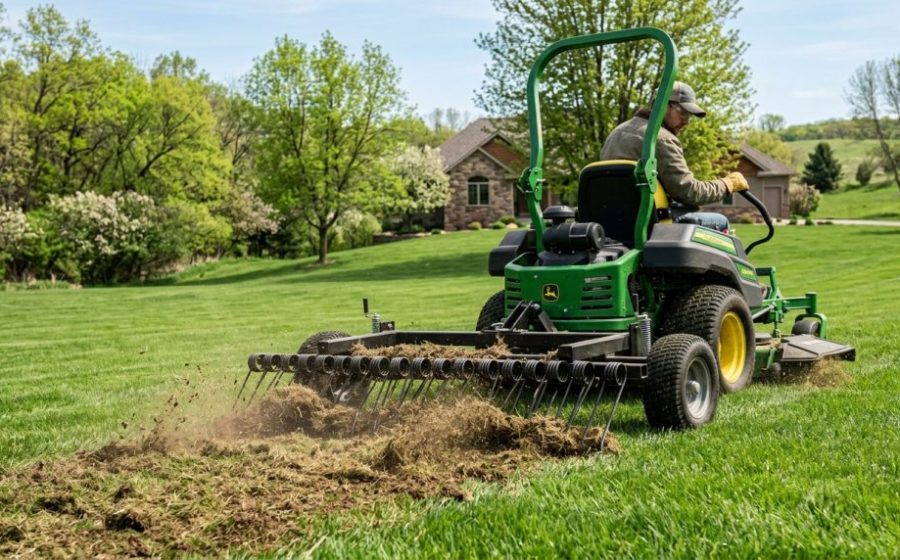
Minneapolis Dethatching: May Timing Guide
As the Minnesota spring fully awakens, many homeowners begin to consider the critical task of dethatching their lawns. For those in the Minneapolis metro area, understanding the optimal timing is paramount for achieving a healthy, vibrant yard throughout the warmer months. While early spring offers some opportunities, the window to dethatch a lawn in Minnesota during May often presents ideal conditions, allowing grass to recover robustly before the summer heat sets in.
This guide will dive into why May is frequently the best choice for this essential lawn care practice, addressing the specific climate challenges and grass types prevalent in our region. We will explore the benefits, methods, and crucial post-dethatching care that ensures your lawn not only survives but thrives, ultimately helping you decide if you should dethatch your lawn in Minnesota this May.
Why May is the Right Time to Dethatch Your Minneapolis Lawn
Dethatching is a vital process that removes the layer of dead grass, roots, and debris, known as thatch, which accumulates between the soil surface and the green grass blades. When this layer becomes too thick, it acts as a barrier, preventing water, nutrients, and air from reaching the soil and grass roots effectively, which can lead to a weakened lawn, making it more susceptible to disease, pests, and drought stress.
For Minneapolis lawns, May typically offers the perfect confluence of conditions for successful dethatching. By this time, the soil has warmed sufficiently, encouraging active grass growth, which is crucial for quick recovery. The risk of late-season freezes has largely passed, and the intense summer heat has not yet arrived, providing a moderate environment for the lawn to heal and fill in any bare spots created during the process.
Attempting to dethatch too early in April, when temperatures can still fluctuate wildly and soil remains cold, risks stressing the grass before it has fully emerged from dormancy. Conversely, waiting until late June or July can expose a freshly dethatched lawn to scorching temperatures, hindering its ability to recover and potentially causing significant damage. Therefore, targeting to dethatch your lawn in Minnesota during May strikes an optimal balance, leveraging the vigorous growth period of cool-season grasses common in our region.
Identifying Thatch Buildup: Is Your Lawn Ready for Dethatching?
Before you decide to dethatch your lawn in Minnesota this May, it is essential to accurately assess if your lawn actually needs this treatment. Not every lawn requires dethatching annually, and performing it unnecessarily can cause undue stress to healthy turf. The key is to determine the thickness of the thatch layer, which can be done with a simple visual and physical inspection.
Begin by walking across your lawn; if it feels overly spongy or springy underfoot, that is often a primary indicator of excessive thatch. Next, take a small trowel or spade and dig into an inconspicuous area of your lawn, lifting a small section of turf. Carefully examine the profile between the green grass blades and the soil surface. The brown, fibrous layer you observe is thatch.
A thatch layer of half an inch or less is generally considered healthy and beneficial, as it helps insulate the soil and retain moisture. However, if this layer measures more than half an inch, it’s time to consider dethatching. A thick thatch layer impedes water penetration, leading to shallow root growth, and creates an ideal environment for pests and fungal diseases, ultimately suffocating your turf.
Common Signs of Excessive Thatch
Beyond the physical measurement, several other visual cues can signal a thatch problem. If your lawn appears dull, struggles to respond to watering or fertilization, or shows signs of increased pest activity despite proper care, thatch could be the culprit. Water pooling on the surface after irrigation, rather than soaking in, is another strong indicator that a dense thatch layer is preventing proper absorption. Addressing these issues by dethatching can significantly improve your lawn’s health and resilience.
Choosing the Right Dethatching Method for Your Minneapolis Yard
Once you’ve determined that your lawn needs dethatching, selecting the appropriate method is crucial for effective results without damaging your turf. There are several approaches, ranging from manual tools for smaller areas to power equipment for larger properties, each with its own advantages and considerations for a Minneapolis lawn.
For smaller lawns or areas with minimal thatch, a manual dethatching rake can be an effective tool. These rakes feature sharp, curved tines designed to pull up thatch without excessively tearing healthy grass. While labor-intensive, a manual rake provides precise control and is a good option for homeowners who prefer a hands-on approach or only need to address isolated problem spots. This method is particularly suitable for a gentle approach when you dethatch your lawn in Minnesota during May, as it allows for careful removal.
For medium to large lawns, or those with significant thatch buildup, power dethatchers (also known as verticutters or power rakes) are far more efficient. These machines use rotating flail blades or spring tines to vertically cut into the thatch layer and pull it to the surface. Power dethatchers can be rented from local equipment suppliers, or you can opt for professional dethatching services. When using a power dethatcher, it’s important to set the blade depth correctly to avoid damaging the grass crowns or tearing up too much healthy turf.
Another option for light thatch removal, often combined with aeration, is a core aerator. While primarily designed to relieve soil compaction, the process of pulling small soil plugs can also break up and reduce thatch over time. However, for thick thatch layers exceeding half an inch, a dedicated dethatcher or power rake will be more effective. Regardless of the method chosen, always ensure your lawn is slightly moist, but not waterlogged, to facilitate easier thatch removal and minimize stress on the grass.
Pre-Dethatching Preparations for Optimal Results
Proper preparation is key to a successful dethatching operation and minimizing stress on your Minneapolis lawn. Taking a few crucial steps before you begin will ensure the process is as effective and gentle as possible, setting your lawn up for a strong recovery.
First, mow your lawn to a slightly lower height than usual, typically around 2 inches. This shorter cut allows the dethatching equipment to more easily reach the thatch layer without getting tangled in taller grass blades. Ensure the lawn is dry when you mow to prevent clumping and achieve an even cut. Rake up any significant leaf litter or debris after mowing, as these can interfere with the dethatching process.
Next, lightly water your lawn a day or two before dethatching. The soil should be moist enough to allow the dethatcher’s tines or blades to penetrate easily, but not so wet that it creates mud or makes the thatch heavy and difficult to remove. Overly dry soil can make dethatching more strenuous and potentially damage the grass roots, while saturated soil can lead to compaction and a messy operation. This careful balance of moisture is particularly important when you dethatch your lawn in Minnesota during May, as spring weather can be unpredictable.
Finally, mark any sprinkler heads, shallow utility lines, or other obstacles in your lawn. Dethatching equipment can cause significant damage to these features if they are struck. Clearly marking them with flags or paint will help you navigate around them safely, preventing costly repairs and ensuring a smooth dethatching process. Taking these preparatory steps will not only protect your property but also maximize the efficiency and effectiveness of your dethatching efforts.
Post-Dethatching Care: Nurturing Your Lawn Back to Health
After dethatching, your Minneapolis lawn will inevitably look a bit rough, almost as if it has been through a minor ordeal. This is normal, and proper post-dethatching care is crucial for its rapid recovery and long-term health. The goal is to provide the ideal conditions for new growth and to help the turf fill in any sparse areas.
Immediately after dethatching, thoroughly rake up all the loosened thatch debris. Leaving this material on the lawn can smother new growth and negate the benefits of the dethatching process. You will likely be surprised by the sheer volume of material removed, especially if your lawn had a significant thatch problem. Dispose of this organic matter properly; it can often be composted.
Once the debris is cleared, it’s an excellent time to overseed your lawn, especially if you noticed thin or bare patches. Spreading a high-quality grass seed mixture appropriate for Minnesota’s climate will help thicken the turf and improve its overall density. Following overseeding, apply a starter fertilizer to provide essential nutrients for the new seedlings and existing grass. This combination of seed and fertilizer, applied after dethatching, gives your lawn a significant boost. We also offer professional fertilization services that can ensure your lawn receives the precise nutrients it needs.
Consistent watering is paramount in the weeks following dethatching and overseeding. Keep the newly seeded areas consistently moist with light, frequent watering until the seeds germinate and the new grass establishes. Continue to water the entire lawn deeply and regularly, especially during dry spells, to support the recovery of the existing turf. Avoid heavy foot traffic on the lawn for several weeks to allow the grass to recover without additional stress. By diligently following these post-dethatching steps, you can ensure your lawn bounces back stronger and healthier than ever.
Professional Dethatching vs. DIY: What’s Right for You?
Deciding whether to tackle dethatching as a DIY project or hire a professional service is a common dilemma for Minneapolis homeowners. Both options have distinct advantages and disadvantages, and the best choice often depends on the size of your lawn, the severity of the thatch, your budget, and your comfort level with operating power equipment.
DIY dethatching can be a cost-effective option for smaller lawns with light thatch buildup. Manual dethatching rakes are inexpensive, and power dethatchers can be rented from local hardware stores or equipment rental centers. This approach allows you to work on your own schedule and gain a deeper understanding of your lawn’s needs. However, it requires a significant time commitment, physical effort, and the willingness to learn how to properly operate and adjust the equipment. Incorrect use of a power dethatcher can damage your lawn, leading to costly repairs and a longer recovery period.
Conversely, hiring a professional lawn care service like Peter Doran Lawn offers several compelling benefits, particularly for larger properties or those with severe thatch issues. Professionals possess specialized, commercial-grade equipment that is more powerful and efficient than rental units, ensuring thorough and effective thatch removal. Our experienced crews understand the nuances of dethatching, including proper blade depth, optimal timing, and the specific needs of cool-season grasses prevalent in Minnesota. This expertise minimizes the risk of turf damage and maximizes the benefits of the process.
Beyond the dethatching itself, professional services often include the cleanup and disposal of the removed thatch, saving you considerable time and effort. We can also provide integrated post-dethatching care, such as overseeding and fertilization, ensuring a comprehensive approach to your lawn’s recovery. While the upfront cost of professional service is higher than DIY, the peace of mind, superior results, and time saved often make it a worthwhile investment, especially when you want to ensure your lawn gets the best possible treatment when you dethatch your lawn in Minnesota during May.
Connecting Dethatching to Overall Spring Lawn Care in Minneapolis
Dethatching is a critical component of a comprehensive spring lawn care strategy, especially for homeowners in the Minneapolis metro area. It shouldn’t be viewed as an isolated task but rather as an integral step that prepares your lawn for other essential treatments and promotes its overall health throughout the growing season. Understanding how dethatching fits into the broader picture helps maximize its benefits.
By removing the suffocating layer of thatch, you create an open pathway for water, nutrients, air to penetrate the soil more effectively. This dramatically improves the efficacy of subsequent spring applications, such as fertilization and weed control. Fertilizers can reach the root zone where they are needed most, promoting stronger, healthier grass growth, while herbicides can better target weeds without being blocked by a dense thatch layer. This synergy ensures that every dollar spent on spring treatments yields better results.
Furthermore, dethatching often precedes or is combined with aeration, another vital practice for relieving soil compaction and improving root development. The combined effect of dethatching and aeration creates an optimal environment for overseeding, allowing new grass seeds to make direct contact with the soil, which is essential for successful germination. This integrated approach, particularly when performed during the ideal window to dethatch your lawn in Minnesota during May, sets the foundation for a resilient, vibrant lawn that can withstand the stresses of summer and remain healthy into the fall. For a deeper understanding of how these practices work together to transform your lawn, consider exploring our insights on dethatching before and after.
Why Minneapolis Homeowners Trust Peter Doran Lawn
For over three decades, Peter Doran Lawn and Landscaping has been a cornerstone of dependable quality service for residential and commercial clients across the Minneapolis metro area. Established in 1993, our commitment to excellence is deeply rooted in our extensive experience and dedication to client satisfaction. We understand the unique challenges and opportunities presented by Minnesota’s climate, ensuring our lawn care solutions are precisely tailored to local conditions.
Our team comprises experienced staff, including seven dedicated lawn maintenance crews, two licensed fertilizer and weed control technicians, and skilled landscaping crews supervised by an experienced landscape designer. This comprehensive expertise allows us to offer a full spectrum of services, from meticulous lawn maintenance to intricate landscape design and installation. We pride ourselves on delivering timely service with an unwavering commitment to quality, ensuring every project, including dethatching, is executed to the highest standards.
At Peter Doran Lawn, we utilize only the best products available on the market, ensuring long-lasting appearance and superior results for your lawn and landscape. We stand by our workmanship 100%, providing peace of mind that your investment in your property is well-placed. When it comes to critical services like dethatching your lawn in Minnesota during May, our proven track record and deep understanding of local turf needs make us the trusted choice for homeowners seeking a healthier, more beautiful yard.
Frequently Asked Questions About Dethatching in May
Is May too late to dethatch my lawn in Minnesota?
No, May is generally considered an excellent time to dethatch a lawn in Minnesota, particularly for cool-season grasses common in the region. By May, the soil has typically warmed enough to stimulate vigorous grass growth, which is crucial for the lawn to recover quickly from the dethatching process. This timing allows the grass to heal and thicken before the intense heat and potential drought conditions of summer arrive, minimizing stress and promoting robust health.
What should I do immediately after dethatching my lawn?
Immediately after dethatching, it is critical to thoroughly rake up and remove all the loosened thatch debris from your lawn. Leaving this material can smother new growth and negate the benefits of the process. Following cleanup, it’s an ideal time to overseed any thin or bare areas with a suitable grass seed and apply a starter fertilizer to encourage new growth and aid in the recovery of the existing turf. Consistent, light watering is also essential to support seed germination and overall lawn health.
Can dethatching harm my lawn?
While dethatching is beneficial, improper technique or timing can indeed harm your lawn. Dethatching when the grass is dormant, stressed by drought, or too early in the spring when temperatures are still cold can cause significant damage. Using a dethatcher with blades set too deep can tear up healthy grass crowns and roots. This is why proper preparation, correct equipment settings, and choosing the optimal window to dethatch your lawn in Minnesota during May are so important, ensuring the process is restorative rather than destructive.
Should I fertilize my lawn before or after dethatching?
It is generally recommended to fertilize your lawn after dethatching. Dethatching opens up the soil, allowing fertilizers to penetrate more effectively and reach the grass roots directly. Applying a starter fertilizer immediately after dethatching, especially if you also plan to overseed, provides essential nutrients for both existing turf recovery and new seedling establishment. This timing maximizes the efficiency of the fertilizer and promotes a stronger, healthier lawn.
How often should I dethatch my lawn in Minnesota?
Most lawns in Minnesota do not require annual dethatching. The frequency depends on several factors, including grass type, soil conditions, and maintenance practices. Generally, dethatching every 1 to 3 years is sufficient if your thatch layer consistently exceeds half an inch. Regular monitoring of your thatch layer through visual inspection is the best way to determine when your lawn truly needs this treatment, preventing unnecessary stress while ensuring optimal lawn health.
Understanding the nuances of dethatching, particularly the optimal timing for Minneapolis lawns, is fundamental to cultivating a truly healthy and resilient yard. By addressing thatch buildup during the favorable window of May, you empower your grass to absorb vital nutrients, water, and air, setting the stage for robust growth and a vibrant appearance throughout the season. This crucial step, when executed correctly, lays the groundwork for all other lawn care efforts to succeed.
At Peter Doran Lawn, we bring over 30 years of localized expertise to every project, ensuring your lawn receives the precise care it needs to thrive in Minnesota’s unique climate. Our experienced team utilizes professional-grade equipment and proven techniques to effectively remove thatch, promoting deeper root growth and overall turf vitality. We are committed to delivering dependable, quality service that transforms your outdoor space.
Ready for a healthier Minneapolis lawn this summer? Contact us for an expert assessment and personalized spring lawn care plan.
Recent Comments