- (763) 595-1440
- info@peterdoranlawn.com
- 14360 James Rd, Rogers, MN

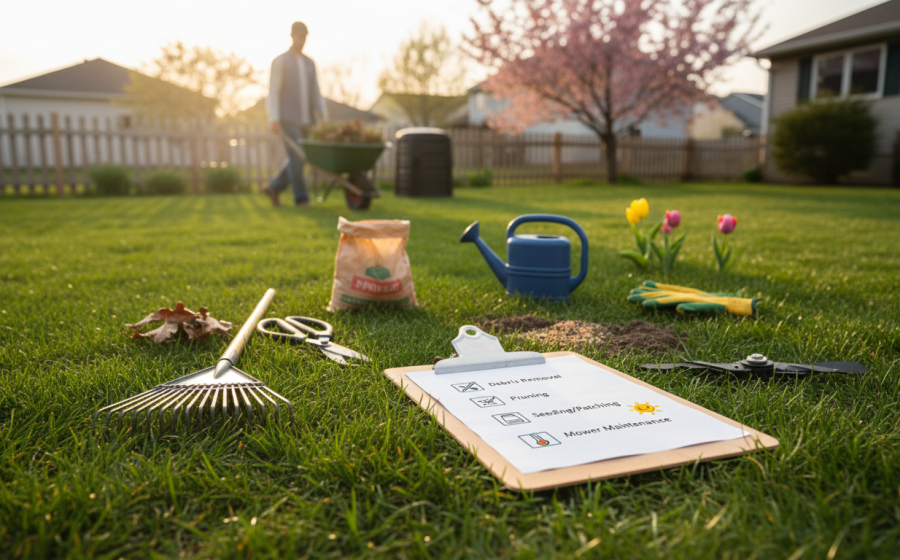
Spring Yard Cleanup Checklist: What Minneapolis Homeowners Need to Know
Spring Lawn Cleanup Checklist for Minneapolis
As winter loosens its grip on Minneapolis, the promise of a lush, green lawn beckons. But before you can enjoy your outdoor space, a thorough spring lawn cleanup is essential. This spring lawn cleanup checklist is specifically tailored for Minneapolis homeowners, addressing the unique challenges our lawns face after enduring harsh winters and heavy snow. From removing winter debris to preparing your soil for new growth, this guide will help you achieve a healthy and vibrant lawn this season.
A well-executed spring cleanup not only enhances your lawn's appearance but also promotes healthy growth by removing dead organic matter, improving air circulation, and preventing disease. By following this comprehensive checklist, you'll give your Minneapolis lawn the best possible start to the growing season, ensuring a beautiful and enjoyable outdoor space for the months ahead.
Phase 1: Removing Winter Debris and Damage
The first step in any spring lawn cleanup is to remove the accumulation of leaves, branches, and other debris that have gathered over the winter months. This debris can smother your grass, preventing sunlight and air from reaching the new growth. Removing this material is crucial for preventing mold and other diseases that thrive in damp, dark conditions.
For debris removal, a leaf rake is your best friend. Use it gently to avoid damaging emerging grass blades. Be especially careful around areas where snow mold may be present. Snow mold appears as circular, discolored patches and can be exacerbated by aggressive raking. If you find vole damage, which appears as shallow tunnels through the grass, lightly rake the area to encourage regrowth.
While raking is essential, avoid overdoing it. Raking too aggressively can damage delicate new grass blades and disturb the soil. Focus on removing the debris without tearing or uprooting the grass. A light touch is key to a successful spring lawn cleanup, especially in Minneapolis where lawns are just emerging from winter dormancy.
Phase 2: Essential Lawn Care Tasks
Once the debris is cleared, it's time to tackle the core lawn care tasks that will set the stage for a healthy growing season. These tasks include mowing, dethatching, aerating, and overseeding, each playing a vital role in revitalizing your Minneapolis lawn.
The timing of your first mow is crucial. Wait until the grass has reached a height of about 3 inches before mowing, and never remove more than one-third of the grass blade in a single mowing. This prevents stress on the grass and encourages healthy root growth. A sharp mower blade is essential for a clean cut, which reduces the risk of disease.
Dethatching is the process of removing the layer of dead organic matter (thatch) that accumulates between the grass blades and the soil surface. A thick layer of thatch can prevent water, air, and nutrients from reaching the roots. For Minneapolis lawns, dethatching is generally recommended if the thatch layer is thicker than ½ inch. A power rake or vertical mower can be used for this task.
Aeration is another essential task, especially for Minneapolis lawns with heavy clay soils. Core aeration, which involves removing small plugs of soil, is preferred over spike aeration because it relieves soil compaction and improves drainage. Clay soil tends to compact easily, hindering root growth and water infiltration. Many rental aerators are too light to effectively penetrate clay-heavy soil, so ask the rental place about the machine's weight and tine depth to ensure it's up to the task.
Overseeding involves spreading grass seed over your existing lawn to fill in bare spots and thicken the turf. Choose a grass seed blend that is well-suited for Minneapolis' climate and soil conditions. Kentucky bluegrass, fine fescues, and perennial ryegrass are common choices. For shaded lawns, be sure to select a blend designed for less sunlight. You can improve your lawn's health and appearance by using the right fertilizer for shaded lawns.
Phase 3: Garden Bed and Landscape Maintenance
Spring lawn cleanup isn't just about the grass; it also includes preparing your garden beds and maintaining the overall landscape. These tasks will ensure that your entire outdoor space is ready for the growing season.
Start by cleaning out your garden beds, removing any dead leaves, weeds, and debris that have accumulated over the winter. Loosen the soil with a garden fork or tiller, and add compost or other organic matter to improve soil fertility. This will provide your plants with the nutrients they need to thrive. Next, apply a layer of mulch to help retain moisture, suppress weeds, and regulate soil temperature. Wood chips, shredded bark, and straw are all good choices for Minneapolis gardens.
Pruning is an important part of spring landscape maintenance. Prune trees and shrubs to remove dead, damaged, or diseased branches. Spring-flowering shrubs should be pruned after they bloom, while summer-flowering shrubs can be pruned in early spring. Always use sharp, clean pruning tools to prevent the spread of disease.
Finally, inspect your hardscapes, such as patios and walkways, for any damage that may have occurred over the winter. Check for cracks, loose stones, or uneven surfaces. Small cracks may be cosmetic, but larger cracks could indicate structural issues that need to be addressed. Addressing these issues early will prevent further damage and ensure the safety of your outdoor space.
Phase 4: Irrigation and Pest/Disease Prevention
With the lawn and garden beds prepped, it's time to focus on irrigation and preventative measures against pests and diseases. These steps will help ensure that your lawn stays healthy and vibrant throughout the growing season.
Start by inspecting your irrigation system for any damage that may have occurred over the winter. Check for leaks, broken sprinkler heads, and clogged nozzles. Common failure points include frozen pipes and damaged sprinkler heads. Repair any issues promptly to ensure that your lawn receives adequate water throughout the season.
Minneapolis lawns are susceptible to several common diseases during the spring, including snow mold, dollar spot, and brown patch. Preventative measures include proper mowing, watering, and fertilization practices. Avoid overwatering, which can create a favorable environment for disease.
Instead of applying broad-spectrum pesticides preventatively, monitor your lawn for signs of pests and diseases and treat only when necessary. This approach minimizes the impact on beneficial insects and the environment. The University of Minnesota Extension provides valuable resources for identifying and managing lawn diseases. The University of Minnesota Extension is a great resource for local lawn care information.
Is a DIY Spring Cleanup Right for You? When to Call the Pros
While this spring lawn cleanup checklist provides a comprehensive guide for DIY enthusiasts, it's important to assess whether a DIY approach is the right choice for you. Consider your physical capabilities, time constraints, and the extent of the cleanup required. If you have a large property, limited time, or physical limitations, hiring a professional may be a more practical option.
Estimating the cost of DIY cleanup versus professional services is also crucial. DIY cleanup involves the cost of tools, equipment rentals, and materials like fertilizer and mulch. Professional services may seem more expensive upfront, but they can save you time, effort, and potential mistakes. For many homeowners, the convenience and expertise of a professional are well worth the investment.
At Peter Doran Lawn, we understand the demands of modern life. Our spring yard cleanup services can save you valuable time and effort, ensuring a healthy and vibrant lawn without the hassle. We've been serving the Minneapolis area since 1993, and our clients praise the thoroughness of our spring cleanup services, as well as the responsiveness and courtesy of our team. We strive to leave every lawn "neat and clean," ready for a beautiful growing season.
Frequently Asked Questions
What specific types of debris are most common on Minneapolis lawns after winter?
Minneapolis lawns often accumulate a mix of leaves, branches, and dead grass after winter. The weight of snow can also lead to matted-down areas and broken branches. Additionally, you might find remnants of winter ice melt products, which can affect soil pH and grass health.
What are the most common signs of snow mold damage on lawns?
Snow mold typically appears as circular patches of discolored grass, ranging from grayish-white to pinkish-orange. The grass blades may be matted together and feel slimy. These patches are most visible as the snow melts and can persist if not treated properly.
How does clay soil affect aeration and dethatching techniques?
Clay soil's density requires more robust aeration techniques, such as core aeration, to effectively relieve compaction. Dethatching clay soil can be more challenging, as the thatch tends to bind tightly to the soil surface. Using a power rake or vertical mower with adjustable settings is recommended to avoid damaging the grass.
Enjoy a Beautiful Minneapolis Lawn This Spring
By following this spring lawn cleanup checklist, you'll set the stage for a healthy and vibrant lawn in Minneapolis. From removing winter debris and addressing lawn damage to preparing garden beds and preventing pests and diseases, each step is crucial for revitalizing your outdoor space.
While a DIY approach can be rewarding, achieving a pristine lawn requires time, effort, and expertise. At Peter Doran Lawn, we're committed to providing dependable, quality service with excellence. Our experienced team uses the best products available on the market and stands by our workmanship 100%.
Recent Comments