- (763) 595-1440
- info@peterdoranlawn.com
- 14360 James Rd, Rogers, MN

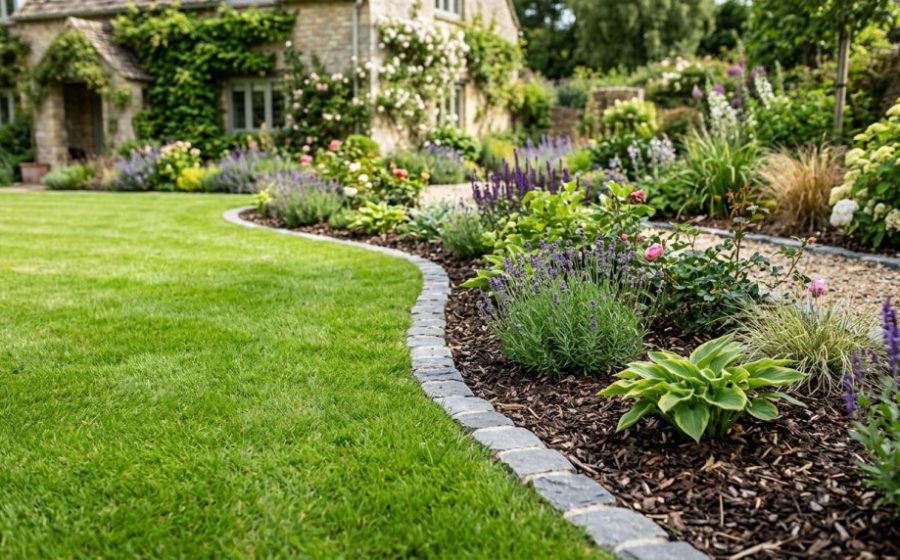
Beyond the Mow: Professional Edging for Minneapolis
A beautifully maintained yard often seems effortless, but behind every pristine lawn and perfectly defined garden bed lies careful planning and execution. One of the most impactful yet often overlooked elements in achieving this polished look is landscape edging. For homeowners in Minneapolis, understanding what is landscape edging and its benefits can transform an ordinary yard into an extraordinary outdoor space, creating clear distinctions between various landscape elements and enhancing overall curb appeal.
This foundational technique not only elevates aesthetics but also serves crucial practical functions, from preventing grass encroachment to simplifying maintenance. As we explore the intricacies of landscape edging, we will delve into its diverse applications and the specific considerations that make it indispensable for properties across the Twin Cities.
What Exactly is Landscape Edging? A Minneapolis Perspective
Landscape edging fundamentally serves as a physical and visual barrier, delineating distinct areas within your outdoor space. Beyond its aesthetic contribution, its core function is to maintain order, preventing materials like mulch from scattering into the lawn or grass from creeping into garden beds.
This deliberate separation creates a ‘clean line’ that instantly elevates the perceived neatness and design intentionality of a landscape. In a typical Minneapolis yard, you’ll commonly find edging used to define the borders of flower beds, frame walkways, encircle trees, or separate gravel paths from turf. Defining these boundaries is crucial for both visual appeal and practical maintenance, ensuring each element of your landscape remains in its designated place and contributes to a cohesive, well-groomed appearance.
The Undeniable Benefits of Landscape Edging
Implementing effective landscape edging offers a multitude of advantages that extend far beyond mere aesthetics, contributing significantly to both the beauty and functionality of your outdoor environment. These benefits are particularly pronounced in Minneapolis, where distinct seasons and varied landscapes demand robust solutions.
Firstly, edging provides superior weed and grass control by creating a physical barrier that prevents turf from invading garden beds and vice versa. This significantly reduces the time and effort required for weeding, allowing your plants to thrive without competition.
Secondly, it helps contain mulches, gravel, and other ground covers within their designated areas, preventing washout during heavy rains or displacement by wind, which is a common challenge in our climate. This containment keeps your landscape materials where they belong, reducing waste and maintaining a tidy appearance. Finally, the crisp lines created by professional landscape edging dramatically enhance curb appeal, giving your property a polished and intentional look that stands out. This visual definition elevates the entire landscape, making it appear more organized and professionally maintained.
Enhancing Aesthetic Appeal
The visual impact of well-executed landscape edging cannot be overstated, as it acts as a frame for your garden, much like a picture frame enhances a piece of art. It introduces a sense of order and sophistication, transforming disparate elements into a cohesive design.
By creating distinct boundaries, edging highlights the unique textures and colors of your plants and hardscaping, drawing the eye to intentional design choices. This clarity of definition makes the entire landscape appear more expansive and thoughtfully curated, significantly boosting your property’s overall curb appeal. A clean, defined edge communicates meticulous care and attention to detail, leaving a lasting impression on visitors and passersby alike.
Practical Maintenance Advantages
Beyond its visual contributions, landscape edging delivers substantial practical benefits, particularly in simplifying ongoing yard maintenance. One of its primary roles is to act as a formidable barrier against grass and weeds, preventing them from encroaching into garden beds and reducing the need for constant trimming and weeding.
This containment also ensures that mulches, decorative stones, or soil remain precisely where they are intended, preventing them from washing onto pathways or lawns during rain or strong winds. Consequently, the time spent on routine upkeep, such as raking displaced materials or hand-weeding invasive grasses, is significantly reduced. The clear separation also makes mowing easier and safer, as there’s a defined edge to follow, minimizing accidental damage to plants or garden features.
Choosing the Right Materials for Your Minneapolis Landscape Edging
Selecting the appropriate material for your landscape edging is a critical decision that impacts both the aesthetic and longevity of your outdoor design, especially given Minneapolis’s distinct climate challenges. Each material offers a unique combination of durability, visual style, and maintenance requirements.
Common options include durable plastics, various metals like steel or aluminum, natural stone, brick, and even concrete, each suited for different applications and design preferences. The choice should align with your existing landscape architecture, desired level of formality, and the specific functional demands of the area being edged. Considering factors such as freeze-thaw cycles, soil conditions, and the amount of foot traffic the area receives will guide you toward the most effective and resilient solution for your property.
Plastic Edging
Plastic edging is often chosen for its affordability and ease of installation, making it a popular DIY option for many homeowners. It typically comes in rolls, offering flexibility to create curved designs and adapt to various garden shapes.
While it provides a basic barrier against grass and mulch migration, plastic edging can be less durable than other materials, sometimes cracking or becoming brittle over time due to UV exposure and Minneapolis’s temperature fluctuations. Its aesthetic can also be less refined, often blending into the background rather than making a distinct design statement. For temporary solutions or areas where budget is the primary concern, plastic can be a viable choice, but it may require more frequent replacement compared to more robust options.
Metal Edging (Steel, Aluminum)
Metal edging, particularly steel and aluminum, offers a sleek, modern aesthetic combined with exceptional durability and strength. Steel provides a robust, long-lasting barrier that can withstand significant impact and the rigors of Minnesota’s weather, often developing a desirable patina over time.
Aluminum, while lighter, is also highly durable, corrosion-resistant, and comes in various finishes, offering excellent flexibility for intricate designs. Both metals create very clean, sharp lines that enhance a contemporary landscape design and effectively prevent grass and weed encroachment. Though the initial investment may be higher than plastic, the longevity and minimal maintenance requirements of metal edging often make it a cost-effective choice in the long run.
Stone and Brick Edging
Stone and brick edging bring a timeless, natural, and often more formal aesthetic to any landscape, seamlessly integrating with traditional and rustic designs. These materials offer exceptional durability and stability, creating a robust barrier that can define garden beds, walkways, and patios with enduring charm.
The variety of colors, textures, and sizes in natural stone and brick allows for highly customized designs, from tightly laid courses to more informal, naturalistic borders. While installation can be more labor-intensive and costly due to the weight and precision required, the resulting look is undeniably sophisticated and long-lasting. For those considering more extensive hardscaping, understanding the nuances of retaining wall installation durability and material options can provide valuable context for selecting complementary edging.
Concrete Edging
Concrete edging offers unparalleled durability and a high degree of customization, as it can be poured in place to create seamless, continuous borders. This material is exceptionally long-lasting, resistant to shifting, and provides a very strong barrier against grass and weed invasion.
With options for staining, stamping, and various finishes, concrete edging can mimic the look of stone or brick, or stand alone with a modern, minimalist appeal. While the initial installation requires specialized equipment and expertise, the result is a permanent, low-maintenance solution that adds significant value and definition to a landscape. Its robust nature makes it an excellent choice for high-traffic areas or where a permanent, unyielding boundary is desired.
Professional Installation vs. DIY: Why Expertise Matters for Landscape Edging in Minneapolis
While the idea of a DIY landscape edging project might seem appealing, the complexities involved, especially in a climate like Minneapolis, often make professional installation the superior choice. Achieving truly effective and long-lasting edging requires more than just laying down materials; it demands precision, proper site preparation, and an understanding of local conditions.
Professionals possess the specialized tools and experience to ensure the edging is installed correctly, preventing common issues like shifting, uneven lines, or inadequate weed barriers. Their expertise guarantees a finish that not only looks impeccable but also performs its function reliably for years to come. This investment in professional service ultimately saves time, avoids costly mistakes, and delivers a far more durable and aesthetically pleasing result than most DIY attempts.
The Pitfalls of DIY Edging
Attempting to install landscape edging yourself can lead to several common problems that undermine both its appearance and functionality. One frequent issue is improper trenching, which can result in uneven lines, unstable edging that shifts over time, or insufficient depth to effectively block grass roots.
Without the right tools, achieving clean cuts and precise angles, especially with rigid materials like metal or stone, becomes incredibly difficult, leading to a visibly amateurish finish. Furthermore, an inexperienced installer might overlook critical drainage considerations, potentially creating water pooling issues or undermining the stability of the edging. These pitfalls often necessitate costly repairs or complete reinstallation, ultimately negating any initial savings from a DIY approach.
The Peter Doran Lawn Advantage: Quality and Timely Service
At Peter Doran Lawn, we understand that professional landscape edging is an investment in your property’s long-term beauty and functionality. Our team brings over 30 years of experience to every project, ensuring that your edging is installed with meticulous precision and an understanding of Minneapolis’s unique environmental demands.
We utilize only the best products available on the market, ensuring a long-lasting appearance and standing by our workmanship 100%. Our experienced landscape crews are adept at working with a variety of materials, from natural stone to durable metals, tailoring solutions that perfectly complement your home’s aesthetic and practical needs. This commitment to quality and timely service means you receive a dependable, durable, and visually stunning result that enhances your curb appeal and simplifies your lawn care for years to come.
Integrating Edging with Overall Landscape Design
Landscape edging is not merely a functional barrier; it is an integral design element that profoundly influences the overall aesthetic and flow of your outdoor space. When thoughtfully integrated, it can unify diverse landscape features, guide the eye, and create a harmonious environment.
Considering the existing architecture of your home, the style of your garden, and the types of plants you cultivate is crucial in selecting an edging material and design that complements rather than clashes. The goal is to create seamless transitions and visual interest, ensuring that each edge contributes to a cohesive and intentional landscape. This holistic approach ensures that your edging enhances the entire design, rather than appearing as an afterthought.
Harmonizing with Your Home’s Architecture
The choice of landscape edging should ideally echo and enhance the architectural style of your Minneapolis home, creating a seamless transition from structure to garden. For a modern home with clean lines, sleek metal or concrete edging can reinforce that contemporary aesthetic, offering crisp, minimalist boundaries.
Conversely, a traditional or craftsman-style home might benefit from the classic appeal of brick or natural stone, which can soften edges and add a sense of established elegance. The goal is to select materials and forms that feel like a natural extension of your home’s design, ensuring visual harmony across your entire property. This thoughtful integration creates a cohesive look that elevates both your home and its surrounding landscape.
Creating Visual Flow and Definition
Effective landscape edging plays a pivotal role in establishing visual flow and clear definition within your outdoor space, guiding the eye and organizing different elements. By creating distinct lines, edging can lead visitors along pathways, highlight focal points like a specimen tree, or delineate the graceful curves of a garden bed.
This deliberate structuring prevents the landscape from appearing chaotic or undefined, instead presenting a series of intentional spaces that connect harmoniously. The choice between straight, angular lines and soft, flowing curves can dramatically alter the perception of space, influencing whether an area feels formal and structured or natural and inviting. Ultimately, well-planned edging ensures that every part of your landscape contributes to a unified and aesthetically pleasing composition.
Common Edging Mistakes to Avoid in Minneapolis Landscapes
Even with the best intentions, several common mistakes can undermine the effectiveness and appearance of landscape edging, particularly in the unique environmental context of Minneapolis. Avoiding these pitfalls is crucial for achieving a durable and aesthetically pleasing result.
One frequent error is improper depth, where edging is installed too shallow, allowing grass and weeds to easily creep over or under the barrier, or too deep, making it visually disappear. Another common mistake is failing to adequately prepare the site, leading to uneven lines, unstable materials, or poor drainage. Additionally, choosing materials that are unsuitable for the local climate or the intended use can result in premature degradation or constant maintenance issues, highlighting the importance of informed decision-making.
Ignoring Drainage and Soil Conditions
A critical oversight in landscape edging is neglecting to consider the existing drainage patterns and soil conditions of your property. Improperly installed edging can inadvertently create dams, causing water to pool in undesirable areas and potentially harming plant roots or eroding soil.
In Minneapolis, where freeze-thaw cycles are common, unstable soil or poor drainage can lead to edging heaving or shifting over time, compromising its integrity and appearance. Professionals assess these factors upfront, designing and installing edging solutions that promote proper water flow and remain stable through seasonal changes. This proactive approach prevents future problems and ensures the longevity of your landscape investment.
Choosing the Wrong Material for the Job
Selecting an edging material that is ill-suited for its specific application or the local climate is a common and costly mistake. For instance, using lightweight plastic edging in a high-traffic area or where aggressive grass types are present will likely result in it being ineffective and requiring frequent repairs or replacement.
Similarly, certain materials may not withstand Minneapolis’s harsh winters, leading to cracking, warping, or deterioration. It is essential to match the material’s durability, flexibility, and aesthetic qualities to the specific demands of the site, considering factors like sun exposure, soil type, and the desired level of maintenance. An informed choice ensures the edging performs its function effectively and maintains its appearance for many years.
Beyond Edging: Comprehensive Landscape Solutions from Peter Doran Lawn
While landscape edging is a fundamental element in creating a refined outdoor space, it is just one component of a truly comprehensive landscape design. At Peter Doran Lawn, we understand that a beautiful and functional yard requires a holistic approach, integrating various services to achieve a cohesive vision.
Our expertise extends far beyond just defining borders; we offer a full spectrum of landscape design and installation services, ensuring every aspect of your property works in harmony. From initial concept to final execution, we provide solutions that enhance both the aesthetics and usability of your outdoor living areas. This integrated approach guarantees that your landscape not only looks stunning but also thrives in the Minneapolis environment.
Our Approach to Integrated Landscape Design
Our integrated landscape design philosophy at Peter Doran Lawn focuses on creating outdoor spaces that are both beautiful and sustainable, tailored to the specific needs and desires of our Minneapolis clients. We begin by understanding your vision, assessing your property’s unique characteristics, and considering the local climate.
This comprehensive planning ensures that all elements, from plant selection and hardscaping to irrigation and lighting, work together seamlessly. Our experienced landscape designer collaborates with you to develop a plan that maximizes curb appeal, enhances functionality, and provides long-term enjoyment. By considering the entire ecosystem of your yard, we deliver a cohesive and enduring landscape that reflects your personal style and complements your home.
Connecting to Broader Landscape Needs
Effective landscape edging is often the starting point for a broader transformation, connecting to other essential services that enhance your property’s value and enjoyment. For instance, well-defined garden beds created by edging naturally lead to discussions about appropriate planting schemes and soil health.
Similarly, the establishment of clear pathways and patios, often framed by edging, opens up opportunities for outdoor living spaces and entertainment areas. Our comprehensive service offerings ensure that we can address all these interconnected needs, from initial design concepts to ongoing maintenance. Whether it’s the precise application of fertilizer or the strategic placement of new shrubs, every service contributes to a unified and thriving landscape.
FAQs About Landscape Edging
How long does landscape edging typically last in Minneapolis?
The lifespan of landscape edging in Minneapolis largely depends on the material chosen and the quality of installation. Plastic edging might last 5-10 years before showing signs of wear from UV exposure and freeze-thaw cycles, while metal edging (steel or aluminum) can easily last 20-30 years or more with minimal maintenance.
Stone, brick, and concrete edging offer the longest durability, often lasting 50 years or even a lifetime if properly installed and maintained, making them excellent long-term investments. Professional installation significantly extends the life of any material by ensuring proper groundwork and stability.
Can landscape edging help with water runoff issues?
Yes, landscape edging can play a significant role in managing water runoff, though its primary function is not drainage. When strategically placed, edging can help direct surface water away from foundations, patios, or sensitive garden areas, preventing erosion and pooling.
For example, a slightly raised edge around a garden bed can prevent mulch and soil from washing onto a pathway during heavy rains. However, for severe drainage problems, a comprehensive solution involving grading, French drains, or other specialized techniques would be necessary, often working in conjunction with effective edging.
Is natural edging a viable alternative to manufactured materials?
Natural edging, typically created by cutting a sharp, V-shaped trench between a lawn and garden bed, can be a viable and aesthetically pleasing alternative to manufactured materials. It offers a very organic and seamless look, blending effortlessly with the landscape without introducing artificial elements.
While it requires regular maintenance, such as re-cutting the trench every few weeks to maintain its crispness, it can be an excellent choice for those seeking a soft, understated boundary. This method is particularly effective in areas where a subtle transition is desired and where the homeowner is committed to consistent upkeep.
What are the signs of poorly installed landscape edging?
Several signs indicate poorly installed landscape edging, which can detract from your yard’s appearance and functionality. Common indicators include uneven lines or inconsistent height, where the edging appears wavy or dips in certain sections instead of maintaining a uniform level.
Another clear sign is shifting or heaving, especially after freeze-thaw cycles, suggesting inadequate trenching or improper material anchoring. You might also notice grass or weeds growing directly over or under the edging, indicating it’s not deep enough or lacks a proper barrier. Finally, if mulch or gravel consistently spills out of the bed, the edging is likely not providing sufficient containment.
Understanding what is landscape edging and its profound impact on your outdoor space is the first step toward achieving a truly refined and manageable yard. From defining garden beds to preventing grass encroachment, professional edging offers both aesthetic enhancement and practical benefits that elevate your property’s appeal and simplify maintenance.
At Peter Doran Lawn, we believe that every detail contributes to the overall beauty and functionality of your landscape. Our experienced team brings precision, quality materials, and a deep understanding of Minneapolis’s unique environment to every edging project, ensuring a durable and visually stunning result that stands the test of time.
Recent Comments