- (763) 595-1440
- info@peterdoranlawn.com
- 14360 James Rd, Rogers, MN


Quality Lawn Care: Standards for a Thriving Landscape
Quality lawn care transcends mere aesthetics, establishing a foundation for a resilient, vibrant turf ecosystem. It is defined by a holistic, science-backed approach that cultivates long-term health, rather than just superficial appearance.
This involves meticulous attention to soil biology, nutrient cycling, integrated pest management, and precise seasonal adaptation. Understanding these core principles is essential for anyone seeking to achieve and maintain a truly exceptional lawn, ensuring stronger roots, enhanced disease resistance, and environmental well-being.
The pursuit of a healthy landscape requires consistent application of best practices, informed by deep expertise in agronomy and local ecological conditions. When these standards are met, a lawn becomes more than just a patch of grass; it transforms into a thriving component of the property, contributing to curb appeal and ecological balance.
This page outlines the essential services, seasonal considerations, and quality benchmarks that define truly exceptional lawn care.
Defining Quality Lawn Care: Beyond Mowing and Trimming
Quality lawn care is fundamentally about cultivating a healthy, vibrant turf ecosystem through a holistic, science-backed methodology. It extends far beyond the routine tasks of cutting grass and involves a deep understanding of the biological and environmental factors that influence lawn health. This comprehensive approach integrates soil analysis, nutrient management, proactive pest and disease prevention, and precise seasonal adaptation to foster long-term vitality.
The long-term benefits of this methodology are substantial, including stronger root systems, increased resistance to environmental stressors, reduced susceptibility to pests and diseases, and improved water retention. A truly healthy lawn contributes positively to its surroundings, enhancing air quality and supporting local biodiversity.
Professionals with extensive experience, like the team at Peter Doran Lawn, apply these comprehensive methodologies to ensure sustained health and aesthetic appeal for both residential and commercial properties.
The Pillars of a Thriving Lawn: Soil, Nutrition, Water, and Protection
A truly thriving lawn is built upon four interconnected pillars: healthy soil, optimal nutrition, effective watering, and integrated protection. Each component plays a critical role in the overall vitality and resilience of the turf, and understanding their interplay is fundamental to achieving superior results.
Soil Health: The Foundation Below
Soil is the bedrock of any healthy lawn. Its composition, pH balance, organic matter content, and microbial activity directly influence nutrient availability and root development. Quality soil health involves regular assessment to identify deficiencies or imbalances, ensuring the root system has the ideal environment to absorb water and nutrients efficiently.
Practices such as aeration and dethatching are crucial for maintaining proper soil structure, preventing compaction, and promoting beneficial microbial life.
Optimal Nutrition: Fueling Growth
Providing the right nutrients in the correct balance is vital for vigorous growth and vibrant color. This requires more than just generic fertilizer application; it involves understanding the specific needs of the turf based on soil test results and seasonal demands.
A balanced fertilization program, incorporating essential macro and micronutrients, supports strong blade growth, robust root development, and enhanced disease resistance. Licensed technicians understand how to apply the best products available on the market for precise, targeted nutrition.
Effective Watering: Hydration for Life
Proper irrigation is not just about applying water; it’s about applying the right amount at the right time. Overwatering can lead to fungal diseases and nutrient leaching, while underwatering causes stress and dormancy.
Quality watering practices focus on deep, infrequent irrigation to encourage deeper root growth, making the lawn more drought-resistant. Consideration of local climate, soil type, and grass species is essential for developing an effective watering strategy.
Integrated Protection: Proactive Defense
Integrated protection involves a proactive approach to managing pests, weeds, and diseases, minimizing their impact while promoting overall lawn health. This includes identifying specific threats, applying targeted treatments, and implementing cultural practices that naturally deter problems.
For instance, proper mowing height and fertilization can make a lawn less hospitable to weeds and pests. Licensed technicians are equipped to identify issues early and apply appropriate, environmentally responsible solutions to maintain turf integrity.
Essential Lawn Care Services: Purpose and Precision
Effective lawn care relies on a suite of specialized services, each executed with precision and a clear understanding of its contribution to overall turf health. These services, when performed by experienced professionals, ensure a lawn remains vibrant and resilient throughout the year.
Mowing & Edging: Aesthetic and Health Benefits
Beyond simply trimming grass, quality mowing involves maintaining the optimal height for the specific turf type, using sharp blades to ensure a clean cut that minimizes stress on the grass plant.
Proper edging defines the boundaries of the lawn, creating a clean, manicured appearance that enhances curb appeal. Consistent, professional mowing prevents scalping, promotes even growth, and reduces the likelihood of disease.
Fertilization & Weed Control: Targeted Nutrient Management
A comprehensive fertilization and weed control program is critical for a healthy lawn. This involves the application of high-quality fertilizers tailored to seasonal needs and soil composition, ensuring the grass receives essential nutrients for robust growth.
Licensed technicians apply targeted weed control treatments to eliminate invasive plants without harming the turf. The timing and accuracy of these applications are paramount, preventing weed proliferation and supporting a dense, healthy lawn.
For properties in areas like St. Paul, MN, or Shorewood, MN, understanding local soil and climate conditions is key to effective treatment.
Dethatching & Aeration: Soil Revitalization
Dethatching removes the layer of dead grass and organic matter (thatch) that accumulates between the soil surface and the green grass blades. Excessive thatch can impede water and nutrient penetration and harbor pests.
Aeration involves creating small holes in the soil to alleviate compaction, allowing air, water, and nutrients to reach the root zone more effectively. Both services are vital for improving soil structure, promoting stronger root growth, and enhancing the lawn’s ability to absorb essential resources.
Seeding & Renovation: Restoring and Enhancing Turf
Over time, lawns can thin due to environmental stress, disease, or heavy use. Seeding and renovation services, including slit seeding, are designed to revitalize existing turf or establish new grass. This involves selecting the appropriate grass species for the local climate and conditions, preparing the seedbed, and ensuring proper establishment. Expert application of these services results in a denser, more uniform, and healthier lawn, improving its resilience and appearance.
Fall Leaf Clean-up and Bed Weeding: Seasonal Maintenance
Fall leaf clean-up is essential to prevent suffocating the lawn and harboring fungal diseases over winter. Removing fallen leaves allows sunlight to reach the grass and prevents matting. Bed weeding maintains the aesthetic appeal and health of landscape beds, preventing weeds from competing with desired plantings for nutrients and water.
These seasonal tasks are integral to a comprehensive lawn care plan, ensuring the entire property remains well-maintained and healthy.
Seasonal Strategies for Year-Round Lawn Excellence
Achieving year-round lawn excellence requires a dynamic approach that adapts to the distinct needs of the turf across different seasons. A quality lawn care program is not static; it evolves with the climate, ensuring proactive care and sustained health. This is particularly true in regions with pronounced seasonal changes, such as Minnesota.
In spring, the focus shifts to awakening the lawn from dormancy. This typically involves initial fertilization to promote vigorous growth, pre-emergent weed control to prevent crabgrass and other annual weeds, and aeration to alleviate winter compaction. As summer progresses, the emphasis moves to maintaining health through proper mowing heights, targeted weed and pest control, and strategic watering to combat heat stress and drought.
For properties in areas like Victoria, MN, or St. Michael, MN, understanding the specific microclimates and soil types influences the precise timing and type of applications.
Fall is a critical period for preparing the lawn for winter dormancy. This often includes a final fertilization application to strengthen roots, overseeding to repair summer damage and thicken the turf, and thorough leaf clean-up to prevent disease and smothering.
These seasonal adjustments, executed with expertise, ensure the lawn remains robust and vibrant, minimizing stress and maximizing its natural defenses against environmental challenges.
Choosing a Lawn Care Partner: Standards for Dependable Quality
Selecting a lawn care provider involves evaluating several key standards that define dependable quality and long-term value. The right partner will demonstrate expertise, reliability, and a commitment to superior results, ensuring your landscape thrives.
Experience & Expertise
A provider’s experience and the expertise of its staff are paramount. Look for companies with a proven track record, indicating a deep understanding of turf science, local climate conditions, and effective treatment methodologies. Licensed technicians for fertilization and weed control, along with experienced landscape designers, signify a commitment to professional standards and informed decision-making. A company with 30 years of operation, for example, brings invaluable knowledge to every project.
Comprehensive Service Offerings
A quality lawn care provider offers a full spectrum of services, from routine maintenance like mowing, trimming, and edging, to specialized treatments such as fertilization, weed control, dethatching, and aeration. This comprehensive capability ensures all aspects of lawn health are addressed by a single, coordinated team, leading to more consistent and effective results. The ability to handle both residential and commercial needs further indicates versatility and capacity.
Quality Products & Equipment
The effectiveness of lawn care services is directly tied to the quality of products and equipment used. A reputable provider will utilize only the best products available on the market, ensuring long-lasting appearance and optimal health without compromising environmental integrity. Similarly, well-maintained, reliable equipment is crucial for efficient and precise service delivery.
Dependability & Timeliness
Consistent scheduling, timely service, and clear communication are hallmarks of a dependable lawn care partner. You should expect services to be performed as scheduled, with responsiveness to any concerns or questions. A provider with multiple experienced crews demonstrates the capacity to deliver consistent service even during peak seasons.
Customer Satisfaction & Workmanship Guarantee
A strong commitment to customer satisfaction, backed by a workmanship guarantee, provides peace of mind. This indicates that the provider stands behind their work and is dedicated to achieving the desired outcomes. A company that guarantees its workmanship 100% signals confidence in its services and a focus on client trust.
Lawn Care: Defining Excellence
Quality lawn care is fundamentally about cultivating a healthy, vibrant turf ecosystem through a holistic, science-backed approach. It encompasses more than just cutting grass, involving meticulous attention to soil biology, nutrient cycling, integrated pest management, and precise seasonal adaptation. The goal is to foster long-term vitality, ensuring stronger roots, enhanced disease resistance, and environmental well-being.
The standards for excellence in this field are built upon four core pillars: optimal soil health, balanced nutrition, effective watering practices, and integrated protection against pests and diseases. Essential services such as precise mowing, targeted fertilization and weed control, dethatching, aeration, and strategic seeding are executed with careful consideration for their specific purpose and contribution to overall turf health. These services are most effective when adapted to seasonal demands and local environmental conditions.
When evaluating a lawn care provider, key criteria include extensive experience and expertise, a comprehensive range of services, the use of high-quality products and reliable equipment, consistent dependability and timeliness, and a strong commitment to customer satisfaction backed by a workmanship guarantee. Adhering to these principles ensures a lawn that is not only aesthetically pleasing but also robust, resilient, and thriving.
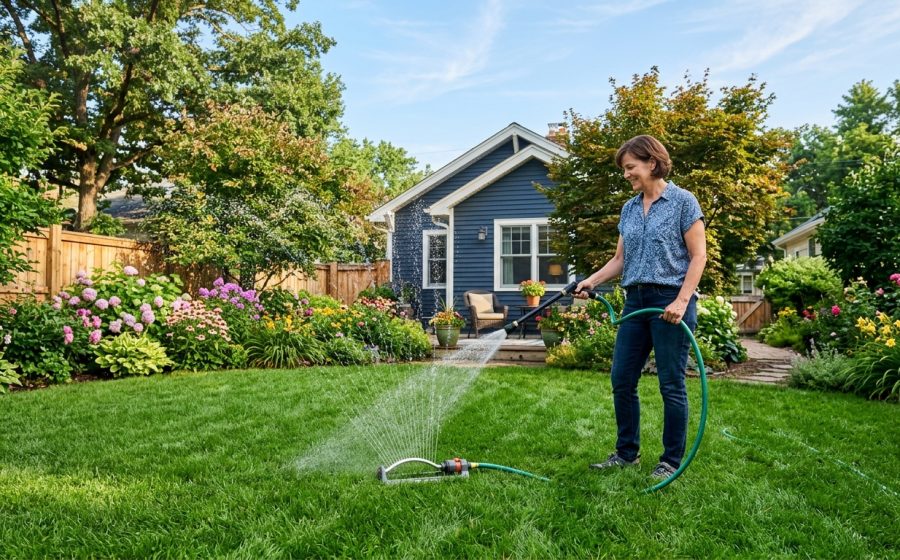
Essential August Lawn Care for Minneapolis Lawns
August presents a unique set of challenges and opportunities for maintaining a healthy lawn in Minneapolis. As summer progresses, the combination of heat, humidity, and potential drought conditions can stress even the most robust turf. Effective lawn care in Minneapolis requires a strategic approach to watering, fertilization, and pest management to ensure your lawn remains vibrant and resilient as it transitions towards fall.
Understanding the specific needs of your lawn during this critical month is paramount. This period is not just about survival; it’s about setting the stage for strong recovery and growth in the cooler seasons. Proper care now can prevent long-term damage and reduce the effort required to rejuvenate your lawn later.
We will dive into the essential practices that will help your lawn thrive through the late summer heat. From precise watering techniques to proactive pest control, each step is designed to address the unique environmental factors present in the Minneapolis area during August.
Strategic Watering for August Lawn Care Minneapolis
Watering is arguably the most critical aspect of August lawn care in Minneapolis, especially given the potential for extended dry spells and high temperatures. The goal is to provide deep, infrequent watering that encourages roots to grow deeper, making the turf more drought-tolerant.
Shallow, frequent watering, on the other hand, promotes weak, surface-level roots that are highly susceptible to drying out. This approach can also lead to increased disease pressure and weed germination, counteracting your efforts to maintain a healthy lawn.
The specific watering needs of your lawn will vary based on grass type, soil composition, and current weather conditions. Observing your lawn for signs of stress, such as a dull, bluish-gray tint or footprints that remain visible, indicates it’s time to water.
Understanding Minneapolis Soil Types and Their Impact on Watering
Minneapolis features a diverse range of soil types, from heavy clays to loamy sands, each with distinct water retention characteristics. Clay soils, common in many parts of the metro area, hold water for longer periods but can become compacted, leading to runoff if watered too quickly. Sandy soils drain rapidly, requiring more frequent but still deep watering to ensure moisture reaches the root zone.
Understanding your specific soil type is crucial for tailoring an effective watering schedule that prevents both underwatering and overwatering. A simple soil test can reveal your soil’s composition and pH, providing valuable insights for optimizing your lawn care regimen. This knowledge allows for more efficient water use, conserving resources while promoting robust turf health.
Optimal Watering Times and Techniques
The best time to water your lawn in August is early in the morning, typically between 4 AM and 9 AM. This timing allows the water to penetrate the soil before the heat of the day causes excessive evaporation, and it gives the grass blades time to dry before nightfall, reducing the risk of fungal diseases.
Aim for about 1 to 1.5 inches of water per week, either from rainfall or irrigation, delivered in one or two deep sessions. You can measure this with a rain gauge or by placing empty tuna cans across your lawn to see how much water accumulates.
For areas with slopes or compacted soil, consider cycle and soak watering: apply water until runoff begins, then wait an hour for it to soak in before resuming. This method ensures maximum absorption without waste.
Fertilization and Nutrient Management in August
While heavy fertilization is generally not recommended during the peak heat of August, a light, balanced feeding can provide essential nutrients without stressing the grass. The primary focus should be on preparing the lawn for the cooler fall months, which are ideal for significant growth and recovery.
Avoid high-nitrogen fertilizers, which can stimulate excessive top growth that is vulnerable to heat stress and disease. Instead, opt for a slow-release granular fertilizer with a balanced N-P-K ratio, or one that is slightly higher in potassium to enhance stress tolerance.
If your lawn is already showing signs of severe heat stress, it’s best to postpone fertilization until temperatures cool down. Applying fertilizer to stressed turf can exacerbate the problem, potentially leading to burn or further decline.
The Role of Micronutrients and Soil Health
Beyond the primary macronutrients (nitrogen, phosphorus, potassium), micronutrients like iron, manganese, and zinc play vital roles in plant health. A soil test can identify any deficiencies, allowing for targeted supplementation.
Improving overall soil health through organic matter amendments is a long-term strategy that benefits your lawn year-round. Healthy soil fosters a robust microbial community, which in turn makes nutrients more available to your grass plants.
Consider a soil conditioner or compost topdressing to enhance soil structure and nutrient retention. This approach builds resilience from the ground up, making your lawn more tolerant to environmental stresses.
Weed and Pest Control Strategies for August Lawns
August often sees a resurgence of certain weeds and an increase in pest activity as insects complete their life cycles. Effective control during this month is crucial to prevent these issues from escalating and causing significant damage before fall.
Spot treating individual weeds is often more effective and less disruptive than broad-spectrum applications, especially when the lawn is under heat stress. Identify common August weeds like crabgrass, broadleaf plantain, and ground ivy to select the appropriate herbicide.
For pests, vigilance is key. Regularly inspect your lawn for signs of insect activity, such as chewed blades, wilting patches, or an increase in birds feeding on the turf. Early detection allows for more targeted and less intensive interventions.
Common August Weeds in Minneapolis and Their Management
Crabgrass is a notorious summer annual that thrives in warm weather and can quickly spread if not managed. While pre-emergent herbicides applied in spring are the best defense, post-emergent options are available for August infestations, though they are most effective on younger plants.
Broadleaf weeds like dandelions and clover can also persist or emerge in August. Spot treatments with selective herbicides designed for broadleaf weeds can effectively control them without harming your desirable grass.
Maintaining a dense, healthy lawn through proper watering and mowing is the best long-term weed prevention strategy. A thick turf canopy shades the soil, making it difficult for weed seeds to germinate and establish.
Identifying and Managing Late-Summer Pests
Grubs, the larvae of various beetles, are a significant concern in August as they actively feed on grass roots, causing patches of brown, dying turf that can be easily pulled back like a rug. If you suspect grubs, a curative insecticide application may be necessary.
Chinch bugs are another common late-summer pest, particularly in sunny, dry areas of the lawn. These tiny insects suck sap from grass blades, leading to irregular yellow or brown patches that resemble drought stress. Insecticidal soaps or targeted insecticides can help manage chinch bug populations.
Monitoring your lawn regularly for these pests and implementing integrated pest management (IPM) strategies can minimize damage. This includes promoting natural predators, using resistant grass varieties, and applying pesticides only when necessary.
Mowing Practices for a Healthy August Lawn
Mowing correctly in August is crucial for minimizing stress on your lawn and promoting its health. The primary rule is to raise your mower blade to its highest setting, typically 3 to 4 inches, to allow for longer grass blades.
Taller grass provides several benefits: it shades the soil, reducing moisture evaporation and keeping the root zone cooler; it helps suppress weed growth; and it allows the grass plant to photosynthesize more effectively, building energy reserves.
Avoid cutting more than one-third of the grass blade length at any single mowing. If your lawn has grown significantly, it’s better to mow more frequently or make multiple passes to gradually reduce the height.
Sharp Blades and Mowing Frequency
Using a sharp mower blade is essential. Dull blades tear the grass, leaving ragged edges that are more susceptible to disease and pest entry, and give the lawn a brownish, unhealthy appearance. Sharpen your blade at least once a month, or more frequently if you have a large lawn.
Adjust your mowing frequency based on your lawn’s growth rate. During periods of slower growth due to heat or drought, you may need to mow less often. Conversely, if your lawn is actively growing, maintain a consistent schedule to adhere to the one-third rule.
Leaving grass clippings on the lawn, known as mulching, returns valuable nutrients and organic matter to the soil. Ensure the clippings are short enough to filter down to the soil surface without clumping, which can smother the grass.
Aeration and Overseeding Considerations
While late summer and early fall are generally the ideal times for aeration and overseeding, August can be a transitional month where preparations begin. Aeration, the process of creating small holes in the soil, alleviates compaction and improves air, water, and nutrient penetration to the root zone.
Overseeding involves spreading new grass seed over an existing lawn to fill in thin areas, improve density, and introduce more resilient grass varieties. This practice is vital for maintaining a lush, healthy turf that can withstand environmental stresses.
If you plan to aerate and overseed, aim for late August or early September when soil temperatures are still warm enough for germination but air temperatures are starting to cool. This timing gives new seedlings the best chance to establish before winter.
Benefits of Aeration for Minneapolis Lawns
Compacted soil is a common issue in Minneapolis, particularly in high-traffic areas or where clay content is high. Aeration directly addresses this by breaking up the compaction, allowing roots to grow deeper and access more resources.
Improved air circulation within the soil is another significant benefit, fostering a healthier microbial environment. This leads to better nutrient cycling and overall soil vitality, which directly translates to a stronger, more resilient lawn.
Aeration also enhances water infiltration, reducing runoff and ensuring that precious moisture reaches the grass roots where it’s needed most. This is particularly important during dry August conditions, making your watering efforts more effective.
Timing Overseeding for Optimal Results
Overseeding in late August or early September capitalizes on several favorable conditions. The soil is still warm, which is crucial for rapid seed germination, and the cooler air temperatures are less stressful for young seedlings.
Additionally, reduced weed pressure in late summer gives new grass a better chance to establish without intense competition. Adequate moisture from fall rains also typically supports consistent growth, minimizing the need for supplemental irrigation.
Choosing the right grass seed blend, typically a mix of Kentucky Bluegrass and perennial ryegrass for Minneapolis, is essential for a successful overseeding project. These varieties are well-suited to the local climate and can withstand common stresses.
Peter Doran Lawn & Landscaping: Your Local Lawn Care Experts
Navigating the complexities of lawn care services or elsewhere in the Minneapolis metro area during August can be daunting for homeowners. That’s where professional expertise becomes invaluable, ensuring your lawn receives precisely what it needs to thrive.
At Peter Doran Lawn & Landscaping, we bring over 30 years of experience to every lawn we service. Our team comprises seven experienced lawn maintenance crews and two licensed fertilizer and weed control technicians, all dedicated to providing dependable quality service with excellence.
We understand the unique challenges posed by Minneapolis’s climate and soil conditions, allowing us to tailor our approach for optimal results. Our commitment to using only the best products available on the market ensures a long-lasting appearance and robust health for your lawn.
Our goal is to provide dependable quality service with excellence in a timely manner by an experienced staff. We pride ourselves on our workmanship, standing by it 100%, whether it’s routine maintenance or specialized treatments.
For homeowners in areas like Coon Rapids, our comprehensive services ensure that your lawn receives consistent, expert care. This includes precise watering strategies, targeted fertilization, and proactive pest and weed management tailored to your specific property.
We are equipped to handle everything from routine lawn mowing services to more intensive treatments like dethatching and aeration. Our experienced staff ensures that every task is performed with meticulous attention to detail, promoting the long-term health and beauty of your landscape.
As one client noted about our snow removal services, Peter Doran Lawn & Landscaping operates with a fleet of reliable trucks maintained by an experienced mechanic, reflecting our overall commitment to well-maintained equipment and efficient service across all our offerings. This dedication extends to our lawn care, ensuring reliable and effective solutions for your property.
Frequently Asked Questions About August Lawn Care
Should I fertilize my lawn in August in Minneapolis?
Generally, heavy fertilization is not recommended during the peak heat of August in Minneapolis, especially with high-nitrogen products. If your lawn is stressed by heat or drought, applying fertilizer can exacerbate the problem. A light, balanced, slow-release fertilizer with a focus on potassium can be beneficial to enhance stress tolerance, but it’s often better to wait until late August or early September when temperatures begin to cool for more substantial feeding.
How often should I water my Minneapolis lawn in August?
In August, aim for deep, infrequent watering to encourage strong root growth. Providing 1 to 1.5 inches of water per week, either from rainfall or irrigation, delivered in one or two sessions, is typically sufficient. The best time to water is early morning to minimize evaporation and disease risk. Adjust this frequency based on your specific soil type and current weather conditions, always checking for signs of drought stress before watering.
What are the most common lawn pests in Minneapolis during August?
Grubs and chinch bugs are two of the most common and damaging lawn pests in Minneapolis during August. Grubs feed on grass roots, causing brown patches that can be easily lifted, while chinch bugs suck sap from grass blades, leading to yellowing or browning in sunny, dry areas. Regular inspection and prompt, targeted treatment are crucial to prevent widespread damage from these late-summer invaders.
Is August a good time to overseed my lawn in Minneapolis?
Late August to early September is an ideal time for overseeding in Minneapolis. The soil temperatures are still warm enough to promote rapid seed germination, while the cooler air temperatures are less stressful for young seedlings. This timing also allows new grass to establish a strong root system before winter, taking advantage of reduced weed competition and typically more consistent moisture from fall rains.
How high should I mow my lawn in August?
In August, it is critical to raise your mower blade to its highest setting, typically between 3 to 4 inches. Taller grass blades provide shade to the soil, which helps retain moisture, keeps the root zone cooler, and suppresses weed growth. This practice also allows the grass plant to photosynthesize more efficiently, building up energy reserves to withstand heat stress and prepare for fall growth.
Mastering August lawn care is essential for maintaining a healthy, resilient lawn that can withstand the rigors of late summer and transition smoothly into fall. Strategic watering, mindful fertilization, proactive pest and weed control, and proper mowing practices are all critical components of this effort.
Achieving and maintaining a vibrant lawn through the challenging August heat often requires more than just general advice; it demands localized expertise and consistent application. We understand the unique environmental factors at play in the Minneapolis area and apply our decades of experience to deliver exceptional results.
Ready for a healthier August lawn? Contact us for Peter Doran’s expert lawn care services in Minneapolis!
Recent Comments