- (763) 595-1440
- info@peterdoranlawn.com
- 14360 James Rd, Rogers, MN

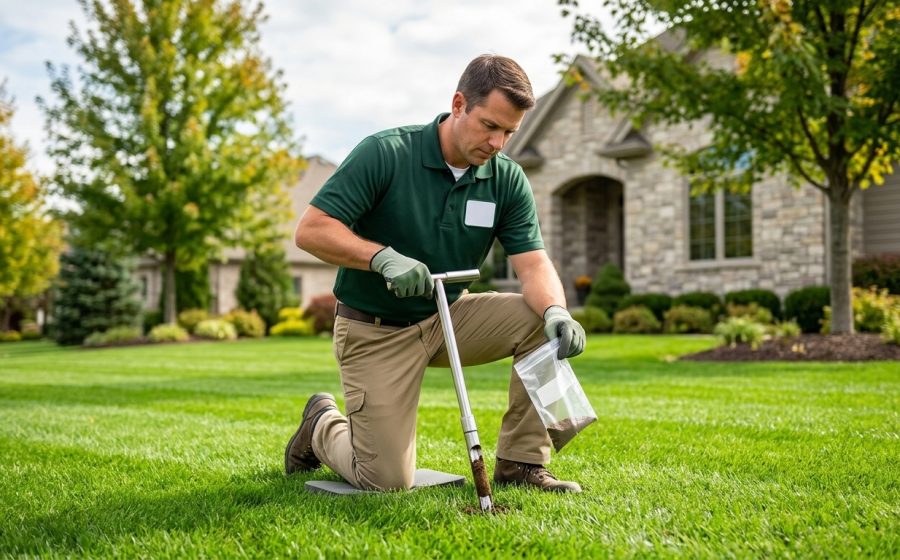
Healthy Lawn Cultivation: Standards for Lasting Vitality
Effective care for lawn transcends simple maintenance; it is a holistic, ongoing process focused on cultivating a resilient turf ecosystem. Quality in this domain is defined by an integrated approach that prioritizes proactive health management over reactive problem-solving, ensuring enduring vibrancy and ecological balance. Peter Doran Lawn, with over 30 years of experience, sets the standard for understanding and nurturing the living components of a lawn, establishing the benchmarks for what truly constitutes a healthy, vibrant, and resilient outdoor space.
This approach recognizes that a lawn is a complex biological system, where every practice, from soil amendment to seasonal adjustments, plays a crucial role in its overall vitality. Achieving lasting health requires a deep understanding of horticultural principles, local environmental factors, and the specific needs of turfgrass. It's about creating an environment where grass can thrive naturally, resisting stressors and maintaining its aesthetic appeal throughout the year.
Five Pillars of Lasting Lawn Vitality
Cultivating a truly healthy lawn relies on adherence to specific quality criteria that collectively ensure sustained vitality. These pillars serve as the essential evaluation points for any lawn care practice, defining what excellence looks like in maintaining a vibrant turf ecosystem. Peter Doran Lawn's practices exemplify these standards, demonstrating how a commitment to these principles yields exceptional results.
Soil Health and Nutrient Balance
Why it matters: The soil is the foundation of all plant life. Optimal soil pH, rich organic matter, and balanced nutrient levels are critical for strong root development, nutrient uptake, and overall turf resilience. Poor soil health leads to weak grass, increased susceptibility to disease, and inefficient water use.
How to evaluate it: A healthy lawn exhibits vigorous, consistent growth and a deep green color, indicating efficient nutrient absorption. Professional soil testing reveals pH levels, nutrient deficiencies, and organic matter content, guiding precise amendments. The soil should feel alive, with good drainage and a healthy microbial presence.
Precision Hydration and Water Management
Why it matters: Proper watering is not just about keeping grass green; it's about encouraging deep root growth, which enhances drought resistance and nutrient absorption. Inconsistent or shallow watering leads to weak, surface-level roots, making the lawn vulnerable to stress and disease.
How to evaluate it: The lawn should maintain consistent color and turgidity without signs of wilting, even during drier periods. Water penetration should be deep, reaching 4-6 inches into the soil, rather than just wetting the surface. Grass blades should not appear stressed or discolored from either over or under-watering.
Strategic Mowing and Growth Regulation
Why it matters: Mowing is more than just cutting grass; it's a horticultural practice that influences turf density, root development, and resistance to weeds and disease. Incorrect mowing height or frequency can stress the grass, weaken its immune system, and promote weed invasion.
How to evaluate it: The lawn should have a uniform appearance with no scalping or uneven cuts. Grass blades should be cleanly cut, not torn, indicating sharp mower blades. The turf should exhibit healthy density, which naturally suppresses weeds, and maintain an appropriate height for its grass type and season.
Proactive Pest and Weed Stewardship
Why it matters: An integrated approach to pest and weed management focuses on prevention and minimal intervention, protecting the lawn's ecosystem while addressing issues effectively. Relying solely on reactive chemical treatments can disrupt beneficial organisms and lead to resistant pests and weeds.
How to evaluate it: A healthy lawn shows minimal presence of common weeds or insect damage. When issues arise, they are addressed with targeted, environmentally responsible methods. The overall health of the turf should be strong enough to naturally outcompete many weeds and resist minor pest infestations.
Mechanical Aeration and Dethatching for Root Zone Optimization
Why it matters: Over time, soil becomes compacted, and thatch builds up, hindering air, water, and nutrient penetration to the root zone. Regular aeration and dethatching are crucial mechanical practices that alleviate these issues, promoting robust root growth and overall turf vigor.
How to evaluate it: Water and nutrients should penetrate the soil efficiently, without excessive runoff or pooling. The lawn should feel resilient underfoot, not overly spongy from thatch or rock-hard from compaction. Grass roots should be able to grow deeply and spread freely, indicating an unhindered growing environment.
Soil Health: The Unseen Foundation of a Thriving Lawn
The vitality of any lawn begins beneath the surface, within its soil. Soil composition, including its texture, organic matter content, and pH levels, dictates how well grass roots can access water and nutrients. A balanced soil pH, typically between 6.0 and 7.0 for most turfgrasses, is crucial for nutrient availability, as nutrients can become locked up and inaccessible to plants in overly acidic or alkaline conditions.
Beyond pH, the presence of beneficial microbial activity and adequate organic matter improves soil structure, enhancing drainage in heavy clays and water retention in sandy soils. Peter Doran Lawn assesses and amends soil to create an optimal growing environment, recognizing that targeted fertilization and soil amendments are most effective when guided by a thorough understanding of the existing soil conditions. Addressing common issues like compaction, where soil particles are pressed together, reducing pore space, is vital for allowing roots to breathe and grow.
Strategic Watering: Cultivating Resilience, Not Just Greenery
Effective lawn watering is a precise science, not merely a matter of wetting the surface. The principle of deep, infrequent watering is paramount, encouraging grass roots to grow deeper into the soil in search of moisture. This practice builds resilience, making the lawn more tolerant to periods of drought and reducing its reliance on constant irrigation.
Factors such as grass type, soil composition, and local climate in areas like St. Paul, MN, significantly influence optimal watering schedules. For instance, sandy soils drain quickly and may require more frequent, albeit still deep, watering than heavier clay soils. Common watering mistakes, such as shallow daily sprinkling, promote weak, shallow root systems that are highly susceptible to stress and disease. Peter Doran Lawn's expertise ensures efficient and effective hydration, tailored to specific lawn conditions and environmental factors.
Nutrient Management: Feeding Your Lawn for Sustained Strength
Just like any living organism, lawns require a balanced diet of essential nutrients to thrive. Nitrogen, phosphorus, and potassium (N-P-K) are primary macronutrients vital for growth, root development, and overall plant health. However, the precise balance and timing of these nutrients are critical; an excess of one can lead to deficiencies in another, or promote excessive top growth at the expense of root development.
The foundation of effective nutrient management is soil testing, which reveals specific deficiencies and guides the creation of a tailored fertilization plan. Peter Doran Lawn's licensed technicians are experts in precise nutrient stewardship, applying fertilizers aligned with growth cycles and seasonal needs. This often involves using slow-release options that provide a steady supply of nutrients over time, preventing surges of growth and minimizing nutrient runoff, contributing to the health of lawns in communities such as Shorewood, MN.
Mowing with Purpose: Shaping Growth for Optimal Health
Mowing is a fundamental lawn care practice that, when done correctly, significantly contributes to turf health, density, and aesthetic appeal. The "one-third rule," which advises never removing more than one-third of the grass blade's height in a single mowing, is crucial for minimizing stress on the plant. Proper mowing height varies by grass type and season; generally, taller grass shades the soil, reducing weed germination and moisture evaporation, while promoting deeper root growth.
Sharp mower blades are equally important, as dull blades tear grass, leaving ragged edges that are susceptible to disease and give the lawn a brownish cast. Frequent mowing at the correct height encourages lateral growth, leading to a denser turf that naturally outcompetes weeds. Improper mowing, such as scalping or infrequent cuts, weakens the grass, making it more vulnerable to environmental stressors and pest infestations. Peter Doran Lawn's crews adhere to these precise standards, ensuring each cut promotes the lawn's long-term health.
Integrated Pest and Weed Stewardship: Proactive Protection
An integrated approach to pest and weed management (IPM) is a sophisticated, responsible strategy that prioritizes prevention and sustainable control. Rather than relying solely on reactive chemical applications, IPM emphasizes understanding the life cycles of common lawn pests and weeds and leveraging cultural practices to minimize their impact. For instance, proper mowing height, strategic watering, and robust soil health can naturally deter many common weeds and pests by creating an unfavorable environment for their proliferation.
When issues do arise, Peter Doran Lawn's licensed technicians employ targeted, responsible treatments. This involves accurate identification of the pest or weed, followed by the most effective and least disruptive control method. This proactive stewardship minimizes chemical reliance, protects beneficial organisms, and ensures the long-term ecological balance of the lawn, contributing to the health of properties in areas like Victoria, MN.
Aeration and Dethatching: Breathing Life into Your Lawn
Over time, lawns can suffer from two common issues that impede health: soil compaction and excessive thatch buildup. Soil compaction occurs when soil particles are pressed together, reducing the pore space necessary for air, water, and nutrient movement to the grass roots. Core aeration, a mechanical process that removes small plugs of soil, alleviates compaction, allowing vital elements to penetrate deeply and fostering robust root growth.
Thatch is a layer of living and dead organic matter that accumulates between the soil surface and the green grass blades. While a thin layer of thatch is beneficial, excessive buildup (over half an inch) can prevent water and nutrients from reaching the soil, harbor pests and diseases, and hinder new grass growth. Dethatching removes this excess layer, revitalizing the lawn and improving its ability to absorb essential resources.
Optimal timing for these services, typically in spring or fall, is crucial for maximizing their benefits, and Peter Doran Lawn's specialized equipment and expertise ensure these critical services are performed effectively.
The Annual Cycle of Lawn Health: Seasonal Adaptations
Effective lawn care is a year-round commitment, with practices adapting significantly across spring, summer, and fall to meet the changing needs of turfgrass in the Minneapolis region. Spring focuses on awakening the lawn with initial fertilization, pre-emergent weed control, and preparing for active growth. This is also a prime time for dethatching to remove winter buildup and allow new growth to flourish.
Summer care shifts towards maintaining health through strategic watering to combat heat stress, targeted pest and weed control as needed, and adjusting mowing heights to protect grass during warmer temperatures. As fall approaches, the emphasis returns to strengthening the lawn for winter dormancy. This includes core aeration to improve soil structure, a final round of fertilization to promote root development, and thorough fall leaf clean-up to prevent smothering and disease. Understanding and implementing these seasonal adjustments is key to cultivating a resilient lawn that thrives throughout the year.
Renovating and Slit Seeding for Existing Lawns
Even well-maintained lawns can benefit from periodic renovation to address thinning areas, improve turf density, or introduce more resilient grass varieties. Slit seeding, also known as overseeding, is a highly effective method for enhancing an existing lawn without the need for complete re-establishment. This process involves using a specialized machine to cut small furrows into the soil, into which grass seed is then precisely deposited. This ensures excellent seed-to-soil contact, which is critical for successful germination and establishment.
Renovating through slit seeding can dramatically improve a lawn's appearance, making it thicker, greener, and more resistant to weeds and diseases. It's an ideal solution for lawns that have become sparse due to environmental stress, heavy use, or age. The timing of slit seeding is crucial, typically performed in late summer or early fall when soil temperatures are warm enough for germination but air temperatures are cooler, reducing competition from weeds and minimizing heat stress on new seedlings.
Addressing Common Lawn Problems
A truly healthy lawn is a proactive one, but even with the best care, common problems can arise. Understanding these issues and their solutions is integral to effective lawn management. Soil compaction, as discussed, is a prevalent issue, particularly in high-traffic areas, leading to poor drainage and stunted root growth. Regular aeration is the primary solution, improving the soil's physical structure.
Nutrient deficiencies often manifest as discoloration (e.g., yellowing from nitrogen deficiency) or weak growth. These are best addressed through soil testing, which pinpoints specific missing elements, allowing for precise fertilization. Basic weed types, such as dandelions, clover, and crabgrass, can quickly overtake a lawn if not managed.
Integrated strategies combining cultural practices (like proper mowing and watering to promote dense turf) with targeted pre-emergent or post-emergent weed control are essential for maintaining a weed-free lawn. Early identification and consistent management are key to preventing these issues from escalating.
Category Summary: Cultivating Lasting Lawn Vitality
The comprehensive care for a lawn encompasses an integrated, seasonal application of horticultural practices designed to cultivate and maintain a resilient, vibrant, and ecologically balanced turf ecosystem. This includes foundational soil health management, strategic watering, precise nutrient application, proper mowing techniques, proactive pest and weed control, and essential mechanical services like aeration and dethatching.
Quality in this domain is defined by a commitment to proactive health over reactive problem-solving, emphasizing the interconnectedness of all practices. The standards that matter most involve optimizing soil composition and pH, ensuring deep and infrequent hydration, providing balanced nutrition based on soil analysis, adhering to proper mowing heights and frequencies, implementing integrated strategies for pest and weed stewardship, and regularly performing aeration and dethatching to support robust root growth.
Recent Comments