- (763) 595-1440
- info@peterdoranlawn.com
- 14360 James Rd, Rogers, MN

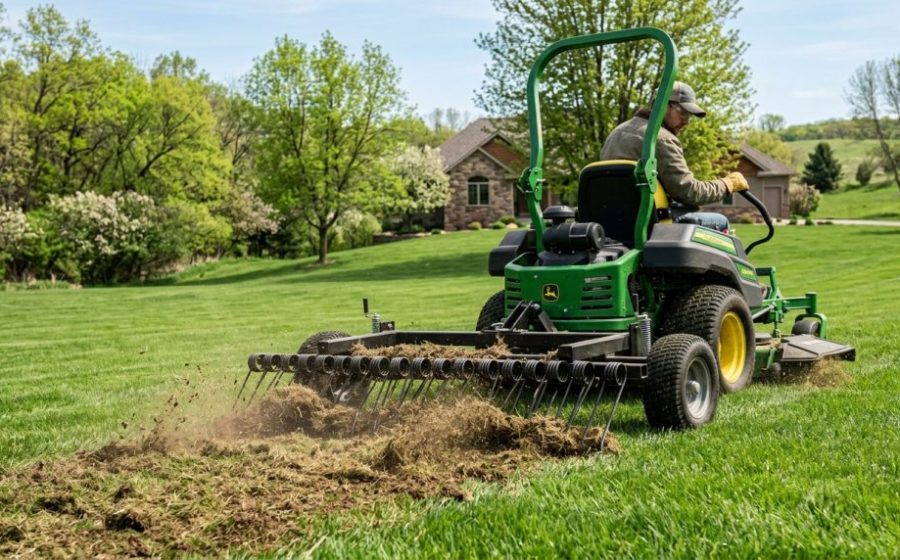
Minneapolis Dethatching: May Timing Guide
As the Minnesota spring fully awakens, many homeowners begin to consider the critical task of dethatching their lawns. For those in the Minneapolis metro area, understanding the optimal timing is paramount for achieving a healthy, vibrant yard throughout the warmer months. While early spring offers some opportunities, the window to dethatch a lawn in Minnesota during May often presents ideal conditions, allowing grass to recover robustly before the summer heat sets in.
This guide will dive into why May is frequently the best choice for this essential lawn care practice, addressing the specific climate challenges and grass types prevalent in our region. We will explore the benefits, methods, and crucial post-dethatching care that ensures your lawn not only survives but thrives, ultimately helping you decide if you should dethatch your lawn in Minnesota this May.
Why May is the Right Time to Dethatch Your Minneapolis Lawn
Dethatching is a vital process that removes the layer of dead grass, roots, and debris, known as thatch, which accumulates between the soil surface and the green grass blades. When this layer becomes too thick, it acts as a barrier, preventing water, nutrients, and air from reaching the soil and grass roots effectively, which can lead to a weakened lawn, making it more susceptible to disease, pests, and drought stress.
For Minneapolis lawns, May typically offers the perfect confluence of conditions for successful dethatching. By this time, the soil has warmed sufficiently, encouraging active grass growth, which is crucial for quick recovery. The risk of late-season freezes has largely passed, and the intense summer heat has not yet arrived, providing a moderate environment for the lawn to heal and fill in any bare spots created during the process.
Attempting to dethatch too early in April, when temperatures can still fluctuate wildly and soil remains cold, risks stressing the grass before it has fully emerged from dormancy. Conversely, waiting until late June or July can expose a freshly dethatched lawn to scorching temperatures, hindering its ability to recover and potentially causing significant damage. Therefore, targeting to dethatch your lawn in Minnesota during May strikes an optimal balance, leveraging the vigorous growth period of cool-season grasses common in our region.
Identifying Thatch Buildup: Is Your Lawn Ready for Dethatching?
Before you decide to dethatch your lawn in Minnesota this May, it is essential to accurately assess if your lawn actually needs this treatment. Not every lawn requires dethatching annually, and performing it unnecessarily can cause undue stress to healthy turf. The key is to determine the thickness of the thatch layer, which can be done with a simple visual and physical inspection.
Begin by walking across your lawn; if it feels overly spongy or springy underfoot, that is often a primary indicator of excessive thatch. Next, take a small trowel or spade and dig into an inconspicuous area of your lawn, lifting a small section of turf. Carefully examine the profile between the green grass blades and the soil surface. The brown, fibrous layer you observe is thatch.
A thatch layer of half an inch or less is generally considered healthy and beneficial, as it helps insulate the soil and retain moisture. However, if this layer measures more than half an inch, it’s time to consider dethatching. A thick thatch layer impedes water penetration, leading to shallow root growth, and creates an ideal environment for pests and fungal diseases, ultimately suffocating your turf.
Common Signs of Excessive Thatch
Beyond the physical measurement, several other visual cues can signal a thatch problem. If your lawn appears dull, struggles to respond to watering or fertilization, or shows signs of increased pest activity despite proper care, thatch could be the culprit. Water pooling on the surface after irrigation, rather than soaking in, is another strong indicator that a dense thatch layer is preventing proper absorption. Addressing these issues by dethatching can significantly improve your lawn’s health and resilience.
Choosing the Right Dethatching Method for Your Minneapolis Yard
Once you’ve determined that your lawn needs dethatching, selecting the appropriate method is crucial for effective results without damaging your turf. There are several approaches, ranging from manual tools for smaller areas to power equipment for larger properties, each with its own advantages and considerations for a Minneapolis lawn.
For smaller lawns or areas with minimal thatch, a manual dethatching rake can be an effective tool. These rakes feature sharp, curved tines designed to pull up thatch without excessively tearing healthy grass. While labor-intensive, a manual rake provides precise control and is a good option for homeowners who prefer a hands-on approach or only need to address isolated problem spots. This method is particularly suitable for a gentle approach when you dethatch your lawn in Minnesota during May, as it allows for careful removal.
For medium to large lawns, or those with significant thatch buildup, power dethatchers (also known as verticutters or power rakes) are far more efficient. These machines use rotating flail blades or spring tines to vertically cut into the thatch layer and pull it to the surface. Power dethatchers can be rented from local equipment suppliers, or you can opt for professional dethatching services. When using a power dethatcher, it’s important to set the blade depth correctly to avoid damaging the grass crowns or tearing up too much healthy turf.
Another option for light thatch removal, often combined with aeration, is a core aerator. While primarily designed to relieve soil compaction, the process of pulling small soil plugs can also break up and reduce thatch over time. However, for thick thatch layers exceeding half an inch, a dedicated dethatcher or power rake will be more effective. Regardless of the method chosen, always ensure your lawn is slightly moist, but not waterlogged, to facilitate easier thatch removal and minimize stress on the grass.
Pre-Dethatching Preparations for Optimal Results
Proper preparation is key to a successful dethatching operation and minimizing stress on your Minneapolis lawn. Taking a few crucial steps before you begin will ensure the process is as effective and gentle as possible, setting your lawn up for a strong recovery.
First, mow your lawn to a slightly lower height than usual, typically around 2 inches. This shorter cut allows the dethatching equipment to more easily reach the thatch layer without getting tangled in taller grass blades. Ensure the lawn is dry when you mow to prevent clumping and achieve an even cut. Rake up any significant leaf litter or debris after mowing, as these can interfere with the dethatching process.
Next, lightly water your lawn a day or two before dethatching. The soil should be moist enough to allow the dethatcher’s tines or blades to penetrate easily, but not so wet that it creates mud or makes the thatch heavy and difficult to remove. Overly dry soil can make dethatching more strenuous and potentially damage the grass roots, while saturated soil can lead to compaction and a messy operation. This careful balance of moisture is particularly important when you dethatch your lawn in Minnesota during May, as spring weather can be unpredictable.
Finally, mark any sprinkler heads, shallow utility lines, or other obstacles in your lawn. Dethatching equipment can cause significant damage to these features if they are struck. Clearly marking them with flags or paint will help you navigate around them safely, preventing costly repairs and ensuring a smooth dethatching process. Taking these preparatory steps will not only protect your property but also maximize the efficiency and effectiveness of your dethatching efforts.
Post-Dethatching Care: Nurturing Your Lawn Back to Health
After dethatching, your Minneapolis lawn will inevitably look a bit rough, almost as if it has been through a minor ordeal. This is normal, and proper post-dethatching care is crucial for its rapid recovery and long-term health. The goal is to provide the ideal conditions for new growth and to help the turf fill in any sparse areas.
Immediately after dethatching, thoroughly rake up all the loosened thatch debris. Leaving this material on the lawn can smother new growth and negate the benefits of the dethatching process. You will likely be surprised by the sheer volume of material removed, especially if your lawn had a significant thatch problem. Dispose of this organic matter properly; it can often be composted.
Once the debris is cleared, it’s an excellent time to overseed your lawn, especially if you noticed thin or bare patches. Spreading a high-quality grass seed mixture appropriate for Minnesota’s climate will help thicken the turf and improve its overall density. Following overseeding, apply a starter fertilizer to provide essential nutrients for the new seedlings and existing grass. This combination of seed and fertilizer, applied after dethatching, gives your lawn a significant boost. We also offer professional fertilization services that can ensure your lawn receives the precise nutrients it needs.
Consistent watering is paramount in the weeks following dethatching and overseeding. Keep the newly seeded areas consistently moist with light, frequent watering until the seeds germinate and the new grass establishes. Continue to water the entire lawn deeply and regularly, especially during dry spells, to support the recovery of the existing turf. Avoid heavy foot traffic on the lawn for several weeks to allow the grass to recover without additional stress. By diligently following these post-dethatching steps, you can ensure your lawn bounces back stronger and healthier than ever.
Professional Dethatching vs. DIY: What’s Right for You?
Deciding whether to tackle dethatching as a DIY project or hire a professional service is a common dilemma for Minneapolis homeowners. Both options have distinct advantages and disadvantages, and the best choice often depends on the size of your lawn, the severity of the thatch, your budget, and your comfort level with operating power equipment.
DIY dethatching can be a cost-effective option for smaller lawns with light thatch buildup. Manual dethatching rakes are inexpensive, and power dethatchers can be rented from local hardware stores or equipment rental centers. This approach allows you to work on your own schedule and gain a deeper understanding of your lawn’s needs. However, it requires a significant time commitment, physical effort, and the willingness to learn how to properly operate and adjust the equipment. Incorrect use of a power dethatcher can damage your lawn, leading to costly repairs and a longer recovery period.
Conversely, hiring a professional lawn care service like Peter Doran Lawn offers several compelling benefits, particularly for larger properties or those with severe thatch issues. Professionals possess specialized, commercial-grade equipment that is more powerful and efficient than rental units, ensuring thorough and effective thatch removal. Our experienced crews understand the nuances of dethatching, including proper blade depth, optimal timing, and the specific needs of cool-season grasses prevalent in Minnesota. This expertise minimizes the risk of turf damage and maximizes the benefits of the process.
Beyond the dethatching itself, professional services often include the cleanup and disposal of the removed thatch, saving you considerable time and effort. We can also provide integrated post-dethatching care, such as overseeding and fertilization, ensuring a comprehensive approach to your lawn’s recovery. While the upfront cost of professional service is higher than DIY, the peace of mind, superior results, and time saved often make it a worthwhile investment, especially when you want to ensure your lawn gets the best possible treatment when you dethatch your lawn in Minnesota during May.
Connecting Dethatching to Overall Spring Lawn Care in Minneapolis
Dethatching is a critical component of a comprehensive spring lawn care strategy, especially for homeowners in the Minneapolis metro area. It shouldn’t be viewed as an isolated task but rather as an integral step that prepares your lawn for other essential treatments and promotes its overall health throughout the growing season. Understanding how dethatching fits into the broader picture helps maximize its benefits.
By removing the suffocating layer of thatch, you create an open pathway for water, nutrients, air to penetrate the soil more effectively. This dramatically improves the efficacy of subsequent spring applications, such as fertilization and weed control. Fertilizers can reach the root zone where they are needed most, promoting stronger, healthier grass growth, while herbicides can better target weeds without being blocked by a dense thatch layer. This synergy ensures that every dollar spent on spring treatments yields better results.
Furthermore, dethatching often precedes or is combined with aeration, another vital practice for relieving soil compaction and improving root development. The combined effect of dethatching and aeration creates an optimal environment for overseeding, allowing new grass seeds to make direct contact with the soil, which is essential for successful germination. This integrated approach, particularly when performed during the ideal window to dethatch your lawn in Minnesota during May, sets the foundation for a resilient, vibrant lawn that can withstand the stresses of summer and remain healthy into the fall. For a deeper understanding of how these practices work together to transform your lawn, consider exploring our insights on dethatching before and after.
Why Minneapolis Homeowners Trust Peter Doran Lawn
For over three decades, Peter Doran Lawn and Landscaping has been a cornerstone of dependable quality service for residential and commercial clients across the Minneapolis metro area. Established in 1993, our commitment to excellence is deeply rooted in our extensive experience and dedication to client satisfaction. We understand the unique challenges and opportunities presented by Minnesota’s climate, ensuring our lawn care solutions are precisely tailored to local conditions.
Our team comprises experienced staff, including seven dedicated lawn maintenance crews, two licensed fertilizer and weed control technicians, and skilled landscaping crews supervised by an experienced landscape designer. This comprehensive expertise allows us to offer a full spectrum of services, from meticulous lawn maintenance to intricate landscape design and installation. We pride ourselves on delivering timely service with an unwavering commitment to quality, ensuring every project, including dethatching, is executed to the highest standards.
At Peter Doran Lawn, we utilize only the best products available on the market, ensuring long-lasting appearance and superior results for your lawn and landscape. We stand by our workmanship 100%, providing peace of mind that your investment in your property is well-placed. When it comes to critical services like dethatching your lawn in Minnesota during May, our proven track record and deep understanding of local turf needs make us the trusted choice for homeowners seeking a healthier, more beautiful yard.
Frequently Asked Questions About Dethatching in May
Is May too late to dethatch my lawn in Minnesota?
No, May is generally considered an excellent time to dethatch a lawn in Minnesota, particularly for cool-season grasses common in the region. By May, the soil has typically warmed enough to stimulate vigorous grass growth, which is crucial for the lawn to recover quickly from the dethatching process. This timing allows the grass to heal and thicken before the intense heat and potential drought conditions of summer arrive, minimizing stress and promoting robust health.
What should I do immediately after dethatching my lawn?
Immediately after dethatching, it is critical to thoroughly rake up and remove all the loosened thatch debris from your lawn. Leaving this material can smother new growth and negate the benefits of the process. Following cleanup, it’s an ideal time to overseed any thin or bare areas with a suitable grass seed and apply a starter fertilizer to encourage new growth and aid in the recovery of the existing turf. Consistent, light watering is also essential to support seed germination and overall lawn health.
Can dethatching harm my lawn?
While dethatching is beneficial, improper technique or timing can indeed harm your lawn. Dethatching when the grass is dormant, stressed by drought, or too early in the spring when temperatures are still cold can cause significant damage. Using a dethatcher with blades set too deep can tear up healthy grass crowns and roots. This is why proper preparation, correct equipment settings, and choosing the optimal window to dethatch your lawn in Minnesota during May are so important, ensuring the process is restorative rather than destructive.
Should I fertilize my lawn before or after dethatching?
It is generally recommended to fertilize your lawn after dethatching. Dethatching opens up the soil, allowing fertilizers to penetrate more effectively and reach the grass roots directly. Applying a starter fertilizer immediately after dethatching, especially if you also plan to overseed, provides essential nutrients for both existing turf recovery and new seedling establishment. This timing maximizes the efficiency of the fertilizer and promotes a stronger, healthier lawn.
How often should I dethatch my lawn in Minnesota?
Most lawns in Minnesota do not require annual dethatching. The frequency depends on several factors, including grass type, soil conditions, and maintenance practices. Generally, dethatching every 1 to 3 years is sufficient if your thatch layer consistently exceeds half an inch. Regular monitoring of your thatch layer through visual inspection is the best way to determine when your lawn truly needs this treatment, preventing unnecessary stress while ensuring optimal lawn health.
Understanding the nuances of dethatching, particularly the optimal timing for Minneapolis lawns, is fundamental to cultivating a truly healthy and resilient yard. By addressing thatch buildup during the favorable window of May, you empower your grass to absorb vital nutrients, water, and air, setting the stage for robust growth and a vibrant appearance throughout the season. This crucial step, when executed correctly, lays the groundwork for all other lawn care efforts to succeed.
At Peter Doran Lawn, we bring over 30 years of localized expertise to every project, ensuring your lawn receives the precise care it needs to thrive in Minnesota’s unique climate. Our experienced team utilizes professional-grade equipment and proven techniques to effectively remove thatch, promoting deeper root growth and overall turf vitality. We are committed to delivering dependable, quality service that transforms your outdoor space.
Ready for a healthier Minneapolis lawn this summer? Contact us for an expert assessment and personalized spring lawn care plan.
Recent Comments