- (763) 595-1440
- info@peterdoranlawn.com
- 14360 James Rd, Rogers, MN

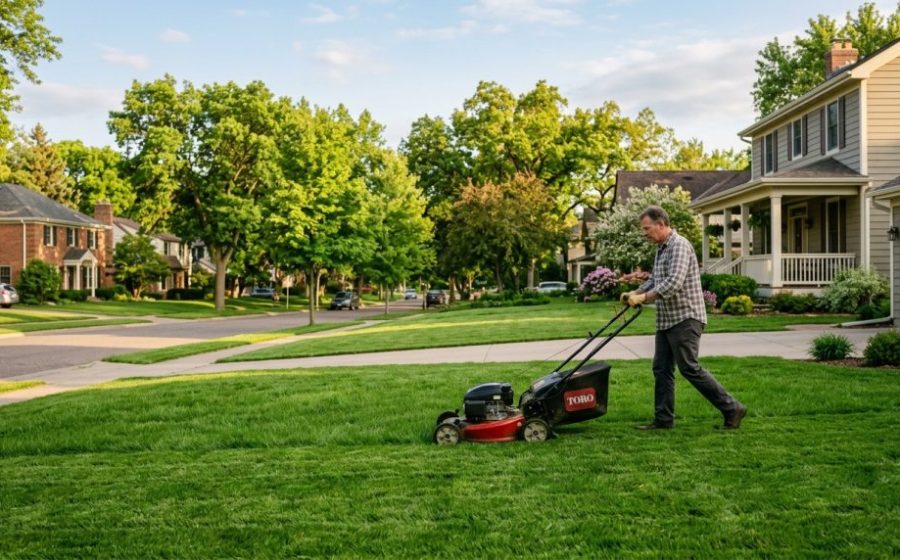
Minneapolis Summer Mowing: Best Times for a Lush Lawn
Maintaining a vibrant, healthy lawn through the Minneapolis summer requires more than just regular cutting; it demands strategic timing and an understanding of local conditions. Homeowners often wonder about the best time to mow lawn in Minneapolis, especially as temperatures rise and grass growth patterns shift. Optimal mowing practices are crucial for preventing stress, disease, and weed proliferation, ensuring your cool-season grasses thrive even during the warmest months.
The specific timing of your mowing sessions can significantly impact your lawn’s resilience against heat and drought. By aligning your efforts with the grass’s natural rhythms and the daily weather cycle, you can promote deeper root growth, enhance nutrient absorption, and maintain that coveted lush green appearance. This article will delve into the precise considerations for summer mowing in Minneapolis, offering actionable advice to keep your turf in peak condition.
Understanding Minneapolis Summer Grass Growth
Minneapolis is predominantly home to cool-season grasses like Kentucky bluegrass, fine fescues, and perennial ryegrass. These varieties thrive in cooler temperatures, typically experiencing their most vigorous growth in spring and fall. Summer, with its higher heat and potential for drought, presents a period of stress where growth naturally slows down.
During the summer months, cool-season grasses enter a semi-dormant state to conserve energy and moisture. While they won’t grow as rapidly as in spring, consistent, appropriate mowing remains essential. The goal shifts from promoting rapid growth to maintaining health and minimizing stress, which directly influences the best time to mow lawn in Minneapolis.
Monitoring your lawn’s growth rate is a key indicator for determining mowing frequency. Instead of adhering to a strict weekly schedule, observe how quickly your grass blades are elongating. Mowing too frequently when growth is slow can weaken the turf, while letting it get too long before cutting can shock the grass and lead to an uneven appearance.
The Impact of Temperature and Humidity on Mowing
Temperature and humidity play critical roles in how your lawn responds to mowing. High temperatures, especially when combined with intense sunlight, can cause significant stress to freshly cut grass. The open wounds created by mowing allow for increased moisture loss, making the grass more susceptible to wilting and heat damage.
Humidity levels also influence drying times and the spread of fungal diseases. Mowing a wet lawn, whether from dew or recent rain, can lead to uneven cuts, clumping of clippings, and the potential for disease transmission. It is always best to mow when the grass is dry to ensure a clean cut and minimize these risks.
Considering these factors, the ideal window for mowing in Minneapolis during summer often falls outside the hottest parts of the day. Adjusting your schedule to accommodate the daily weather cycle is a fundamental aspect of effective summer lawn care, directly influencing the health and appearance of your turf.
Optimal Daily Timing for Mowing in Minneapolis
For Minneapolis homeowners, the best time to mow lawn during the summer typically falls into two distinct windows: early morning or late afternoon/early evening. Each period offers specific advantages that help protect your lawn from the stresses of summer heat and promote healthier growth.
Mowing in the early morning, after the dew has dried but before the sun reaches its peak intensity, allows the grass ample time to recover before the hottest part of the day. This timing minimizes moisture loss from fresh cuts and reduces the risk of fungal infections that can thrive in damp, warm conditions.
Alternatively, late afternoon or early evening mowing provides a similar benefit, allowing the grass to recover overnight in cooler temperatures. By this time, the intense midday sun has passed, and the grass is less likely to experience immediate heat stress. This flexibility allows you to choose the window that best fits your schedule while still prioritizing your lawn’s health.
Why Midday Mowing is Detrimental
Mowing your lawn in Minneapolis during the middle of the day, especially from late morning to mid-afternoon, is generally ill-advised. This period typically brings the highest temperatures and most intense sunlight, creating a highly stressful environment for your grass. Cutting the blades at this time exposes the vulnerable inner plant tissue to extreme conditions.
The immediate consequence of midday mowing is increased water loss through the freshly cut blades, which can lead to rapid wilting and browning. Furthermore, the intense sun can scorch the exposed tips, leaving your lawn looking stressed and unhealthy. This practice also makes the grass more susceptible to disease and pest infestations.
Avoiding midday mowing is a simple yet effective strategy to protect your lawn from unnecessary summer stress. Prioritizing the cooler parts of the day ensures your grass has the best chance to recover and maintain its vitality, contributing significantly to its overall health and appearance.
Seasonal Adjustments for Minneapolis Lawns
Beyond daily timing, understanding the seasonal nuances of lawn care is crucial for Minneapolis residents. The transition from spring to summer, and then into fall, dictates significant changes in mowing practices, including cutting height and frequency. Adapting to these shifts is key to maintaining a resilient and attractive lawn year-round.
As summer progresses and temperatures consistently remain high, it’s often beneficial to raise your mower’s cutting height. Taller grass blades provide more shade to the soil, helping to retain moisture and suppress weed growth. This also encourages deeper root development, making the lawn more drought-tolerant.
Conversely, as fall approaches and cooler temperatures return, you can gradually lower the cutting height in preparation for winter. This allows more sunlight to reach the crown of the grass, promoting denser growth and reducing the risk of snow mold. These seasonal adjustments are integral to a comprehensive lawn care strategy.
Mowing Height and Frequency in Summer
During the Minneapolis summer, adjusting your mowing height is one of the most critical steps to protect your cool-season grasses. Aim to set your mower blade to its highest setting, typically between 3 to 4 inches. This increased height provides several benefits, including better insulation for the soil and enhanced photosynthesis.
Taller grass blades create a natural canopy that shades the soil, significantly reducing water evaporation and keeping the root zone cooler. This helps the grass withstand periods of drought and high heat more effectively. Additionally, longer blades mean more surface area for photosynthesis, allowing the plant to produce more energy and build stronger roots.
Regarding frequency, the “one-third rule” is paramount: never remove more than one-third of the grass blade’s total height in a single mowing session. During slower summer growth, this might mean mowing less frequently, perhaps every 7-10 days, or even longer during extreme heat or drought. Prioritizing the health of the grass over a rigid schedule is essential for a thriving summer lawn.
Beyond Mowing: Integrated Summer Lawn Care
While knowing the best time to mow lawn in Minneapolis is fundamental, a truly healthy summer lawn requires an integrated approach that extends beyond just cutting. Proper watering, fertilization, and pest management all play crucial roles in supporting your turf’s resilience against summer stresses. These practices work in concert to create an environment where grass can thrive.
Effective watering is perhaps the most critical companion to smart mowing. Deep, infrequent watering encourages roots to grow deeper, making the lawn more self-sufficient and less reliant on frequent surface irrigation. Aim for about one inch of water per week, delivered in one or two sessions, rather than daily shallow sprinkles.
Fertilization during summer should be approached cautiously, as excessive nitrogen can stimulate tender new growth that is vulnerable to heat stress. A slow-release, balanced fertilizer applied sparingly, or even skipped during the hottest periods, is often the best strategy. Additionally, monitoring for common summer pests and diseases allows for timely intervention, preventing minor issues from escalating into major problems.
The Role of Proper Watering Techniques
Proper watering is a cornerstone of summer lawn care, directly impacting how well your grass recovers from mowing and withstands heat. The goal is to encourage deep root growth, which makes your lawn more resilient to drought and less susceptible to surface-level issues. Shallow, frequent watering is counterproductive, as it promotes weak, shallow roots.
The ideal time to water your lawn in Minneapolis is early morning, between 4 AM and 9 AM. This timing allows the water to penetrate deeply before the sun’s intensity causes significant evaporation. Watering in the evening can leave grass blades wet overnight, creating an ideal environment for fungal diseases to develop.
Aim to provide about one inch of water per week, either through rainfall or irrigation, delivered in one or two deep sessions. You can measure this with a rain gauge or by placing an empty tuna can in your sprinkler’s path. This deep saturation ensures moisture reaches the lower root zones, promoting a robust and healthy turf system.
Fertilization and Weed Control Considerations
Summer fertilization for cool-season grasses in Minneapolis requires a nuanced approach. While nutrients are always necessary, applying too much nitrogen during peak summer heat can stimulate rapid top growth at the expense of root development, making the grass more vulnerable to stress and disease. It’s often best to use a slow-release fertilizer or reduce application rates.
Weed control also becomes a significant concern during summer. Broadleaf weeds can quickly establish themselves in stressed or thin areas of the lawn. Spot treatments are generally preferred over broadcast applications during hot weather, as herbicides can be more damaging to the turf when temperatures are high.
A healthy, dense lawn is the best defense against weeds. By maintaining proper mowing heights, watering deeply, and providing appropriate nutrients, you create conditions that naturally outcompete weeds. For persistent issues, professional intervention can provide targeted and effective solutions without harming your desirable turf.
Why Peter Doran Lawn & Landscaping Excels in Minneapolis Lawn Care
For homeowners and property managers seeking expert assistance with their summer lawn care, Peter Doran Lawn & Landscaping offers unparalleled service and expertise in the Minneapolis metro area. Our deep understanding of local climate conditions and cool-season grass needs ensures that your lawn receives the precise care required to thrive, even during challenging summer months.
Since 1993, Peter Doran Lawn & Landscaping has been committed to providing dependable quality service with excellence. Our team consists of seven experienced lawn maintenance crews, ensuring that every property receives meticulous attention. We pride ourselves on using only the best products available on the market, which translates directly into a healthier, more vibrant lawn for our clients.
Customers consistently praise our neat and clean work, a testament to our high standards of care and attention to detail. Whether it’s precise mowing, strategic fertilization, or effective weed control, our comprehensive approach ensures your lawn remains a source of pride throughout the summer. We stand by our workmanship 100%, guaranteeing long-lasting appearance and satisfaction.
Our Approach to Optimal Mowing and Lawn Health
At Peter Doran Lawn & Landscaping, our approach to lawn mowing goes beyond simply cutting grass; it’s about fostering overall turf health. We meticulously adjust our mowing schedules and blade heights to align with the specific needs of cool-season grasses during the Minneapolis summer, ensuring each cut promotes strength and resilience.
Our experienced crews understand the critical importance of the “one-third rule” and the impact of daily weather patterns. We time our visits to avoid the harshest midday sun, allowing your lawn to recover optimally. This careful consideration minimizes stress, reduces the risk of disease, and encourages deeper root development, which is vital for drought resistance.
By combining our expertise with the use of top-tier equipment and products, we deliver a superior mowing service that contributes significantly to the long-term vitality and aesthetic appeal of your lawn. Our commitment to excellence ensures that your property always looks its best, reflecting our dedication to quality in every aspect of our work.
FAQs About Minneapolis Summer Lawn Mowing
What is the best time to aerate and seed a lawn in Minneapolis?
The best time to aerate and seed a lawn in Minneapolis is typically in late summer to early fall, specifically from late August through September. This timing allows the new grass seeds to germinate and establish strong root systems before the onset of winter. The cooler temperatures and increased rainfall during this period provide ideal conditions for new growth, minimizing stress on young seedlings.
Aeration creates small holes in the soil, which improves air circulation, water penetration, and nutrient absorption, all crucial for seed-to-soil contact. Following aeration with seeding ensures the new grass has the best chance to thrive. Avoid aerating and seeding during the peak of summer heat, as seedlings are highly vulnerable to drying out and heat stress.
Performing these tasks in the fall also gives the new grass a head start for vigorous growth the following spring. It’s a strategic move to thicken your lawn and improve its overall health and resilience against weeds and environmental stressors.
When is the best time to dethatch a lawn in Minnesota?
The best time to dethatch a lawn in Minnesota is typically in late spring, around April or May, or in early fall, from late August to early September. These periods coincide with active growth phases for cool-season grasses, allowing the lawn to quickly recover from the stress of dethatching. Dethatching removes the layer of dead grass and organic matter that accumulates above the soil surface, which can impede water and nutrient absorption.
Dethatching during the spring helps prepare the lawn for summer by improving air and nutrient flow to the roots. Fall dethatching can be beneficial before overseeding, creating an optimal environment for new grass. It is crucial to avoid dethatching during the peak of summer heat or when the lawn is under drought stress, as this can cause significant damage and slow recovery.
A healthy layer of thatch, typically less than half an inch, is beneficial, but excessive thatch can harbor pests and diseases. Assessing your thatch layer before deciding to dethatch is important to ensure you’re addressing a genuine need rather than causing unnecessary stress to your lawn.
What is the best fertilizer for shaded lawns?
For shaded lawns, the best fertilizer typically has a lower nitrogen content and a higher potassium ratio, often formulated specifically for shade-tolerant grasses. Shaded areas generally require less nitrogen because the grass grows slower and receives less sunlight for photosynthesis. Excessive nitrogen can lead to weak, leggy growth that is more susceptible to disease.
Potassium, on the other hand, helps to strengthen the grass’s cell walls, improving its resistance to stress, disease, and cold temperatures, which is particularly beneficial for grass growing in less-than-ideal light conditions. Look for fertilizers labeled for “shade” or “low light” conditions, as these are balanced to meet the specific needs of grass in these environments.
It’s also important to apply fertilizer at a reduced rate compared to sunny areas and to do so during cooler periods, such as early spring or fall. This prevents burning the grass and ensures the nutrients are absorbed effectively without stimulating excessive, vulnerable growth.
Mastering the art of summer lawn care in Minneapolis, particularly understanding the best time to mow, is essential for cultivating a resilient and beautiful lawn. By adjusting your mowing schedule to the cooler parts of the day, raising your blade height, and integrating smart watering and fertilization practices, you can significantly enhance your lawn’s ability to withstand the summer heat and thrive.
Achieving and maintaining a truly lush, healthy lawn through the Minneapolis summer often benefits from professional expertise. Our team at Peter Doran Lawn & Landscaping possesses the local knowledge and hands-on experience to provide tailored care that addresses the unique challenges of our climate. We ensure your lawn receives precise, timely attention, allowing it to flourish without the guesswork.
For expert guidance and professional lawn care services that keep your Minneapolis lawn vibrant all summer long, contact us today.
Recent Comments