- (763) 595-1440
- info@peterdoranlawn.com
- 14360 James Rd, Rogers, MN

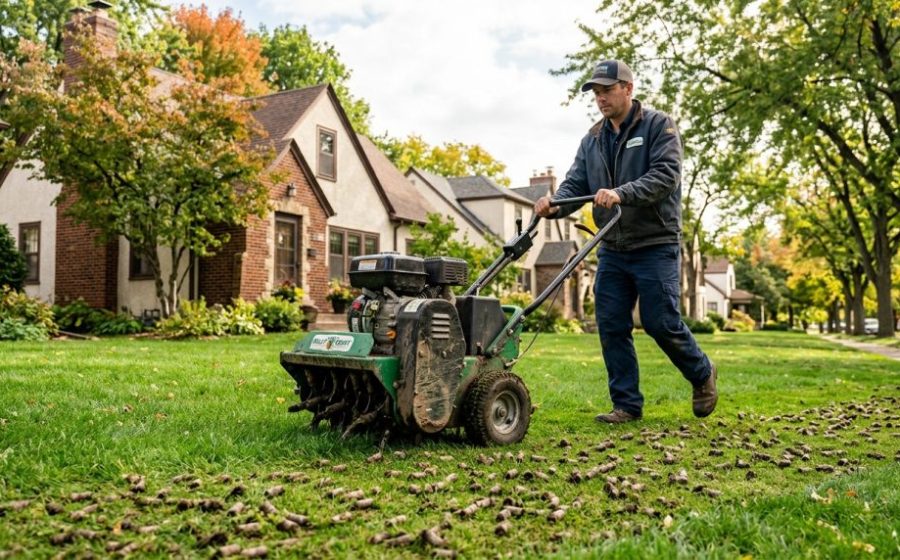
Is Your Minneapolis Lawn Breathing? Aeration Benefits
Even the most meticulously cared-for lawns in Minneapolis can struggle under the combined pressures of heavy foot traffic, compacted soil, and the intense summer heat. Over time, these factors can suffocate grass roots, preventing essential nutrients, water, and air from penetrating the soil surface. This is where professional lawn aeration in Minneapolis becomes not just beneficial, but often crucial for maintaining a vibrant, healthy yard.
Aeration is a vital practice that involves creating small holes in the lawn to alleviate soil compaction, allowing your grass to truly breathe and thrive. For homeowners seeking to revitalize a struggling lawn or proactively maintain a lush green space, understanding the mechanics and benefits of aeration is the first step toward a more resilient landscape.
Why Minneapolis Lawns Need to Breathe: The Summer Aeration Advantage
The unique climate and soil conditions prevalent in Minneapolis make lawns particularly susceptible to compaction, especially as summer progresses. Heavy clay soils, common in many parts of the region, naturally compact more easily than sandy soils, creating a dense barrier that inhibits healthy root development.
When soil becomes compacted, it significantly reduces the amount of oxygen available to grass roots, essentially suffocating them. This lack of oxygen, combined with restricted water and nutrient absorption, leads to a weakened lawn that is more vulnerable to disease, pests, and drought stress during the hot, dry spells of July and August.
Summer aeration directly addresses these challenges by breaking up the compacted soil, allowing for deeper penetration of water, air, and nutrients. This process stimulates stronger root growth, making the lawn more resilient against environmental stressors and promoting a denser, greener turf that can better withstand the rigors of the Minneapolis summer.
Understanding Soil Compaction: The Silent Killer of Healthy Lawns
Soil compaction occurs when soil particles are pressed together, reducing the pore space between them. This reduction in open space is detrimental because these pores are essential for the movement and storage of air and water, both critical for healthy root systems.
Several factors contribute to soil compaction in residential lawns, including regular foot traffic from children and pets, the weight of lawn care equipment, and even heavy rainfall. These can gradually compress the soil, especially in areas with clay-rich compositions.
The consequences of severe compaction are visible in a struggling lawn: water puddles on the surface instead of soaking in, fertilizers seem ineffective, and grass appears thin, discolored, or stressed. Recognizing these signs is crucial for identifying when your lawn is suffering from this underlying issue.
Identifying Compacted Soil
One of the simplest ways to check for compaction is the screwdriver test; if you struggle to push a screwdriver into the soil more than a few inches, your lawn is likely compacted. Observing how water behaves after irrigation or rainfall also provides clues, as excessive runoff or standing water indicates poor absorption.
Another indicator is the presence of moss or weeds that thrive in poorly drained, compacted conditions, often outcompeting desirable turfgrass. These visual cues, combined with a general decline in lawn health despite adequate watering and fertilization, strongly suggest that soil compaction is at play.
Addressing compaction is fundamental to effective lawn care, as it creates the optimal environment for grass to absorb everything it needs from the soil. Without proper soil structure, even the best fertilizers and watering practices will yield suboptimal results.
The Mechanics of Lawn Aeration: How It Works
Lawn aeration is a mechanical process designed to create small holes in the soil, effectively decompacting it and improving its overall structure. The most common and effective method is core aeration, which involves using a specialized machine to extract small plugs of soil from the lawn.
These extracted soil cores, typically 2-3 inches deep and about ½ inch in diameter, are left on the lawn surface to break down naturally, returning valuable organic matter to the soil. The holes created by this process serve as channels, allowing air, water, and nutrients to penetrate deep into the root zone.
By creating these pathways, core aeration directly alleviates the pressure on grass roots, encouraging them to grow deeper and stronger. This method is superior to spike aeration, which merely pushes soil aside, potentially increasing compaction rather than relieving it.
Core Aeration vs. Spike Aeration
Core aeration is widely regarded as the most effective method for truly addressing soil compaction because it physically removes soil, creating lasting channels for improved air and water exchange. The machines used for core aeration are robust, designed to penetrate even the densest clay soils prevalent in areas like Minneapolis.
In contrast, spike aeration, which uses solid tines to poke holes in the ground, offers only temporary relief and can sometimes worsen compaction by further compressing the soil around the holes. While spike aerators are less expensive and easier to use, they do not provide the same long-term benefits as core aeration.
For a truly revitalized lawn, especially one showing signs of stress or compaction, core aeration is the professional standard. It ensures that the effort and investment in aeration translate into tangible, lasting improvements for your turf.
Key Benefits of Lawn Aeration in Minneapolis
Implementing lawn aeration offers a multitude of benefits that collectively contribute to a healthier, more resilient lawn, particularly in the challenging Minneapolis climate. These advantages extend beyond mere aesthetics, impacting the fundamental health and sustainability of your turf.
One of the primary benefits is significantly improved water penetration. When soil is compacted, water tends to run off the surface, leading to inefficient irrigation and wasted resources. Aeration creates channels that allow water to soak deeply into the root zone, ensuring every drop is utilized effectively.
Furthermore, aeration enhances nutrient absorption, making your fertilization efforts more effective. With open pathways to the roots, fertilizers can reach their target efficiently, promoting stronger growth and a vibrant green color that lasts throughout the growing season.
Enhanced Root Development and Drought Resistance
By alleviating compaction, aeration encourages grass roots to grow deeper and spread more extensively. A robust root system is crucial for a lawn’s overall health, as it allows the grass to access water and nutrients from a larger volume of soil, making it far more resilient to drought conditions and heat stress.
This deeper root growth is particularly important during the hot Minneapolis summers when surface moisture can quickly evaporate. Lawns with well-developed roots are better equipped to tap into deeper soil moisture, reducing their reliance on frequent irrigation and maintaining their vigor even during prolonged dry spells.
A strong, healthy root system also translates to a denser turf that naturally crowds out weeds and resists disease more effectively. This proactive approach to lawn care helps reduce the need for chemical interventions and contributes to a more sustainable landscape.
Improved Air Exchange and Thatch Reduction
Aeration dramatically improves the exchange of gases between the soil and the atmosphere. This increased oxygen availability is vital for the metabolic processes of grass roots and beneficial soil microorganisms, which play a critical role in nutrient cycling and overall soil health.
Additionally, the process of core aeration helps to break up and reduce thatch buildup. Thatch is a layer of dead and living organic matter that accumulates between the soil surface and the green blades of grass. Excessive thatch can act as a barrier, preventing water and nutrients from reaching the soil.
By pulling up soil cores, aeration introduces microorganisms from the soil into the thatch layer, accelerating its decomposition. This natural reduction of thatch improves the lawn’s ability to absorb moisture and nutrients, further contributing to its vitality.
Optimal Timing for Lawn Aeration in Minneapolis
Choosing the right time for lawn aeration is critical to maximizing its benefits and ensuring the health of your turf. For cool-season grasses, which are predominant in Minneapolis, the ideal times are typically late spring or early fall.
Aerating in late spring, generally April or May, allows the grass to recover quickly during its active growth phase before the intense summer heat sets in. This timing ensures that the lawn can take full advantage of improved water and nutrient absorption during the crucial summer months.
Alternatively, early fall aeration, typically September or October, provides similar benefits, allowing the grass to strengthen its root system before winter dormancy. Both periods offer favorable conditions for recovery and growth, making them ideal for this essential lawn care practice.
Why Summer Aeration Can Be Beneficial
While spring and fall are traditional choices, summer aeration, particularly in late July or early August, can be highly beneficial for Minneapolis lawns experiencing severe compaction or stress. During this period, lawns are often under significant stress from heat and drought, and aeration can provide immediate relief.
By aerating in summer, you directly address the challenges of poor water penetration and nutrient uptake when the lawn needs it most. The newly created channels allow vital resources to reach the roots, helping the grass better withstand the remaining summer heat and recover more quickly.
However, summer aeration requires careful consideration of watering practices to ensure the lawn recovers effectively without additional stress. It is often best performed by professionals who understand the nuances of summer lawn care and can advise on post-aeration watering schedules.
Post-Aeration Care: Maximizing Results
After aeration, proper care is essential to capitalize on the benefits and promote rapid recovery. Immediately after aeration, it is an excellent time to overseed your lawn, as the new grass seeds will have direct contact with the soil and improved conditions for germination.
Applying a balanced fertilizer shortly after aeration will also ensure that nutrients readily reach the newly exposed root systems, stimulating vigorous growth. Consistent watering is crucial, especially in the weeks following aeration, to help the lawn recover and the new seeds establish.
For optimal results, consider pairing aeration with a comprehensive lawn mowing service and fertilization program. This integrated approach ensures that your lawn receives all the necessary care to thrive throughout the season.
DIY vs. Professional Lawn Aeration Services
Homeowners often face the decision of whether to undertake lawn aeration as a do-it-yourself project or to hire professional services. While DIY aeration is possible, understanding the complexities involved can help make an informed choice.
Renting an aerator can be a cost-effective option for smaller lawns, but these machines are heavy, cumbersome, and require proper operation to be effective. Incorrect use can lead to uneven aeration or even damage to the lawn, negating the intended benefits.
Professional lawn aeration services, like those offered by Peter Doran Lawn, bring specialized equipment and expertise to the task. Our experienced teams ensure thorough and even coverage, using commercial-grade aerators that penetrate deeper and more consistently than rental units.
The Value of Professional Expertise
A dependable lawn care company in Minneapolis, known for quality and timely service, offers more than just equipment; they provide invaluable knowledge of local soil types and climate conditions. This expertise ensures that aeration is performed at the optimal time and with the most effective techniques for your specific lawn.
Professionals can also identify underlying issues that contribute to compaction, such as poor drainage or excessive thatch, and recommend comprehensive solutions. This holistic approach goes beyond a single service, contributing to the long-term health and vitality of your lawn.
At Peter Doran Lawn, we pride ourselves on providing comprehensive service offerings, including expert lawn care services and landscape design. Our team ensures that every service, including aeration, is executed with precision and care, delivering noticeable results.
Integrating Aeration into Your Comprehensive Lawn Care Plan
Lawn aeration is most effective when viewed as an integral part of a broader, year-round lawn care strategy. It works synergistically with other practices such as fertilization, weed control, and proper watering to create a robust and healthy turf.
For instance, aerating before applying fertilizer ensures that nutrients can penetrate deeply into the soil, maximizing their effectiveness and reducing runoff. Similarly, improved water absorption from aeration means your irrigation efforts are more efficient, conserving water and promoting deeper root growth.
A well-aerated lawn is also more resistant to common lawn diseases and pest infestations, as healthy grass is better equipped to defend itself. This proactive approach reduces the need for reactive treatments, leading to a more sustainable and environmentally friendly lawn.
The Peter Doran Lawn Approach to Healthy Lawns
At Peter Doran Lawn, we understand that every lawn has unique needs, especially in the diverse Minneapolis landscape. Our approach to lawn care is built on decades of experience and a commitment to using the best products and techniques available.
We offer tailored lawn care programs that integrate aeration with other essential services, ensuring your lawn receives consistent, high-quality attention throughout the year. Our licensed fertilizer and weed control technicians work in harmony with our experienced lawn maintenance crews to deliver exceptional results.
Our goal is to provide dependable, quality service with excellence, ensuring your lawn not only looks its best but is also fundamentally healthy and resilient. We stand by our workmanship 100%, guaranteeing a long-lasting appearance and a thriving outdoor space.
Frequently Asked Questions About Lawn Aeration
How often should I aerate my lawn in Minneapolis?
For most Minneapolis lawns, annual aeration is sufficient to maintain optimal soil health and prevent compaction. However, lawns with heavy clay soil, high foot traffic, or those showing significant signs of stress may benefit from aeration twice a year, typically in the spring and fall.
Observing your lawn’s specific condition and performance is key; if you notice persistent puddling, thinning grass, or a general lack of vigor despite proper watering and fertilization, it might be time for another aeration treatment. A professional assessment can provide precise recommendations tailored to your yard.
Regular aeration ensures that your lawn consistently receives the air, water, and nutrients it needs to thrive, preventing the gradual decline that often results from unchecked soil compaction.
What should I do immediately after my lawn is aerated?
Immediately after your lawn is aerated, it’s an ideal time to overseed, as the new seeds will have excellent soil contact within the freshly created holes. This direct contact significantly improves germination rates and helps to thicken your turf.
Following overseeding, apply a starter fertilizer to provide essential nutrients for the new seedlings and existing grass. Consistent, light watering is crucial for the next few weeks to keep the soil moist, encouraging seed germination and helping the lawn recover from the aeration process.
Avoid heavy foot traffic or mowing for at least a week after aeration to allow the soil cores to break down and the lawn to begin its recovery process. This careful post-aeration care maximizes the benefits and ensures a vibrant, healthy outcome.
Can aeration fix all my lawn problems?
While aeration is a powerful tool for improving lawn health, it is not a standalone solution for all lawn problems. It primarily addresses issues related to soil compaction, poor drainage, and nutrient absorption, which are fundamental to a healthy lawn.
However, if your lawn is suffering from severe pest infestations, fungal diseases, or significant nutrient deficiencies, aeration needs to be combined with targeted treatments. It creates the optimal environment for other solutions to work effectively, but it doesn’t replace them.
For comprehensive lawn care, aeration should be integrated into a broader program that includes proper fertilization, weed control, pest management, and appropriate watering practices. This holistic approach ensures all aspects of your lawn’s health are addressed for long-term vitality.
Understanding the critical role of soil health is paramount for any homeowner striving for a lush, resilient lawn. Aeration directly addresses the foundational issue of compaction, unlocking your lawn’s potential to absorb vital resources and withstand environmental stresses.
At Peter Doran Lawn, we bring over 30 years of experience and a commitment to dependable, quality service to every project. Our team of experienced professionals utilizes the best products and techniques to ensure your lawn receives the precise care it needs to thrive, transforming struggling areas into vibrant green spaces.
Recent Comments