- (763) 595-1440
- info@peterdoranlawn.com
- 14360 James Rd, Rogers, MN

Minneapolis Fall Lawn Prep: Aeration & Overseeding
As the vibrant greens of summer begin to fade in Minneapolis, many homeowners turn their attention to preparing their lawns for the harsh Minnesota winter. One of the most critical steps in this seasonal transition, particularly after the stresses of summer, is performing effective lawn aeration in Minneapolis. This process, often paired with overseeding, is not merely a cosmetic treatment but a fundamental practice that ensures your turf recovers robustly and emerges healthier come spring.
Understanding the precise timing and methods for aeration and overseeding is crucial for achieving optimal results in our unique climate. A well-executed fall preparation regimen can significantly improve your lawn's resilience against cold temperatures, disease, and weed invasion, laying the groundwork for a dense, vibrant lawn next year. This article will guide you through the essential steps and considerations for fall lawn care, focusing on the unparalleled benefits of August aeration and overseeding for Minneapolis properties.
The Critical Role of Aeration for Minneapolis Lawns
Lawn aeration is a process that involves creating small holes in the soil to alleviate compaction, allowing air, water, and nutrients to penetrate the root zone more effectively. This is particularly vital for lawns in Minneapolis, which often experience heavy foot traffic, prolonged dry spells, and the natural compaction that occurs over time, especially in clay-rich soils common to the region.
Compacted soil restricts root growth, making it difficult for grass to absorb essential resources, leading to a thin, weak, and disease-prone lawn. By breaking up this compaction, aeration promotes deeper root development, enhancing the turf's ability to withstand environmental stressors like drought and extreme temperatures. It also improves drainage, preventing waterlogging that can suffocate roots and foster fungal diseases.
Beyond immediate benefits, regular aeration contributes to a healthier soil ecosystem. It encourages the activity of beneficial microorganisms that break down thatch, a layer of dead grass and organic matter that can accumulate on the soil surface, hindering water and nutrient absorption. Reducing thatch through aeration helps ensure that your lawn care efforts, such as fertilization, yield maximum impact.
Why August is the Optimal Time for Aeration & Overseeding in Minneapolis
While aeration can be beneficial at other times, performing lawn aeration in Minneapolis during August is particularly advantageous, especially when combined with overseeding. This timing aligns perfectly with the natural growth cycle of cool-season grasses prevalent in our region, allowing them to establish robustly before winter sets in.
The warm soil temperatures of late summer and early fall, coupled with cooler air temperatures and increased rainfall, create ideal conditions for seed germination and growth. When aeration is performed in August, the newly created holes provide perfect pockets for grass seeds to settle into, offering excellent seed-to-soil contact and protection from birds or washout. This significantly increases germination rates compared to broadcasting seeds on the surface.
Furthermore, aerating and overseeding your lawn in August gives the new grass seedlings ample time to develop strong root systems before the first hard frost. This establishment period is crucial for their survival through the winter and ensures they are well-prepared to thrive when spring arrives. Attempting this process too late in the fall risks the seedlings not maturing enough to withstand freezing temperatures, leading to wasted effort and resources.
The Synergy of Aeration and Overseeding
The combination of aeration and overseeding is a powerful strategy for rejuvenating a tired lawn. Aeration prepares the soil by relieving compaction and creating optimal conditions for seed germination, while overseeding introduces new grass varieties to thicken the turf and improve its overall health and appearance. This dual approach addresses both the structural health of the soil and the density of the grass itself.
Overseeding helps fill in bare spots, increases the lawn's resistance to pests and diseases, and enhances its color and texture. By introducing newer, more resilient grass cultivars, you can gradually improve your lawn's genetic makeup, making it more adaptable to local environmental challenges. This is especially important for lawns that have suffered from summer stress, drought, or insect damage.
For homeowners seeking a truly lush and resilient lawn, the aeration and overseed lawn care approach in August is non-negotiable. It's an investment in the long-term health and beauty of your turf, ensuring it recovers from summer wear and tear and enters winter in the best possible condition.
Understanding the Aeration Process: Core vs. Spike
When considering aeration, it's important to differentiate between the two primary methods: core aeration and spike aeration. Each method impacts the soil differently, and understanding these distinctions is key to choosing the most effective approach for your lawn.
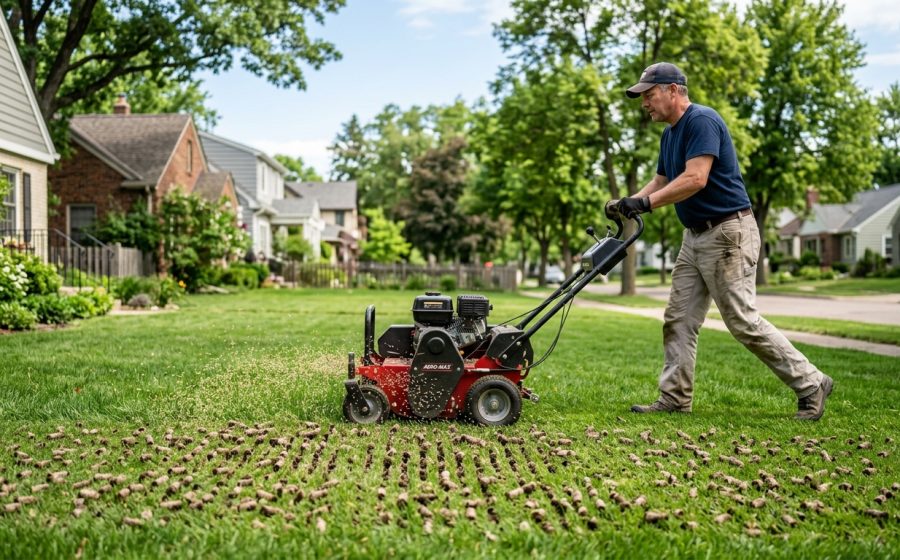
Core aeration, also known as plug aeration, involves using a machine to remove small plugs of soil, thatch, and grass from the lawn. These plugs are left on the surface to decompose, returning valuable organic matter and nutrients to the soil. This method is widely considered the most effective for relieving compaction and promoting deep root growth because it physically removes material, creating lasting channels for air and water.
Spike aeration, on the other hand, involves simply poking holes into the soil with solid tines or spikes. While it can create pathways for water and air, it does not remove any soil. Instead, it can sometimes lead to further compaction around the edges of the holes, especially in clay soils. For this reason, core aeration is generally recommended for most lawns, particularly those with significant compaction issues, as it provides a more substantial and long-lasting benefit.
Choosing the Right Equipment
For homeowners considering a DIY approach to aeration, renting a core aerator is an option. These machines can be heavy and require careful operation, but they deliver professional-grade results. Ensure the soil is moist but not waterlogged before aerating, as this makes the process easier and more effective.
Alternatively, professional lawn care services utilize commercial-grade core aerators that are more powerful and efficient, ensuring thorough coverage and optimal plug removal. Our team at Peter Doran Lawn has the specialized equipment and expertise to perform effective aeration, ensuring your lawn receives the best possible treatment without the hassle of renting and operating heavy machinery yourself.
Preparing Your Lawn for Aeration and Overseeding
Proper preparation is essential to maximize the benefits of aeration and overseeding. A few key steps before the process can significantly improve the outcome and ensure the new seeds have the best chance to thrive.
First, mow your lawn to a slightly shorter height than usual a few days before aeration. This allows the aerator to penetrate the soil more effectively and ensures that the new grass seeds make better contact with the soil rather than getting caught in tall blades. However, avoid scalping the lawn, as this can stress the existing turf.
Next, ensure the soil is adequately moist. If the ground is too dry, the aerator tines will struggle to penetrate, making the process less effective. If it's too wet, the machine can get bogged down, and the soil can become muddy and compacted. A good watering a day or two before aeration is usually sufficient to achieve the ideal soil moisture level.
Finally, mark any sprinkler heads, shallow utility lines, or other obstacles in your lawn. This prevents damage to your property and the aeration equipment during the process. Taking these preparatory steps ensures a smooth and successful aeration and overseeding project.
Post-Aeration and Overseeding Care
Once your lawn has been aerated and overseeded, the subsequent care is just as crucial for ensuring successful germination and establishment of the new grass. Proper watering and fertilization are key during this delicate phase.
Immediately after overseeding, begin a consistent watering schedule. The new seeds need constant moisture to germinate, so light, frequent watering is necessary. Aim to keep the top inch of soil moist, but avoid overwatering, which can wash away seeds or lead to fungal issues. This typically means watering once or twice daily for short durations, especially during dry periods, for the first two to three weeks.
After the new grass begins to emerge and establish, you can gradually reduce the frequency of watering while increasing the duration, encouraging deeper root growth. A starter fertilizer, specifically formulated for new grass, can also be applied immediately after overseeding to provide essential nutrients for strong seedling development. Avoid using weed control products during this period, as they can harm newly germinating grass.
Common Mistakes to Avoid with Aeration and Overseeding
Even with the best intentions, several common mistakes can undermine the effectiveness of your aeration and overseeding efforts. Being aware of these pitfalls can help ensure your hard work pays off.
One frequent error is aerating when the soil is too dry or too wet. As mentioned, dry soil prevents proper penetration, while overly wet soil can lead to mud and further compaction. Another mistake is not overseeding immediately after aeration; the holes created by aeration are temporary and will close up over time, so applying seed promptly maximizes seed-to-soil contact.
Using low-quality grass seed or the wrong type of seed for your climate is another common issue. Always choose high-quality cool-season grass varieties suitable for Minneapolis, such as Kentucky bluegrass, fine fescue, or perennial ryegrass. Finally, neglecting proper post-seeding watering is a major setback. New seeds require consistent moisture to germinate and establish, and inconsistent watering can lead to patchy growth or complete failure.
Peter Doran Lawn & Landscaping: Your Local Lawn Experts
For over 30 years, Peter Doran Lawn & Landscaping has been a trusted partner for residential and commercial clients across Minneapolis, providing dependable, quality lawn care services. Our deep understanding of local soil conditions and climate challenges ensures that our aeration and overseeding services are precisely tailored to your needs.
We pride ourselves on excellence and timely execution, using only the best products available on the market to ensure long-lasting appearance and stand by our workmanship 100%. Our experienced team, including licensed fertilizer and weed control technicians, is equipped with the knowledge and tools to transform your lawn into a vibrant, healthy landscape.
Whether you're looking for comprehensive lawn care services in Brooklyn Park or specialized aeration services, our commitment to quality and customer satisfaction remains unwavering. We understand the nuances of maintaining a healthy lawn in our unique environment, from the specific needs of dethatching and aeration service to routine upkeep.
Beyond Aeration: Comprehensive Fall Lawn Care Strategies
While aeration and overseeding are foundational for fall lawn prep, a holistic approach to fall lawn care involves several other practices that contribute to overall turf health and winter resilience. These strategies work in conjunction to prepare your lawn for the dormant season and ensure a strong start in the spring.
Fertilization is another critical component of fall lawn care. Applying a "winterizer" fertilizer in late fall provides essential nutrients that strengthen root systems and promote carbohydrate storage, helping the grass withstand freezing temperatures. This late-season feeding is crucial for cool-season grasses, as it supports their underground growth even as top growth slows.
Continued mowing until the grass stops growing, typically when temperatures consistently fall below 50°F, is also important. Gradually lowering the mowing height with the final cut being shorter than usual (around 2-2.5 inches) helps prevent snow mold and reduces the amount of leaf litter that can smother the grass. For consistent care throughout the season, consider professional lawn mowing services to maintain optimal height.
Leaf removal is another often-overlooked but vital task. A thick layer of fallen leaves can smother grass, block sunlight, and create a damp environment conducive to fungal diseases. Regularly raking or mulching leaves protects your lawn and allows it to breathe. For more detailed guidance on maintaining a healthy lawn, resources like the University of Minnesota Extension offer valuable insights specific to our region.
FAQs About Lawn Aeration & Overseeding in Minneapolis
How often should I aerate my lawn in Minneapolis?
For most lawns in Minneapolis, annual aeration is highly beneficial, especially if your lawn experiences heavy foot traffic, has compacted soil, or shows signs of thinning. Lawns with very heavy clay soil or those that are heavily used might benefit from aeration twice a year, typically in the spring and again in late summer or early fall. Consistent aeration helps maintain optimal soil health and nutrient absorption.
Can I aerate and overseed my lawn myself, or should I hire a professional?
While it is possible to rent an aerator and perform the task yourself, hiring a professional service like Peter Doran Lawn offers significant advantages. Professionals have access to commercial-grade equipment that is more effective and efficient, ensuring thorough coverage and proper plug removal. They also possess the expertise to assess your lawn's specific needs, recommend the best grass seed varieties, and execute the process correctly, saving you time and potential frustration.
What type of grass seed is best for overseeding in Minneapolis?
For Minneapolis lawns, cool-season grasses are the most suitable choice for overseeding. Popular and effective varieties include Kentucky bluegrass, which is known for its dense growth and rich color, fine fescues (creeping red, chewings, hard), which tolerate shade and drought well, and perennial ryegrass, valued for its rapid germination and durability. Often, a blend of these varieties provides the best results, offering a lawn with diverse strengths and improved resilience.
How long does it take for new grass to grow after overseeding?
The germination time for new grass seeds varies depending on the species and environmental conditions, but generally, you can expect to see sprouts within 7 to 21 days after overseeding. Perennial ryegrass typically germinates the fastest, often within a week, while Kentucky bluegrass can take up to three weeks. Consistent moisture and favorable soil temperatures are crucial during this period to ensure successful germination and establishment.
What should I do if I have a lot of weeds after aeration and overseeding?
It's common to see some weed activity after aeration, as the process can bring dormant weed seeds to the surface. However, it's crucial to avoid applying broadleaf weed killers immediately after overseeding, as these can harm your new grass seedlings. Wait until the new grass has been mowed at least three to four times, indicating it's mature enough to withstand herbicide treatment. In the meantime, manual removal of larger weeds can help prevent them from competing with your new grass.
The health and appearance of your lawn are significantly influenced by the care it receives, particularly during critical transition periods. Embracing August lawn aeration and overseeding in Minneapolis is not just a seasonal task; it's a strategic investment in the long-term vitality and beauty of your outdoor space, ensuring it stands strong against winter and flourishes in spring.
Achieving a truly healthy, vibrant lawn requires more than just occasional effort; it demands consistent, knowledgeable care. Our team at Peter Doran Lawn brings decades of experience and a commitment to quality, ensuring your lawn receives the precise attention it needs to thrive year after year, transforming challenges into lush, green success.
Ready to give your lawn the professional care it deserves? Request a free estimate today to schedule your fall aeration and overseeding service and prepare your Minneapolis lawn for its best season yet.
Recent Comments