- (763) 595-1440
- info@peterdoranlawn.com
- 14360 James Rd, Rogers, MN

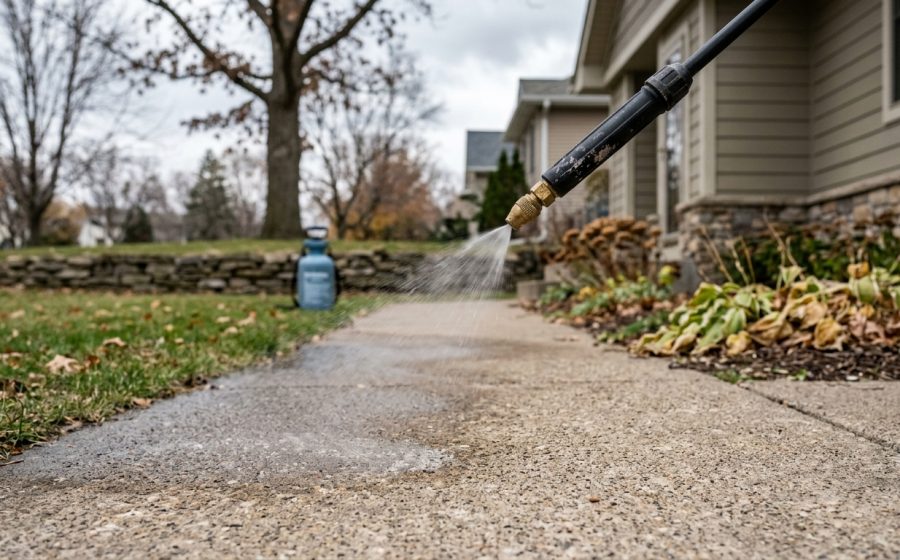
Should You Pretreat Sidewalks for Snow?
Why Pretreating Sidewalks Matters in Minneapolis Winters
As winter descends upon Minneapolis, the question of how to effectively manage snow and ice on sidewalks becomes paramount for homeowners and property managers. Untreated icy sidewalks present immediate and significant dangers, transforming routine walks into hazardous endeavors. Pedestrians face increased risks of slips, falls, and serious injuries, which can lead to costly medical bills and potential liability issues for property owners.
Pretreating sidewalks for snow creates a crucial barrier, preventing snow and ice from bonding directly to the surface. This proactive measure significantly reduces the effort required for subsequent snow removal, as the ice layer remains loose and easier to clear. Minneapolis’s fluctuating winter temperatures, often hovering around the freezing point, pose a specific challenge; snow can melt and refreeze rapidly, creating treacherous black ice that is difficult to detect.
By applying a pretreatment, you disrupt this freeze-thaw cycle, maintaining a safer walking surface. This foresight contributes immensely to overall property accessibility and safety, ensuring that residents, visitors, and delivery personnel can navigate your property with confidence, even during and after a snowfall. Proactive sidewalk management is not just about convenience; it is a critical component of winter safety.
Choosing the Right Pretreatment for Your Minneapolis Sidewalks
Selecting the appropriate pretreatment is essential for both effectiveness and the longevity of your hardscaping. Common de-icers each have distinct advantages and drawbacks. Rock salt, primarily sodium chloride, is inexpensive and effective down to about 15°F, but it can be corrosive to concrete and harmful to vegetation.
Calcium chloride works at lower temperatures, down to -25°F, and acts faster, yet it can leave a slippery residue and is more expensive. Magnesium chloride is effective to -15°F, less corrosive than rock salt, and generally considered safer for plants and pets, though still requiring careful application. Potassium chloride, effective to 12°F, is a slower-acting option that is less damaging to plants but also less potent in severe cold.
For residential areas, pet-safe and environmentally friendly alternatives are increasingly popular. Products containing propylene glycol or calcium magnesium acetate (CMA) offer reduced environmental impact and are less irritating to pet paws, although they typically come at a higher cost and may be less effective in extreme cold. The impact on concrete, pavers, and landscaping in Minneapolis is a significant consideration; many traditional salts can cause spalling or discoloration of concrete and pavers over time, and runoff can damage nearby plants.
Liquid pretreatments often prove more effective than granular options when applied before a storm, as they adhere better to surfaces and begin working immediately upon contact with precipitation. Granular products, conversely, are often better for post-snowfall application or when conditions are already wet. A common mistake Minneapolis homeowners make is assuming all de-icers are interchangeable; failing to consider temperature effectiveness, material compatibility, and environmental impact can lead to suboptimal results and unintended damage.
When and How to Apply Pretreatment for Best Results
Optimal timing and application are critical to maximize the effectiveness of any pretreatment. The ideal weather conditions for applying pretreatment are typically 24-48 hours before a predicted snowfall, when temperatures are above freezing and the ground is dry. Applying pretreatment too early can result in it being washed away by rain or losing efficacy due to prolonged exposure to sun and wind. Conversely, applying it during active snowfall or when temperatures are already well below freezing can reduce its ability to prevent ice bonding.
For optimal effectiveness, pretreatment should be applied as a light, even coating. This creates a thin barrier that prevents ice from adhering to the sidewalk surface. Common tools for application include broadcast spreaders for granular products, which ensure even distribution, and pump sprayers for liquid solutions. When using a sprayer, ensure a fine mist that covers the entire walking surface without creating puddles, as excessive application wastes product and can lead to environmental runoff.
Adjusting application rates is crucial for different types of pretreatments and expected snowfall amounts. Always follow the manufacturer’s recommendations, as over-application can damage surfaces and surrounding vegetation, while under-application will not provide sufficient protection. For instance, a heavier application might be warranted for an anticipated blizzard, whereas a light dusting of snow requires less product.
Signs of insufficient application include snow and ice bonding stubbornly to the sidewalk, requiring significant effort to remove. Conversely, excessive application might manifest as a visible white residue after the snow melts, indicating wasted product and potential for environmental impact. Proper application ensures that you effectively pretreat sidewalks snow without unnecessary expense or damage.
DIY vs. Professional Pretreatment and Snow Removal
Deciding whether to manage sidewalk pretreatment and snow removal yourself or to hire a professional service involves weighing various factors, particularly in a city like Minneapolis with its demanding winters. DIY efforts demand significant time commitments and physical exertion, especially for larger properties or during heavy, prolonged snow events. Shoveling, spreading pretreatment, and managing refreezing cycles can be physically taxing and time-consuming, diverting valuable personal time.
The scale or complexity of a property often makes professional snow removal a more practical and safer choice. Multi-unit residential buildings, commercial properties, or homes with extensive sidewalks and driveways benefit immensely from expert intervention. Professionals possess specialized equipment, such as skid steers, commercial-grade snow blowers, and precise salting equipment, which far exceed what most homeowners have access to. This equipment, combined with their expertise, allows for efficient and thorough clearing.
Professional snow removal services ensure consistent safety and accessibility, a critical factor during heavy or prolonged snow events when timely clearing is essential. We, at Peter Doran Lawn, understand the unique challenges of Minneapolis winters and offer comprehensive solutions. Our crews are experienced in managing various property types, ensuring that sidewalks, driveways, and entrances remain clear and safe throughout the season. For reliable and thorough winter property management, consider Peter Doran Lawn’s snow removal services.
Homeowners often overlook the hidden costs and potential liabilities associated with DIY snow removal. These can include the expense of purchasing and maintaining equipment, the cost of de-icing materials, and the risk of personal injury. Furthermore, inadequate snow and ice management can lead to slip-and-fall accidents on your property, potentially resulting in costly lawsuits. Professionals mitigate these risks by providing consistent, high-quality service and carrying appropriate insurance.
Ensure Safe, Clear Sidewalks All Winter Long
Proactive winter property management, particularly the strategic use of pretreatments, is indispensable for maintaining safe and accessible sidewalks throughout the Minneapolis winter. By preventing ice from bonding to surfaces, you significantly reduce the effort and hazards associated with snow and ice removal. A comprehensive approach to winter property management extends beyond merely clearing snow; it involves foresight, the right materials, and timely application.
Our expertise at Peter Doran Lawn encompasses a full spectrum of winter property care, ensuring that every aspect of your property is managed effectively. We bring decades of experience to every job, ensuring that your sidewalks, driveways, and entrances are not just plowed, but truly managed for safety and accessibility.
Frequently Asked Questions
How long does pretreatment last on sidewalks?
The duration of pretreatment effectiveness varies based on the product type, weather conditions, and application rate. Generally, liquid pretreatments can remain effective for 24 to 72 hours under ideal conditions, especially if no heavy rain or extreme melting occurs. Granular products might have a slightly shorter active period once applied, particularly with heavy foot traffic or subsequent precipitation.
Can pretreatment damage my concrete or pavers?
Yes, some pretreatments, particularly rock salt (sodium chloride), can cause damage to concrete and pavers over time. Repeated freeze-thaw cycles exacerbated by salt can lead to spalling, cracking, or discoloration. Opting for less corrosive alternatives like magnesium chloride or calcium magnesium acetate (CMA) can significantly reduce this risk, especially on newer concrete or decorative pavers.
Is it necessary to pretreat for light snowfalls?
Pretreating for light snowfalls is still highly recommended, especially in Minneapolis where temperatures often hover around freezing. Even a small amount of snow can melt and refreeze into dangerous black ice, which is difficult to see. A light application of pretreatment can prevent this bonding, making even minimal snow easy to sweep away and ensuring continuous safety.
What should I do if I missed the window to pretreat before a storm?
If you missed the opportunity to pretreat, the best course of action is to clear the snow as soon as possible after it falls. Once the snow is removed, you can then apply a de-icer to any remaining ice or compacted snow to help break its bond with the surface. This post-storm application will still aid in melting and preventing further ice formation.
Is it better to pretreat for snow?
Yes, it is generally better to pretreat sidewalks for snow rather than waiting until after the snow has fallen. Pretreatment creates a sacrificial layer that prevents ice from bonding to the pavement, making subsequent snow and ice removal significantly easier and more efficient. This proactive approach also enhances safety by reducing the immediate formation of slippery surfaces.
What do you spray on concrete before snow?
Before snow, you would typically spray a liquid de-icing agent on concrete. Common options include solutions of magnesium chloride, calcium chloride, or proprietary blends often containing corrosion inhibitors. These liquids adhere to the surface, forming a brine layer that lowers the freezing point of water and prevents snow and ice from sticking, making cleanup much simpler.
Proactive Winter Management for Minneapolis Properties
Effectively managing winter conditions on your property, particularly through strategic pretreatment, is a critical investment in safety and convenience. By taking proactive steps to prevent ice buildup, you ensure that your sidewalks remain accessible and reduce the physical demands and potential liabilities associated with winter weather. This foresight is key to navigating the challenges of a Minneapolis winter with confidence.
At Peter Doran Lawn, we bring decades of experience in comprehensive winter property management to both residential and commercial clients. Our team utilizes the right equipment and expertise to ensure your property is not just cleared, but truly managed for safety and accessibility throughout the season. We understand the nuances of local weather patterns and tailor our services to meet the specific needs of your property.
Recent Comments